


Canvas Countryside Landscape Painting
A canvas countryside landscape painting brings the quiet depth of rural fields and rivers directly into a room.
Canvas Countryside Landscape Painting
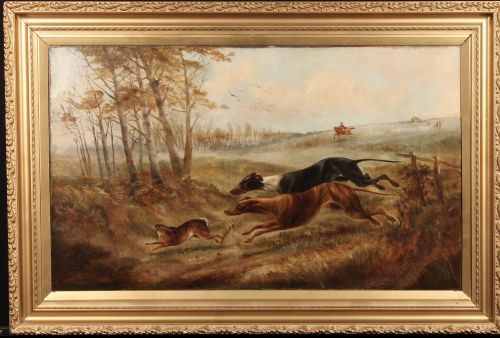
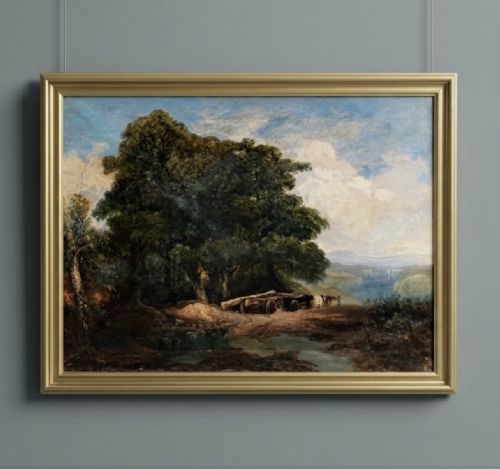
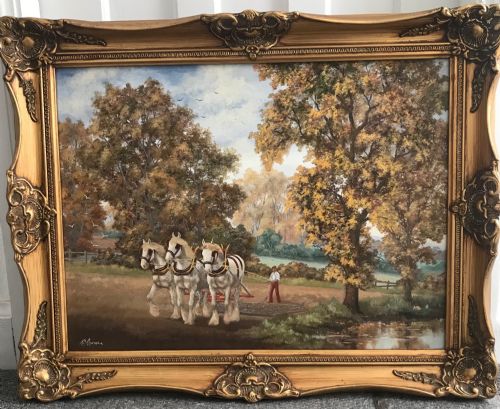
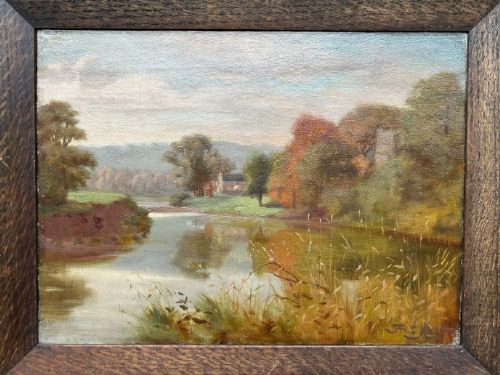
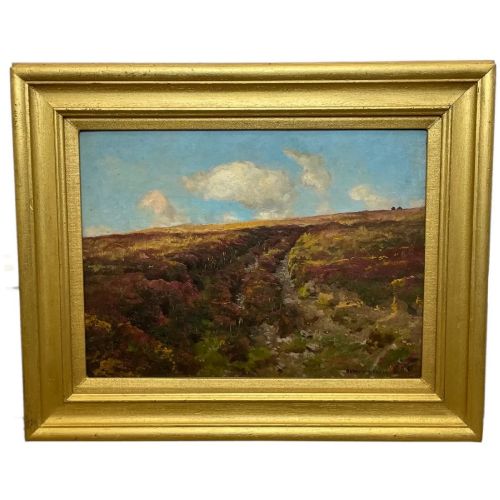
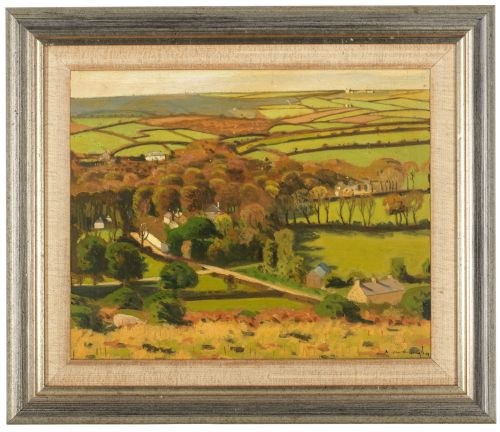
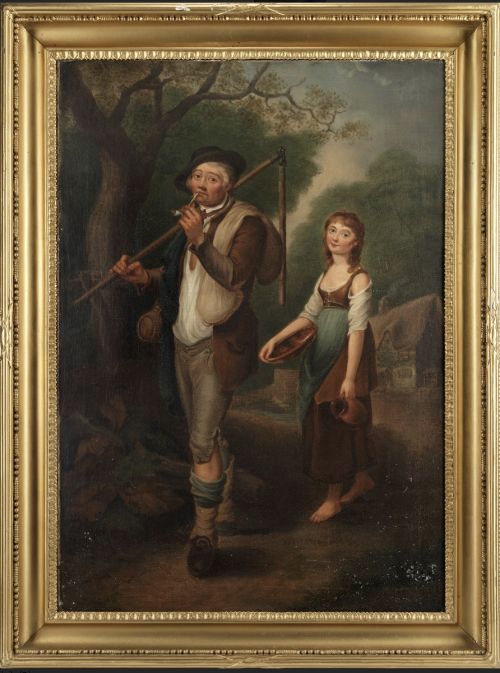
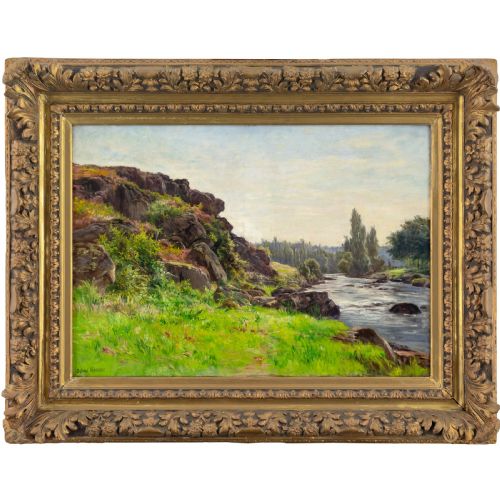
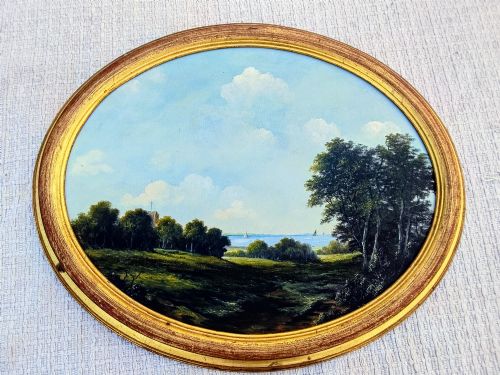
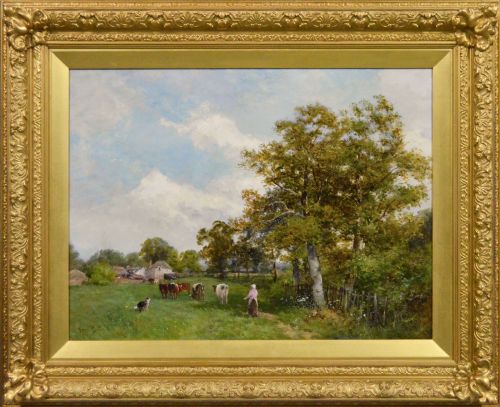
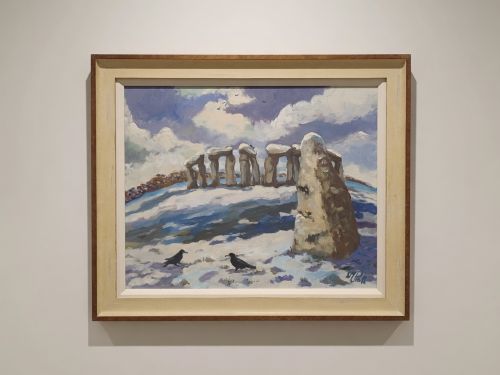
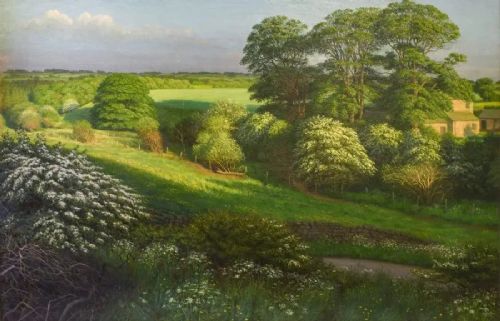
A canvas countryside landscape painting captures rural scenery, rivers, woodlands, and farmsteads rendered through various historic schools of art. When searching for a canvas countryside landscape painting, buyers encounter works spanning from the nineteenth century through the mid-twentieth century.
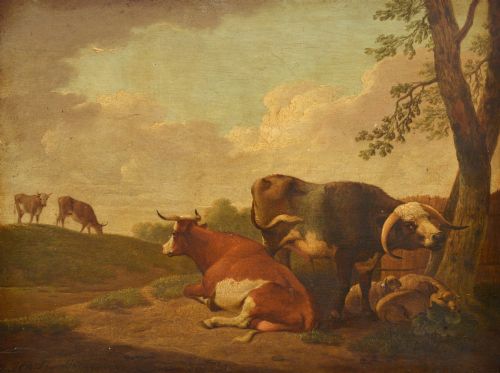
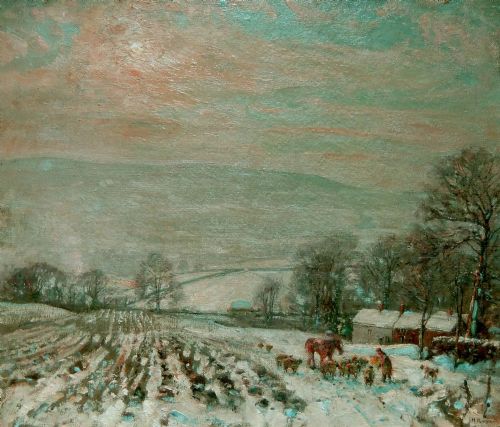
The selection ranges from Victorian pastoral scenes and British Impressionism to works influenced by French Impressionism and the Barbizon school. Typical compositions feature horses, cattle, cottages, and agricultural labour set against open skies and winding waterways.
How They Were Made
Artists painted primarily with oil paint upon stretched canvas, often housed within wood and gilt wood frames. The application of pigment varies from smooth, academic brushwork to thicker impasto that builds physical texture upon the surface.
Support materials typically consist of woven canvas secured to wooden stretcher bars, accompanied by decorative framing that reflects the aesthetic tastes of the period.
Several canvas landscapes feature steadfast farm animals quietly enduring unpredictable British weather across the centuries.
What Varies in Quality
Quality rests upon the artist's command of light, atmosphere, and naturalistic proportion within the composition. Stronger examples display confident brushwork and a coherent sense of spatial depth rather than rigid adherence to formulaic scenery.
The handling of pigment and the preservation of the original canvas surface significantly influence the visual impact of the work.
Richard Sebastian Bond·William H Myers·George Graham·Frederick Marriott·Arthur Wardle·Hendrik Willem Schweickhardt·Herbert Royle·Robert Morson Hughes·Thomas Barker of Bath·Gabriel Mathieu·David Bates·Lucy Pratt·Raymond Booth·Harald Foss·Eric Brown·Henri Ottmann·Richard Redgrave·Ernest Higgins Rigg·Peter Newcombe·Rene Levrel·Vernon DeBeauvoir Ward·Alexander Wellwood Rattray·John Horace Hooper·Owen Bowen·Charles Clair
The Canvas Countryside Landscape Painting Glossary
- Impasto
- Paint applied thickly to a canvas, standing out in relief from the surface. This technique allows the physical texture of the brushstrokes to catch the light.
- Barbizon School
- A nineteenth-century art movement focused on tonal realism and direct observation of nature. Painters associated with this group worked out of doors to capture rural life.
- Gilt Wood
- Wood carved and coated with a thin layer of gold leaf or metallic gilt paint. These frames enclose the canvas and contribute to the historical presentation.
- Provenance
- The documented history of ownership surrounding a work of art. Clear records help establish the authenticity and origin of older paintings.
Canvas Countryside Landscape Painting: Frequently Asked Questions
How do I date an old landscape painting?
Dating relies upon examining the canvas preparation, stretcher construction, framing style, and the artist's active period. Signature styles and costume details within the scene also offer firm chronological clues.
Additional context can sometimes be gathered from inscriptions or labels affixed to the reverse of the wooden frame or canvas.
What is British Impressionism?
British Impressionism emerged in the late nineteenth and early twentieth centuries as artists adopted lighter palettes and broken brushwork. These painters focused on transient effects of natural light in domestic rural settings.
Works from this movement often depict familiar countryside views rendered with immediate energetic brush application rather than rigid academic finish.
What subjects appear in Victorian pastoral art?
Victorian pastoral art frequently portrays idealized rural life, including farmsteads, agricultural workers, grazing livestock, and peaceful river valleys. These scenes celebrated traditional country living during an era of rapid industrialization.
Artists often emphasised seasonal changes, capturing the calm atmosphere of harvest time or quiet winter pastures.