
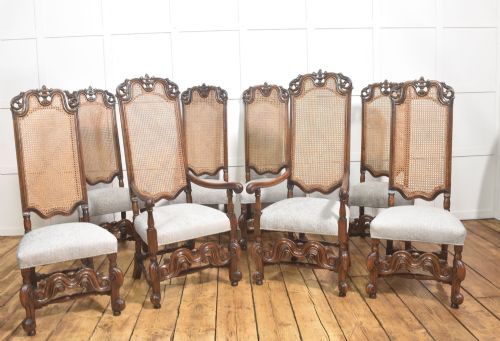
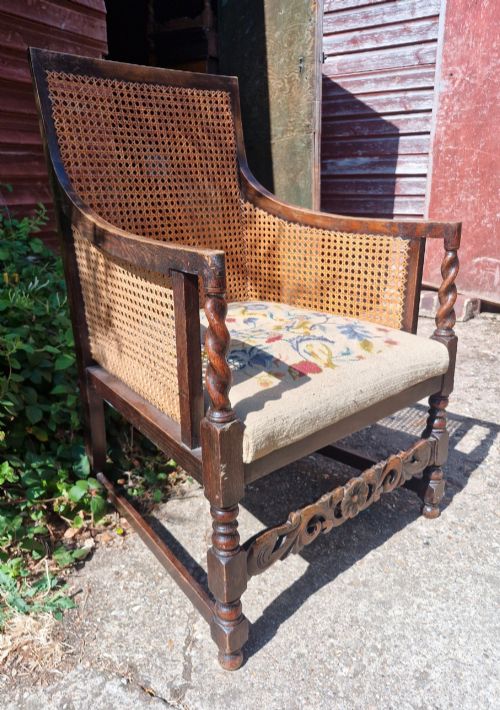
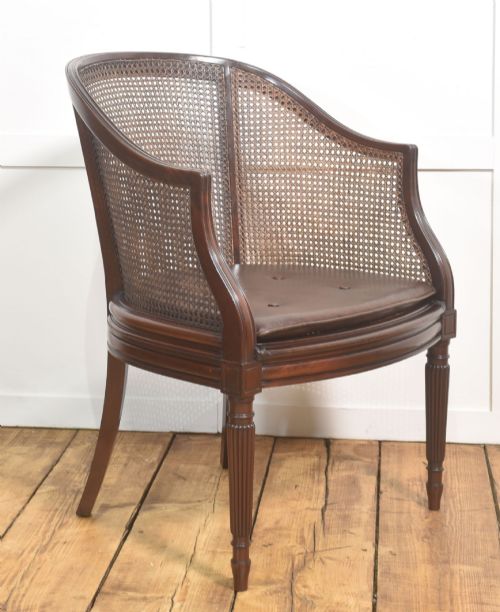
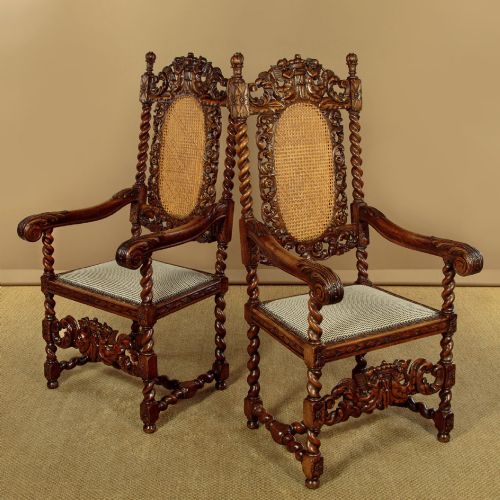
Caned Back Armchair
A caned back armchair brings textural warmth and classic seating structure into a room, offering enduring comfort and refined historic design.
What a Caned Back Armchair Is
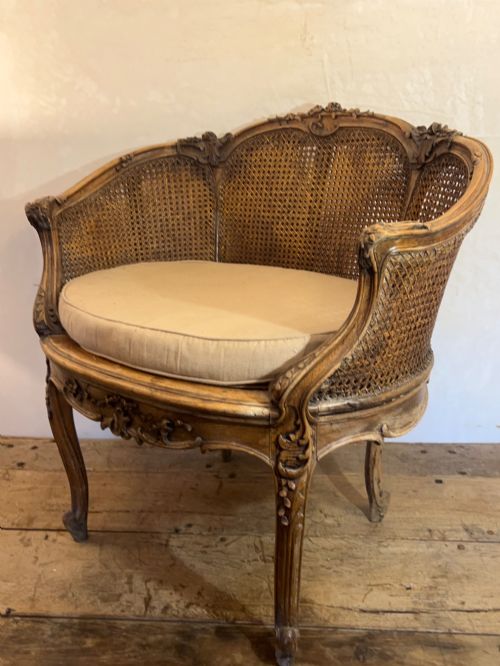
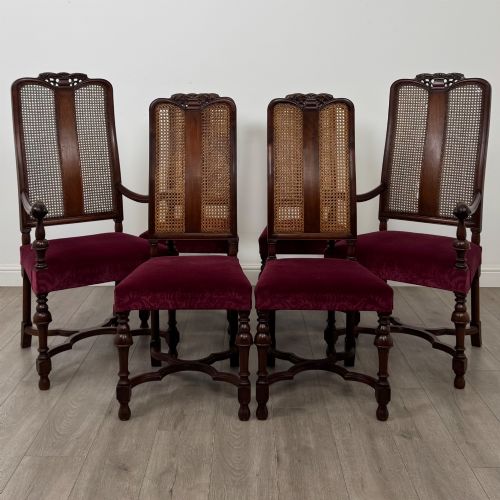
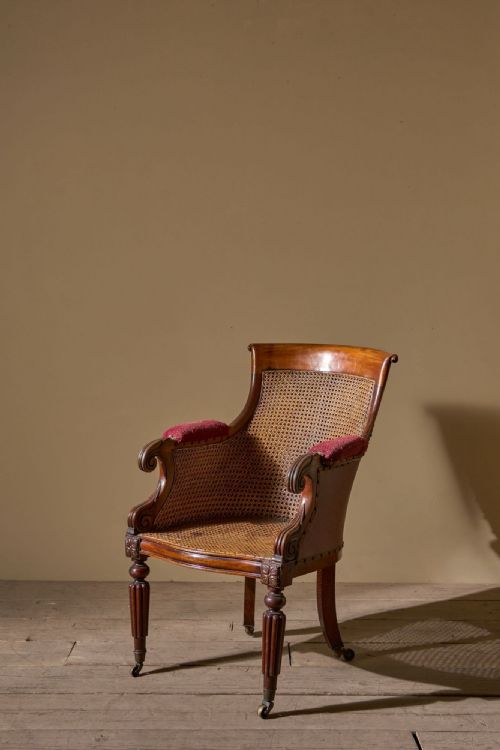
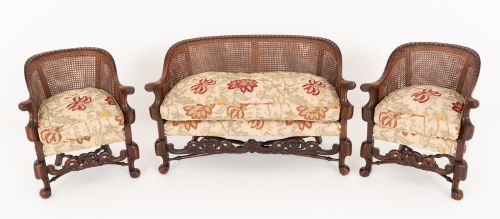
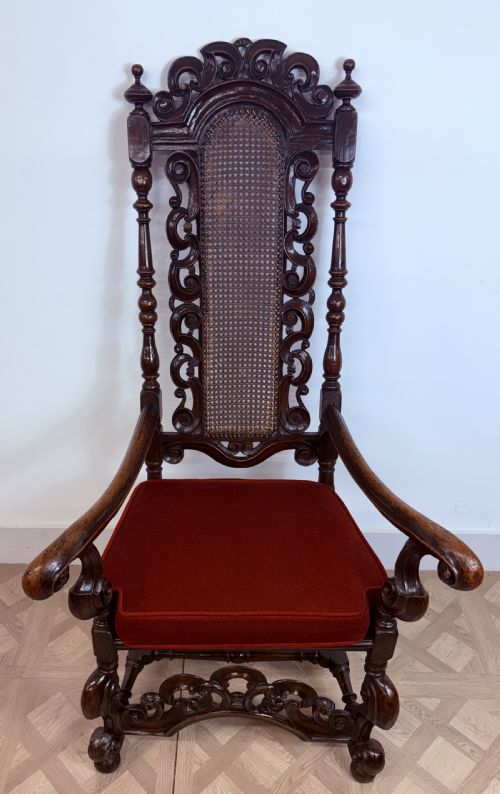
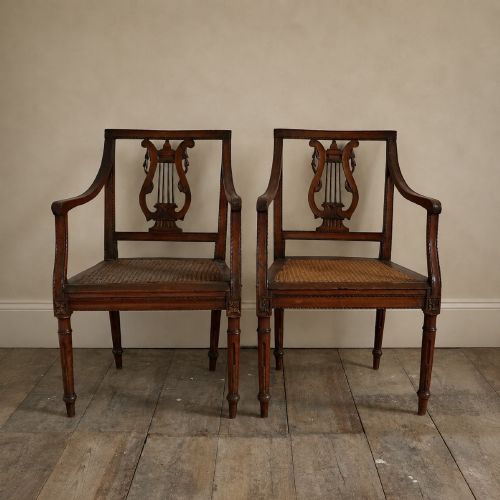
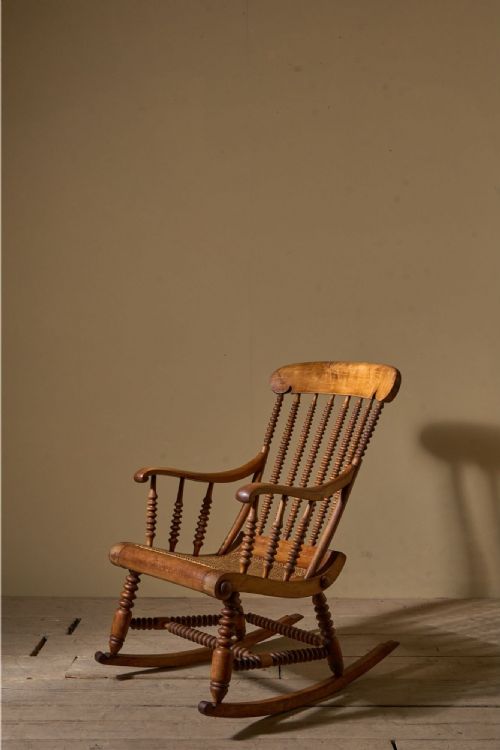
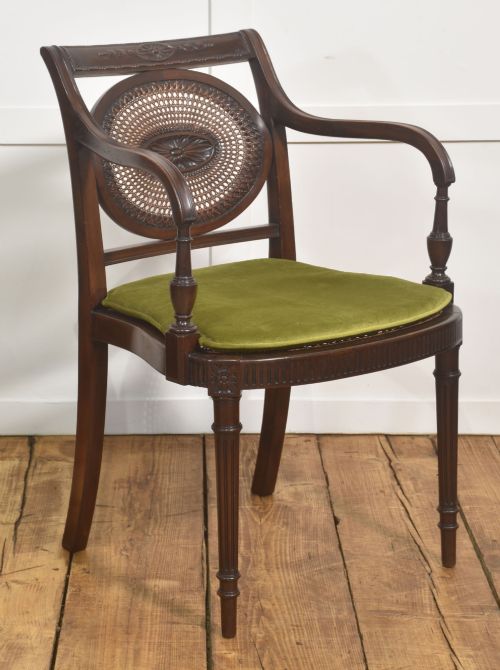
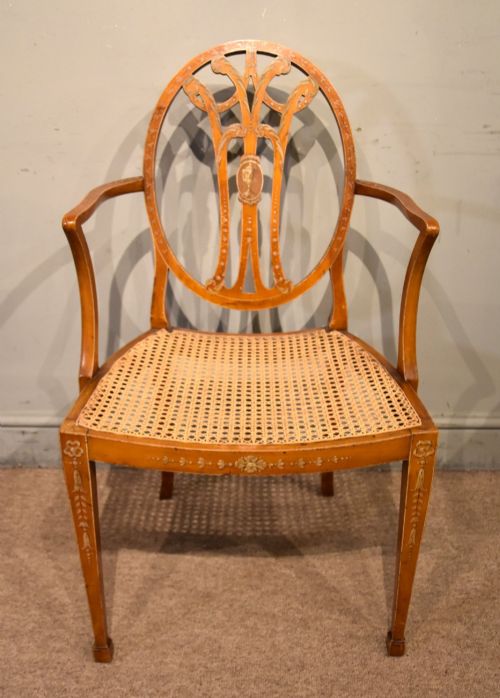
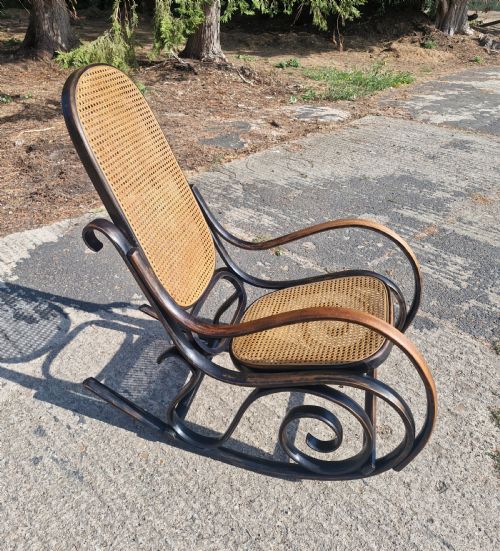
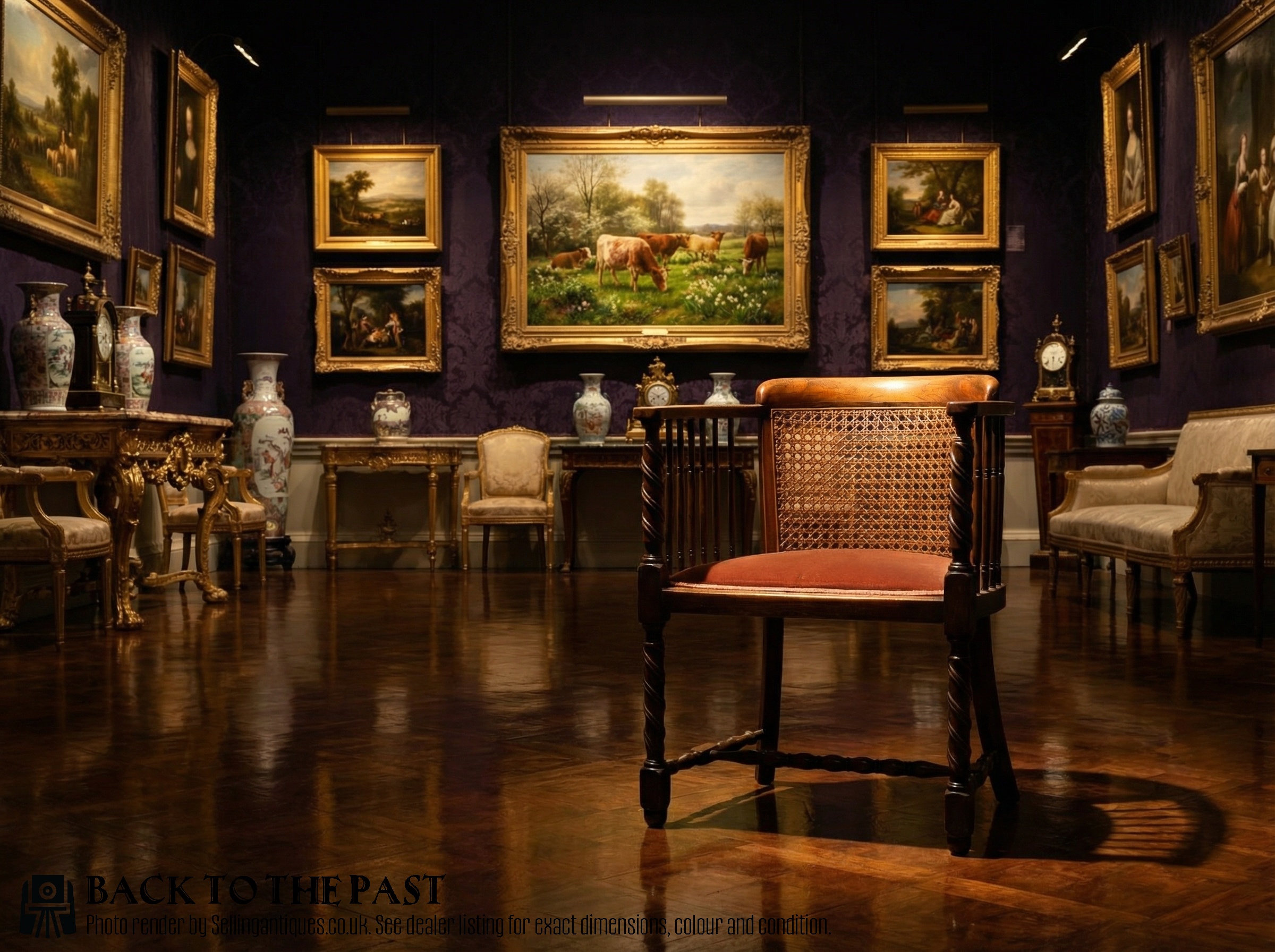
A caned back armchair is a seated furniture form featuring woven plant material incorporated into the backrest, combining structural support with lighter visual weight. The examples found across these records span multiple historic eras, showcasing how cabinetmakers adapted the form through changing aesthetic movements.
Buyers browsing this selection encounter various interpretations, most notably 19th Century specimens alongside Regency, William IV, Edwardian, and specific revival pieces. These chairs frequently employ open arm designs and traditional wooden frames shaped to reflect prevailing tastes of their respective periods.
Materials and Construction
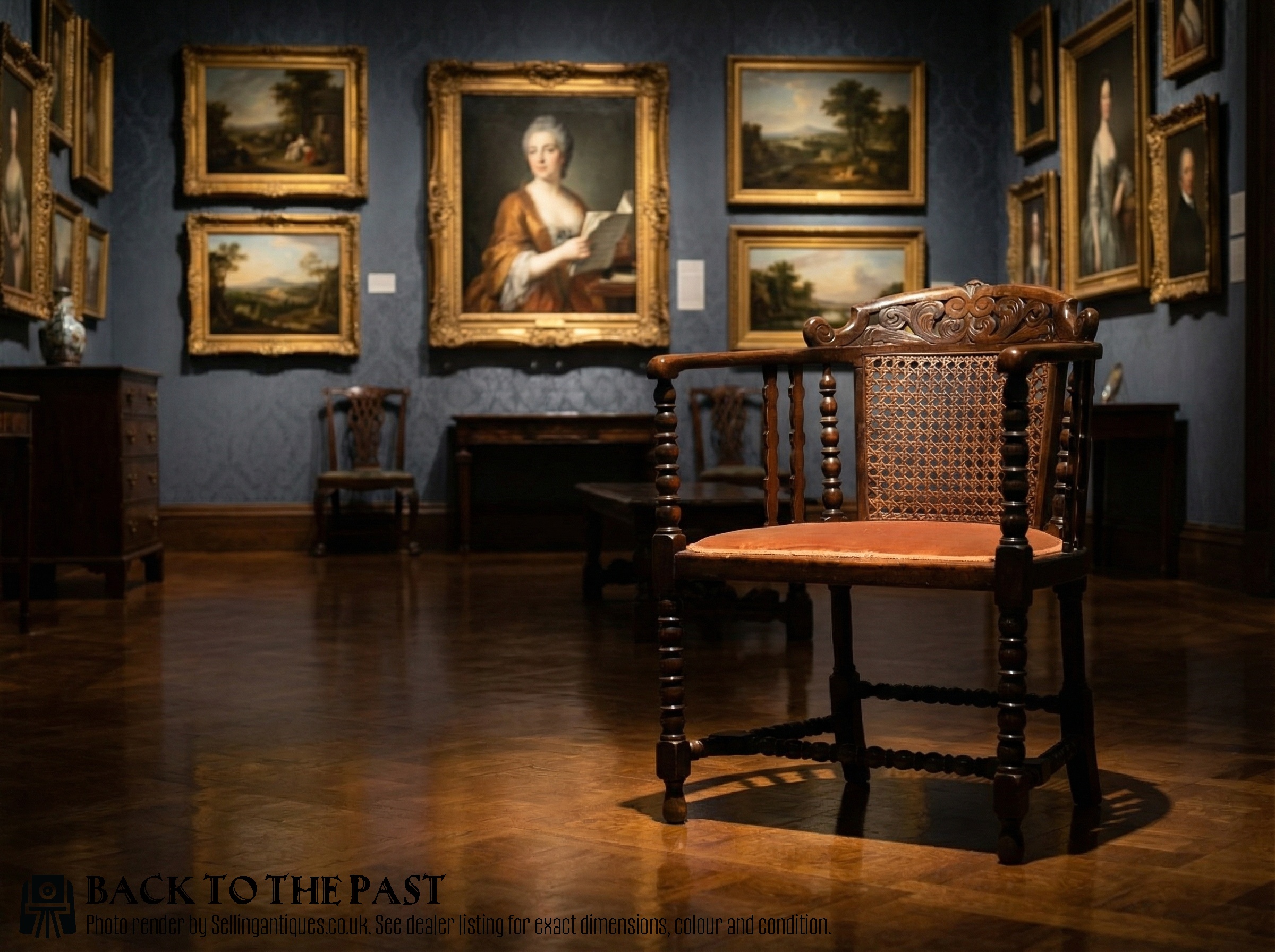
Makers utilised a variety of durable hardwoods for the structural frames, with mahogany, beech, oak, walnut, and faux rosewood appearing across the pieces. These timbers were selected for their strength and suitability for carving, turning, and polishing.
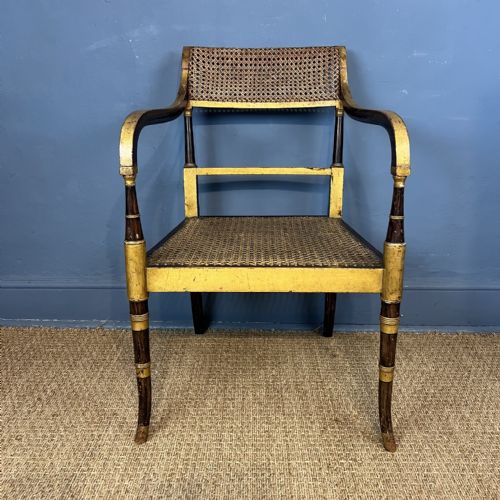
The defining feature relies on cane woven tightly into the back frame, sometimes accompanied by secondary materials such as leather, velvet, brass details, and parcel gilding to enrich the overall appearance.
Retail Price Guide 2026
Typical UK retail prices for caned back armchair, calculated from the Sellingantiques database of over a million retail prices indexed since 2003. This retail price guide relies exclusively on Sellingantiques data; no external sources or auction records are used, so the figures do not describe the wider market.
The listings show materials ranging from sturdy oak and mahogany to delicate cane and velvet, spanning the Regency, Victorian, and Edwardian periods.
Assessing Quality in Caned Back Armchairs
Quality in these armchairs rests upon the integrity of the timber frame and the precision of the joinery, alongside the tightness and regularity of the woven cane work. Superior examples demonstrate skilful carving, careful timber selection, and harmonious proportions that remain stable through decades of use.
The grade of secondary materials, such as supple leather upholstery or subtle parcel gilt accents, distinguishes standard utilitarian seating from pieces destined for formal reception rooms. Finer items preserve their original structural balance and exhibit meticulous attention to detail in every turned leg and scrolled arm.
The Caned Back Armchair Glossary
- Caning
- A woven lattice pattern created from split rattan or similar plant material, utilised primarily for light and flexible chair backs and seats. This technique provides breathable support while lightening the visual heft of a wooden frame.
- Regency
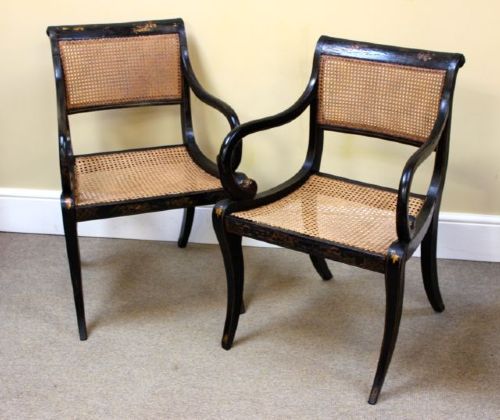
- A British design period spanning the early 19th century, characterised by classical revival motifs, elegant lines, and often influenced by ancient Roman, Greek, and Egyptian forms. Pieces from this era frequently employ exotic wood finishes or painted simulations like faux rosewood.
- William IV
- A transitional stylistic period bridging the Regency and early Victorian eras, noted for robust proportions and substantial mahogany construction. Furniture from this time often displays restrained classical ornamentation combined with heavy comfort.
- Factual
- A decorative finish applied to common timbers to imitate more expensive exotic woods such as rosewood, achieved through painting and graining techniques. This practice allowed cabinetmakers to satisfy contemporary fashion at a lower material cost.
Frequently Asked Questions
How do I care for cane?
Keep the woven cane hydrated by wiping it occasionally with a damp cloth to prevent the natural material from becoming brittle. Avoid placing the armchair directly next to intense heat sources.
Ensure the cane is not overloaded with heavy pressure to preserve the tension across the wooden frame over time.
Are these chairs comfortable for daily use?
Many of these armchairs feature ergonomic angles in the backrest and supportive arm placement designed for relaxed sitting. The woven cane offers a degree of natural spring that adapts slightly to the sitter.
Some period variations incorporate upholstered seats in leather or velvet, adding extra cushioning for extended seating.
What is a tub chair?
A tub chair is an upholstered or semi-enclosed seating form featuring a rounded back that curves continuously into low arms. This design creates a snug, enveloping profile.
Examples in these records combine this curved form with wooden frames and caned elements for a lighter aesthetic.
How do I identify a Regency armchair?
Regency armchairs typically exhibit refined classical proportions, sabre legs, or finely turned supports reflecting early 19th century design ideals. Details like parcel gilding and faux rosewood finishes are also strong indicators.
Examine the joinery and timber quality to confirm period manufacturing techniques alongside these stylistic markers.