



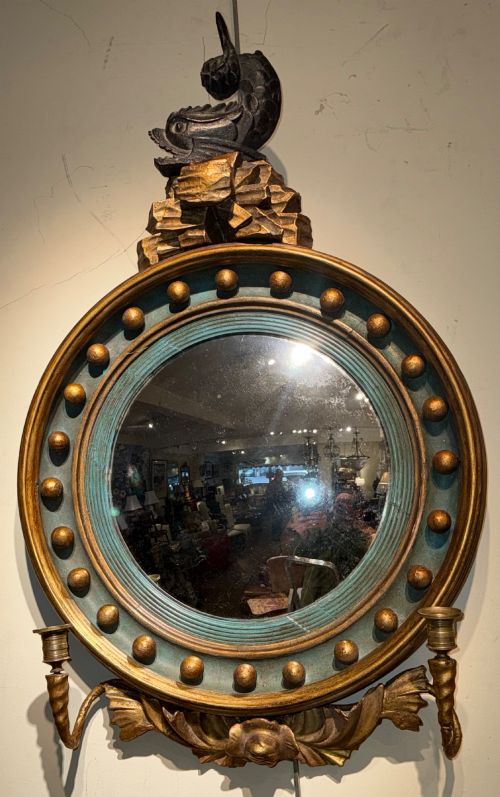
Candle Sconce Wall Mirror
A candle sconce wall mirror combines the functional glow of candlelight with the reflective depth of glass.
Candle Sconce Wall Mirror
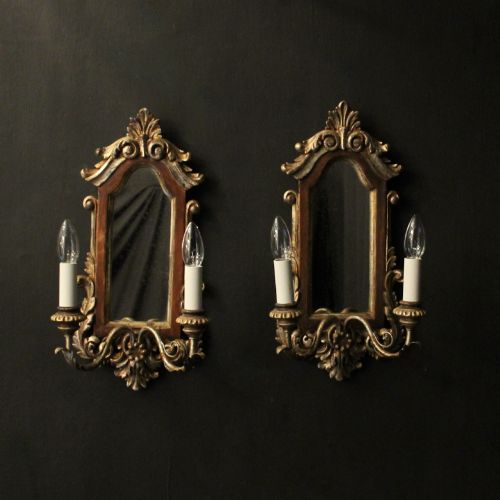
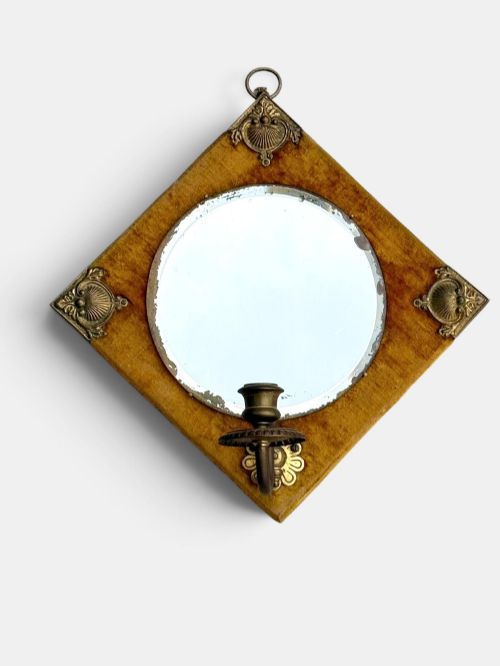
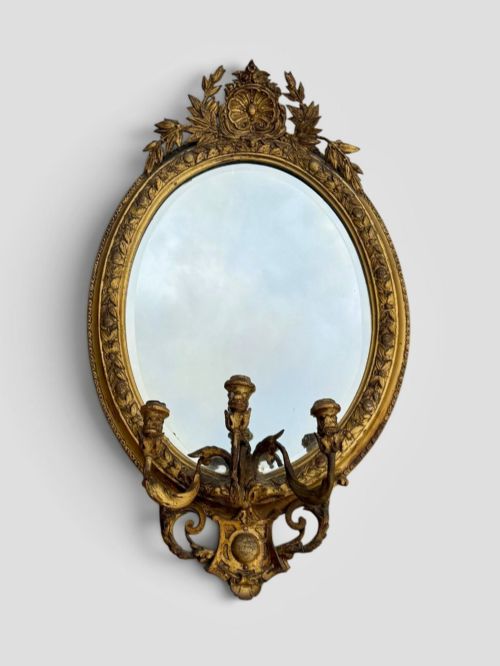
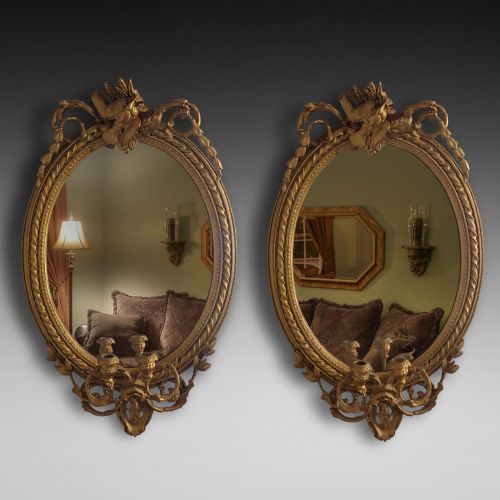
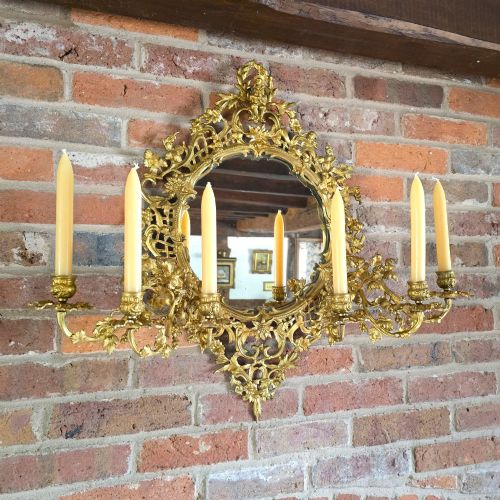
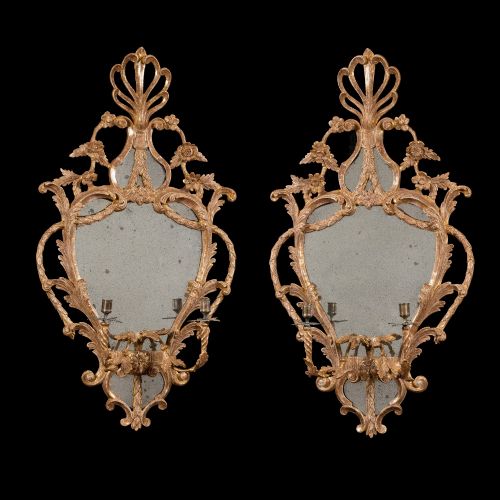
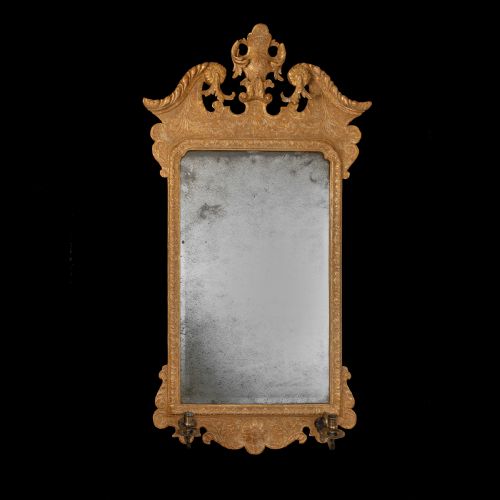
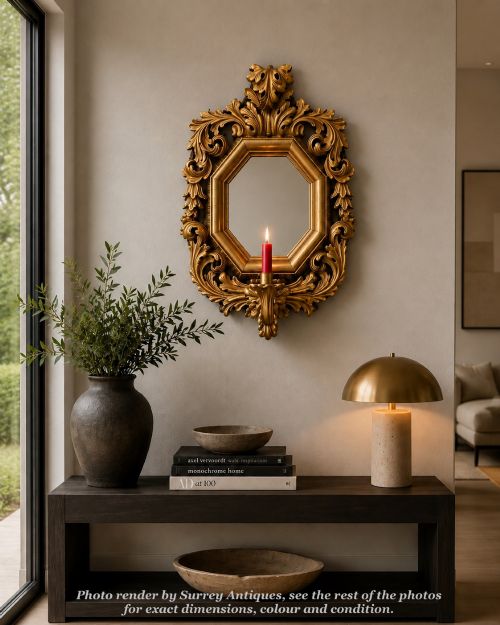
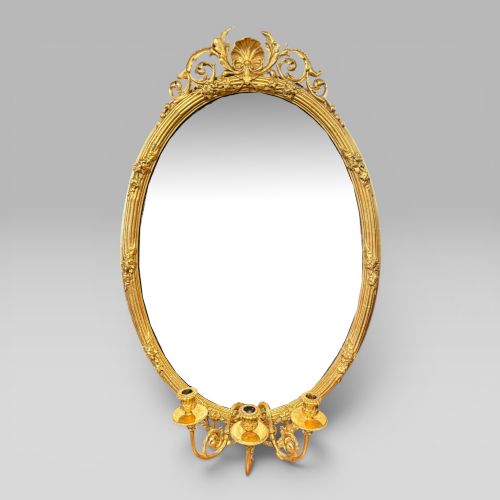
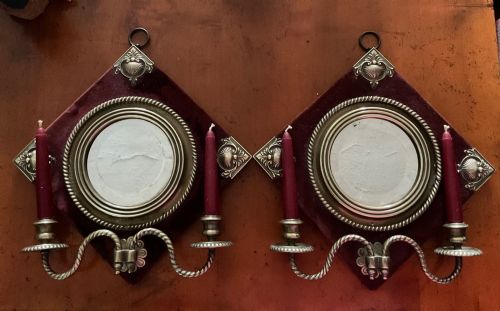
A candle sconce wall mirror is an illuminated reflective fixture designed to mount directly onto a wall, capturing and multiplying the light of attached candles. When searching for a candle sconce wall mirror, buyers encounter a variety of forms including girandoles, pier mirrors, and brass-mounted frames originating from the eighteenth century through to the early twentieth century.
How they were made
Traditional makers built these pieces using timber frames of pine, mahogany, or carved giltwood, frequently applying layers of gesso that were meticulously hand-carved and gilded with gold leaf. Brass, copper, bronze, and ormolu were also widely utilised, particularly for the structural candle arms and decorative mounts.
Reflecting surfaces relied on silvered mirror glass, sometimes curved as in convex girandoles, or set behind multiple branching arms secured with metal pins and structural backing boards.
Convex mirrors were once known as sorcerer mirrors, historically hung in parlours so merchants could keep an eye on all customers at once.
What varies in quality
Quality rests upon the crispness of the hand-carved gesso and giltwood details or the weight and casting precision of bronze, brass, and ormolu mounts. Finer examples display deeply undercut carving and harmonious proportions between the reflective plate and the branching candle sconces.
The integrity of the original mirror glass, whether flat or convex, and the stability of the structural joints where the candle arms meet the frame distinguish superior survivals from simpler commercial iterations.
The Candle Sconce Wall Mirror Glossary
- Girandole
- A decorative wall mirror featuring attached candle branches or sconces designed to reflect candlelight into the room. These pieces often feature elaborate frames carved in giltwood or gesso.
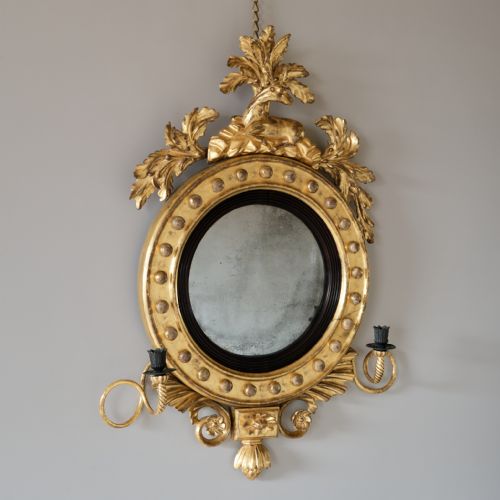
- Convex mirror
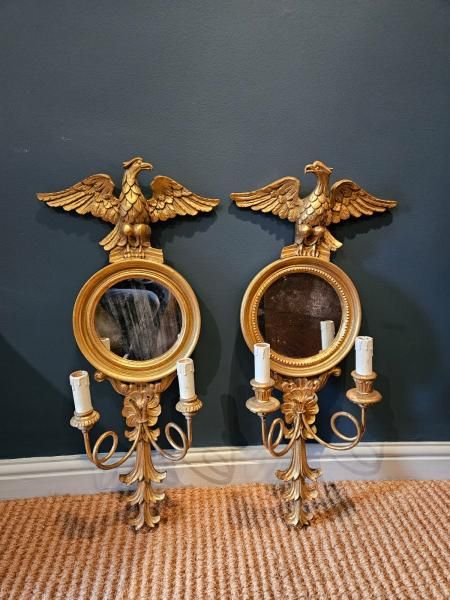
- A round mirror with a bulging spherical glass surface that provides a wide-angled panoramic reflection of the interior. They frequently feature gilded frames with ball-detailing and eagle crests.
- Giltwood
- Timber, typically soft pine, coated with gesso and gold leaf to create a lustrous golden finish. It forms the primary medium for ornate eighteenth and nineteenth-century frames.
- Ormolu
- Finely chased and gilt bronze used for decorative mounts and candle arms on French and English furnishings. The technique requires a mercury-gilding process common in antique metalwork.
- Gesso
- A plaster-like mixture applied to wooden frames as a smooth base for carving and gilding. Its thickness allows artisans to achieve sharp, high-relief decorative motifs.
Candle Sconce Wall Mirror: Frequently Asked Questions
Where should I hang a candle sconce wall mirror?
These mirrors suit spaces where ambient lighting and reflected depth enhance the room, such as above a mantelpiece, along a hallway, or flanking a piece of large furniture. Their integrated candle arms make them particularly effective in dining spaces or drawing rooms.
Ensure the wall construction safely supports the combined weight of the timber, glass, and metal arms. Secure heavy giltwood or bronze pieces directly into wall studs using appropriate fixings.
How do I clean an antique mirror safely?
Dust the frame and glass gently with a soft, dry microfibre cloth to remove surface particles without disturbing fragile gilding or old gesso. Avoid spraying liquids directly onto the glass, as moisture can seep behind the plate and damage the silvering.
For stubborn marks on the glass, apply a small amount of neutral cleaner to the cloth rather than the mirror itself. Keep all cleaning solutions away from unsealed wood, bronze, and gilt surfaces.
Can I actually burn candles in the sconces?
Most antique candle arms can hold tapers, but practical use requires caution to prevent wax drips onto delicate giltwood, brass, or surrounding walls. Drip catchers or snug-fitting candles help minimise potential mess.
Many modern buyers prefer to use battery-operated LED taper candles to replicate the historic aesthetic safely. This eliminates heat damage, smoke residue, and fire risks associated with open flames.
How do I identify a Regency convex mirror?
Regency convex mirrors typically feature a circular format housing a curved spherical glass plate that shrinks and widens the room's reflection. The heavy round frames often incorporate reeded ebony inner bezels and symmetrical gilded ornamentation.
Many examples from this period include candle arms projecting from the lower base, turning the optical mirror into a functional girandole. The reverse usually retains old pine boarding and historic hanging loops.