




French Style Girandole
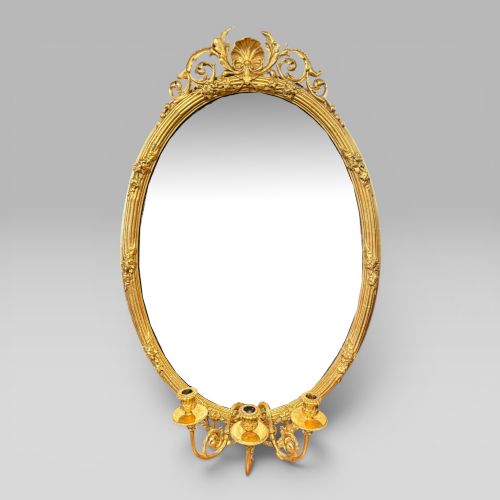
These french style girandole pieces bring reflective light and ornate charm to a room, combining mirrors with candle sconces.
French Style Girandole
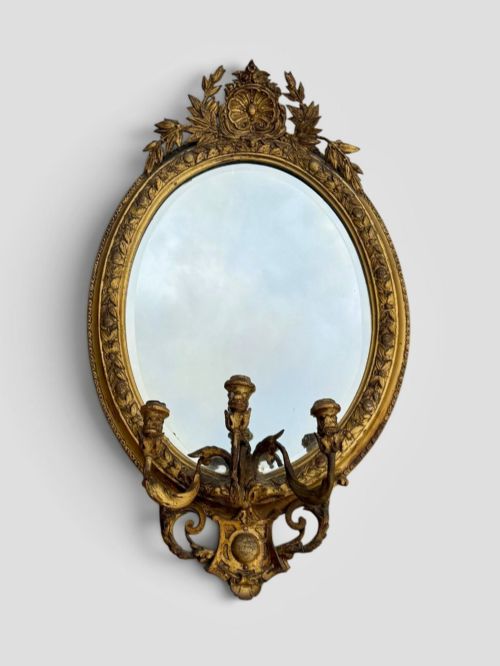
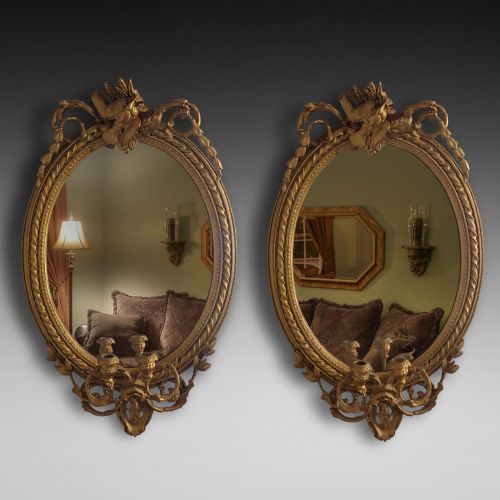
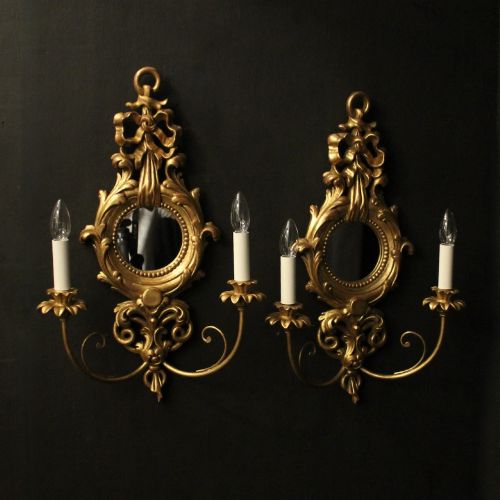
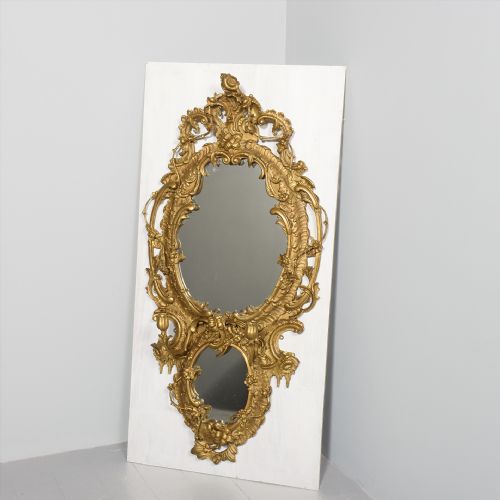
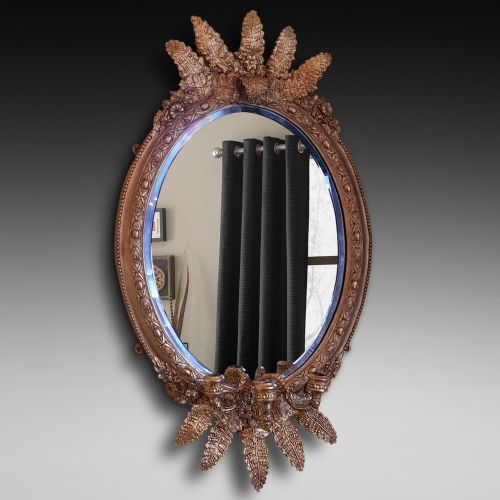
When you search for a french style girandole, you are looking at wall-mounted mirrors and sconces designed to bounce candlelight around a room. The examples on this page span the Victorian era, the nineteenth century, and the early twentieth century, taking forms from pier mirrors and oval wall mirrors to pairs of twin arm girandoles.
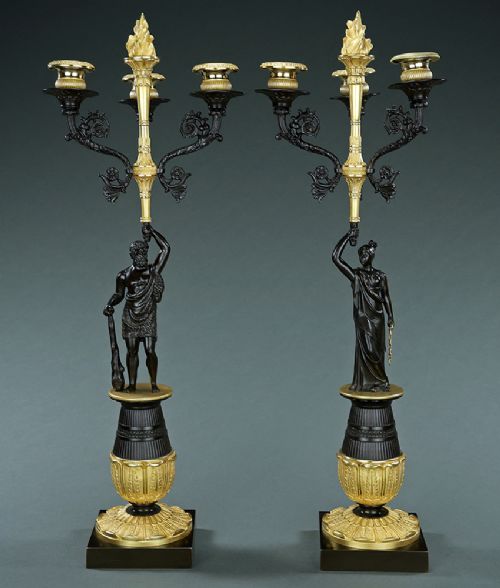
The styles range from Rococo Revival and Victorian Rococo to Louis XVI Revival and French Empire. You will find that wall mirrors with integrated candle arms predominate, alongside paired candelabras and mirrored wall sconces created in giltwood, gesso, and gilded brass.
How they were made
Makers shaped these pieces using foundational materials such as wood, gesso, glass, and metal. Giltwood and carved giltwood provide the primary structure for many of the mirrors, often enhanced with applied gesso to build up ornate relief decoration.
Hercules and Hesione occasionally attend the lighting arrangements.
What varies in quality
The depth and crispness of the carving distinguish finer examples of giltwood and gesso frames from simpler productions. Richness in the application of the gilding and the weight of the underlying materials alter the presence of the piece on the wall.
The integration of the candle arms with the mirror frame determines the success of the design. Superior pieces display harmonious proportions between the reflective glass and the branching metal sconces.
The French Style Girandole Glossary
- Girandole
- A branched candleholder, often taking the form of a wall mirror with attached sconces designed to reflect the flame. This dual function defines the category.
- Giltwood
- Wood that has been covered with a thin layer of gold leaf or gilt paint. It is a defining finish for nineteenth-century decorative frames.
- Gesso
- A plaster-like mixture applied to wood bases and carved before gilding. This material allows for intricate relief ornamentation.
- Pier mirror
- A tall mirror designed to hang on the wall between windows. These often incorporate candle arms in girandole configurations.
- Rococo
- A decorative style characterised by asymmetrical scrollwork and natural motifs. It heavily influences nineteenth-century revival frames.
French Style Girandole: Frequently Asked Questions
What is a french style girandole?
A french style girandole is a decorative wall mirror featuring integrated candle arms designed to hold tapers and reflect light. These pieces combine functional illumination with ornate frames.
They appear in various revival styles, particularly Rococo and Louis XVI, using materials like giltwood, gesso, and brass.
How were girandoles used originally?
Originally, these objects hung on walls to multiply the flickering light of candles before electricity became common. Placing them opposite windows or fireplaces maximised illumination in a room.
The reflective glass and metal sconces worked together to brighten dark corners during evening gatherings.
Where should I hang a girandole mirror?
These mirrors suit spaces where reflected light and decorative presence enhance the room, such as above a mantelpiece or on a principal wall. Pairing them symmetrically creates a formal arrangement.
Ensure the wall construction supports the weight of carved wood, gesso, and metal components safely.
How do I distinguish Victorian from Louis XVI styles?
Victorian interpretations often lean towards heavy Rococo Revival scrollwork and ornate gesso moulding. Louis XVI revival pieces tend to display more restrained classical symmetry.
Examining the underlying materials and carving style helps clarify the specific design period of the piece.