


Cabriole Leg Vitrine Cabinet
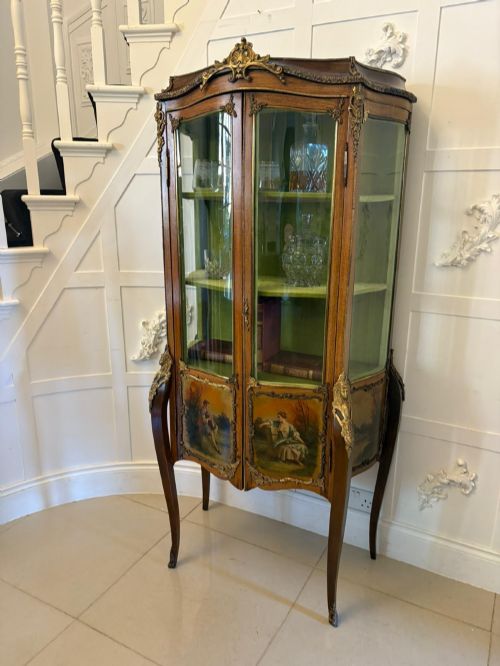
A cabriole leg vitrine cabinet brings together curved wooden supports and glazed display space to hold precious objects.
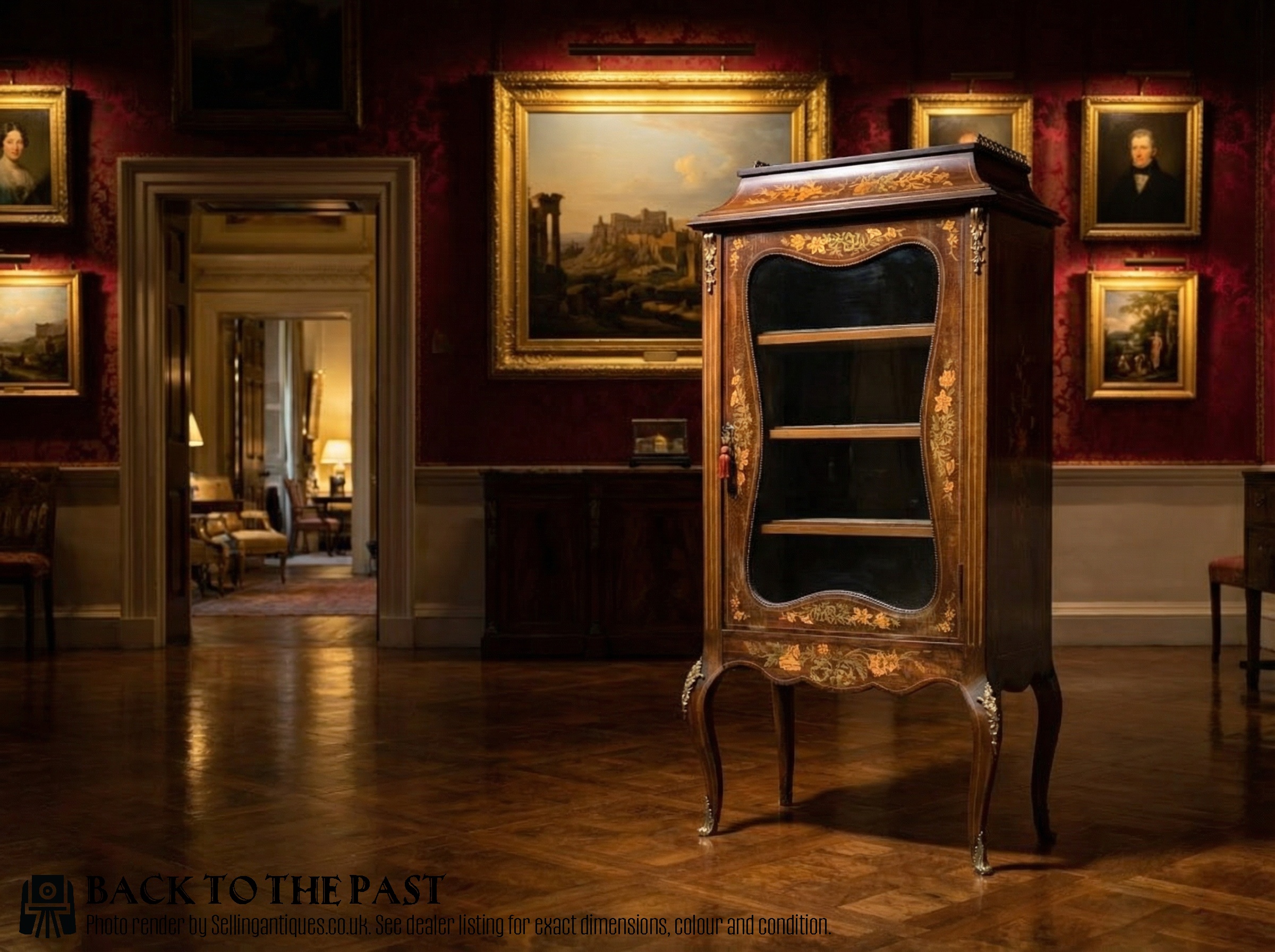
Cabriole Leg Vitrine Cabinet
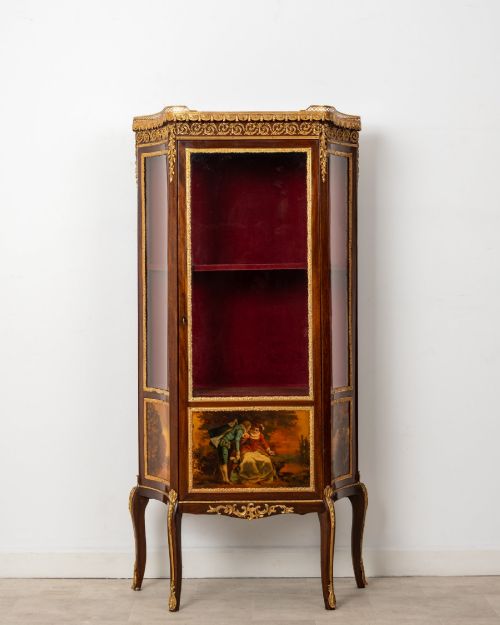
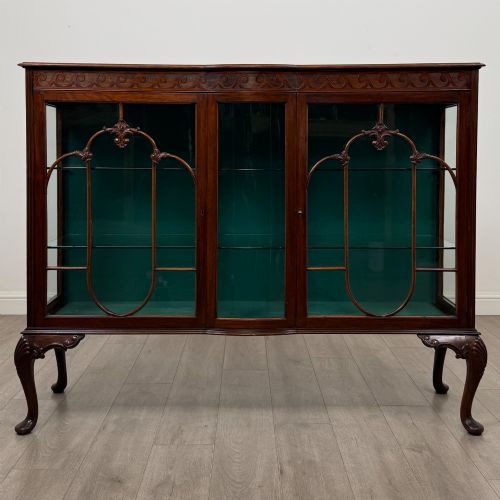
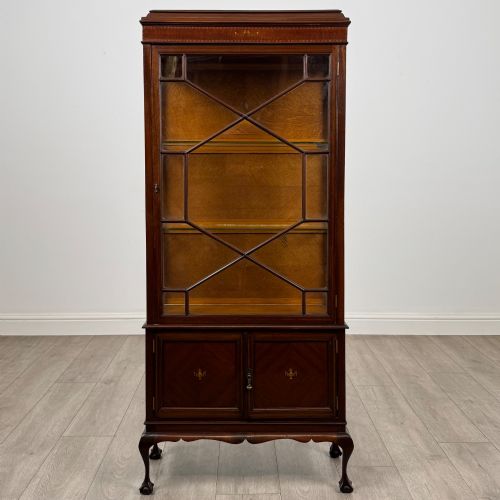
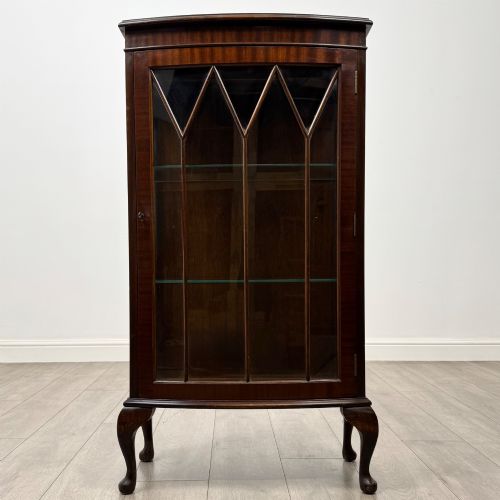
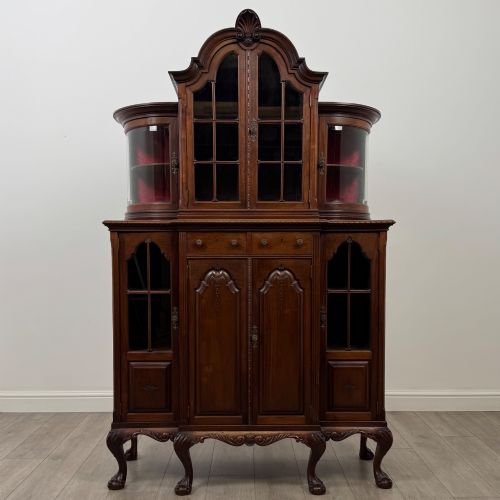
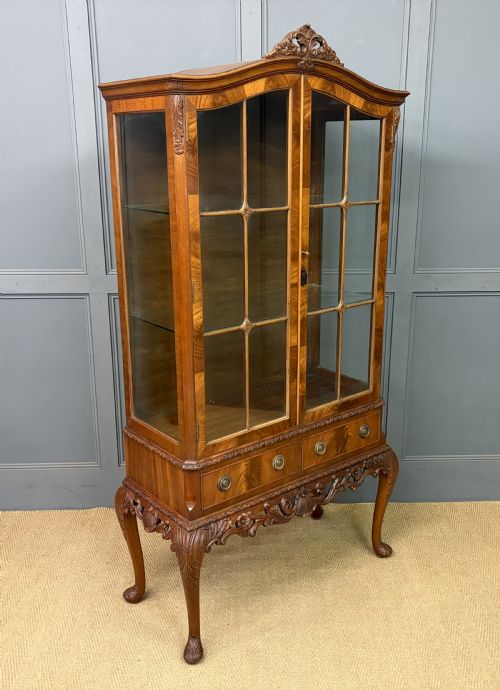
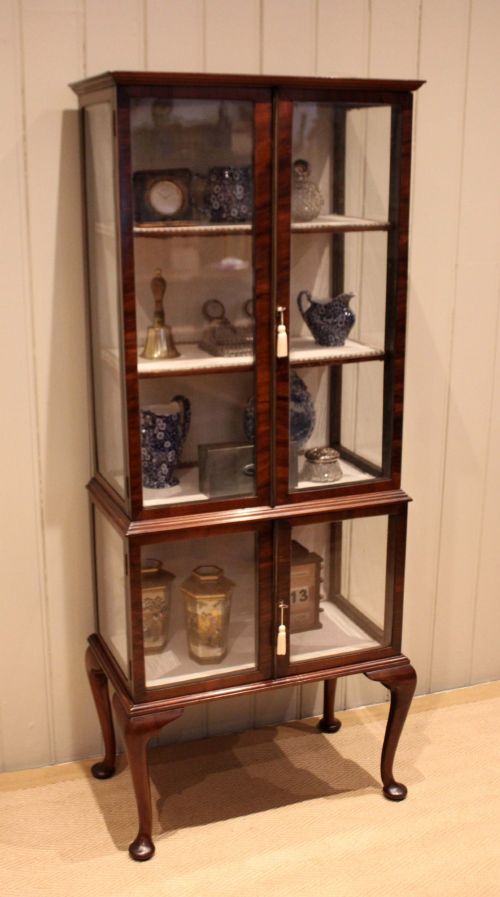
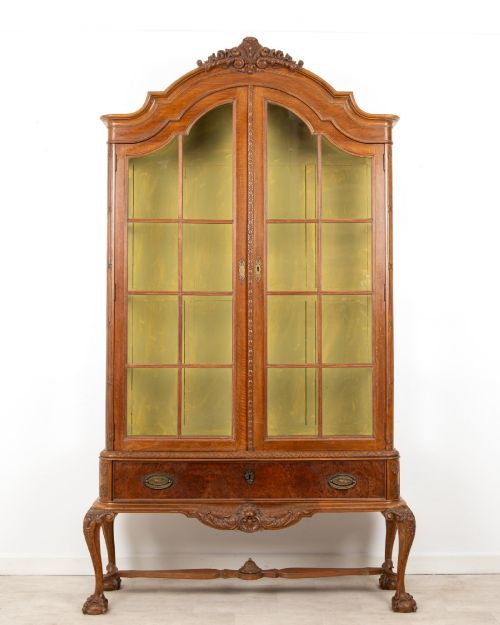
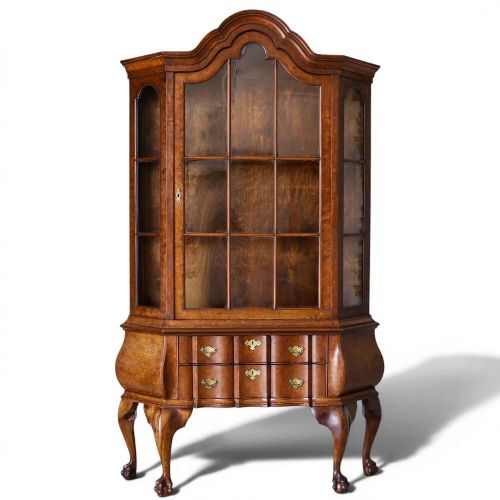
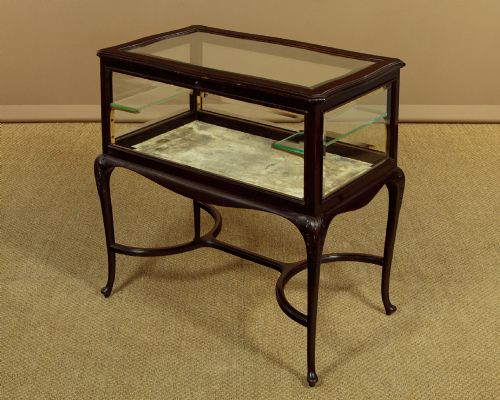
A cabriole leg vitrine cabinet combines a glazed display enclosure with slender, curved legs that sweep outward and inward. These pieces range from upright floor-standing display cabinets to low bijouterie tables with glass tops designed for tabletop viewing.
The selections here draw heavily from the Edwardian period and the nineteenth century, alongside examples from the 1920s and 1930s. Mahogany and walnut form the structural backbone of these cabinets, often enhanced by glazed panels for viewing contents from multiple angles.
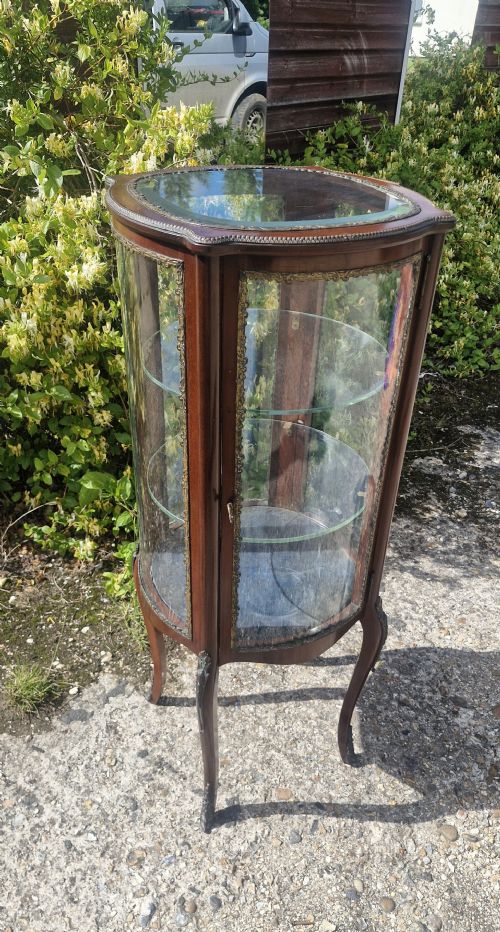
Makers frequently turned to revival aesthetics, adopting Louis XV style, French Rococo, and Queen Anne Revival designs. Buyers frequently encounter Edwardian mahogany display units and French-influenced vitrines resting on characteristic curved supports.
How they were made
Cabinetmakers constructed the frames using solid timbers such as mahogany and walnut, frequently applying fine veneers including kingwood and burr walnut across flat and curved surfaces. Glass panels were integrated into timber doors and sides to enclose the display space securely.
Metal mounts in brass, gilt bronze, and ormolu were cast and applied to corners, frames, and legs to accentuate the contours of the furniture. Interior spaces were frequently lined with velvet or other fabrics to cushion small objects.
The signature cabriole legs required careful shaping from timber blanks, following traditional joinery methods to ensure stability beneath heavy glazed upper sections.
Listings feature periods spanning from the eighteenth century to the 1930s, constructed predominantly in mahogany and walnut with glass and brass elements.
What varies in quality
Quality rests in the precision of the timberwork and the crispness of the applied metal mounts. Finer cabinets display seamless veneer matching across curved fronts and tight joints where glazed frames meet the main body.
The integration of decorative elements distinguishes standard production from superior examples. Hand-chiselled ormolu mounts and intricate parquetry work demonstrate a higher standard of workshop execution than mass-produced alternatives.
Maple & Co.·Paul Sormani·Epstein
The Cabriole Leg Vitrine Cabinet Glossary
- Vitrine
- A glass-fronted cabinet designed for displaying fine porcelain, curiosities, or books. These pieces usually feature large glazed panels to maximise visibility.
- Cabriole leg
- A furniture support that curves outward at the knee and tapers inward at the ankle, ending in a pad or scroll foot. This form derives from classical Chinese furniture and gained widespread popularity in European design.
- Bijouterie table
- A low display table with a glazed top and often a glazed or fitted interior tray. These were used in drawing rooms to exhibit small jewellery, medals, and trinkets.
- Ormolu
- Gilt bronze ornamentation applied to furniture, cast and chased to produce sharp decorative details. The technique involves coating bronze with a mercury-gold amalgam and heating it.
- Parquetry
- Geometric wood mosaic work used for decorative flooring or cabinet surfaces. Artisans arrange contrasting veneers in repeating patterns like diamonds or cubes.
Cabriole Leg Vitrine Cabinet: Frequently Asked Questions
Where should I place a display cabinet at home?
These cabinets suit reception rooms, drawing rooms, and hallways where natural light can pass through the glass panels. Positioning them away from direct sunlight protects interior fabric linings and sensitive items from fading.
Ensure the floor surface is level so the weight of the glazed structure rests evenly across all four cabriole legs.
How do I care for fabric-lined interiors?
Vacuum velvet and fabric linings gently using a soft brush attachment to remove dust accumulation without damaging the textile fibres. Avoid liquid cleaners on interior surfaces, as moisture can warp underlying timber panels and stain older fabrics.
Keep the glass clean using standard non-abrasive glass cleaner applied to a cloth rather than sprayed directly onto the cabinet frame.
How do I identify a revival style cabinet?
Revival pieces incorporate decorative motifs and structural forms borrowed from earlier centuries, such as eighteenth-century French or English reigns. Look for characteristic details like ormolu mounts, serpentine fronts, and specific leg profiles that imitate earlier periods.
Examining the construction methods, wood age, and hardware helps distinguish an authentic revival piece from later reproductions.