



Cabriole Leg Plant Table
A cabriole leg plant table lifts greenery into the room on curving supports that bring a refined French rhythm to Victorian and Edwardian interiors.
Cabriole Leg Plant Table
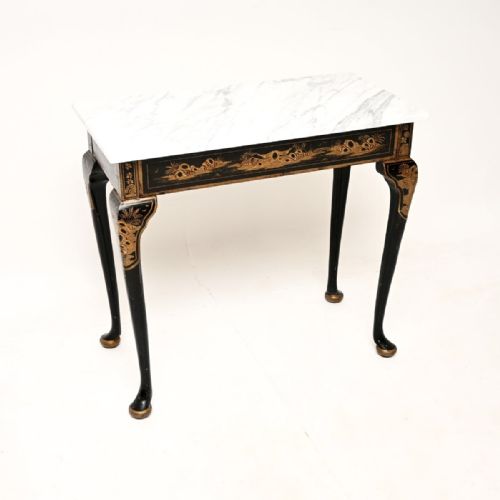
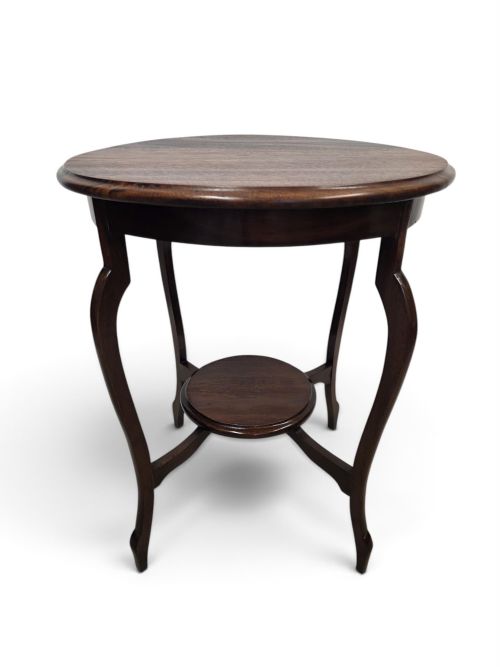
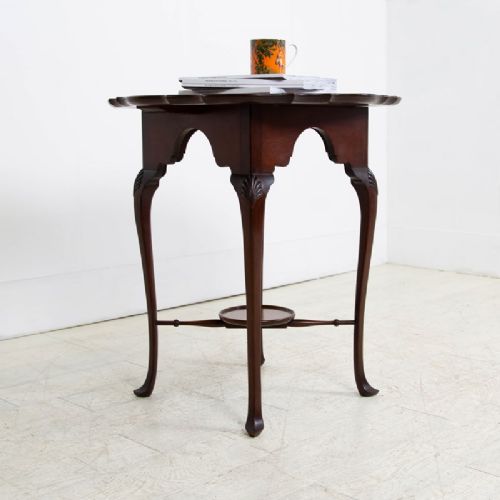
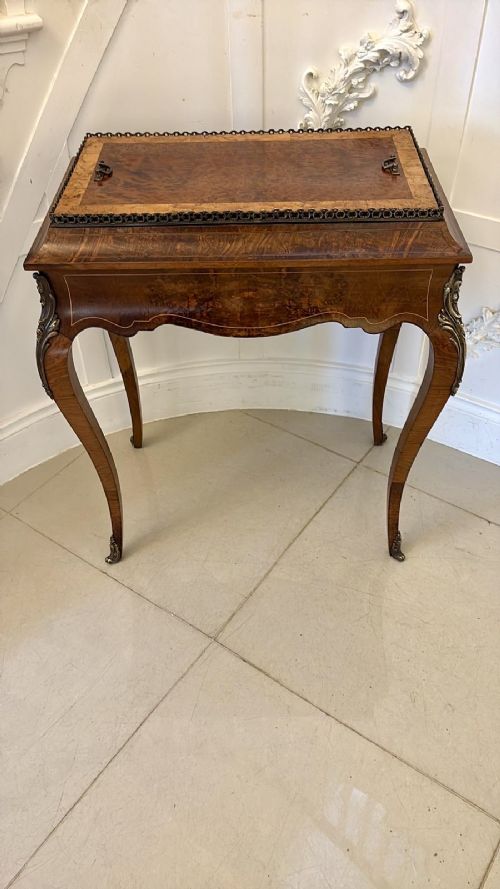
A cabriole leg plant table serves primarily to display potted plants, jardinières and floral arrangements at a convenient height, functioning as a dedicated stand within a reception room or hall. These pieces bridge the gap between practical horticulture and formal furnishing, often doubling as lamp tables or occasional surfaces for small decorative objects.
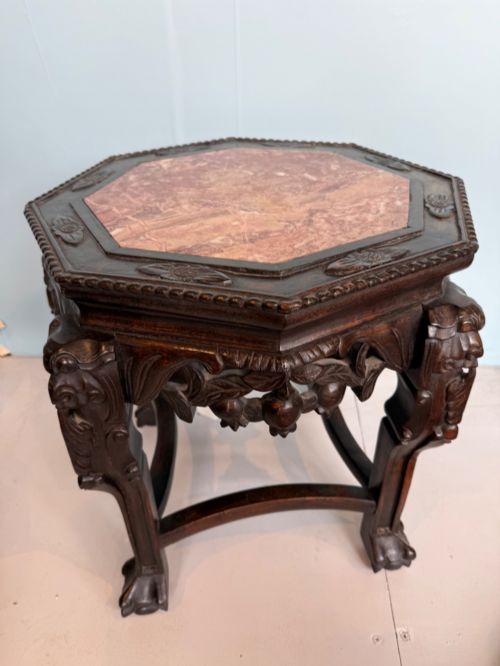
The versions most commonly met span the Victorian and Edwardian periods, stretching from the mid-nineteenth century into the early twentieth century. They draw heavily upon Louis XV styling, French revival tastes, and Chinese export designs, reflecting a nineteenth-century penchant for exoticism and continental curves.
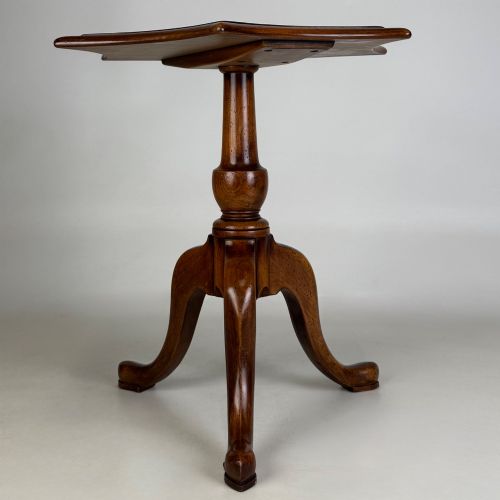
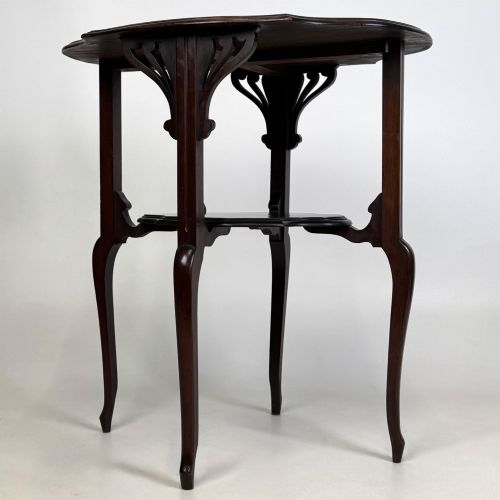
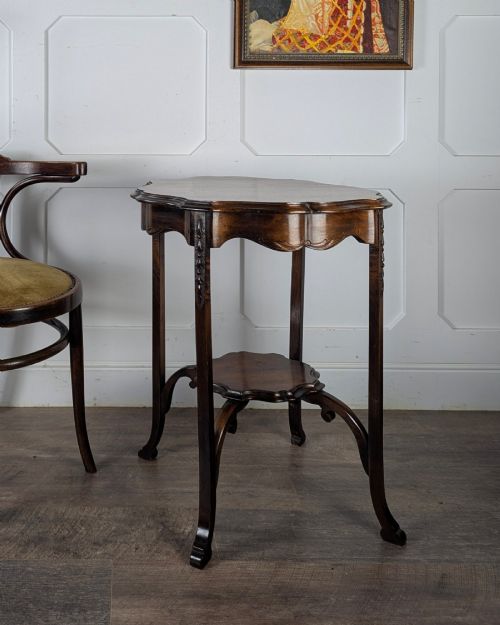
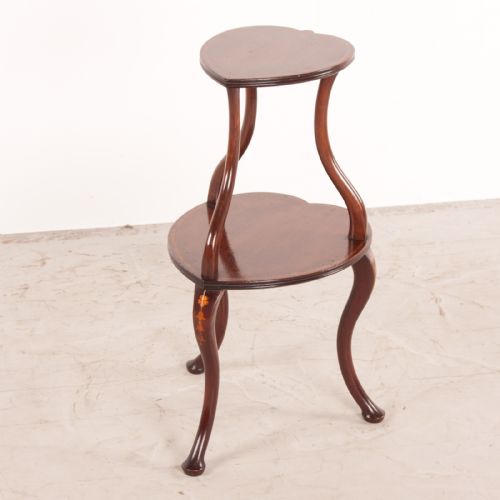
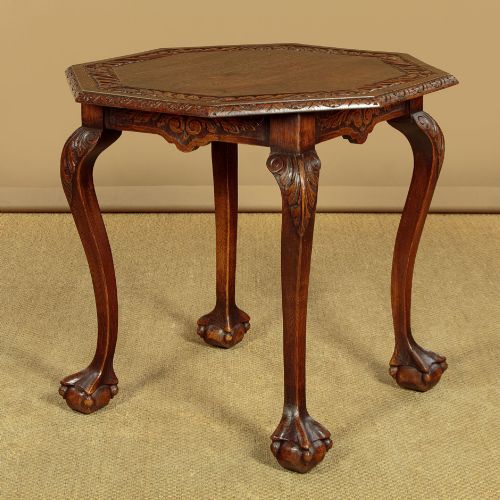
Forms vary from circular and heart-shaped two-tier occasional stands to deep-bowled jardinière tables equipped with removable planters and metal liners. Pedestal stands and torchiere-style plant holders also appear alongside square and rectangular side tables sharing the characteristic curving leg.
Materials and Construction
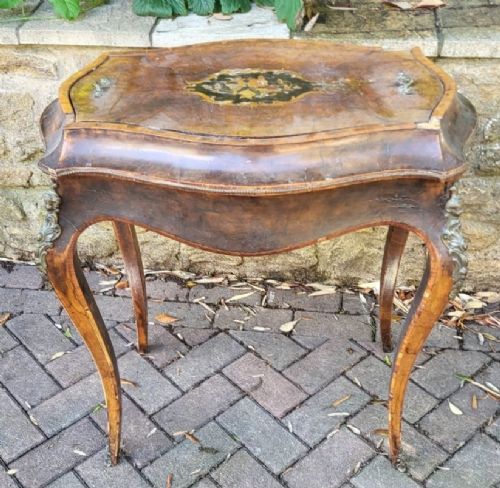
Cabinetmakers utilised rich timber stocks including mahogany, walnut, burr walnut, satinwood, kingwood and assorted hardwoods, frequently enhancing flat surfaces with marquetry inlay or dark lacquered finishes. Structural integrity relied on traditional joinery to support the weight of damp soil, heavy porcelain planters and marble inserts.
Marble tops in white, rouge and dark varieties provide a water-resistant surface designed to withstand occasional spillages from watering plants. These stone inserts are often fitted neatly into rebated wooden frames or surrounded by cast or chased ormolu mounts.
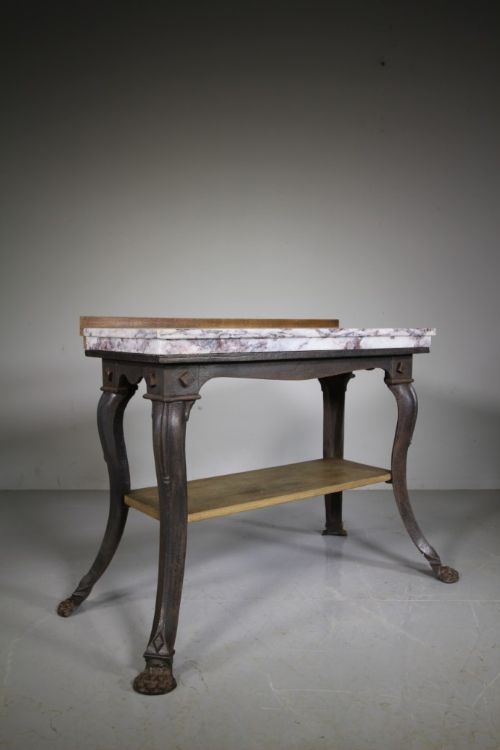
Ormolu mounts, brass galleries and inset porcelain plaques decorate the more ornate French-influenced examples, while Asian imports showcase intricate hand-carving in dense hardwoods. Iron framework occasionally supports stone or timber tops in industrial or utilitarian nineteenth-century variants.
Quality Variations
The grade of a piece rests heavily upon the selection of timber veneers, such as richly figured burr walnut or dense mahogany, and the crispness of any hand-carved detailing along the knees and feet of the cabriole legs. Smoother, more organic sweeps in the woodwork indicate a more accomplished hand at the workbench.
Fittings and hardware distinguish standard production from superior output, visible in the heavy weight of gilt ormolu mounts, the polish of inset porcelain plaques, and the secure fit of removable metal liners inside jardinière sections. Intricate marquetry work executed with precision lines further separates the finer workshop output from simpler domestic tables.
Shapland and Petter
The Cabriole Leg Plant Table Glossary
- Cabriole leg
- A furniture support that curves outward at the knee and tapers inward toward the ankle, imitating the bend of an animal's leg. This form originates from classical design and gained massive popularity during the Louis XV period.
- Jardiniere
- An ornamental stand or container specifically designed to hold growing plants or flowers. These often feature waterproof metal liners or removable trays to protect the surrounding timber.
- Ormolu
- Gilded bronze or brass applied as decorative mounts to furniture. It provides a bright metallic contrast against dark woods such as mahogany, kingwood and walnut.
- Marquetry
- The art of applying decorative pieces of veneer to a structure to form intricate patterns and pictures. Craftsmen utilise various coloured woods to achieve tonal depth.
- Torchiere
- A tall, slender stand or pedestal originally intended to hold a torch or lamp. In plant furniture contexts, it elevates a single pot to eye level.
Cabriole Leg Plant Table: Frequently Asked Questions
What is a cabriole leg plant table?
A cabriole leg plant table is a specialised piece of furniture designed to hold potted plants and floral arrangements off the floor. It relies on curving, animal-inspired legs to provide both stability and decorative grace.
These tables frequently incorporate stone, marble, or metal-lined tops to protect the underlying timber from water damage and soil. They bridge the gap between practical garden care and indoor domestic display.
How were these tables used originally?
Victorians and Edwardians used these stands to bring live greenery, ferns, and flowering plants directly into parlours, drawing rooms, and entrance halls. The elevated position protected delicate floor coverings from moisture while showing off prized botanical specimens.
Beyond holding plants, many examples doubled as lamp tables, tea surfaces, or decorative display points for porcelain and ornaments. Their versatile proportions allowed them to fit easily into corners or beside seating.
How do I care for a marble top table?
Marble surfaces require gentle cleaning with a damp cloth and neutral soap, avoiding acidic household cleaners that can etch the polished stone. Although marble handles moisture well, wiping away standing water promptly prevents ring marks.
When placing heavy pots or jardinières on the stone, use protective pads underneath to prevent scratching. Regular dusting keeps the natural grain and colour of the marble looking clear.
How do I distinguish French revival from Victorian examples?
French revival pieces often feature gilt ormolu mounts, intricate kingwood or burr walnut veneers, and porcelain plaques influenced by Louis XV tastes. They lean toward exuberant curves and decorative metalwork.
Victorian and Edwardian British pieces frequently utilise solid mahogany or walnut, sometimes incorporating Asian-inspired carving or simpler two-tier shelving. Examining the timber choice and hardware style usually reveals the workshop origin.