




Antique French Plant Holder
These antique french plant holder pieces bring botanical displays indoors with genuine nineteenth-century grace.
Antique French Plant Holder
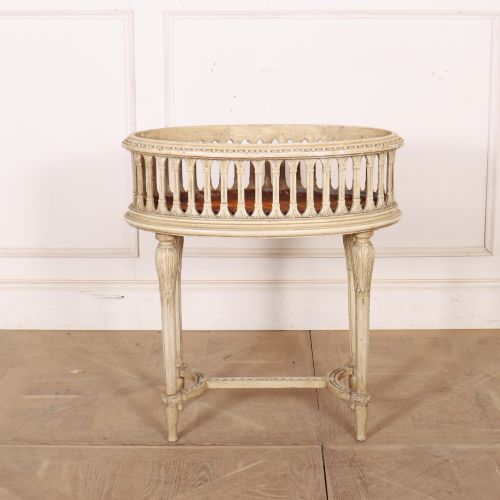
When you search for an antique french plant holder, you encounter sophisticated vessels designed to display foliage and flowers within domestic interiors. These decorative receptacles range from substantial floor-standing jardiniere units to smaller tabletop planters created to elevate greenery.
The selections on this page primarily showcase nineteenth-century craftsmanship, drawing upon distinct periods such as the Victorian and Edwardian eras alongside Louis XV and Louis XVI stylistic revivals. Walnut, burr walnut, kingwood, and olive wood frequently form the primary bodies of these stands.
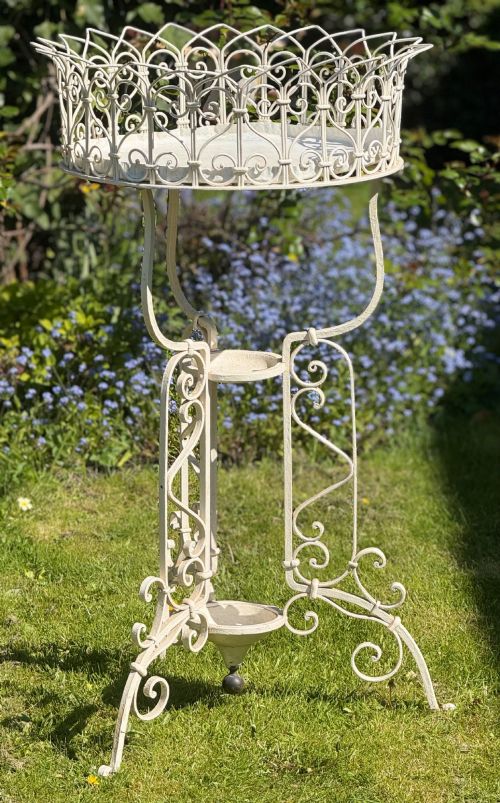
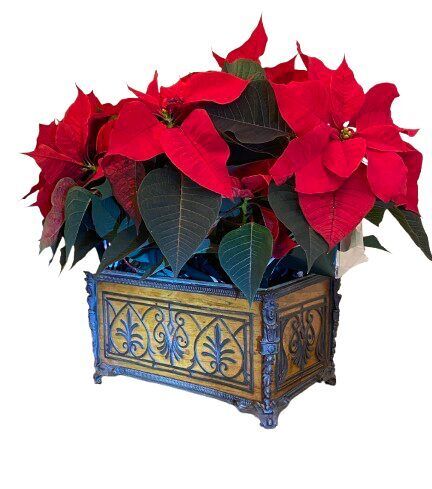
Many examples incorporate metal elements, pairing wrought iron, cast iron, brass, or ormolu mounts with traditional wooden structures. Wirework conservatory plant stands and earthenware designs further expand the variety of forms available to collectors.
Materials and construction methods
Cabinetmakers utilised fine timber veneers including burr walnut and kingwood over solid carcases, often shaping the wood to follow flowing Louis XV and Louis XVI profiles. Skilled metalworkers cast or wrought iron and brass to form structural supports, stands, and decorative mounts.
Surface ornamentation involved intricate applications such as ormolu mounts, bronze mountings, and specialised lustre glazes on earthenware components. Cane work and painted finishes added further textural contrast to structural wirework and wooden planter bodies.
The documented styles include Victorian, Edwardian, Louis XV, Louis XVI, French Restauration, Napoleon III, French Rococo Revival, and Art Nouveau.
Assessing quality in plant holders
Quality reveals itself in the precision of the timber veneering and the crispness of cast ormolu and brass mounts. Superior pieces display harmonious proportions between the planter vessel and its supporting stand.
The refinement of decorative details, from hand-wrought wirework to specialised ceramic glazes, separates standard utilitarian items from exceptional salon pieces. Integration of mixed materials requires exact joinery to ensure stability and lasting aesthetic appeal.
Clement Massier
The Antique French Plant Holder Glossary
- Jardiniere
- A large ornamental pot or stand for holding plants or flowers. These vessels often feature decorative metal mounts or inlaid wood.
- Ormolu
- Finely ground high-carat gold-bronze applied to decorative objects. This technique creates a rich metallic lustre on metal mounts.
- Kingwood
- A dense, richly figured timber utilised in fine cabinetmaking. It frequently displays striking dark violet-brown contrasting grain patterns.
- Wirework
- Formed metal strands woven or soldered into structural frames. This technique creates lightweight yet robust plant stands suited for conservatories.
Antique French Plant Holder: Frequently Asked Questions
What is a jardiniere?
A jardiniere is an ornamental container designed specifically to hold potted plants and floral arrangements. The word derives from the French term for gardener.
These pieces function as decorative focal points within rooms, elevating greenery above floor level or serving as table centrepieces.
Where were these stands placed?
Owners typically positioned these plant holders in nineteenth-century drawing rooms, reception halls, and glazed conservatories. They allowed Victorian and Edwardian households to bring exotic outdoor foliage safely inside.
Floor-standing versions suited empty corners, while smaller tabletop vessels adorned side tables and pedestals.
How do I care for wood and metal?
Maintain wooden surfaces by dusting gently and applying appropriate wax polish sparingly to preserve the timber finish. Keep metal mounts clean with a soft dry cloth.
Protect interior liners from direct moisture contact to prevent water damage to the surrounding wood or iron framework.
How are periods identified?
Dating relies on stylistic clues such as the sweeping asymmetry of Louis XV revival forms or the geometric restraint of Aesthetic pieces. Material choices like burr walnut, kingwood, and ormolu also point toward specific nineteenth-century decades.
Construction techniques, including hand-forged ironwork and traditional joinery, further establish the manufacturing era.