






French Indoor Planter
A French indoor planter brings botanical display indoors with the grace of the chateau and the precision of nineteenth-century cabinetmaking.
French Indoor Planter
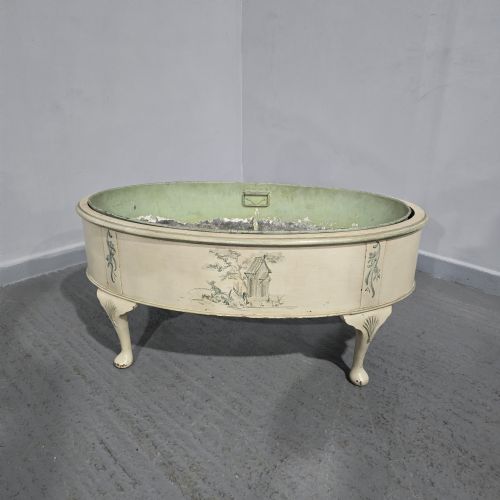
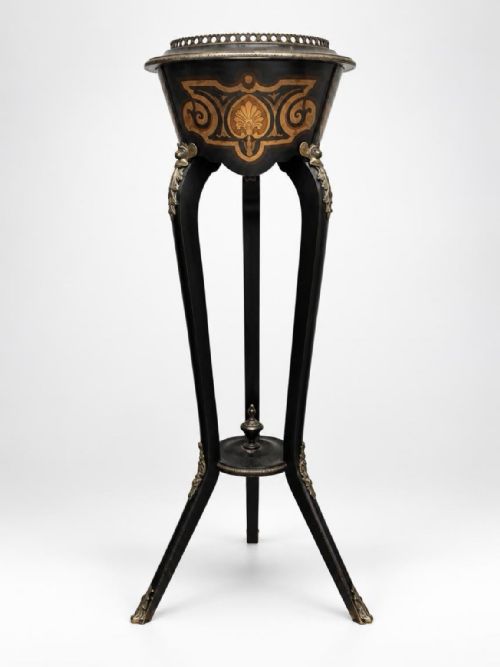
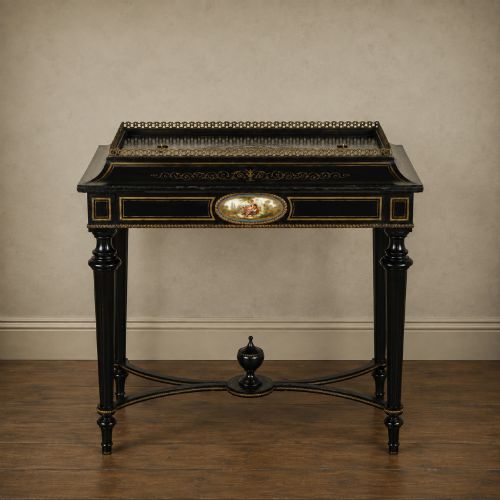
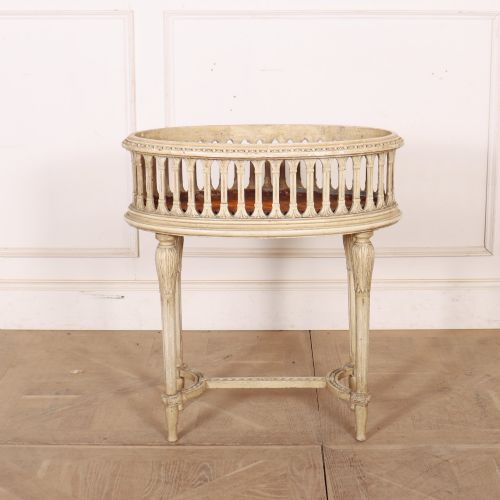
When you search for a French indoor planter, you encounter a refined class of nineteenth-century jardinieres, jardiniere tables, and planter stands designed to hold botanical arrangements within domestic interiors. These vessels range from elaborate Napoleon III ebonised stands with painted porcelain plaques to modest walnut and mahogany planters.
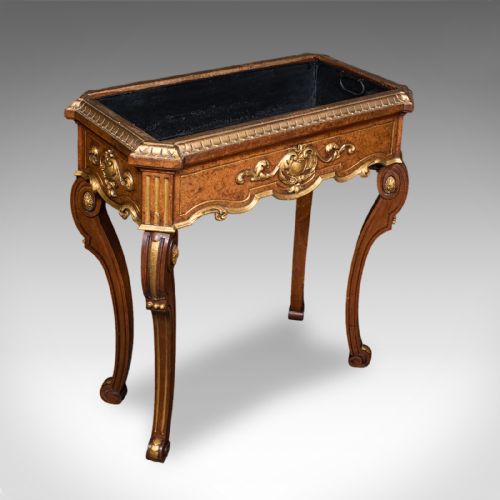
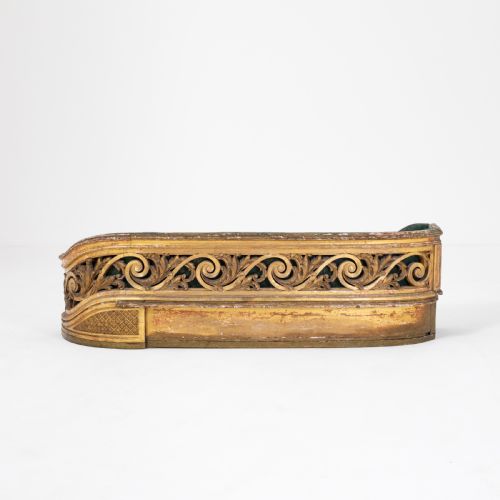
The objects appear in various forms, including lift-off lid boxes, freestanding tables, and carved giltwood or gessoed stands. They draw upon styles such as Louis XV, Louis XVI, Napoleon III, and French Empire, reflecting historical revivals that dominated the nineteenth century.
On this page, you meet pieces spanning the eighteenth to the early twentieth century, with nineteenth-century examples forming the core of the selection. Materials shift from rich burr walnut and kingwood to painted finishes and giltwood.
How They Were Made
Cabinetmakers utilised dense timbers like walnut, kingwood, mahogany, and satinwood, frequently applying intricate marquetry or ebonised surfaces. Carved giltwood and satinwood also feature prominently in the construction of these decorative stands.
Metalwork plays a defining structural and decorative role, with ormolu mounts, brass details, and gilt metal securing the frames. Zinc and metal liners often protect the timber interiors from moisture.
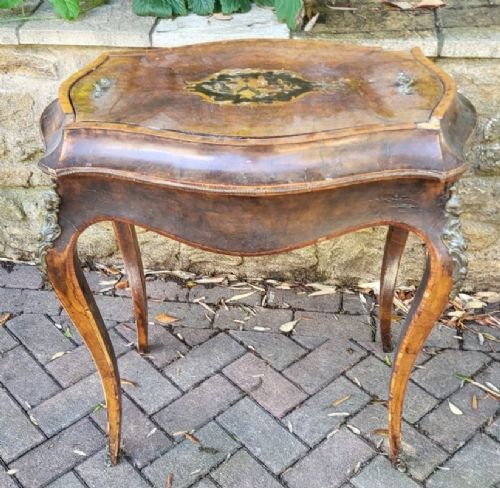
Porcelain plaques and hand-painted panels are frequently integrated into the cabinetry, particularly in Napoleon III pieces. Lift-off lids and internal partitions allow the stands to function both as display pieces and practical planters.
French Indoor Planter Retail Price Guide 2026
Typical asking prices for french indoor planter among the pieces listed under this phrase on Sellingantiques today, from the lower quarter to the upper quarter. They describe what is for sale here now, not the wider market.
Some pieces arrived with lift-off lids, letting a nineteenth-century owner instantly convert a botanical display into a tea table.
What Varies in Quality
The refinement of the cabinetry and marquetry sets individual pieces apart, distinguishing simple turned supports from deeply carved giltwood frames and precise floral inlay. Timber selection, such as figured burr walnut against standard mahogany, dictates the visual richness of the body.
The execution of the ormolu mounts and the quality of inset porcelain plaques indicate the workshop's investment in the piece. Crisp chasing on the brass or gilt metal mounts and finely painted ceramic details signal superior production.
Structural integrity rests on the preservation of internal liners, original mounts, and stable timber joints across walnut and kingwood surfaces. Pieces retaining their original lift-off lids and zinc interiors demonstrate higher survival of original components.
The French Indoor Planter Glossary
- Jardiniere
- An ornamental pot or stand designed to hold growing plants or flowers. These items often incorporate waterproof liners or lift-off lids.
- Ormolu
- Gilt bronze mounted on furniture or decorative objects. This technique involves applying a finely ground gold-mercury amalgam to bronze.
- Marquetry
- Decorative veneer patterns applied to wood surfaces using thin slices of various timbers. Cabinetmakers use this method to create floral or geometric motifs.
- Napoleon III
- A nineteenth-century French design period known for eclectic revivals of Louis XIV, Louis XV, and Louis XVI styles. It frequently employs ebonised finishes and porcelain plaques.
French Indoor Planter: Frequently Asked Questions
What is a French indoor planter?
A French indoor planter is a decorative nineteenth-century stand, jardiniere table, or boxed vessel designed to house plants within principal rooms. They combine cabinetry with protective metal liners to display botanical arrangements safely.
These pieces draw on historical French styles such as Louis XV and Napoleon III, utilising fine timbers and metal mounts to integrate plants into formal interior decoration.
How were these planters used?
Owners placed flowering plants, ferns, or floral displays inside the waterproof liners of these stands to bring nature into drawing rooms and salons. Lift-off lids allowed the vessels to double as display tables when not holding plants.
Many examples sat on freestanding legs or low frames, positioning the greenery at comfortable viewing height within domestic spaces.
How do I identify Napoleon III planters?
Napoleon III planters often feature ebonised wood surfaces contrasted with gilt metal mounts and inset painted porcelain plaques. They frequently adopt eclectic eighteenth-century revival forms.
Cabinetmakers working in this period utilised burr walnut, marquetry, and ormolu to achieve a highly decorative finish characteristic of the Second Empire.
What woods were used in these pieces?
Cabinetmakers constructed these stands from burr walnut, kingwood, mahogany, satinwood, and ebonised timber. Marquetry details added contrasting tones and patterns.
Giltwood and carved walnut also appear frequently among the listings, particularly on pieces influenced by eighteenth-century styles.