

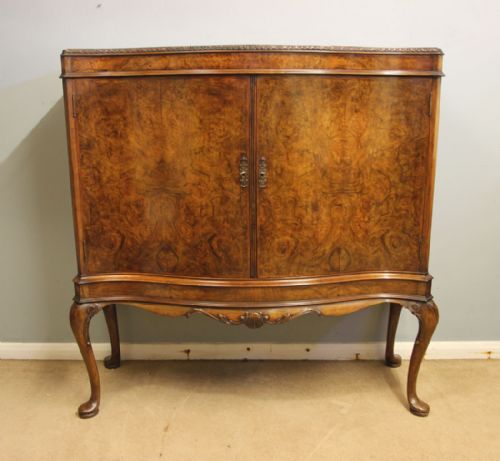


Cabriole Leg Credenza
A cabriole leg credenza offers sweeping S-curve supports beneath substantial storage forms, bringing balanced proportions and period character into a room.
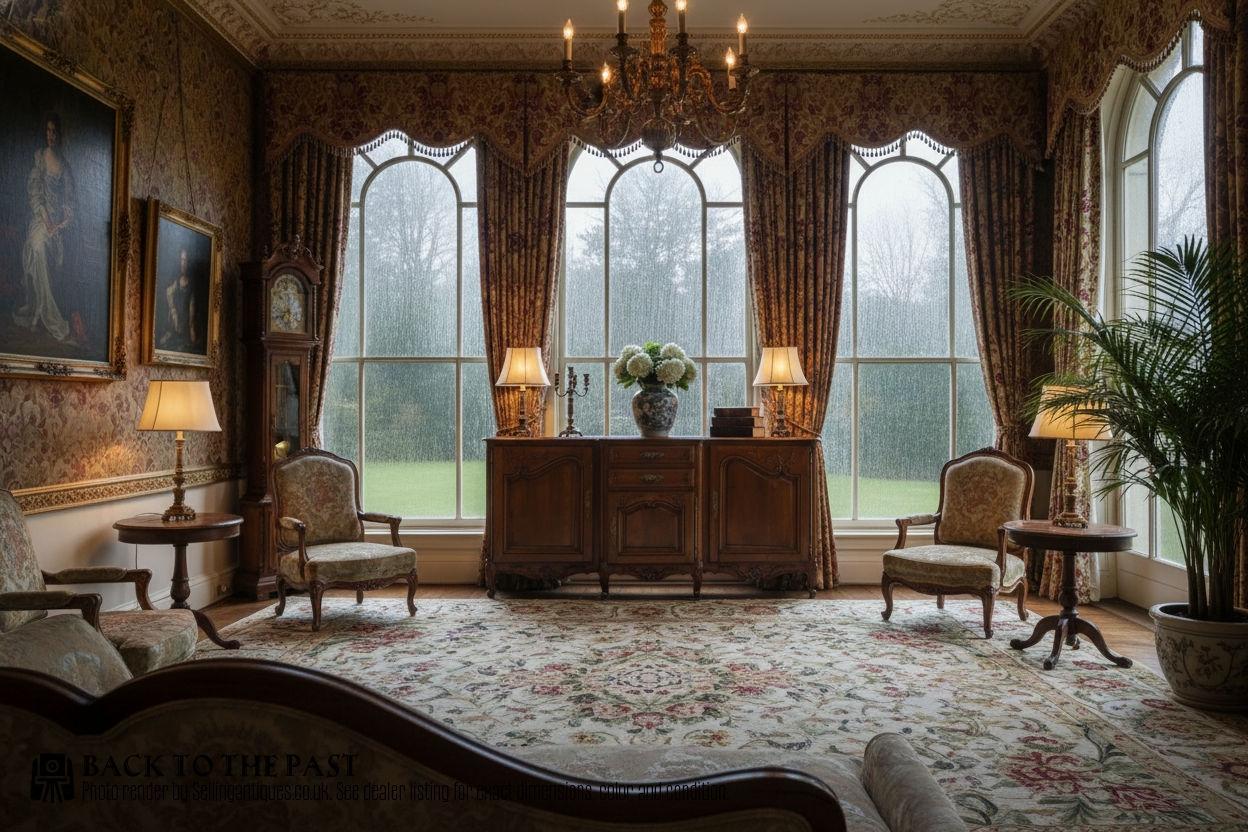
Cabriole Leg Credenza
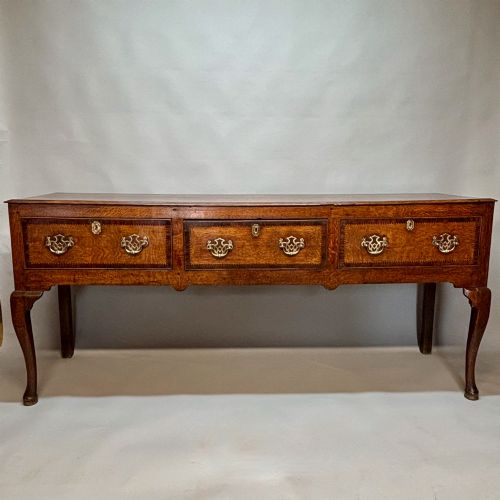
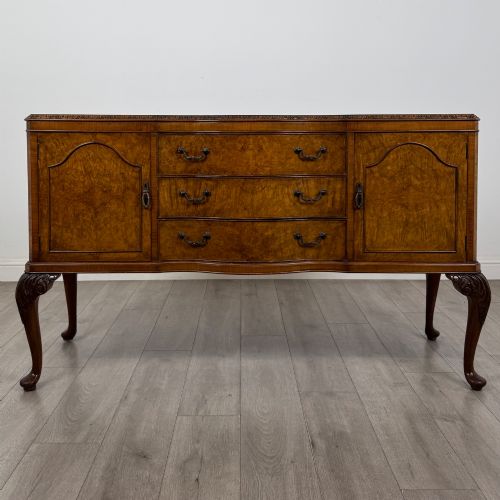
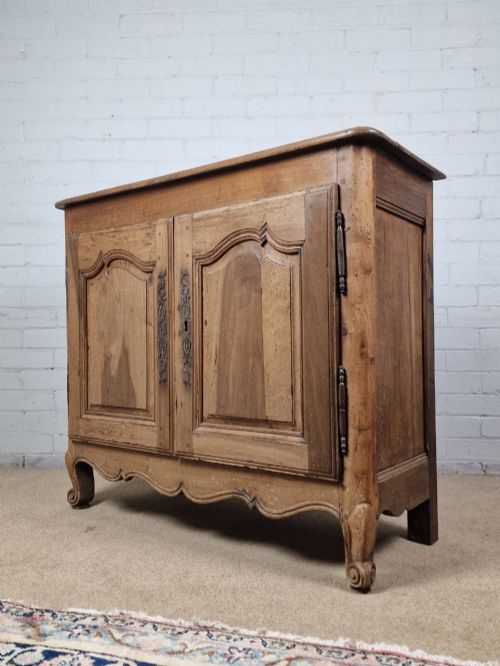
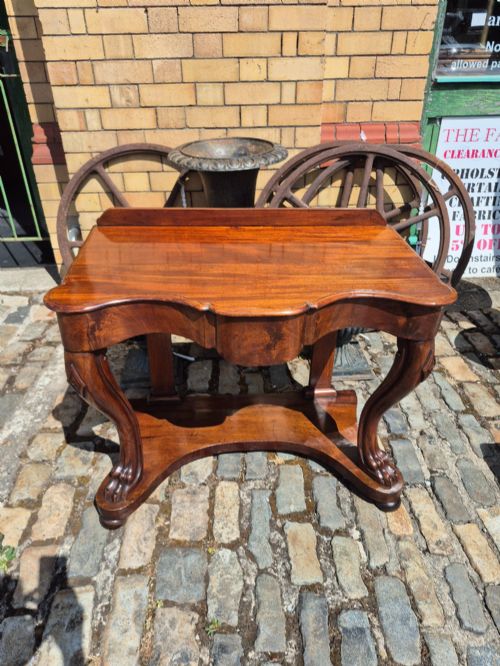
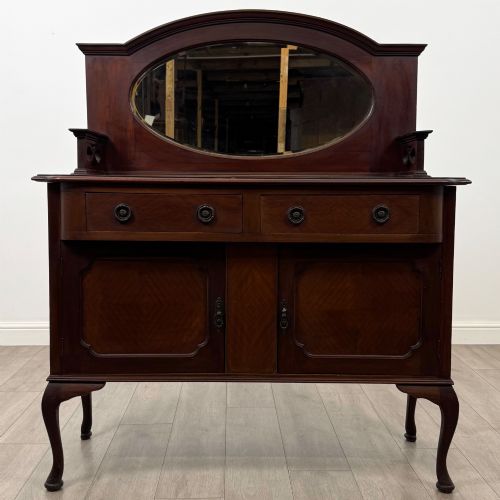
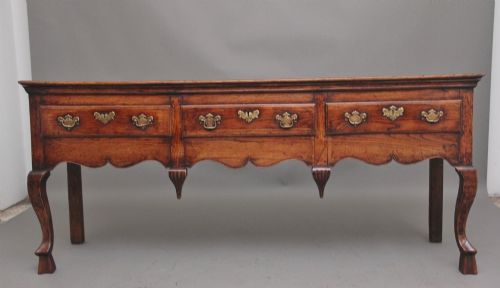
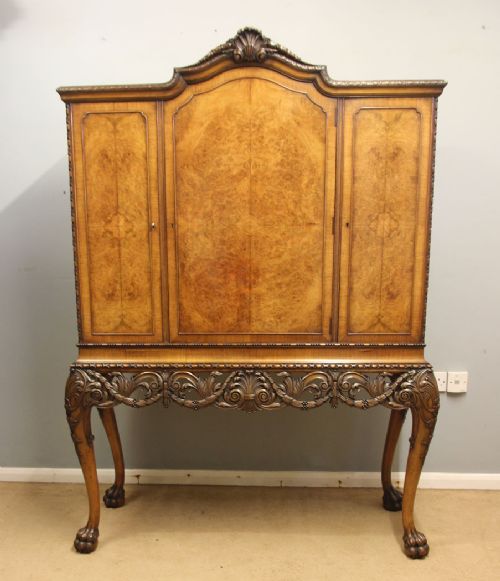
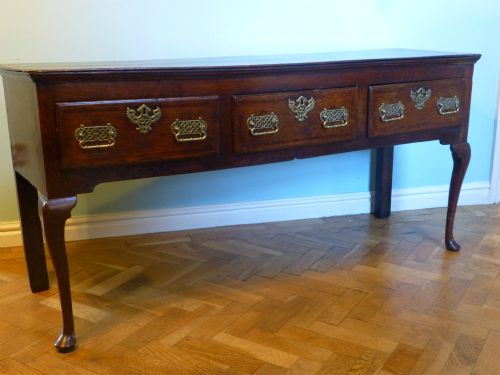
When you search for a cabriole leg credenza, you encounter a selection of large storage furniture that relies on curved supports to lift the heavy timber body. The pieces appearing here span from early oak examples to twentieth-century revivals in walnut and mahogany.
The form most frequently met combines storage cabinets or dresser bases with distinct curving legs. These items bridge formal dining room storage and decorative display use across various periods.
Origins stretch from eighteenth-century English and continental workshops through to Edwardian and interwar revivals. Each era adapts the underlying silhouette to suit contemporary tastes in domestic storage.
Materials and construction methods
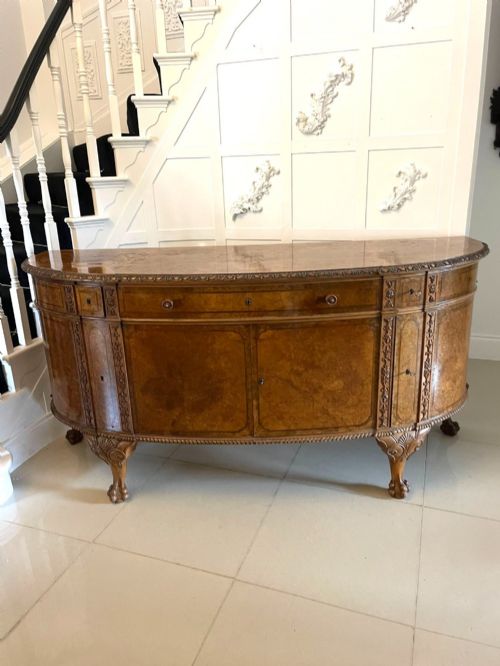
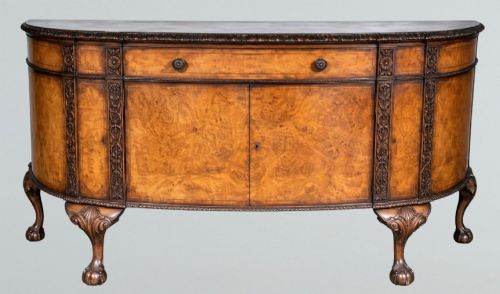
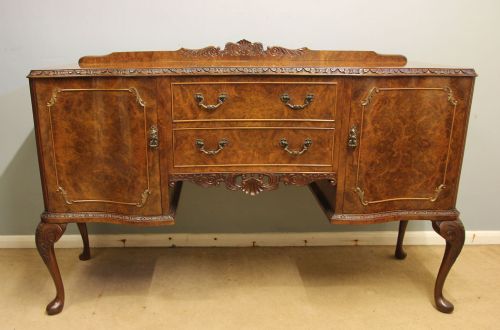
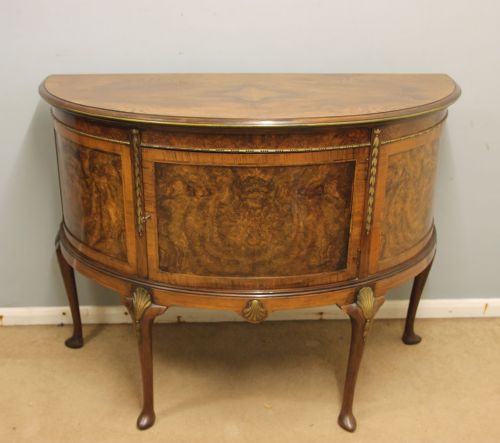
Cabinet makers constructed the primary carcases using solid timbers such as oak, mahogany, and walnut, often applying burr walnut veneer to create highly figured surfaces on doors and drawer fronts. Secondary woods provided structural stability inside the frame.
Carved details, brass hardware, and occasional marble tops or ormolu mounts complete the physical structure. The cabriole legs themselves require careful shaping from solid blocks of timber to ensure they support the weight above.
One twenty-century display cabinet carries hand-written vineyard signs from the Rhone valley.
Indicators of quality and finish
The standard of timber selection largely defines the upper tier of these pieces, particularly where matched burr walnut veneer or finely grained oak is utilised across the visible surfaces. Poorer examples rely on flat or unfigured boards with minimal grain movement.
The execution of the carved supports and the precision of the joinery mark the division between standard production and superior work. A well-proportioned leg integrates smoothly into the heavy carcase above without looking clumsy.
Hille of London·Epstein
The Cabriole Leg Credenza Glossary
- Cabriole leg
- A furniture support that curves outward at the knee and tapers inward toward the ankle, originating from animal leg forms.
- Dresser base
- A low wooden storage unit with drawers or cupboards, often predating the towering plate racks associated with later kitchen dressers.
- Burr walnut
- A highly figured wood grain obtained from walnut tree growths, sliced into thin veneers for decorative furniture fronts.
- Crossbanding
- A narrow strip of veneer applied around the border of a panel so the grain runs at right angles to the central wood.
- Commode
- A low French storage cabinet or chest of drawers standing on legs, common in eighteenth-century continental interiors.
Cabriole Leg Credenza: Frequently Asked Questions
What is a cabriole leg credenza?
A cabriole leg credenza groups together large storage units and sideboards raised on curved, S-shaped supports. These items serve as serving tables or display storage.
They bring architectural presence to a dining room or hallway while providing enclosed shelf space for household items.
How do I date a piece?
Dating relies on examining the primary timber, construction joints, and decorative style revivals. Eighteenth-century originals show hand-tooled surfaces and pegged oak framing.
Later Edwardian and twentieth-century revivals utilise machine-cut elements and distinct twentieth-century finishing techniques alongside older stylistic motifs.
Where should I place one?
These items suit dining rooms, large hallways, or living spaces where they function as serving surfaces or display cabinets. Their substantial footprint requires adequate wall space.
Keep them away from direct heat sources to protect the veneered surfaces and solid timber joints from drying out.
Are these pieces solid wood?
Construction methods vary between solid native timbers like oak and mahogany, and carcases built from secondary woods faced with decorative veneers.
Walnut versions frequently employ burr veneer over stable pine or oak subframes to showcase intricate grain patterns on the doors.