
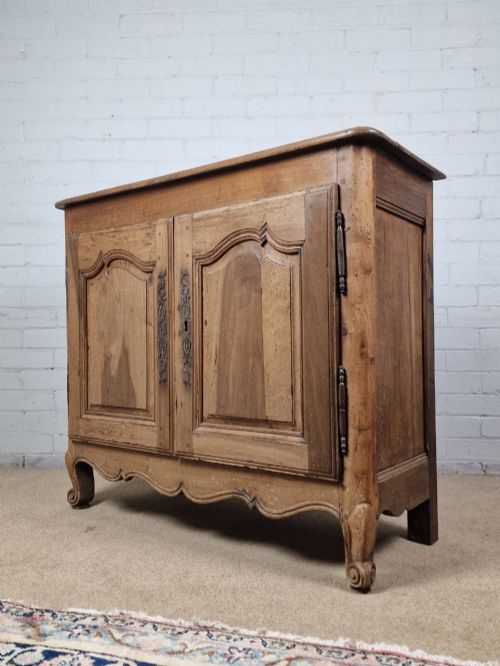
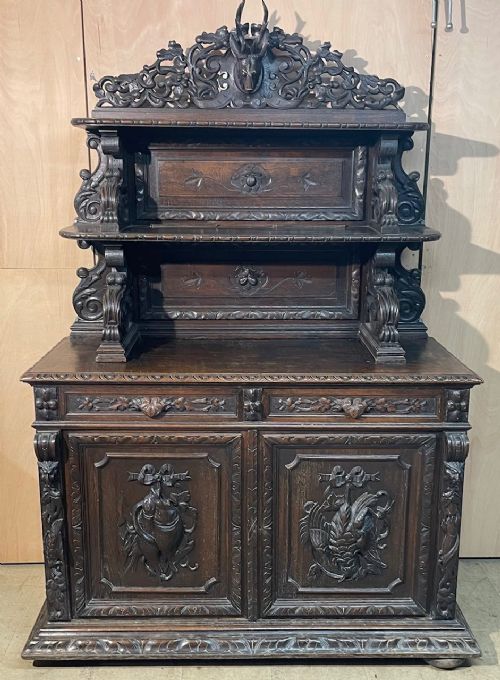
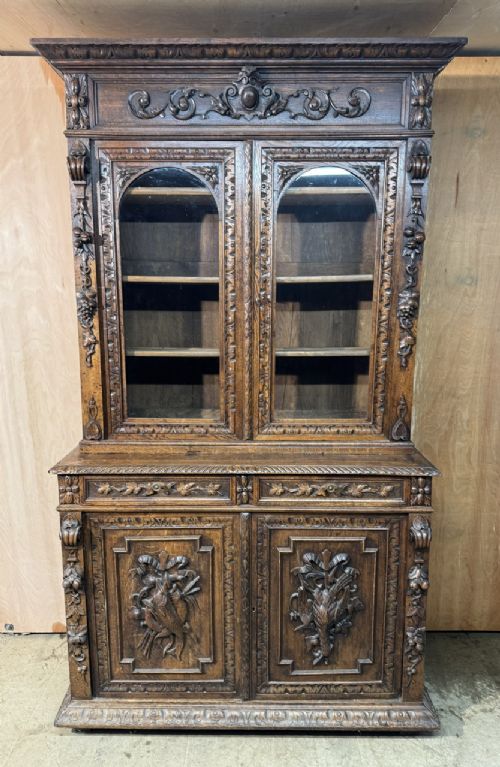
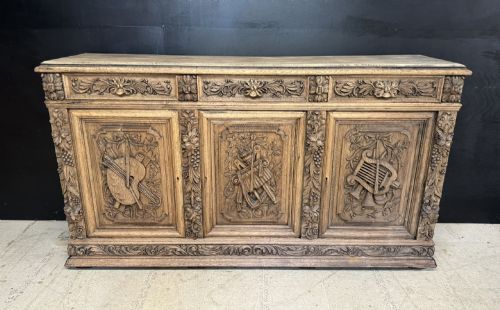




French Carved Oak Buffet
A french carved oak buffet brings substantial regional storage and deep historic character into a room.
French Carved Oak Buffet
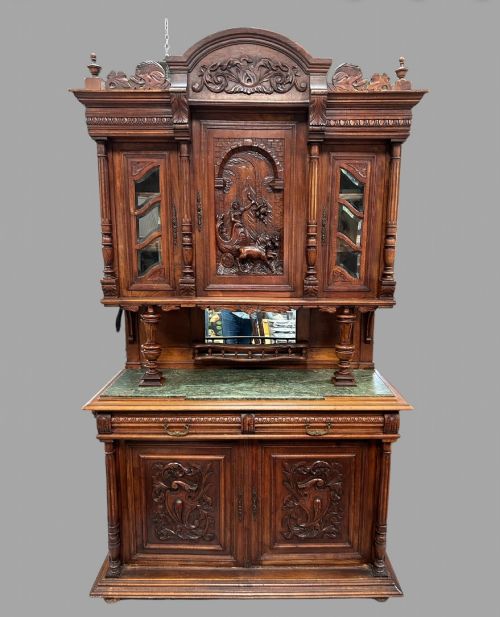
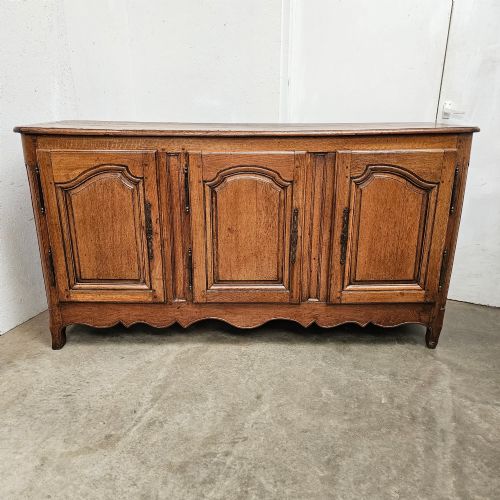
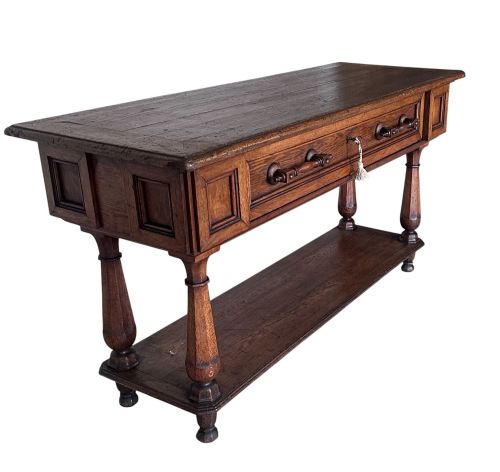
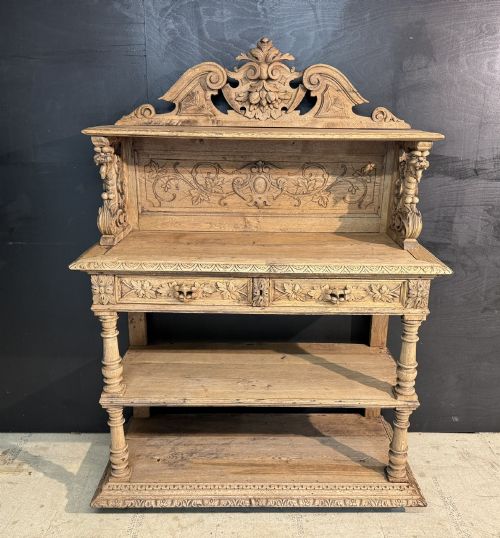
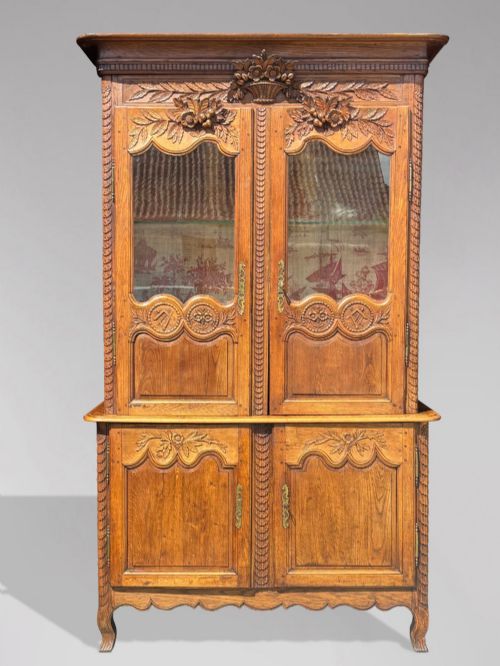
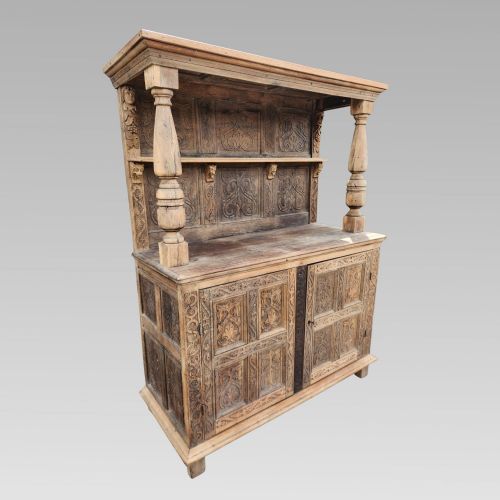
A french carved oak buffet is a heavy storage piece originating from various regions of France, typically featuring deep relief carving and sturdy timber construction. These items range from single-tier cupboards to imposing two-body designs used for holding household goods, tableware, or game. The most common examples seen on this page date from the nineteenth century, though earlier eighteenth-century provincial pieces also appear.
Makers and regional artisans built these heavy storage units to anchor a dining room or hallway, utilising durable local hardwoods. The forms incorporate panelled doors, brass or iron hardware, and decorative motifs reflecting styles such as Louis XV, Renaissance Revival, and French Provincial. Buyers encounter variations including marble tops, parquetry details, and taller buffet de corps configurations.
Materials and Construction Methods
Cabinetmakers constructed these pieces primarily using solid oak, alongside supplementary materials like walnut, chestnut, and wrought iron hardware. Timber boards were hand-planed and joined using traditional peg and mortise techniques to withstand decades of daily use. Heavy oak panels allowed carvers to chisel deep relief ornamentation directly into the structural wood.
Surface finishing involved natural wax or oil applications that highlighted the grain of the oak over time. Metal fittings such as brass hinges and iron drop handles secured heavy doors, while select later twentieth-century iterations integrated inset marble surfaces for practical food preparation.
Several game cupboards retain original slatted doors designed to keep out household pests while airing out yesterday's pheasant.
Assessing Craftsmanship and Condition
Quality in a french carved oak buffet depends heavily on the crispness and depth of the hand carving, along with the integrity of the original timber frame. Pieces with deeply undercut relief work and balanced proportions display superior artisan skill compared to simpler, flatter ornamentation. The retention of original hardware, locks, and keys also elevates the standing of an item.
Structural soundness in the joints and the smooth movement of heavy doors indicate careful historical upkeep. Alterations to the base or replaced panels diminish the integrity of provincial items, whereas untouched surfaces and honest patination reflect proper preservation.
Krieger of Paris·Charles Dudouyt
The French Carved Oak Buffet Glossary
- Buffet de Corps
- A large two-section storage piece featuring an upper cabinet stacked upon a lower sideboard base. This monumental form provided extensive storage for linens and dining provisions in substantial homes.
- Enfilade
- A long sideboard or cabinet fitted with three or more doors in a continuous line. These low storage units offered wide surface areas for serving food.
- Parquetry
- Geometric wood inlay work arranged in decorative patterns across table or cabinet tops. Artisans used contrasting timber tones to create visual depth on flat surfaces.
- Renaissance Revival
- A nineteenth-century design movement drawing inspiration from sixteenth-century classical architecture and ornament. Pieces in this style exhibit dense sculptural carving and architectural motifs.
- Provincial
- Describing furniture made in regional areas outside major capital cities, often incorporating local vernacular traditions. These items display practical utilitarian design alongside rustic regional decorative preferences.
French Carved Oak Buffet: Frequently Asked Questions
What rooms suit a french carved oak buffet?
These large storage pieces function well in spacious dining rooms, grand hallways, or large country kitchens where their deep proportions fit comfortably. They provide substantial surface area and enclosed shelving for everyday tableware or household linens.
Placement requires careful measurement of ceiling height and floor space due to the heavy timber construction and prominent cornice mouldings often found on taller two-body models.
How do I care for antique oak furniture?
Maintenance involves applying a natural beeswax polish occasionally to nourish the dry hardwood and preserve the historic surface sheen. Avoid placing the timber directly next to heat sources or in strong direct sunlight to prevent splitting.
Dusting regularly with a soft, dry cloth keeps the deep carved crevices free from dirt buildup without harming the original patination.
How can I tell an eighteenth-century piece apart from a nineteenth-century revival?
Eighteenth-century examples typically display hand- adzed or pit-sawn board marks on the interior backs and drawer linings, reflecting period workshop practices. Their carvings tend to be integrated organically into the structural panels rather than applied separately.
Nineteenth-century revival items often incorporate machine-cut elements alongside deeper, more theatrical sculptural relief reflecting historical revival tastes of the period.
Were these cabinets used only for dining storage?
While primarily built to hold tableware, serving dishes, and linens in dining spaces, regional variations served multiple domestic purposes. Game cupboards featured ventilated panels specifically designed for storing hunted fowl and meats.
Housekeeper cupboards and larder variants accommodated general household provisions, dry goods, and utilitarian kitchen equipment in rural French homes.