
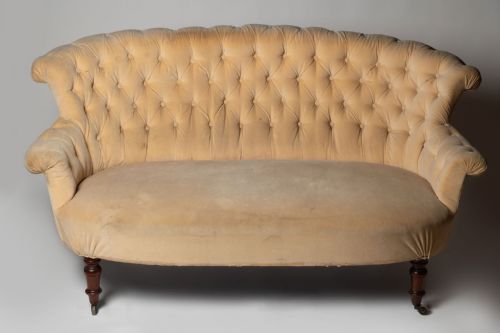
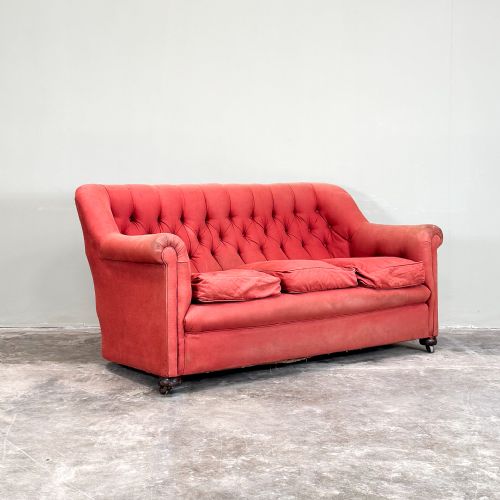


Buttoned Velvet Sofa
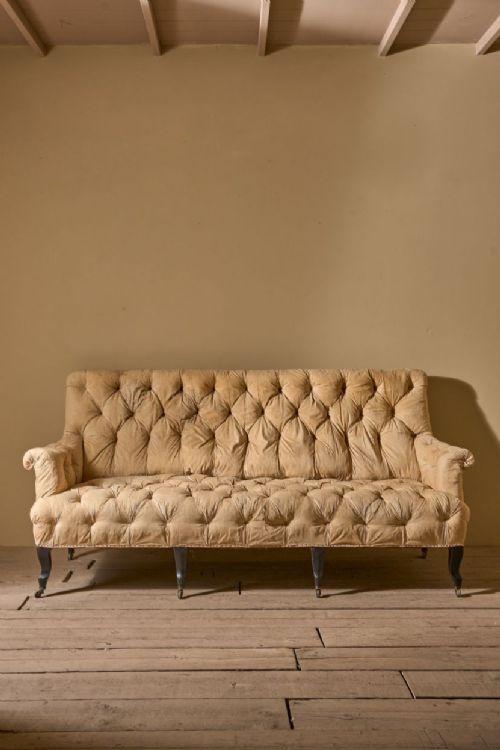
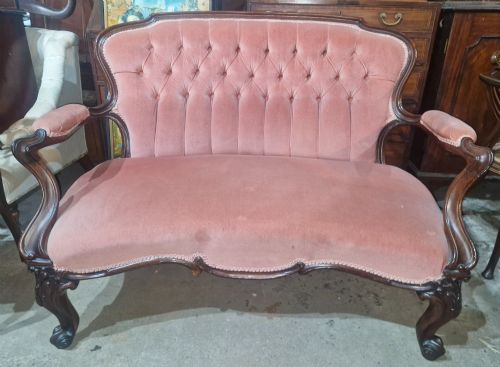
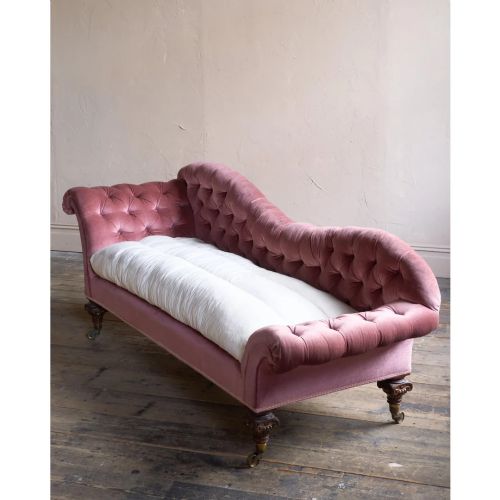
A buttoned velvet sofa brings deep buttoning and rich pile to the room, offering the structured comfort that Victorian and later makers perfected.
Buttoned Velvet Sofa
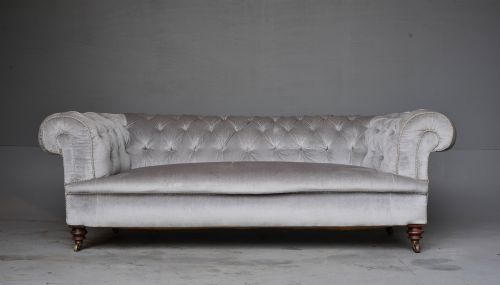
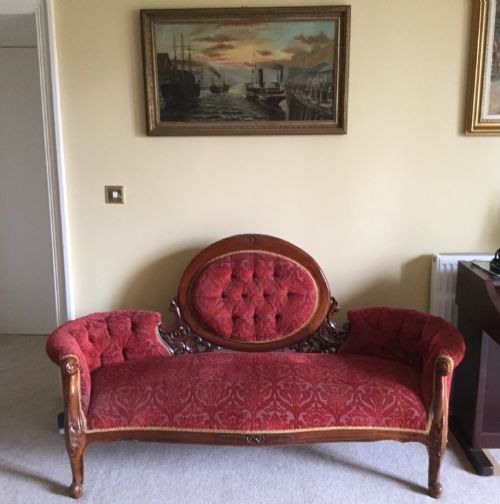
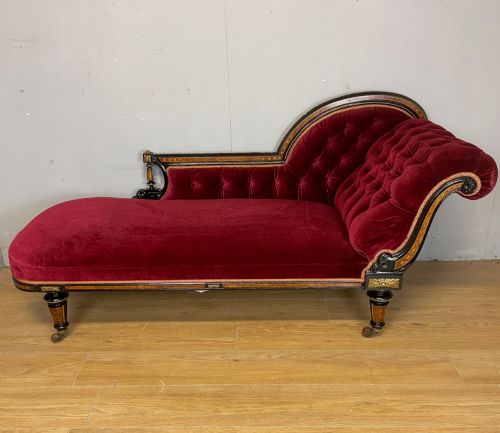
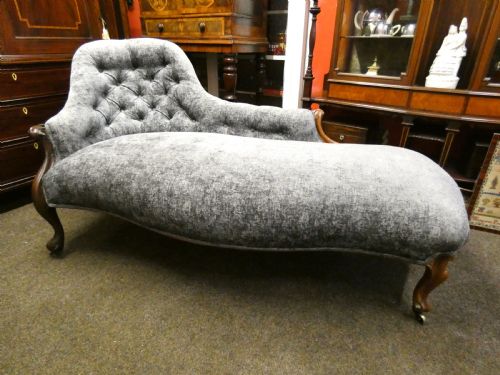
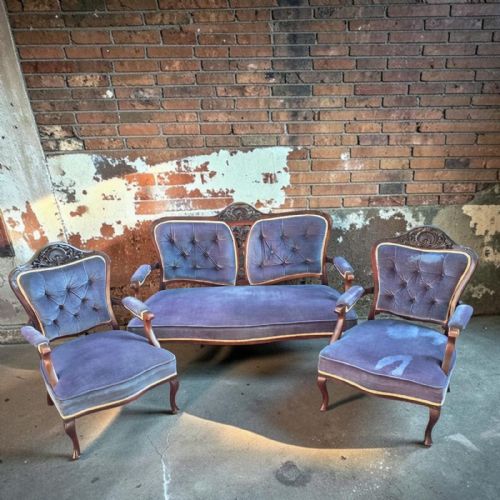
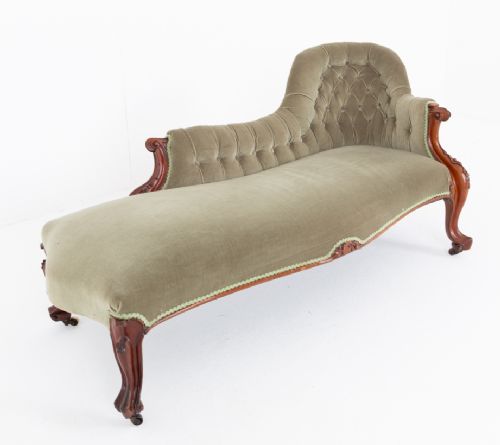
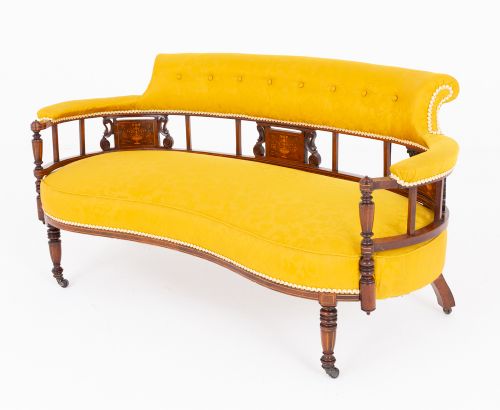
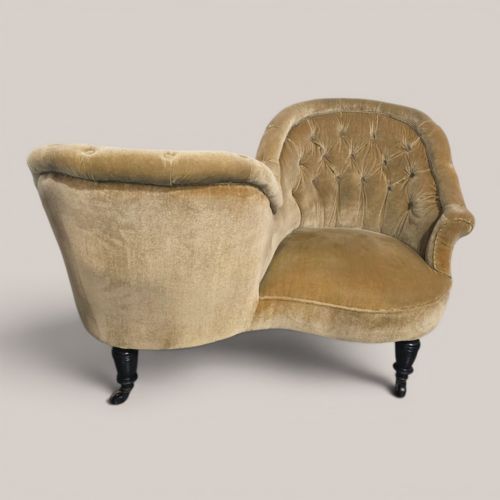
A buttoned velvet sofa is a seat designed with deep upholstery and tailored tufting, appearing most frequently in Victorian and nineteenth-century forms across this selection. Buyers encounter numerous variations, from traditional Chesterfield sofas and chaise longues to ebonised salon suites and conversation seats.
The selection spans walnut, mahogany, and rosewood frames paired with velvet, brocade, and fabric coverings. Pieces range from early nineteenth-century day beds and Regency designs to Edwardian and nineteen-thirties deep-seated models.
Origins include English country house seating and French Napoleon III pieces, reflecting diverse stylistic movements such as the Aesthetic Period and Victorian Rococo Revival.
How they were made
Makers constructed robust frames from hardwoods such as mahogany, walnut, and rosewood, often employing ebonised finishes or carved detailing. Brass and ormolu decorations appear alongside inlaid wood panels to accent the structural timber.
Upholstery techniques relied on deep buttoning through fabric and velvet, supported by sprung settee bases and meticulous stuffing. Details such as tassel trims, ionic column legs, and barley twist frames completed the construction.
Listings feature eighteenth and nineteenth-century periods, alongside materials such as brass, mahogany, walnut, rosewood, and velvet.
What varies in quality
Quality rests in the integrity of the hardwood frame and the depth of the carving, distinguishing robust walnut and rosewood structures from lighter timber builds. The precision of the upholstery work, particularly the alignment of the tufting and the weight of the velvet, marks the distinction between standard workshop output and fine cabinetmaker production.
Howard and Sons·Jas James Shoolbred·Hampton and Sons
The Buttoned Velvet Sofa Glossary
- Chesterfield sofa
- A traditional deep-buttoned seating form characterised by rolled arms and back of the same height. This style remains a defining anchor for period living spaces.
- Chaise longue
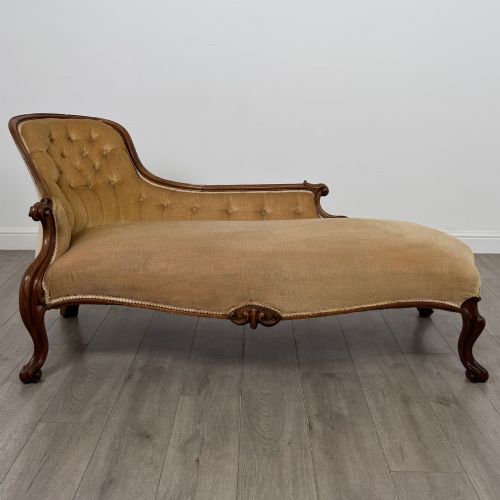
- An upholstered couch shaped for reclining, featuring a backrest that extends along one side. Examples in the evidence utilise mahogany, rosewood, and walnut frames.
- Ebonised
- Wood treated to resemble ebony through a dark staining or finishing process. This technique found favour during the nineteenth century and the Aesthetic Movement.
- Ormolu
- Gilt bronze mounted onto furniture frames for decorative effect. It provides metallic contrast against dark timbers like mahogany and walnut.
Buttoned Velvet Sofa: Frequently Asked Questions
What is a buttoned velvet sofa?
A buttoned velvet sofa is a heavily upholstered seating piece featuring tufted buttons secured through fabric or velvet pile. These designs date primarily from the nineteenth and early twentieth centuries.
They encompass styles from Chesterfield settees to chaise longues and conversation seats, built upon timber frames of mahogany, walnut, or rosewood.
How do I date a Victorian sofa?
Dating relies on examining the timber frame, carved ornamentation, and upholstery style. Early Victorian pieces often display rich mahogany or rosewood with robust proportions.
Later nineteenth-century examples might incorporate ebonised finishes, Aesthetic Movement details, or lighter walnut frames reflecting changing domestic fashions.
Where were chaise longues placed?
Chaise longues served as lounging day beds in private bedrooms, boudoirs, and formal drawing rooms. Their asymmetric backrests allowed occupants to recline in a semi-seated position.
Makers shaped these pieces from Regency periods through to the late Victorian era using fine woods and plush velvet.
How do I care for antique velvet?
Antique velvet requires gentle brushing to maintain the direction of the pile and prevent flattening. Direct sunlight should be avoided to protect the colour of the fabric.
Professional upholstery cleaning helps preserve the structural integrity of the underlying stuffing and button tufting.