
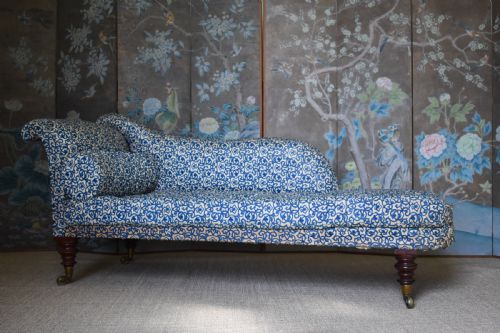
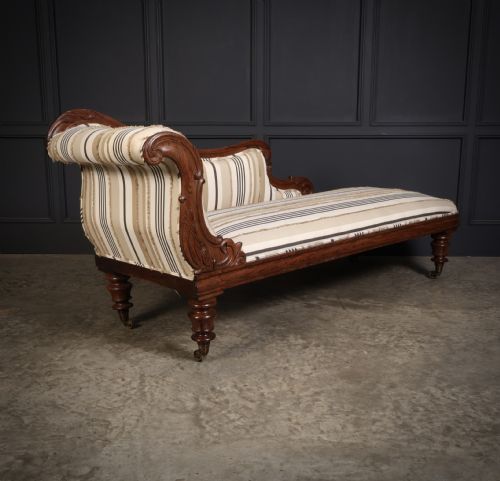


Antique Upholstered Recamier
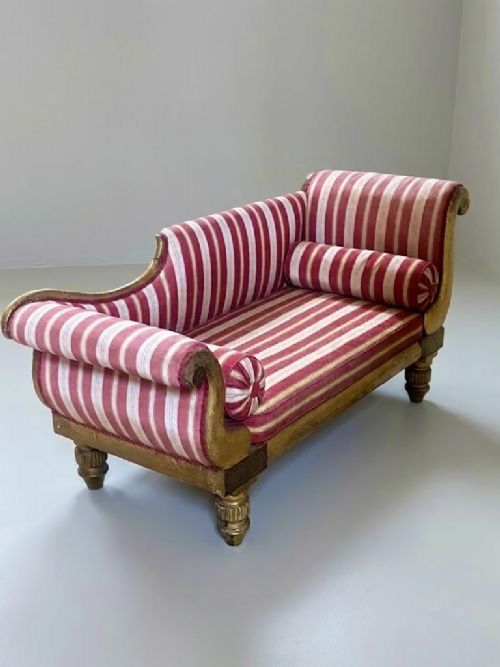
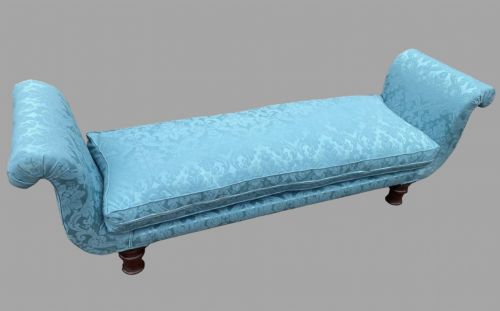
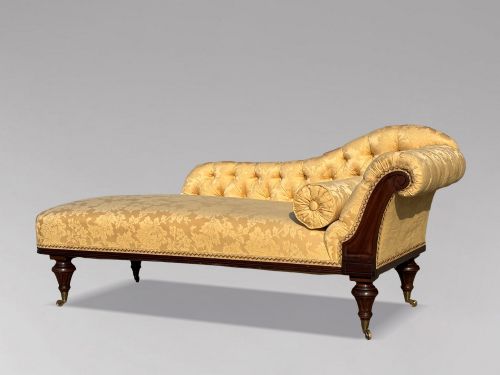
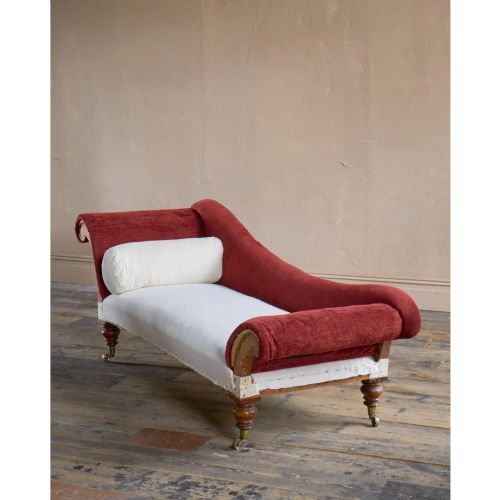
An antique upholstered recamier is a daybed designed for reclining in comfort, offering graceful curves and period elegance for a classical interior.
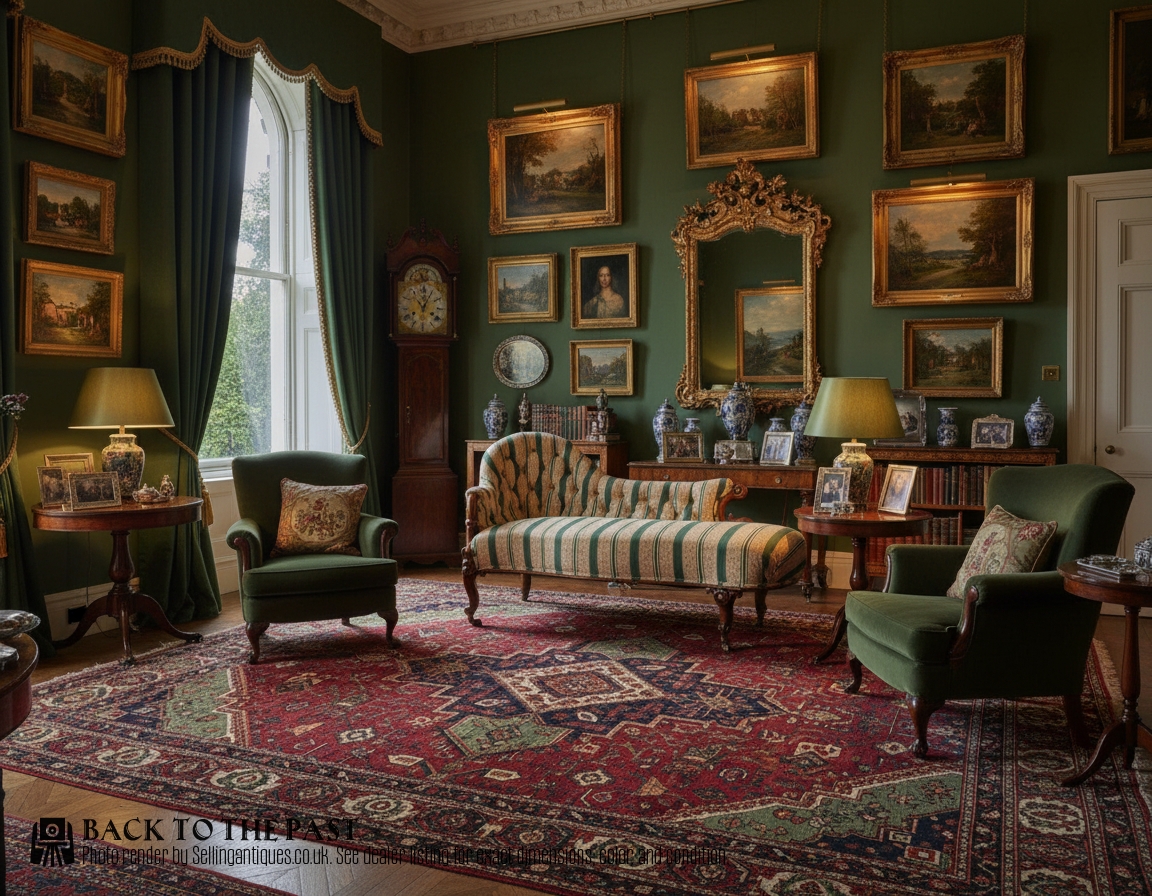
Antique Upholstered Recamier
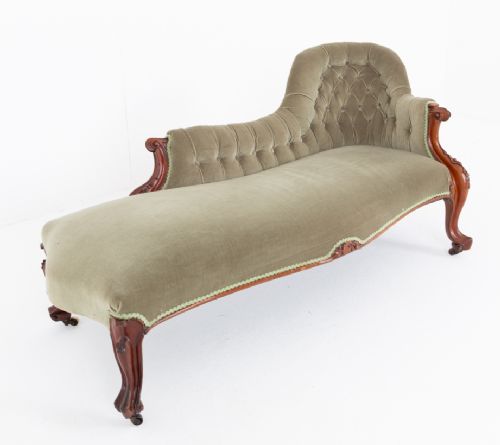
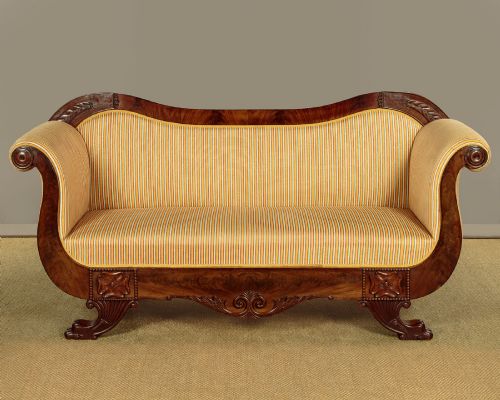
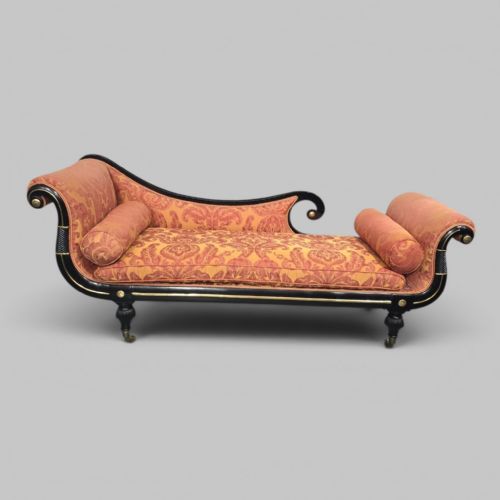
An antique upholstered recamier takes many forms across nineteenth-century styles, appearing as scroll-end couches, daybeds, and chaise longues. Buyers seeking this form will encounter pieces spanning the Regency, William IV, and Victorian periods.
The selection ranges from simulated rosewood and mahogany frames to French Empire models and pieces attributed to notable makers. Walnut and giltwood variants also appear alongside simpler day beds upholstered in damask, velvet, and striped silk.
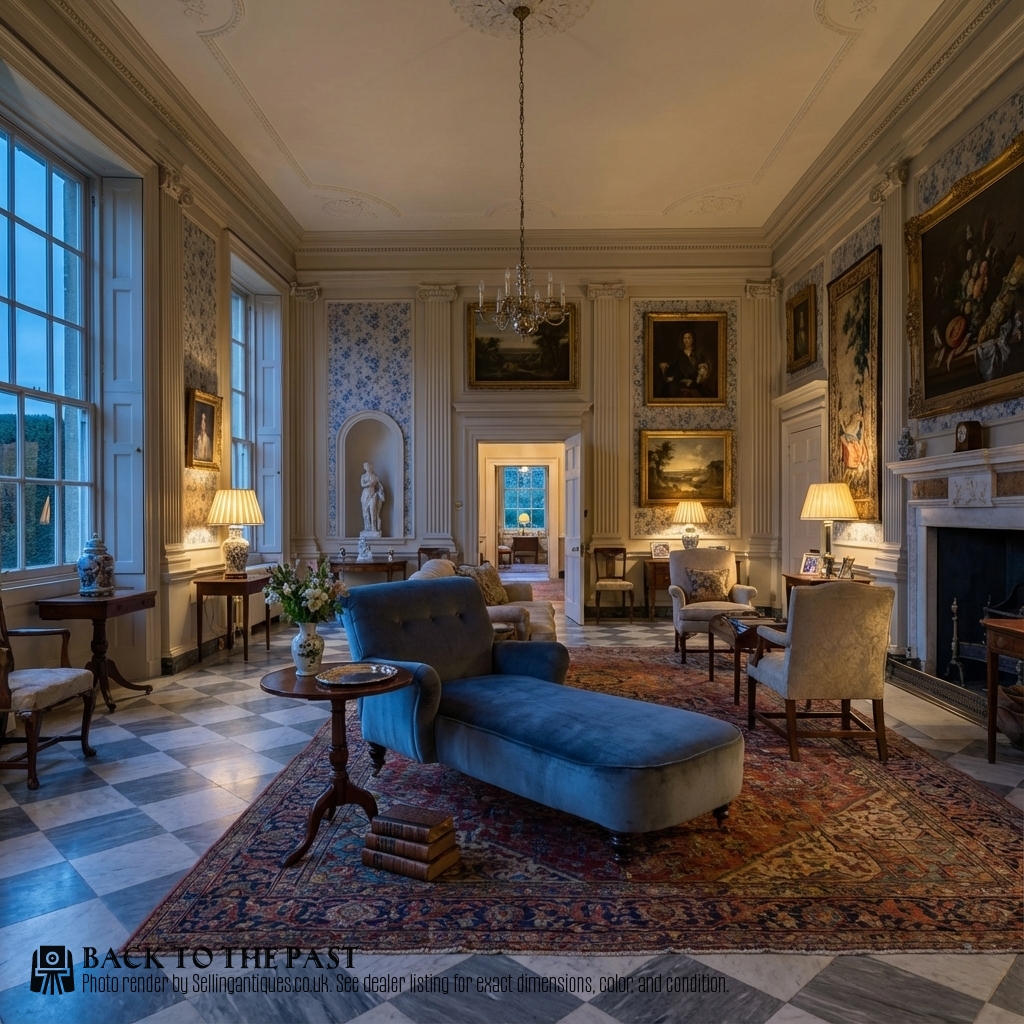
How they were made
Frames are constructed from dense timbers including mahogany, rosewood, walnut, and occasional painted woods, sometimes accented with brass details. Woodworkers shaped these materials into scrolling ends and carved supports characteristic of the nineteenth century.
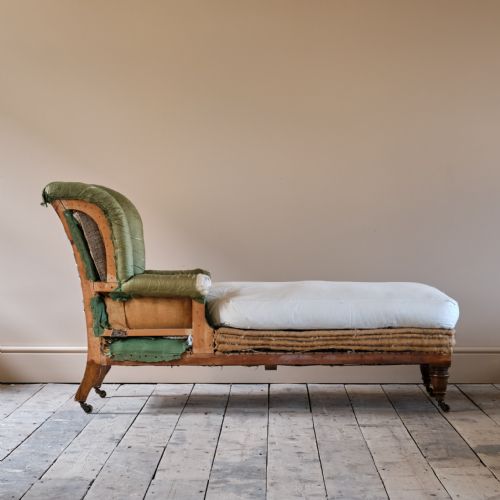
Upholstery relies on traditional fabrics such as silk, velvet, damask, and calico stretched over supportive internal structures. Skilled makers finished the edges with careful tension and tailored placement to complement the timber frames.
Antique Upholstered Recamier Retail Price Guide 2026
Typical asking prices for upholstered recamier among the pieces listed under this phrase on Sellingantiques today, from the lower quarter to the upper quarter. They describe what is for sale here now, not the wider market.
Listings feature nineteen-century pieces primarily from the Regency, William IV, and Victorian eras, utilising mahogany, rosewood, and walnut.
What varies in quality
The distinction between standard production and top-tier pieces rests on the precision of the timber carving and the fidelity of the period style. Superior examples exhibit refined proportions in the scroll ends and sophisticated execution of show-wood frames.
Attribution to documented makers such as Holland and Sons or Miles & Edwards elevates a piece above anonymous workshop production. The choice of primary timber, from plain mahogany to finely figured rosewood or giltwood, further marks the grade of the piece.
Holland and Sons·Miles and Edwards·Gillows
The Antique Upholstered Recamier Glossary
- Recamier
- A type of daybed or couch with raised ends, named after Madame Recamier who was famously painted reclining on one. It serves as a chaise longue or elegant resting seat.
- Chaise Longue
- Literally meaning long chair in French, this upholstered seat combines a chair with an extended footstool for reclining. It is typical of nineteenth-century drawing rooms.
- Regency
- An English design period spanning the early nineteenth century defined by classical restraint and Greco-Roman influence. Pieces from this era often feature bold scroll ends and dark woods.
- Damask Fabric
- A reversible figured fabric traditionally woven on a jacquard loom with patterns visible in contrasting matte and lustrous threads. It is frequently chosen for period upholstery.
- Scroll End
- A curved architectural termination resembling a rolled scroll, commonly found on the headrests of couches and daybeds. This feature defines the silhouette of many nineteenth-century designs.
Antique Upholstered Recamier: Frequently Asked Questions
Where should I place a recamier?
These pieces suit drawing rooms, studies, or large bedrooms where they can stand clear of walls to display the carved timber back and scroll ends.
Position the piece to allow adequate clearance for lounging, treating it as both a functional seat and a sculptural focal point in the room.
How do I identify a Regency period piece?
Regency recamiers and daybeds typically display architectural lines, classical motifs, and dense woods like mahogany and rosewood with simulated graining.
Look for distinctive scroll ends and restrained brass mounts that reflect the early nineteenth-century taste for Greco-Roman antiquity.
Are these daybeds comfortable for daily use?
Nineteenth-century daybeds are built for reclining with support concentrated at one or both raised ends rather than flat sleeping.
They provide firm support suited for reading or resting during the day, upholstered in traditional textiles like velvet, damask, or silk.