
Burr Wood Desk
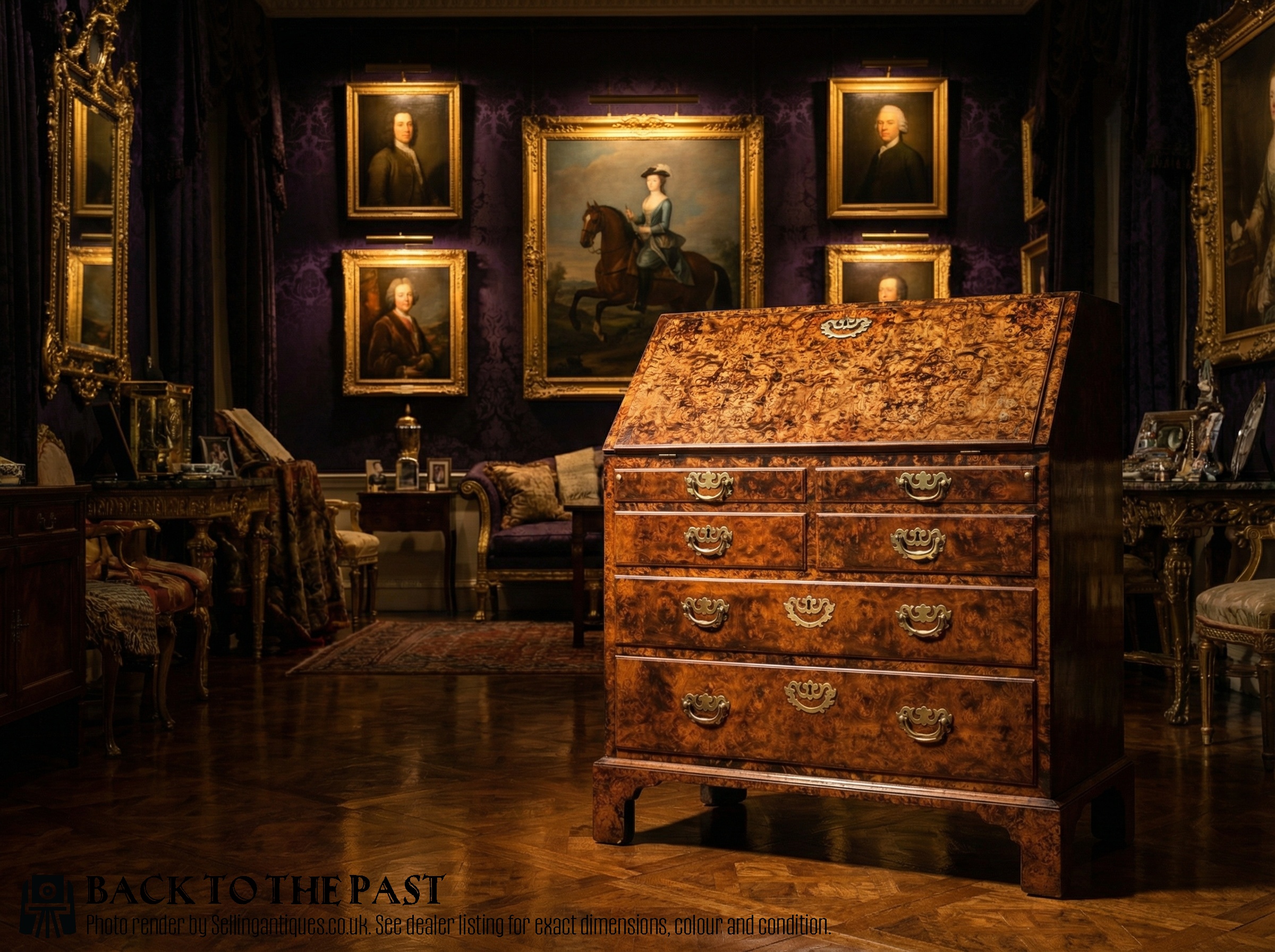
A burr wood desk brings together figured timber and practical writing surfaces across centuries of cabinet making.
Burr Wood Desk
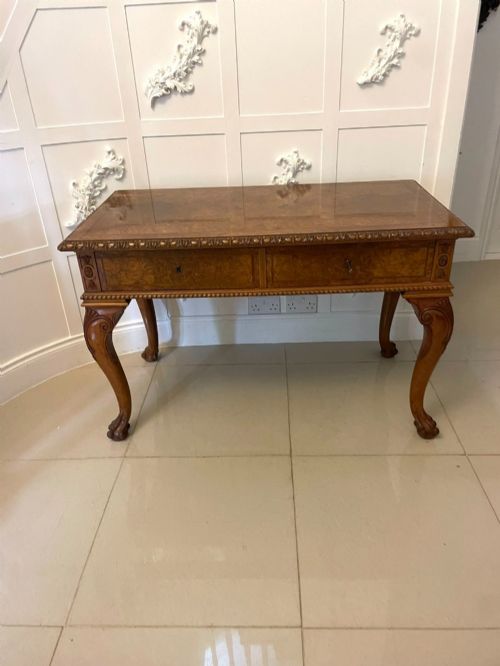
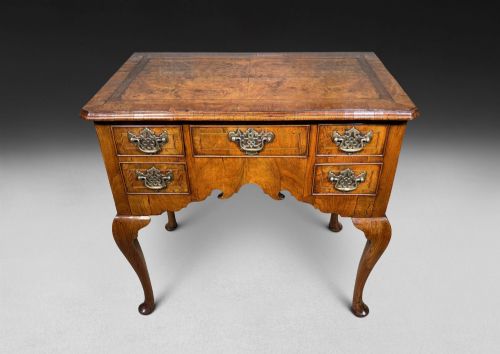
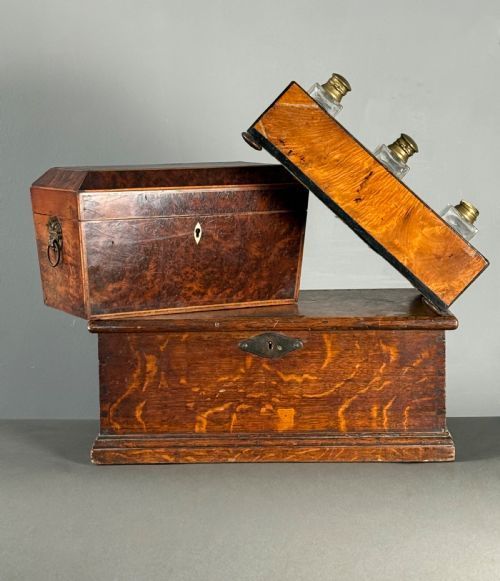
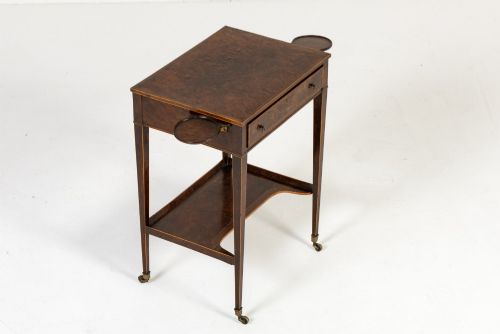
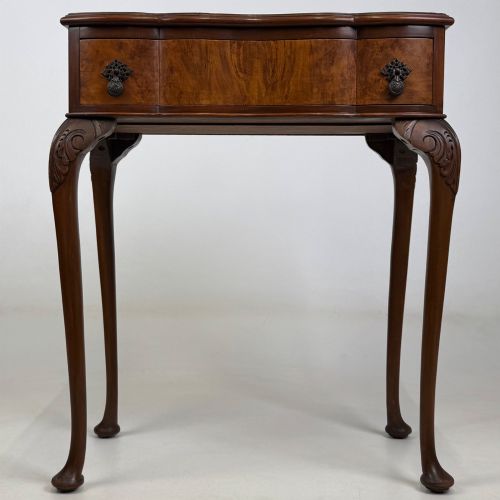
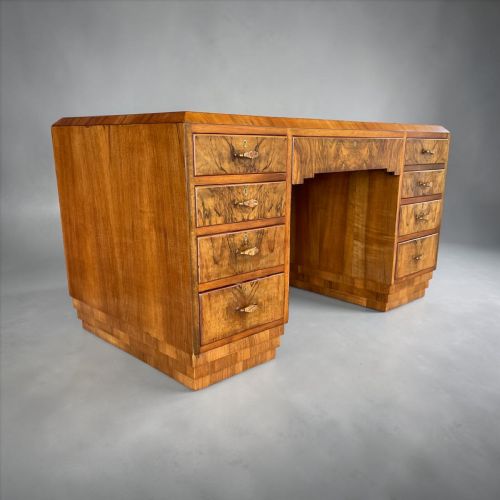
A burr wood desk sits within a lineage of writing furniture that spans from the eighteenth century into the twentieth, encompassing styles from Queen Anne and George II to Victorian and Art Deco. Buyers seeking this phrase encounter writing tables, pedestal desks, bureaus, and lowboys constructed with highly figured veneers.
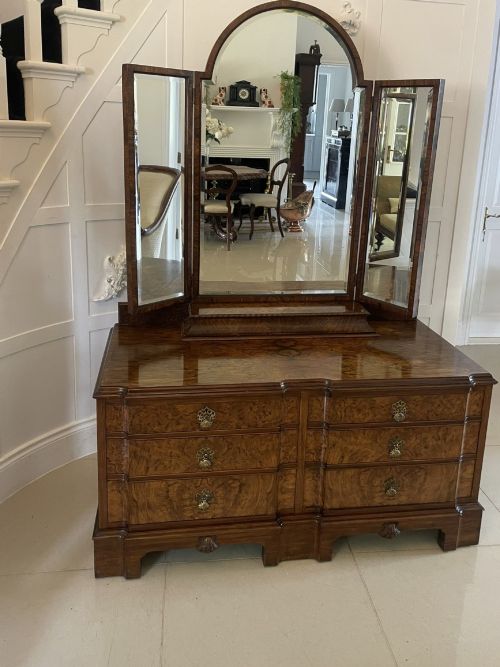
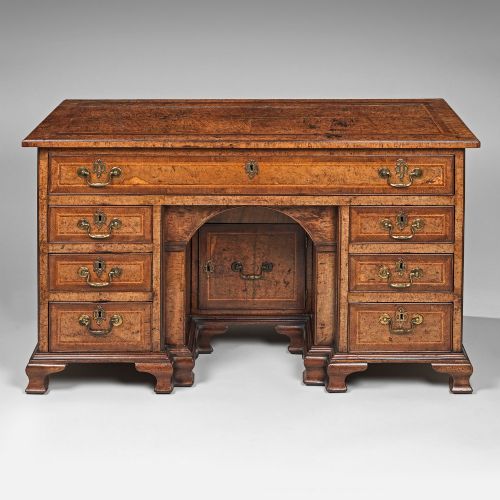
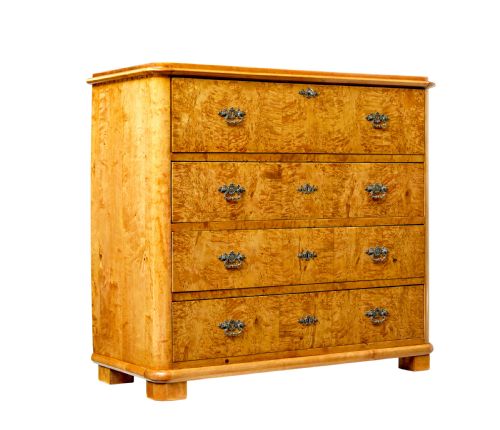
The material character relies on the swirling growth patterns found in burrs from walnut, elm, oak, yew, and birch. Pieces range from compact nineteenth-century writing tables to larger twin pedestal formats and revival designs from the early twentieth century.
Origins stretch across English, Dutch, Scandinavian, and French workshops, providing both formal library pieces and smaller domestic writing tables. The selection balances traditional pedestal forms with lighter side tables and console formats adapted for writing.
What varies in quality
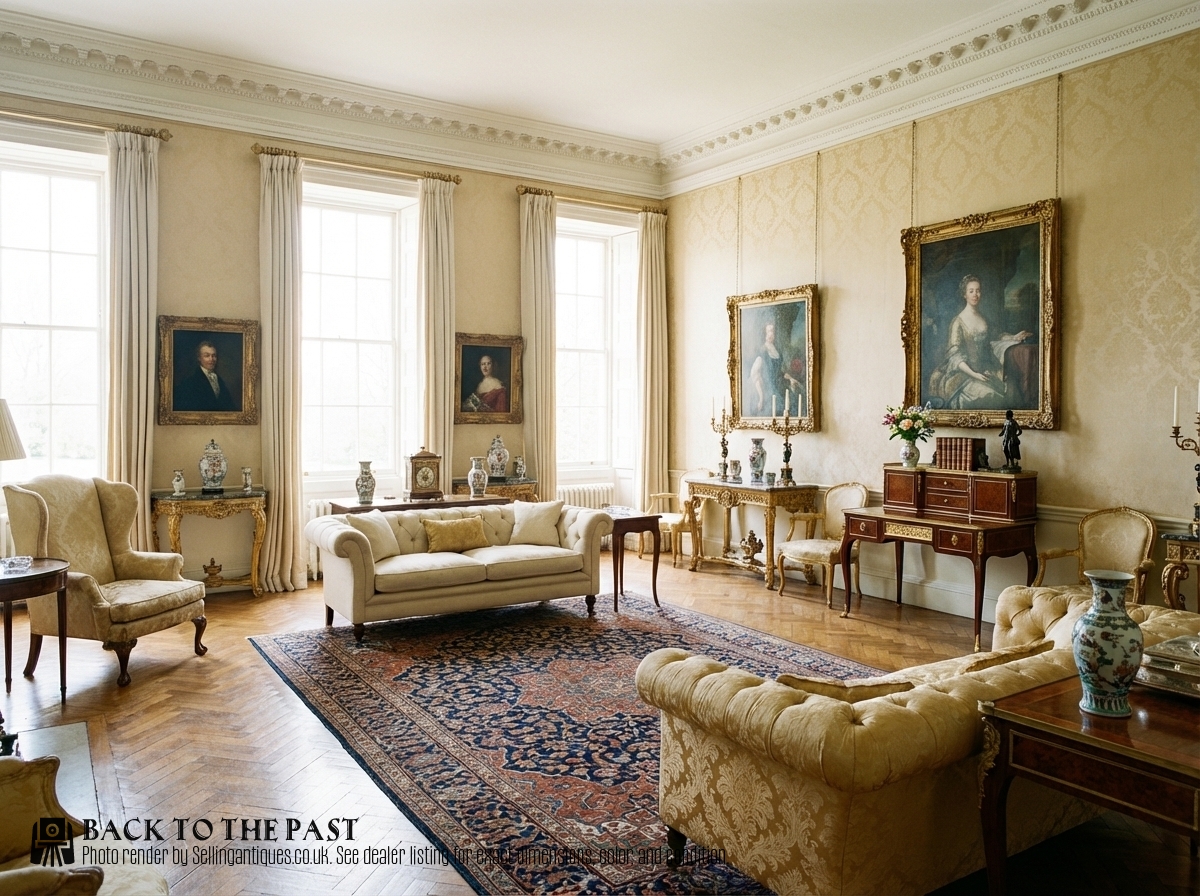
The visual impact depends upon the density and continuity of the burr figure across the primary surfaces, where symmetrical book-matching demonstrates superior timber selection. Skill in laying and maintaining thin veneers dictates the longevity and crispness of the edges.
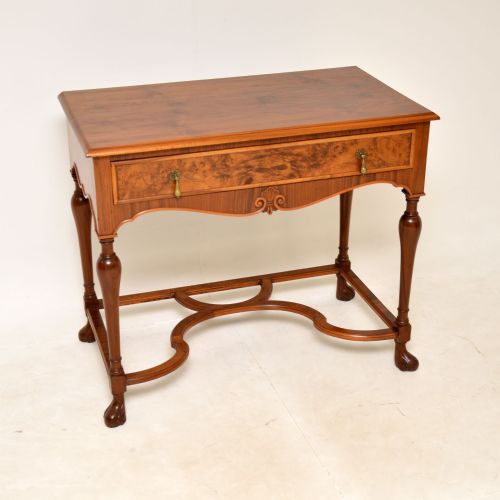
Secondary wood selection and the refinement of internal drawer construction distinguish workshop standards. Hardware originality, from brass drop handles to fitted leather writing surfaces, contributes to the overall integrity of the piece.
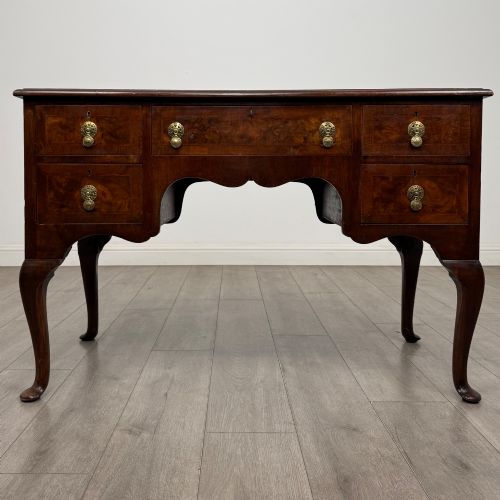
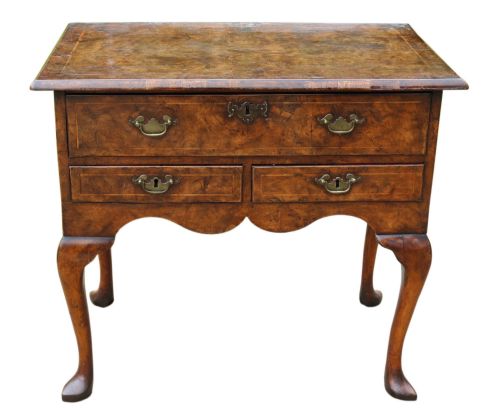
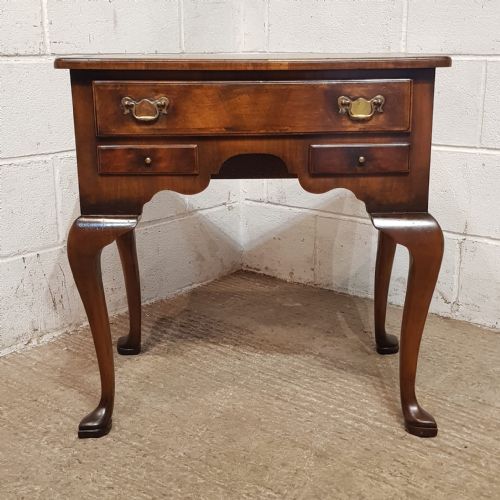
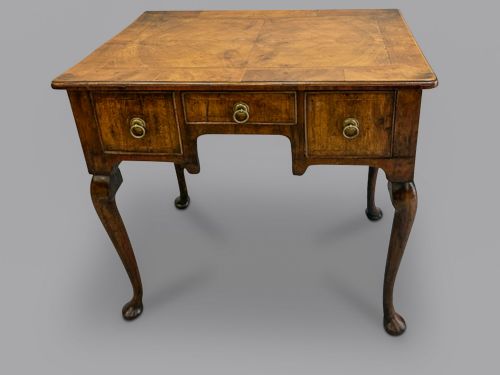
The inventory records regional variations including English lowboys, Scandinavian drum tables, and Dutch bureaus.
Fortnum and Mason·W J Mansell·Coxed and Woster·Burrey and White
The Burr Wood Desk Glossary
- Burr wood
- Timber harvested from a tree growth where the grain has grown in a deformed, swirling manner. This produces highly decorative patterns prized by cabinet makers for veneer work.
- Lowboy
- A small oak, walnut, or elm table with one or more drawers, standing on relatively tall legs. They frequently served as dressing tables or writing surfaces in the eighteenth century.
- Pedestal desk
- A heavy freestanding desk comprising two supporting pedestals of drawers with a central writing surface. They often feature inset leather tops and panelled sides.
- Crossbanding
- A narrow strip of veneer applied to the border of a panel, running perpendicular to the grain of the main surface. It provides a neat visual frame to burr walnut or mahogany tops.
- Davenport
- A compact Victorian writing desk featuring a sloping lid hinged above a set of drawers accessed from the side. They often incorporated stationery compartments and secret drawers.
Burr Wood Desk: Frequently Asked Questions
How do I identify an eighteenth-century lowboy?
Eighteenth-century lowboys typically present cabriole legs, pad or trifid feet, and hand-dovetailed oak drawer linings beneath figured walnut or elm tops. Their proportions remain modest, designed for domestic chambers rather than formal libraries.
Examination of the timber underneath and hand-cut fixings helps distinguish genuine early period construction from later revival pieces.
How should I care for burr walnut veneer?
Burr walnut requires stable humidity levels and protection from direct sunlight to prevent veneer lifting and fading. Regular dusting with a dry cloth maintains the finish without moisture damage.
Application of traditional wax polish preserves the lustre of the grain without sealing the timber.
Are Art Deco burr desks different from Victorian ones?
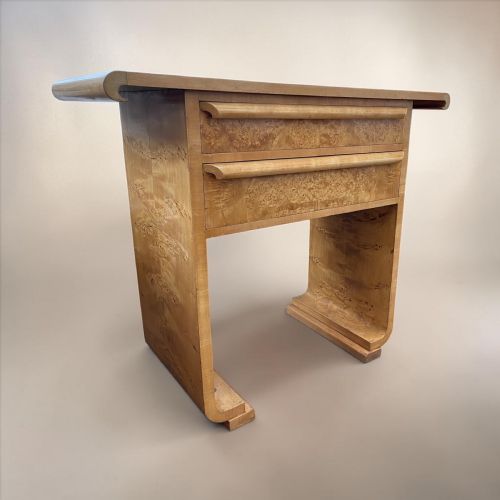
Art Deco desks from the twentieth century favour streamlined geometric silhouettes, contrasting light and dark veneers, and minimal hardware. Victorian examples display heavier proportions, carved details, and traditional pedestal or Davenport forms.
Both periods utilise burr timbers, but apply them to entirely different structural outlines.