


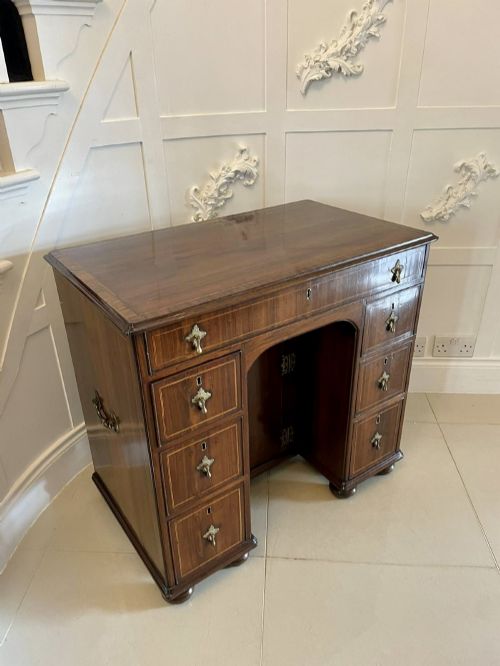
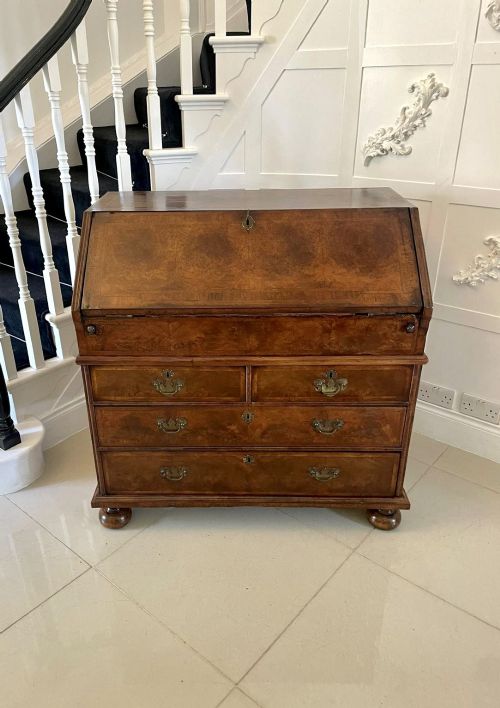
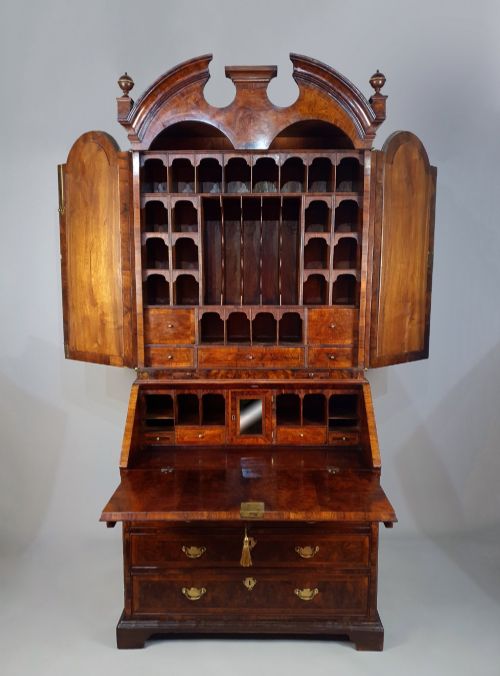
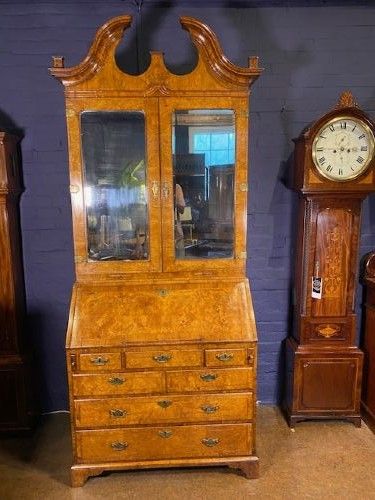
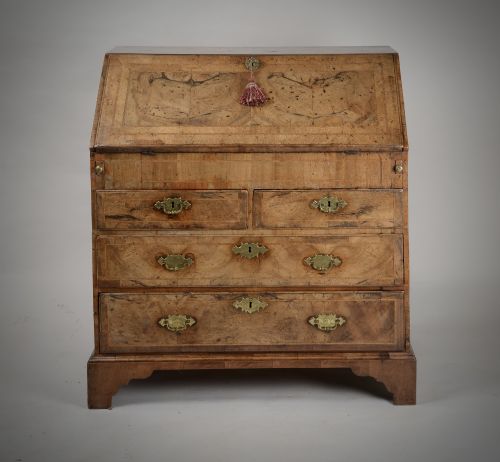
Burr Walnut Writing Bureau
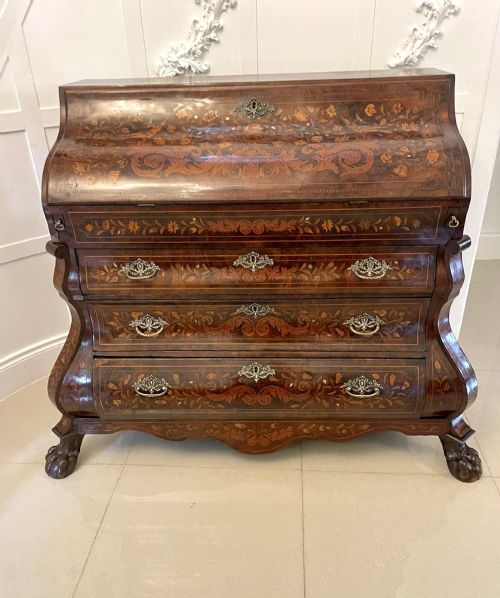
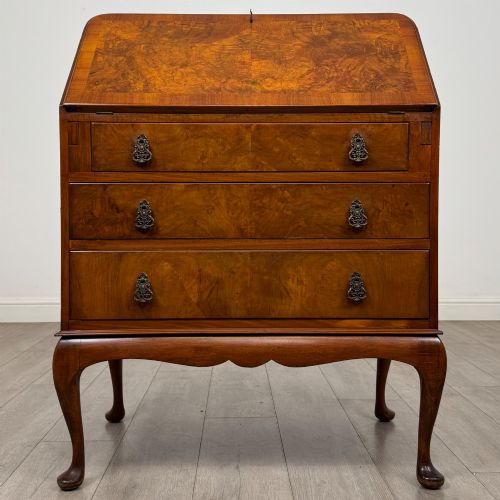
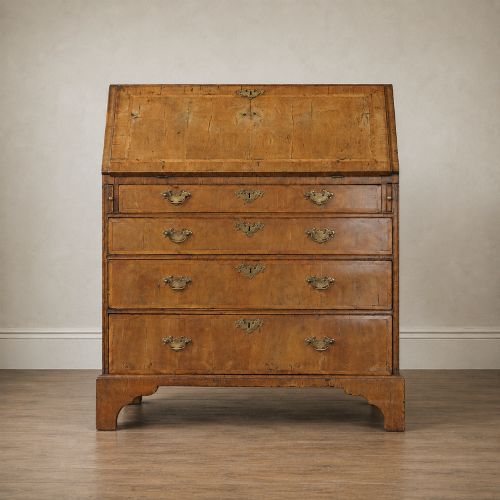
A burr walnut writing bureau brings warmth and intricate grain patterns into a room, offering a sloping fall-front desk surface that conceals fitted interior compartments and drawers.
Burr Walnut Writing Bureau
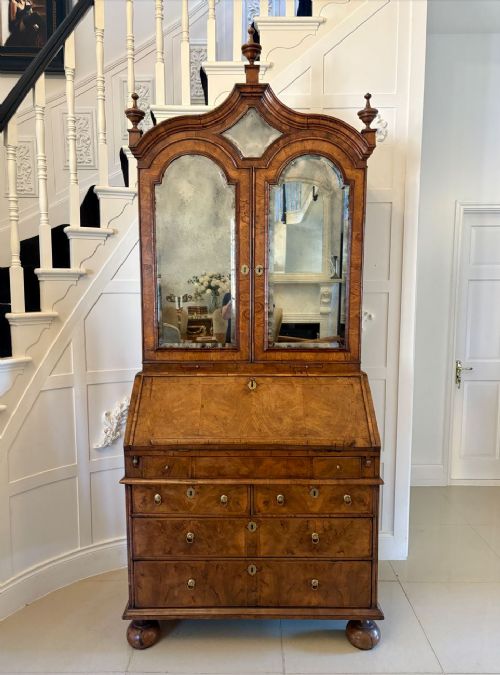
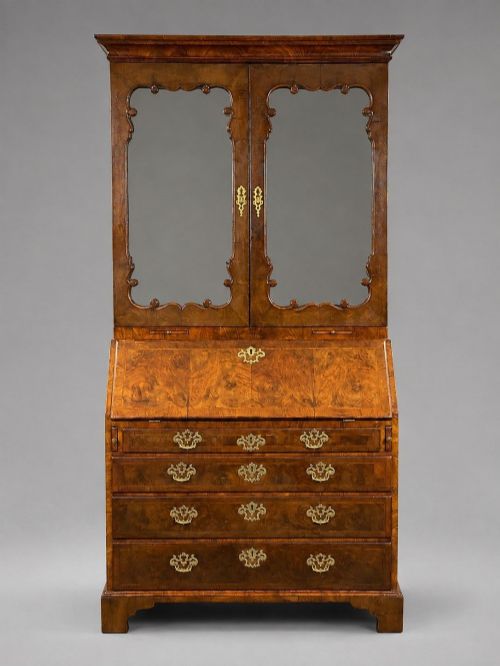
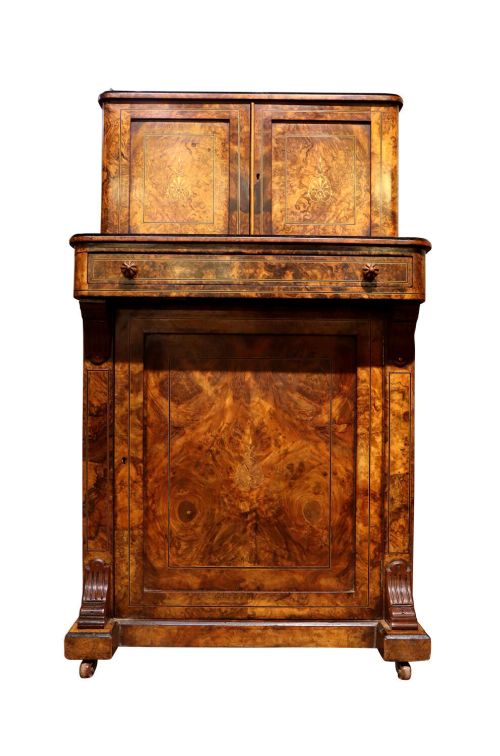
The most common variations encountered include standard slant-front desks, bureau bookcases featuring glazed upper display sections, and compact bureau de dame models. Makers working in the seventeenth, eighteenth, nineteenth, and twentieth centuries utilised rich timber selections to create practical home workspaces with deep ornamental figure.
Buyers exploring this selection encounter distinct regional craftsmanship alongside period revivals that emulate earlier styles. Whether examining a tall two-part bureau or a small-proportioned desk, the core form remains centred around a sloping fall that drops to create a writing surface.
Materials and construction techniques
Cabinet makers applied thin layers of highly figured burr walnut veneer over sound secondary timbers such as oak, securing the patterned grain across the primary surfaces. Cross-banding and featherbanding in contrasting walnut strips often framed the drawer fronts and the fall-front flap.
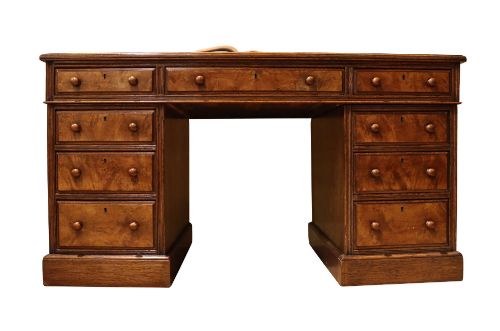
Internal components relied on solid walnut or oak for drawer linings and dividers, assembled with traditional dovetail joints. Brass handles, escutcheons, and hinges provided functional hardware, while leather inserts occasionally lined the writing surfaces of later pedestal and table forms.
Listings span from the 17th century to the 1930s, featuring oak, brass, and glass alongside burr walnut veneer.
Factors determining the grade of a piece
The intensity and natural symmetry of the burr walnut grain dictate visual appeal, with tightly knotted swirling patterns commanding greater appreciation. Crispness in the execution of featherbanding and the retention of original brass hardware elevate the standing of an individual desk.
Structural integrity depends on the stability of the veneered surfaces and the smooth operation of internal drawers and the fall-front hinge. Pieces that retain their original patination and undisturbed interior fittings demonstrate superior preservation across generations.
Maple & Co·Wylie & Lochhead Glasgow·James Shoolbred·Waring & Gillows
The Burr Walnut Writing Bureau Glossary
- Burr walnut
- A wood grain derived from the wart-like growths on walnut trees, prized for its swirling, multi-toned patterns. Cabinet makers sliced this timber into fine veneers for decorative furniture faces.
- Featherbanding
- A delicate form of inlay where tiny strips of veneer are laid in a herringbone or V-shaped pattern around the borders of panels and drawers. It requires high precision to execute.
- Bureau bookcase
- A dual-purpose furniture form featuring a sloping-front desk compartment below a shelved and glazed cabinet. These tall pieces served for both correspondence and library storage.
- Kneehole desk
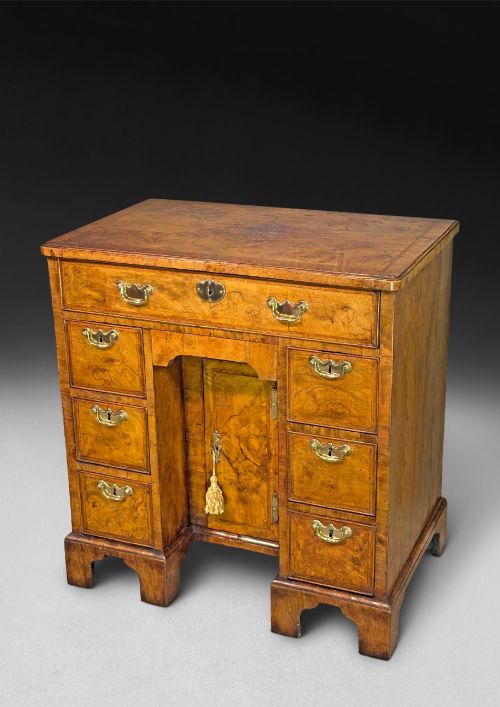
- A compact writing table featuring a central recess for the user's legs, flanked by pedestals of small drawers. They offer a formal alternative to traditional slope-front writing chests.
- Escutcheon
- A protective plate surrounding a keyhole, usually fashioned from brass. It prevents the wood surrounding the lock from wearing away through frequent use.
Burr Walnut Writing Bureau: Frequently Asked Questions
What is a burr walnut writing bureau?
A burr walnut writing bureau is a traditional desk featuring a hinged sloping flap that opens to reveal small drawers and pigeonholes. The exterior showcases highly figured burr walnut veneer.
These pieces combine enclosed storage with a functional writing surface, evolving from early seventeenth-century forms through various revival periods into the twentieth century.
How do I date an antique bureau?
Dating relies on examining construction methods, timber choices, handle styles, and secondary woods like oak. Earlier pieces often display hand-cut dovetails and distinct cross-banding.
Comparing the overarching style, such as Queen Anne or Art Deco, with the internal secondary timbers helps narrow down the period of manufacture.
Were these desks used for letters?
These desks served primarily for correspondence, household record keeping, and managing personal accounts. The internal compartments kept paper, ink, and letters organised.
The sloping lid provided a convenient slanted surface for writing before being closed to hide the paperwork from view.
How do I care for walnut veneer?
Walnut veneer requires protection from direct sunlight and extreme humidity fluctuations to prevent warping and fading. Regular dusting with a soft, dry cloth preserves the finish.
Applying occasional appropriate wax polish helps maintain the moisture and natural lustre of the historical timber surfaces.