

Burr Walnut Secretary
A burr walnut secretary brings together rich burl veneers and practical writing compartments across centuries of British and continental cabinetmaking.
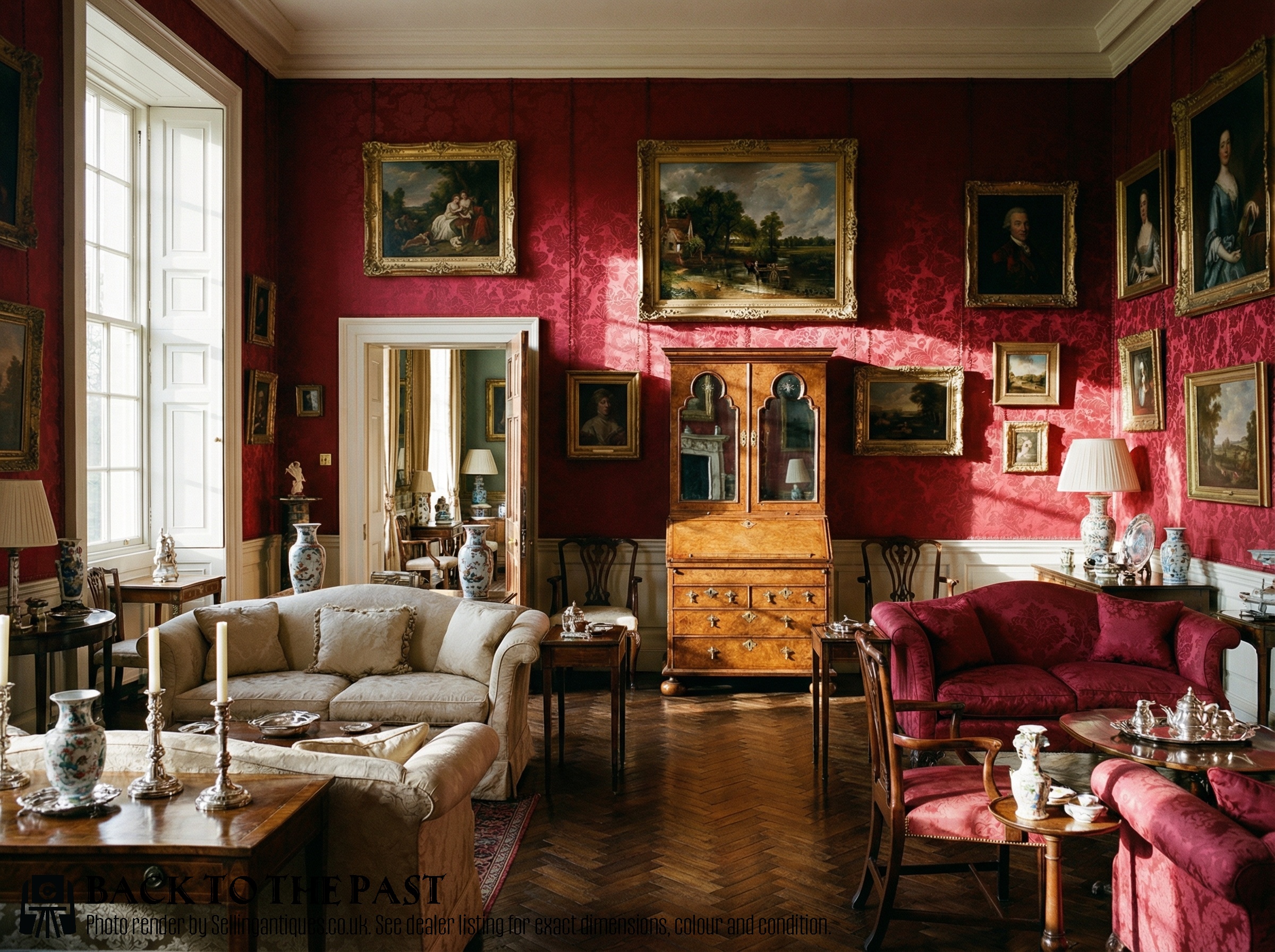
Burr Walnut Secretary
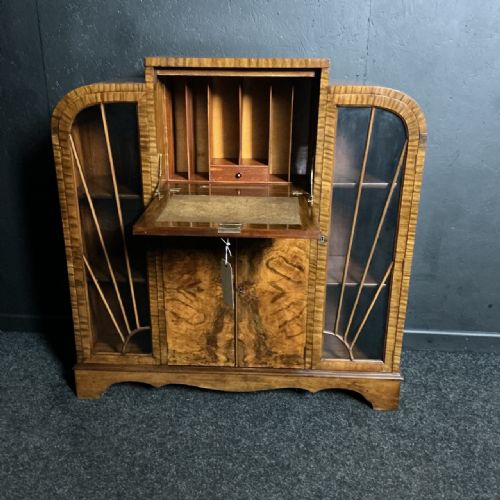
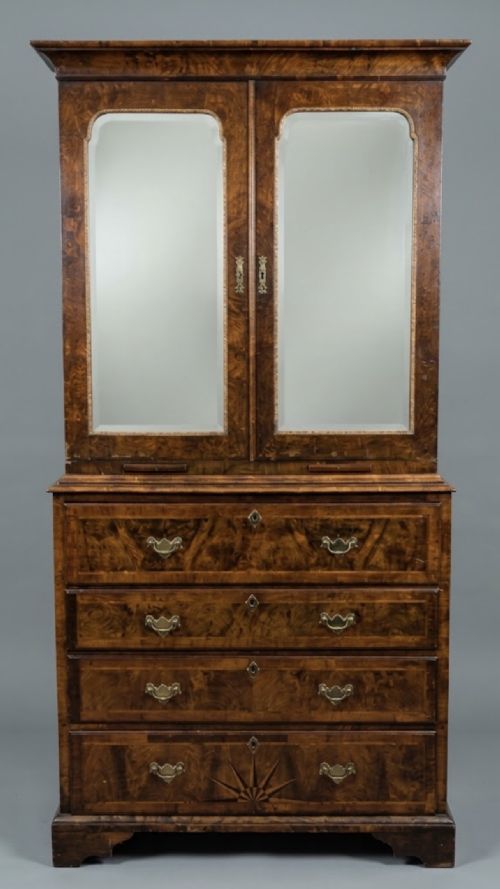
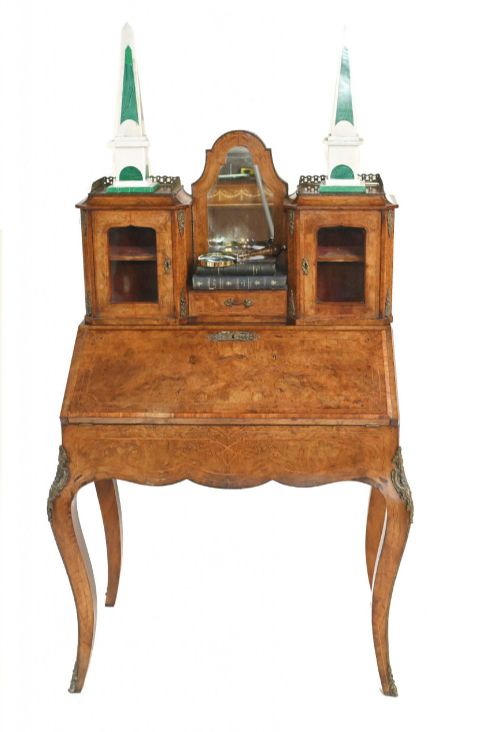
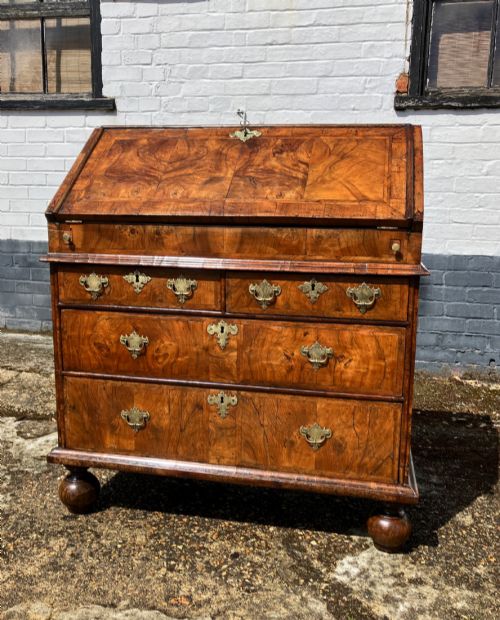
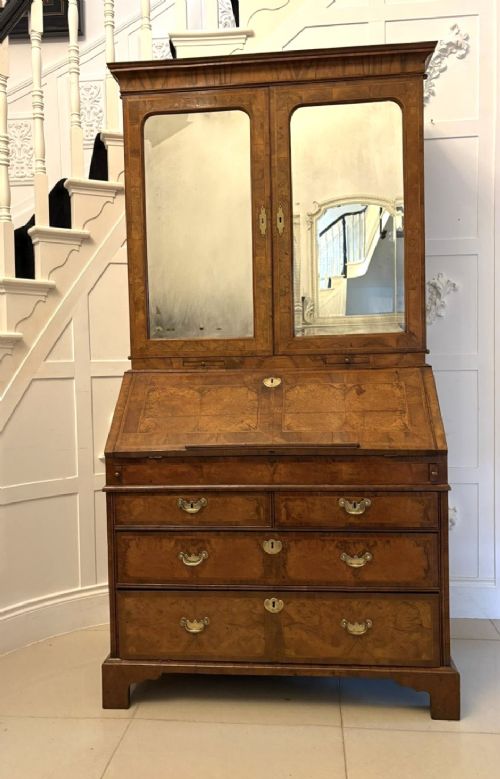
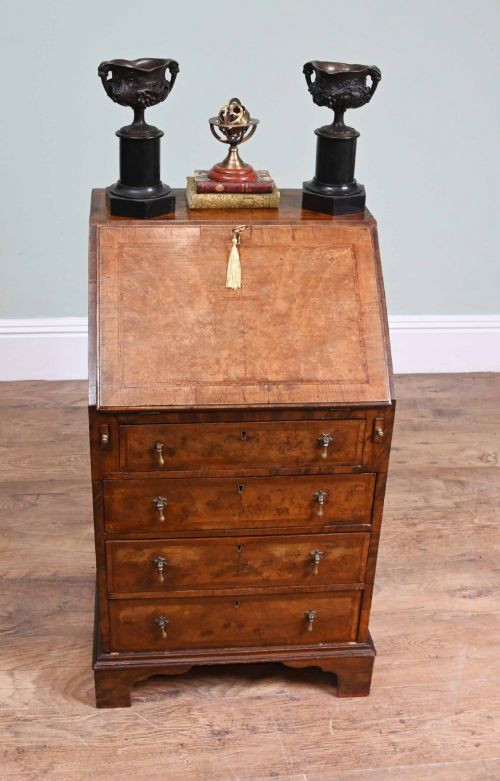
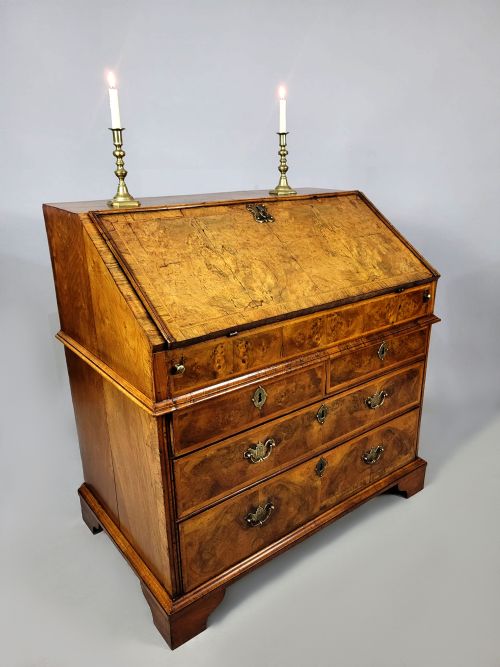
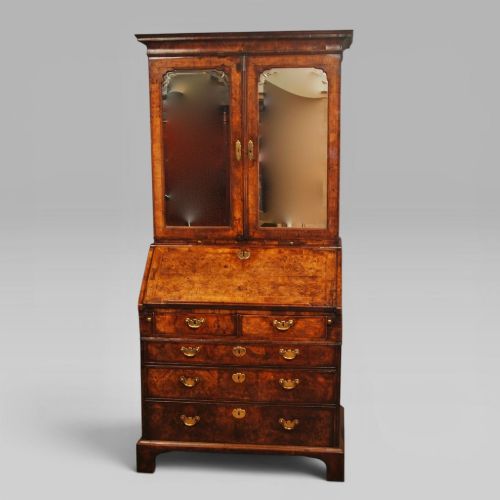
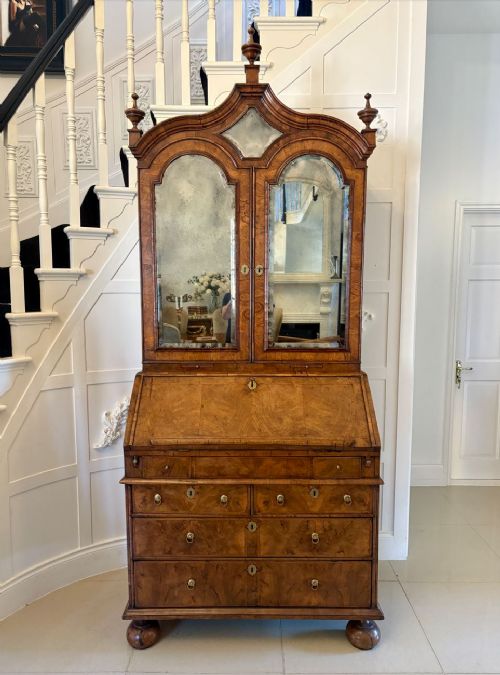
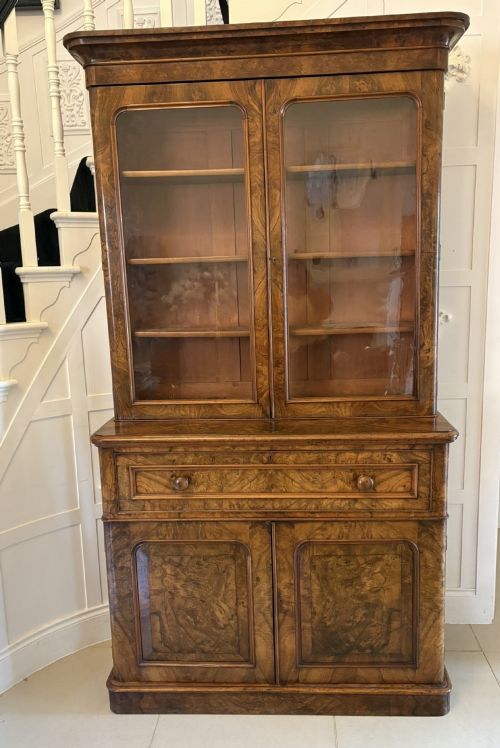
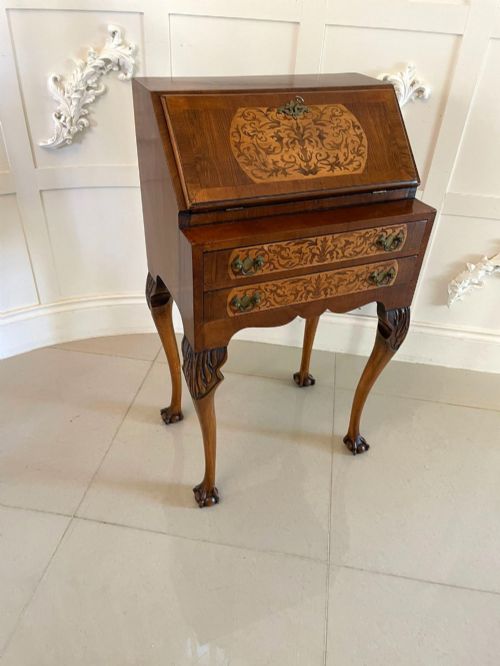
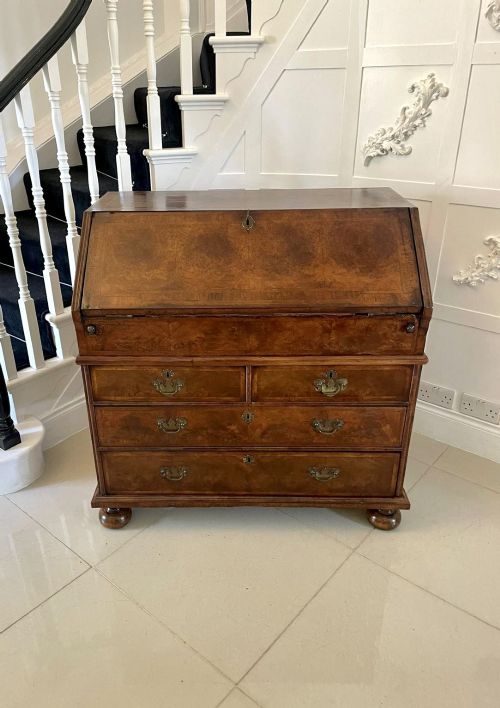
A burr walnut secretary takes multiple forms, appearing frequently as a bureau bookcase, a fall-front desk, or a compact writing bureau spanning from the seventeenth century through the Georgian era and into later revival periods.
The material displays distinct knot formations and swirling grain patterns, utilised across pieces styled in the manner of Queen Anne, George I, and George II, alongside later Edwardian and twentieth-century interpretations.
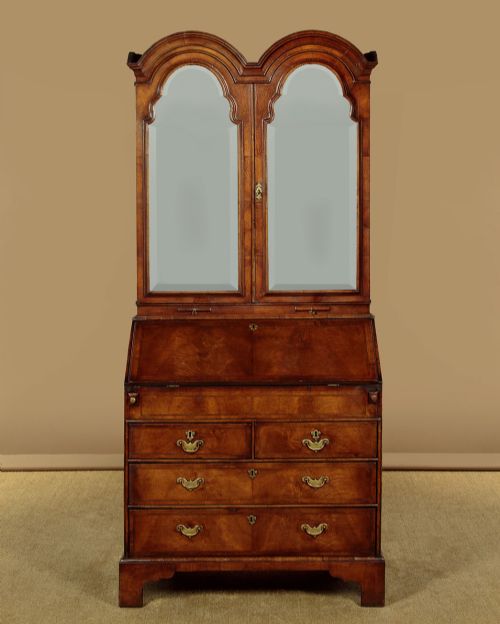
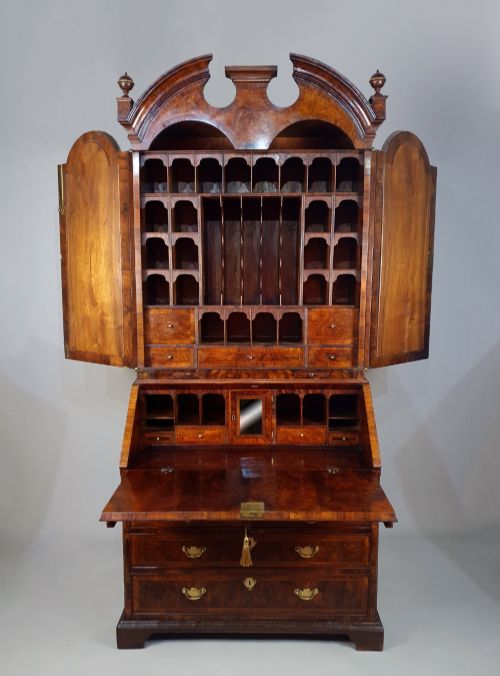
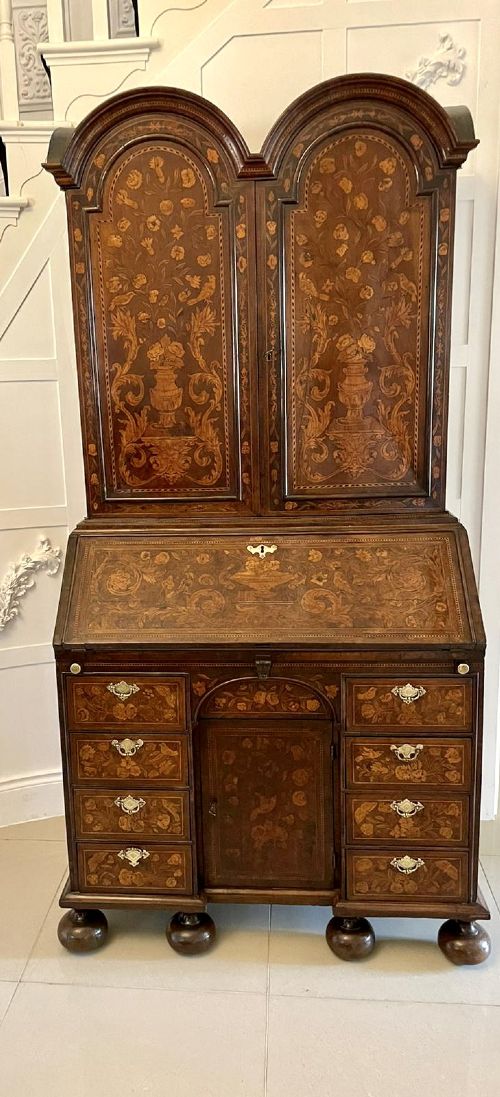
Buyers encounter substantial double-dome bureau bookcases alongside smaller slant-front desks, each offering fitted interiors with pigeonholes, small drawers, and secret compartments.
Materials and construction methods
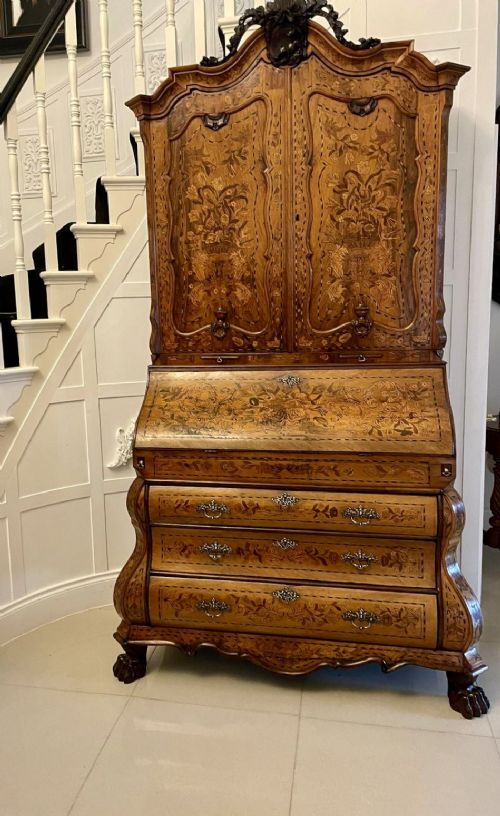
Cabinetmakers constructed these pieces using solid oak or walnut carcases overlaid with decorative burr walnut veneers, frequently enhanced by featherbanding and marquetry inlay.
Hardware typically incorporates brass handles and escutcheons, while upper sections of bookcase variants utilise glazed doors to enclose shelved upper compartments.
Burr Walnut Secretary Retail Price Guide 2026
Typical asking prices for burr walnut secretary among the pieces listed under this phrase on Sellingantiques today, from the lower quarter to the upper quarter. They describe what is for sale here now, not the wider market.
Quality differences in burr walnut furniture
The visual impact depends largely on the choice and matching of the burr walnut veneer, where symmetrical grain patterns across the fall-front or drawer fronts indicate superior craftsmanship.
Internal complexity sets finer examples apart, particularly where fitted writing sections include sliding wells, intricate pigeonholes, and concealed secret drawers executed with precision.
The Burr Walnut Secretary Glossary
- Burr walnut
- A veneer sliced from walnut tree growths, producing swirling, knotty patterns prized for decorative cabinetwork. This figuring creates the rich visual texture seen on fine desks.
- Bureau bookcase
- A dual-purpose furniture form combining a sloping-front writing desk below with a glazed shelving cabinet above. These tall units served as combined writing and storage centres.
- Featherbanding
- A type of decorative inlay using thin strips of veneer arranged in a herringbone or V-shaped pattern around drawer edges or panel borders. It frames the main burr walnut panels.
- Fall-front
- A hinged writing flap that drops down to form a horizontal desk surface and conceals the internal compartments when closed. This folding panel is central to the operation of a bureau.
Burr Walnut Secretary: Frequently Asked Questions
How do I use a bureau secretary today?
The drop-down flap provides a practical writing surface while the internal compartments organise stationery and small items.
Upper glazed sections on bookcase variants offer display space for books or collections in a modern room.
What is the difference between a bureau and a secretary?
These terms often describe similar writing furniture with enclosed storage and a writing surface.
Historical usage in Britain frequently applies bureau to slant-front desks, while secretary can encompass various writing cabinets.
How can I tell an eighteenth-century piece from a later revival?
Examine the secondary timbers inside the drawers, such as oak or pine, alongside the hand-cut dovetails and construction methods.
Twentieth-century revival pieces often display machine-made elements and different internal timber choices compared to Georgian originals.