
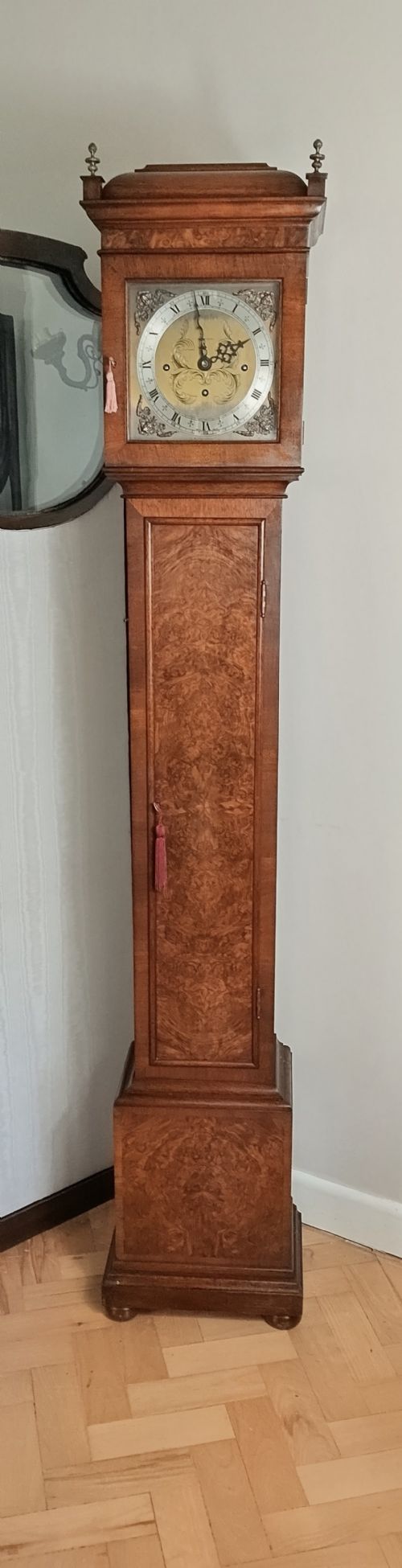
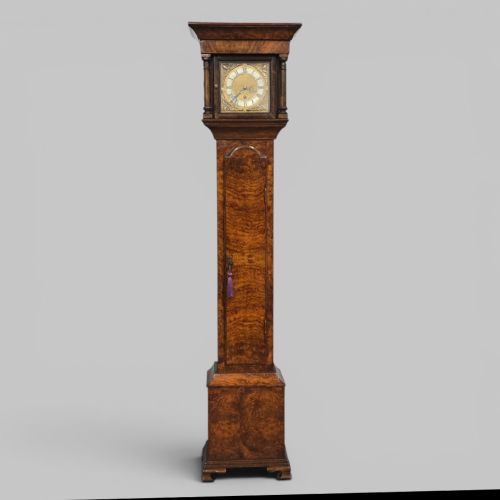


Burr Walnut Clock
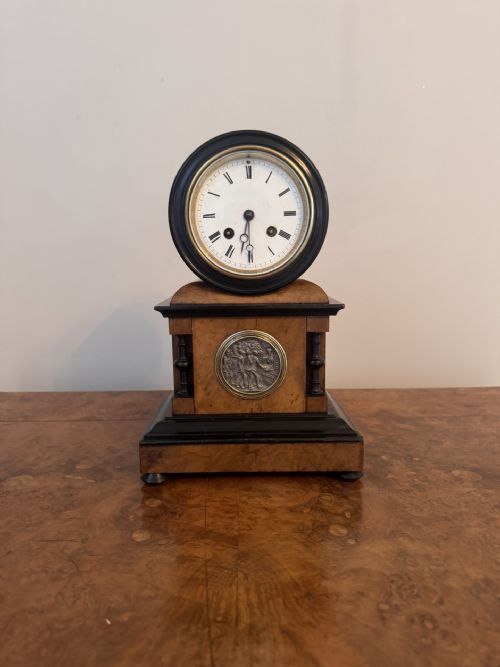
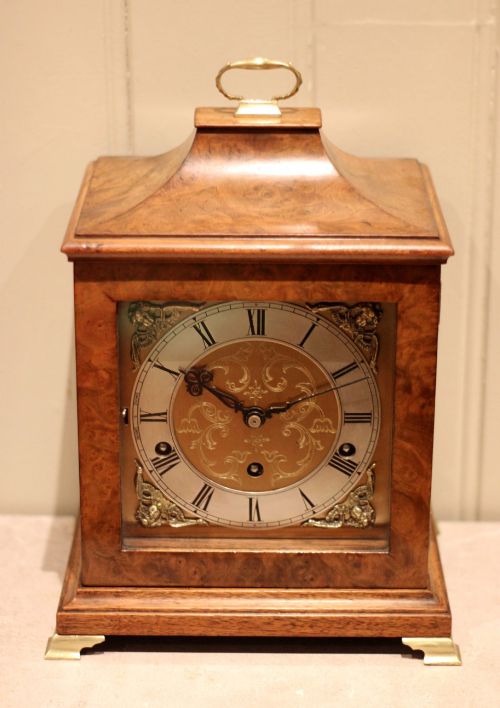
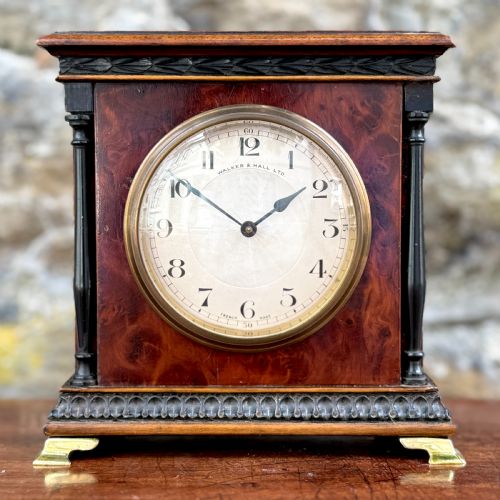
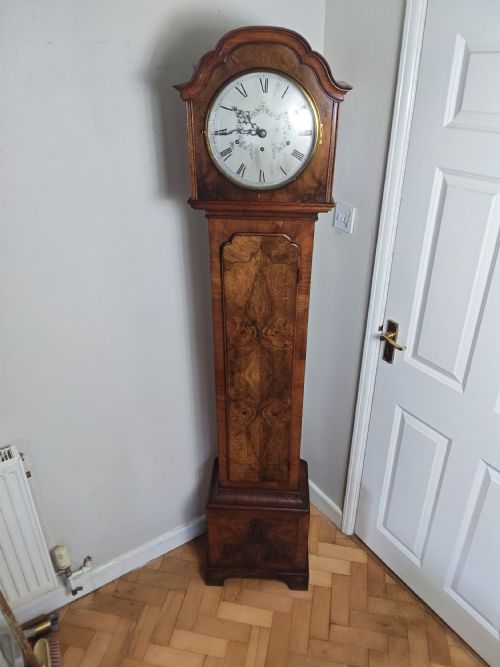
When you examine a burr walnut clock, you encounter intricate grain patterns paired with precise mechanical timekeeping spanning three centuries.

Burr Walnut Clock
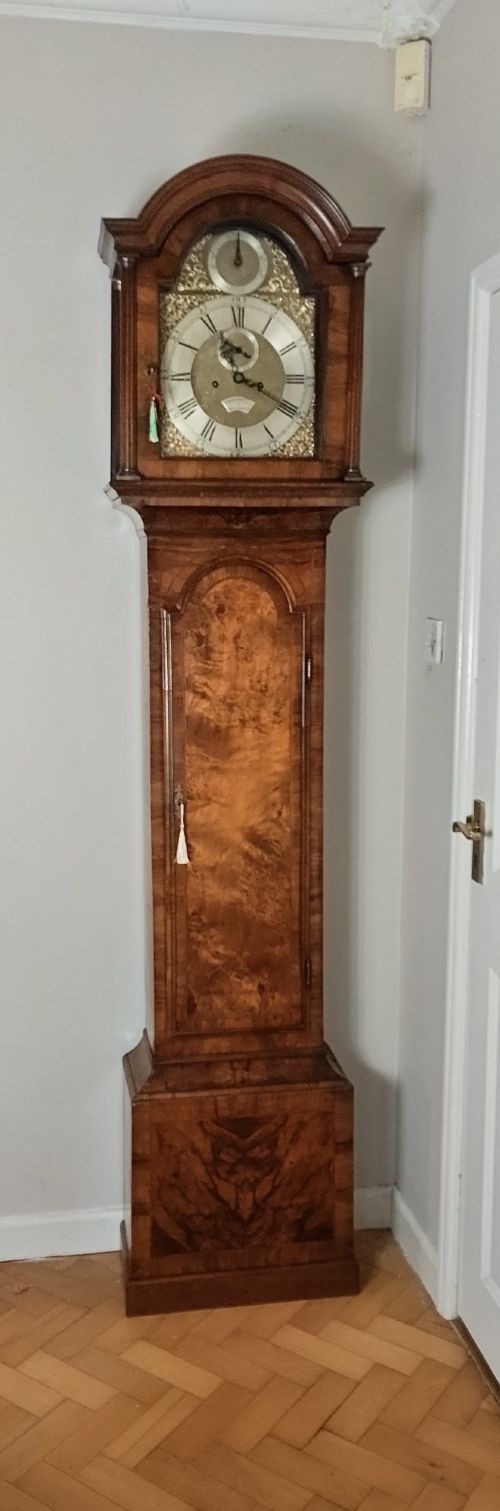
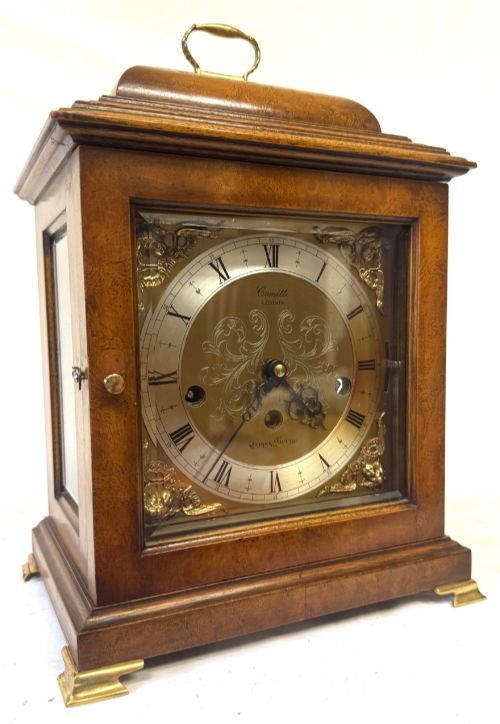
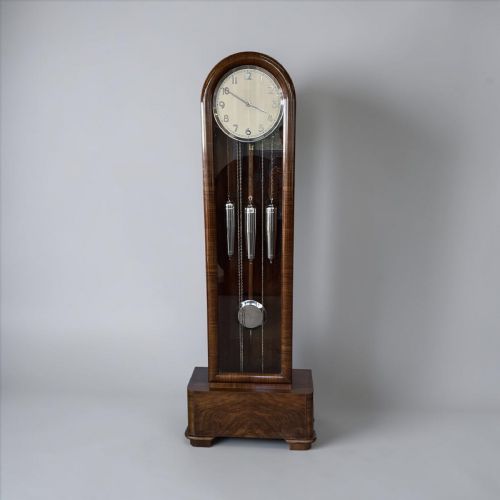
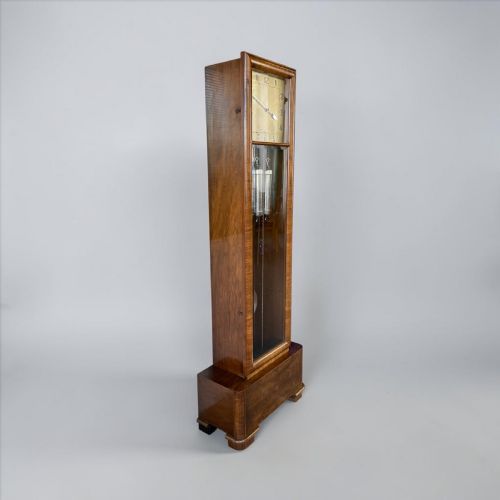
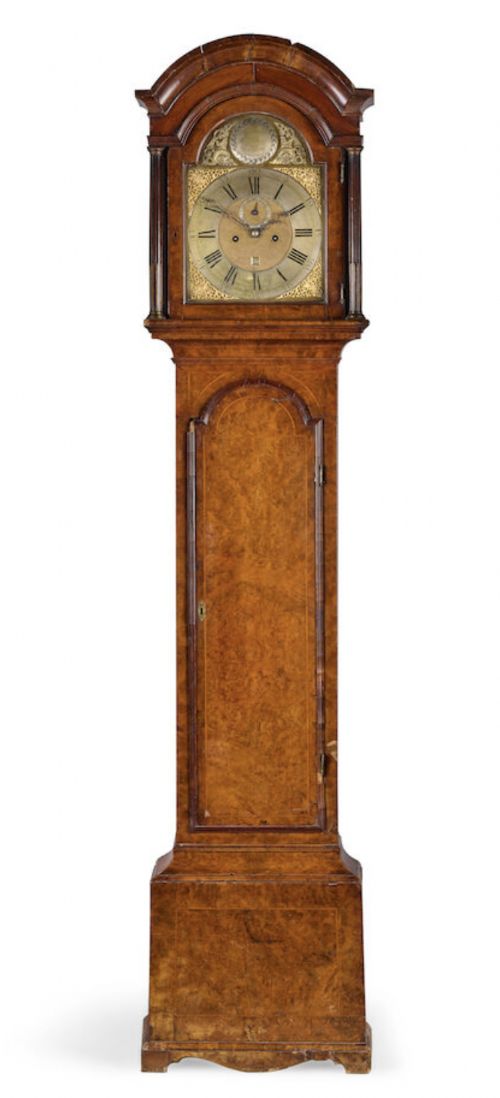
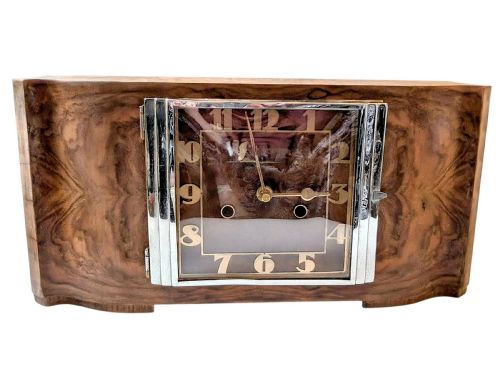
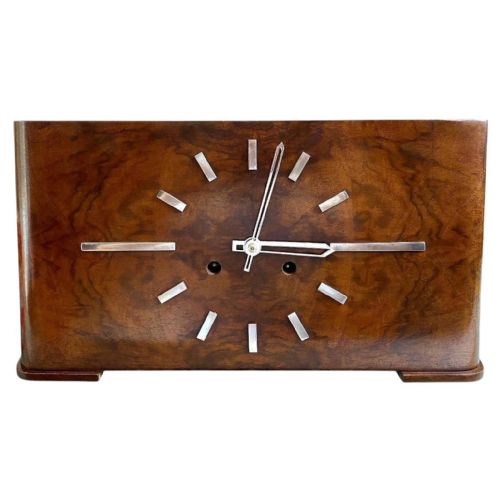
A burr walnut clock encompasses everything from soaring 17th-century longcase examples to compact Art Deco mantel pieces. These horological objects serve both as functional timekeepers and as decorative centerpieces shaped by master cabinetmakers.
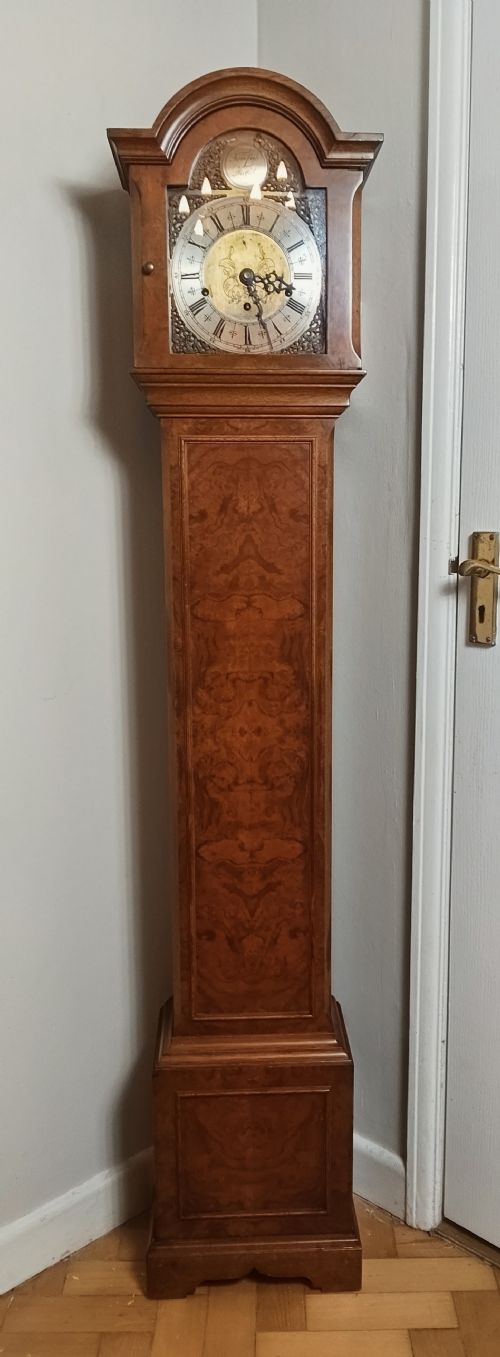
The selections on this page range from monumental grandfather clocks housing musical movements down to petite desk timepieces. Longcase formats and smaller bracket clocks dominate the available pieces across Georgian, Victorian, and 20th-century periods.
Early examples originate from London workshops while later 20th-century iterations reflect modernist shifts in interior design. Buyers frequently encounter chiming mechanisms housed in architectural wooden cases featuring distinct arched or flat tops.
How They Were Made
Craftsmen applied thin veneers of highly figured burr walnut onto solid secondary timbers such as oak or pine, creating rich organic patterns across the primary surfaces. Ebonised wood, brass, and glass frequently complement the main wooden housing.
Burr Walnut Clock Retail Price Guide 2026
Typical asking prices for burr walnut clock among the pieces listed under this phrase on Sellingantiques today, from the lower quarter to the upper quarter. They describe what is for sale here now, not the wider market.
Materials appearing across the inventory include ebonised wood, brass, chrome, glass, and solid walnut.
What Varies in Quality
The visual appeal depends heavily on the symmetry and depth of the burr walnut veneer selected for the principal facade. Master cabinetmakers aligned these swirling grain patterns with deliberate care across the door panels and hoods.
Movement sophistication dictates the upper tier of the market, featuring complex chiming trains and signatures from renowned makers. The survival of original dial work, hands, and untouched surface patination elevates a piece above standard production.
Comitti Of London·Mappin & Webb·Walker and Hall·Windmills and Wightman·Elliott·Haller·Thomas Vernon·Henry Massy·Edin Burgis·Langley Bradley·Lenzkirch·Edward East·Edward Stanton·Joseph Saer·Joseph Windmills·Bentley London·Baldwin of Loughborough·James Drury·Joseph Oxley·Kendal & Dent·John Bagshaw·George Tyler
The Burr Walnut Clock Glossary
- Burr walnut
- A knotted growth on a walnut tree that yields timber with twisted, swirling grain patterns. This wood was sliced into thin veneers for high-end cabinet work.
- Bracket clock
- A portable table or mantel clock originally designed to sit on a wall bracket. Many feature architectural brass carrying handles.
- Longcase clock
- A tall pendulum clock housed in a wooden tower commonly known as a grandfather clock. These floor-standing pieces evolved from 17th-century architectural designs.
- Ting tang
- A quarter-striking movement using two bells to sound the half-hours and quarters. It produces a distinctive dual-note chime.
- Fusee
- A conical pulley used in spring-driven clocks to equalise the declining power of the mainspring as it unwinds. This mechanism ensures consistent timekeeping accuracy.
Burr Walnut Clock: Frequently Asked Questions
Where should I place a longcase clock?
These tall floor-standing timepieces require a stable, dry interior wall away from direct sunlight and fluctuating heat sources. Securing the case to the wall using internal brackets prevents accidental tipping.
Placing the clock on solid flooring rather than bouncy floorboards ensures the pendulum swings freely without interference. Leveling the feet correctly allows the escapement to maintain an even tick.
What is the difference between a grandfather and a grandmother clock?
Grandfather clocks stand tall, typically measuring well over six feet, and accommodate long pendulums and heavy weights. Grandmother clocks are smaller, more slender scaled versions produced primarily during the 20th century.
Both utilise similar weight-driven or spring-driven mechanical principles but occupy vastly different amounts of floor space. The smaller scale made grandmother clocks suitable for modern suburban rooms.
How do I care for burr walnut veneer?
Keeping the wooden case away from direct sunlight prevents the natural walnut tones from fading and the veneer from drying out. Applying a microcrystalline wax periodically nourishes the wood and maintains a protective finish.
Dusting with a soft, dry cloth avoids scratching the delicate polished surface. Excessive humidity or dry radiator heat can cause the thin burr layers to lift from their carcase.