



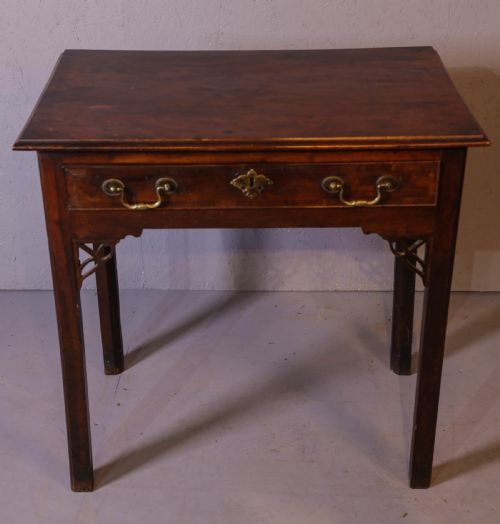


Brown Yew Wood Table
A brown yew wood table brings rich, distinctive grain and warm tone to a room, drawing the eye through deep pattern and age.
Brown Yew Wood Table
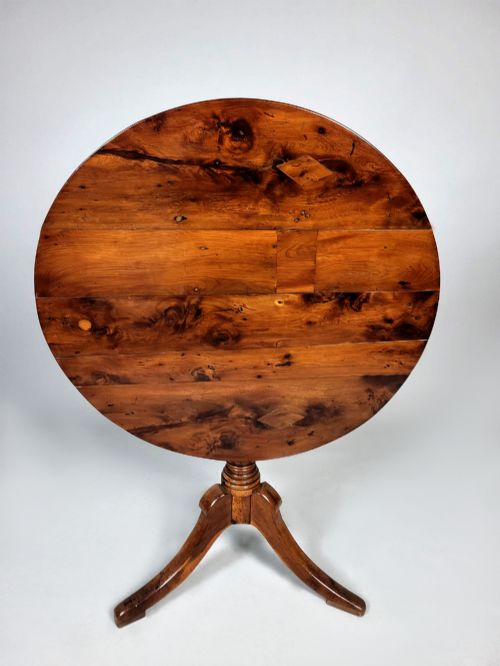
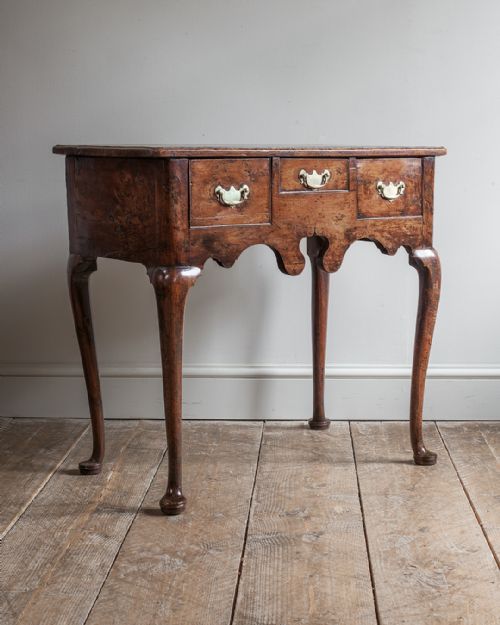
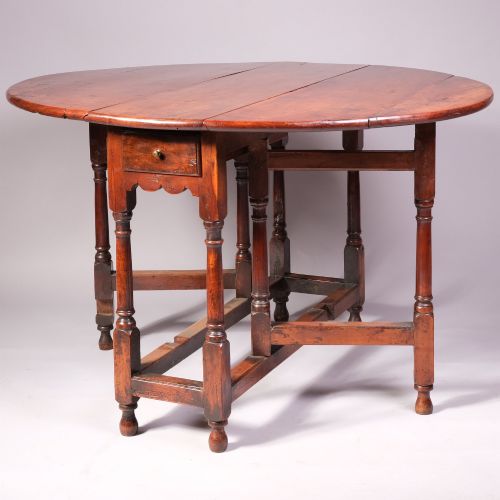
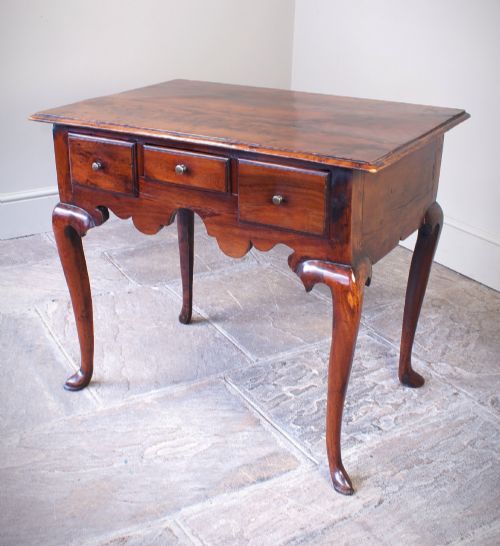
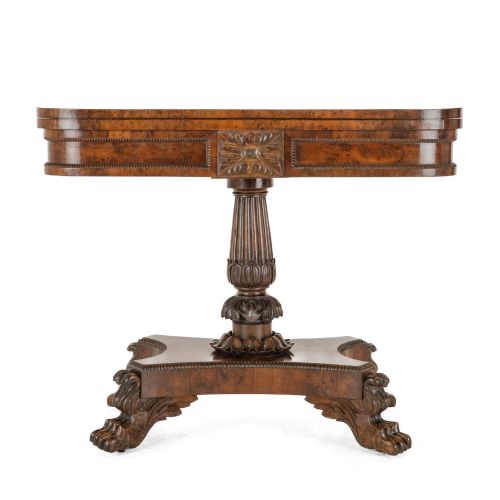
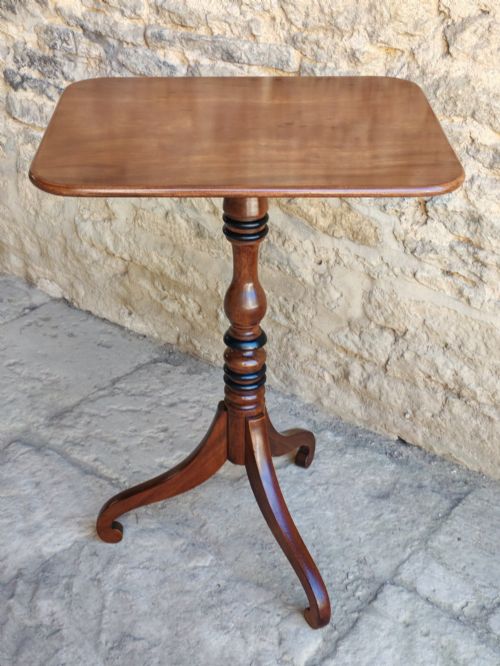
The version most commonly met on this page is the compact occasional or wine table, often standing on a tripod base or functioning as a lowboy or dressing table. Examples range from eighteenth-century gateleg and side tables to nineteenth-century card tables and later twentieth-century iterations.
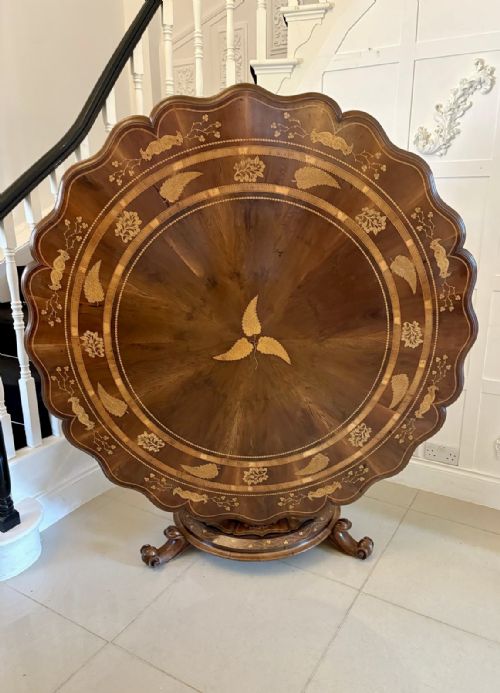
Makers and workshops of the past utilised yew for its dense character and natural figure, frequently combining the timber with oak, mahogany, elm, and brass fittings. Buyers encounter everything from country-made tripod tables to exhibition-quality marquetry centre tables.
The Measure of Quality
Quality rests in the selection of the timber and the depth of the grain, particularly where burr yew veneer is matched across a tabletop. Plain, uniform timber sits at one end, while densely swirled burr patterns and intricate marquetry represent the highest tier.
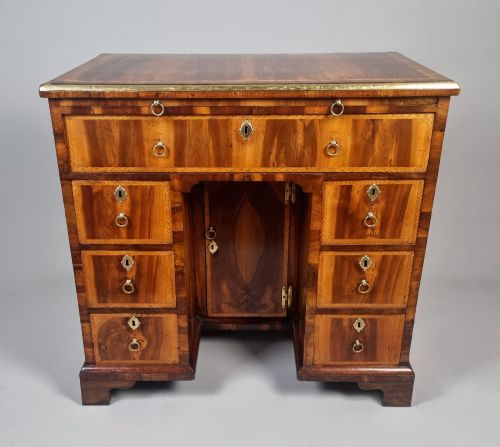
Construction methods also define the standard, distinguishing between robust, country-made pieces built for utility and sophisticated urban items featuring featherbanding, fine turnings, and intact period brassware.
Listings feature pieces spanning the seventeenth century through to the 1930s, encompassing Georgian, Regency, and Victorian styles.
Egan Workshop·Gillows
The Brown Yew Wood Table Glossary
- Burr Yew
- A knotty growth on a yew tree sliced into veneer, producing a swirling, highly decorative grain pattern. Cabinet makers reserved this material for prominent surfaces like table tops and desk lids.
- Lowboy
- A small kneehole dressing table or side table with one or more rows of drawers, standing on relatively tall legs. These pieces date predominantly from the Georgian era.
- Wine Table
- A small, portable circular table on a tripod base, designed for holding glasses or bottles during social gatherings. They became particularly popular during the eighteenth century.
- Featherbanding
- A decorative inlay technique using small strips of veneer arranged in a herringbone or chevron pattern around the edges of a drawer or top. It adds subtle geometric contrast to brown wood furniture.
Brown Yew Wood Table: Frequently Asked Questions
What is a brown yew wood table used for?
These tables served various domestic purposes depending on their specific form, from holding wine glasses and lamps to writing letters or displaying ornaments. Smaller tripod and wine tables moved easily around rooms to provide a convenient surface where needed.
Today, they function primarily as accent furniture in living rooms, hallways, and studies, bringing practical surface space and historic character to modern interiors.
How do I date a yew wood table?
Dating relies on observing structural characteristics, timber preparation, and decorative styles associated with periods like the Georgian, Regency, or Victorian eras. Hand-cut joints, original brass hardware, and secondary woods offer strong clues to a piece's age.
Comparing the turning styles on legs and pedestals with known period examples helps narrow down the decade of manufacture. Grain selection and finish also shift across centuries, from early country craftsmanship to later exhibition pieces.
How do I care for a yew wood table?
Yew wood thrives in stable indoor environments away from direct sunlight and sudden temperature shifts, which can cause timber to dry or warp. Regular dusting with a soft, dry cloth preserves the finish without harming the historic surface.
Applying a quality beeswax periodically nourishes the wood and enhances the natural warmth of the grain. Avoid placing hot items or liquids directly onto the polished surface to prevent water rings and heat damage.
Are all yew wood tables made entirely of solid yew?
Many tables utilise yew only for the primary visible surfaces, such as table tops or drawer fronts, while employing secondary woods like oak, mahogany, or elm for internal frames and carcases. Burr yew was particularly precious, leading makers to use it as a fine veneer over more stable base timbers.
Country-made pieces are more likely to feature solid yew throughout, whereas formal urban furniture often combines solid structural elements with decorative veneers.