


Brown Wool Runner
These brown wool runner pieces are hand-knotted and flatwoven tribal floor coverings that bring genuine nomadic warmth and texture to a hallway.
Brown Wool Runner
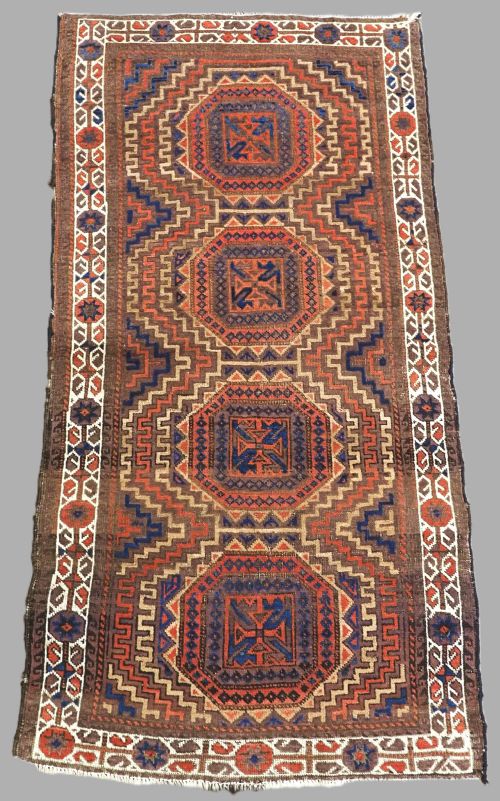
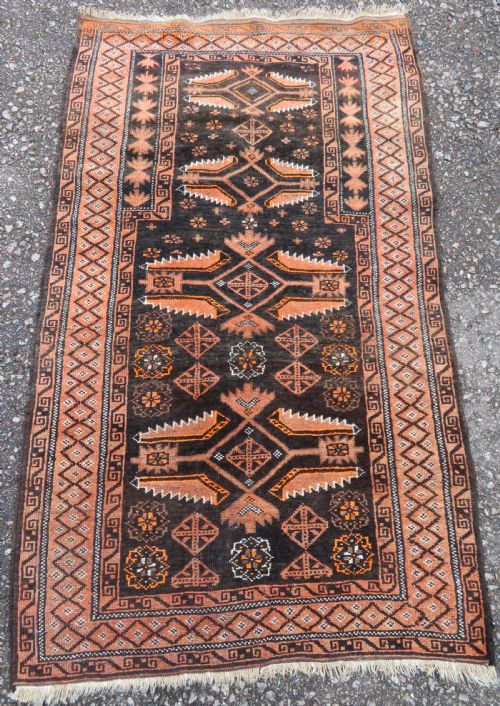
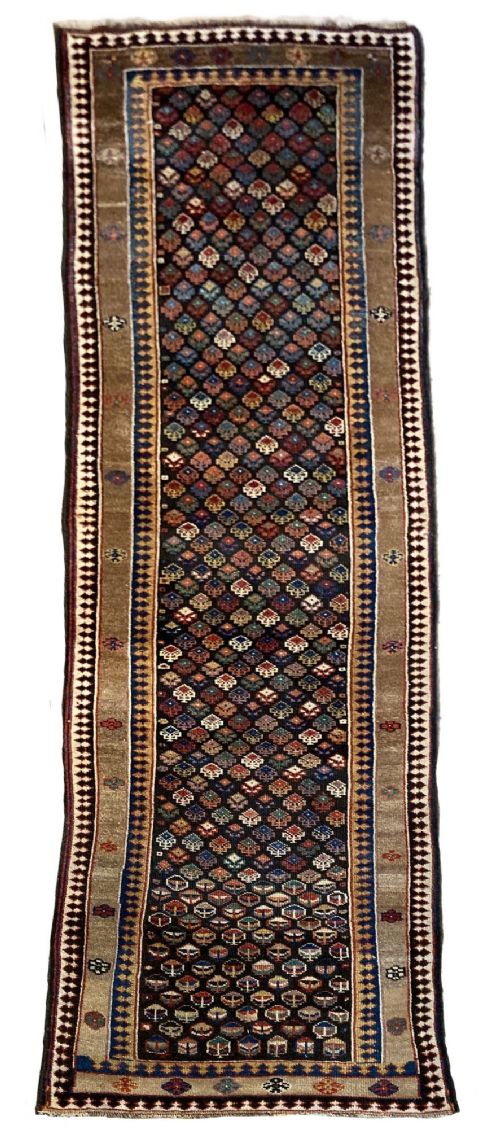
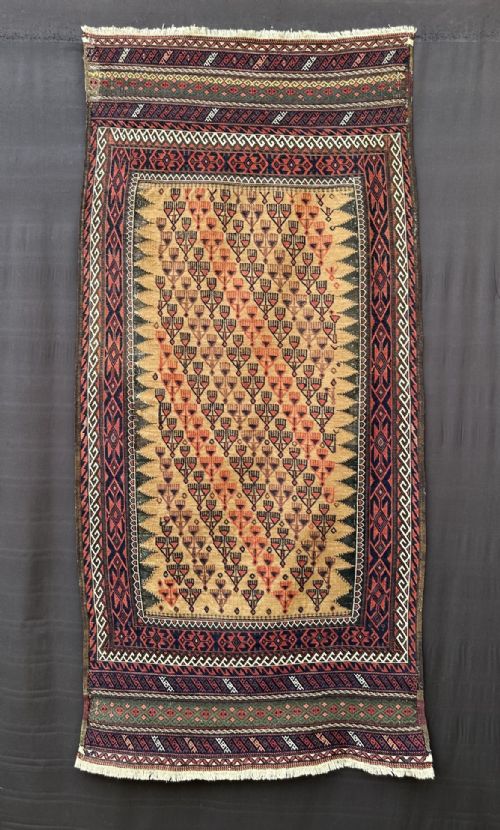
A brown wool runner is a long, narrow tribal or village floor covering designed for corridors, hallways, and narrow spaces. The pieces listed on this page span from the 1870s to the 1920s, originating from regions such as the Caucasus, Khorasan, and various Afghan tribal areas.
Buyers will encounter several distinct regional styles, including Afghan Ersari Turkmen, Baluch tribal weaves, and Karabagh pieces with European-influenced designs. Forms range from knotted pile carpets to flatwoven kilims constructed with bands of weftwork.
Most examples rely on traditional village and nomadic formats, often featuring repeated geometric guls or structured medallion layouts. These narrow formats reflect the practical demands of nomadic tent architecture and traditional dwellings.
Construction and materials
These textiles are constructed primarily from wool pile and wool foundations, occasionally incorporating natural dyes and camel hair for specific tones and textures. Cotton also appears within the structural elements of certain regional pieces.
Weavers utilised traditional hand-knotting techniques alongside flatweaving methods such as kilim construction and intricate weftwork bands. The use of natural dye sources gives the brown and earthy colour palettes their characteristic depth and subtle tonal variation.
Brown Wool Runner Retail Price Guide 2026
Typical asking prices for brown wool runner among the pieces listed under this phrase on Sellingantiques today, from the lower quarter to the upper quarter. They describe what is for sale here now, not the wider market.
Nomadic weavers sometimes slipped stray camel hairs straight into the wool mix, leaving a tiny tactile signature of the desert wind in the hallway.
Assessing quality in early runners
Quality in these runners rests on the density of the weave, the crispness of the geometric design, and the integrity of the wool. Tightly packed knots and secure selvedges indicate a higher standard of nomadic craftsmanship.
The choice of materials also dictates the calibre of a piece, particularly where superior grades of wool and rich natural dyes are employed. Pieces that maintain structural stability alongside complex tribal patterning represent the upper tier of the range.
The Brown Wool Runner Glossary
- Gul
- A medallion or primary motif used in Turkmen and other tribal rug designs. These repeating octagonal or geometric shapes often identify the specific weaving tribe.
- Kilim
- A flatwoven textile made without a pile, created by tightly interweaving warp and weft strands. This technique produces a lighter, reversible fabric with crisp geometric patterns.
- Weftwork
- Decorative horizontal bands or supplemental pattern techniques woven into the body of a textile. It adds textural contrast and structural interest to flatwoven tribal pieces.
- Camel hair
- Undyed animal fibre utilised in nomadic weaving for its durable nature and distinct warm brown hue. It ages gracefully with use and exposure.
Brown Wool Runner: Frequently Asked Questions
Where should I place a brown wool runner?
These narrow long rugs suit hallways, corridors, and bedside areas where floor traffic benefits from durable wool texture.
Their elongated proportions are specifically suited to narrow transitional spaces in the home.
How do I date an old runner?
Dating relies on stylistic analysis, material composition, and structural characteristics typical of nineteenth and early twentieth-century village production.
Examining the dye palette and weave structure helps place an item within periods such as the 1870s or 1900s.
What is the difference between pile and kilim runners?
Pile runners feature knotted wool fibres that create a soft, plush surface underfoot, similar to traditional carpets.
Kilim runners are flatwoven without pile, offering a lighter structure formed purely by interlocking warp and weft threads.
Are natural dyes used in these runners?
Many older tribal pieces incorporate natural dye sources, which produce rich, earthy browns and subtle tonal variations across the wool.
These colorants interact with the fibre over decades, creating a softer patina than synthetic alternatives.