


Brown Wool Rug
A brown wool rug brings warmth and deep earthly texture into a room through centuries-old tribal weaving traditions.
Brown Wool Rug
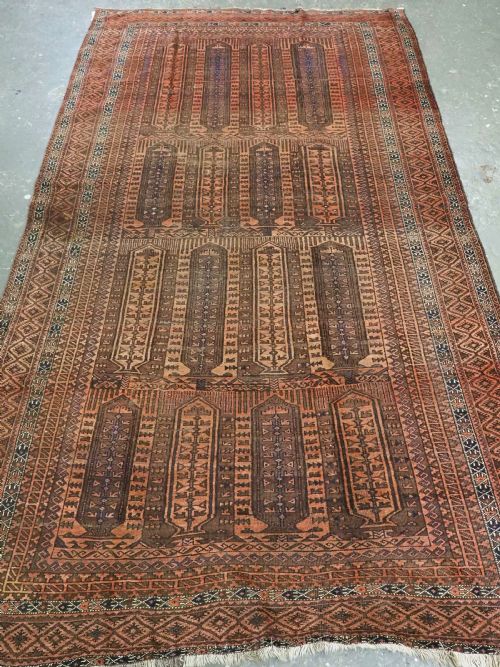
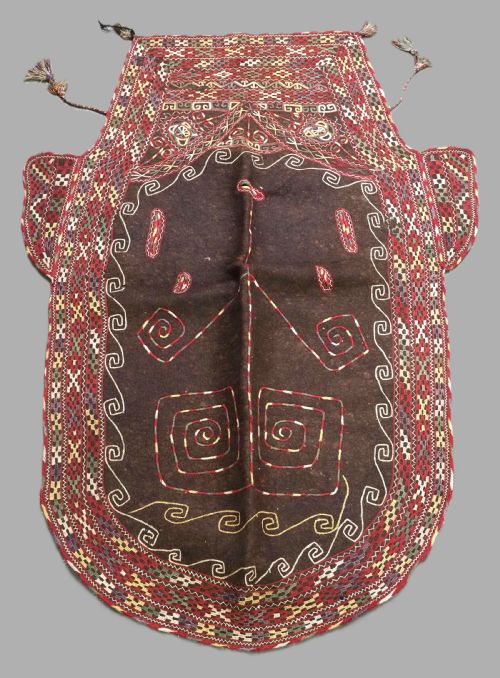
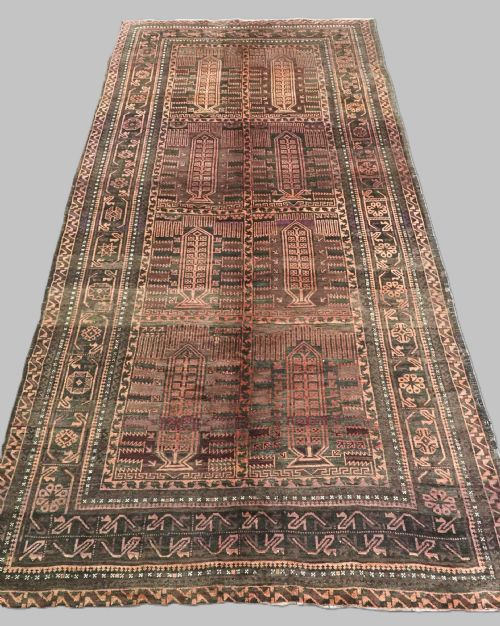
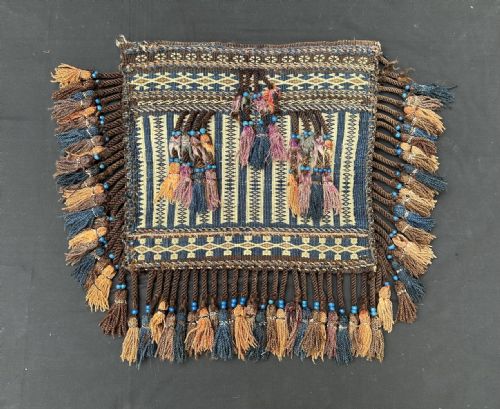
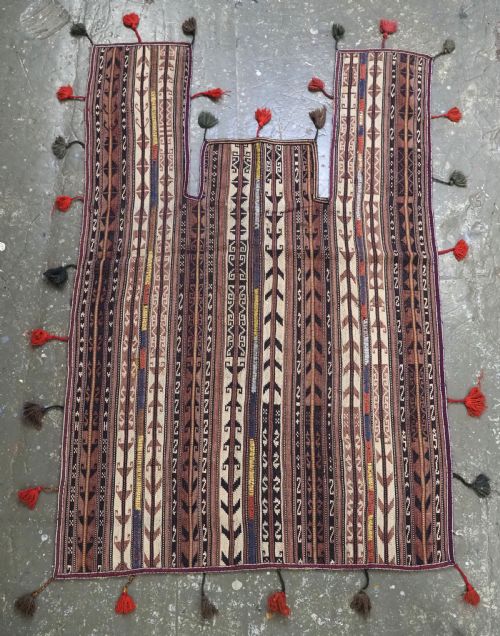
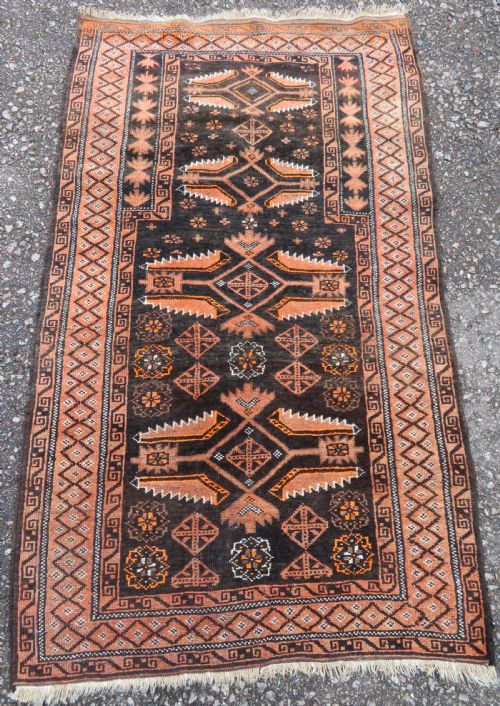
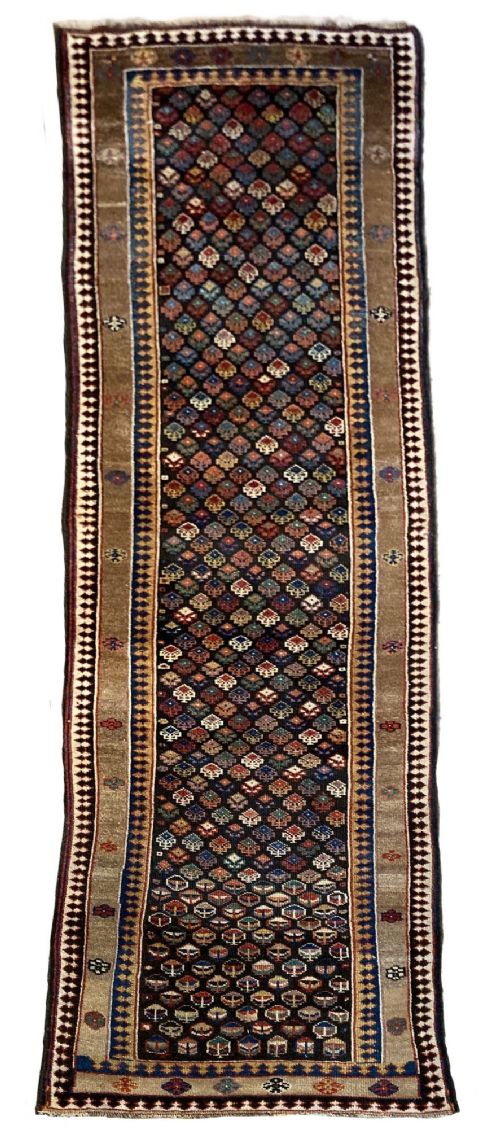
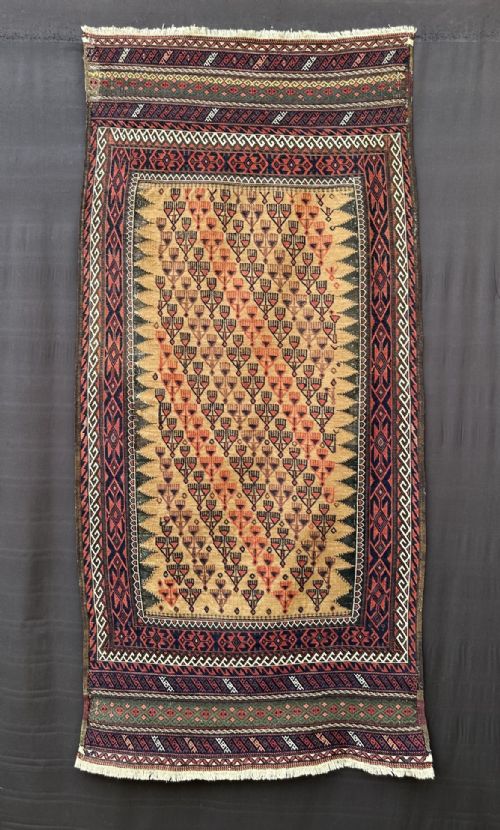
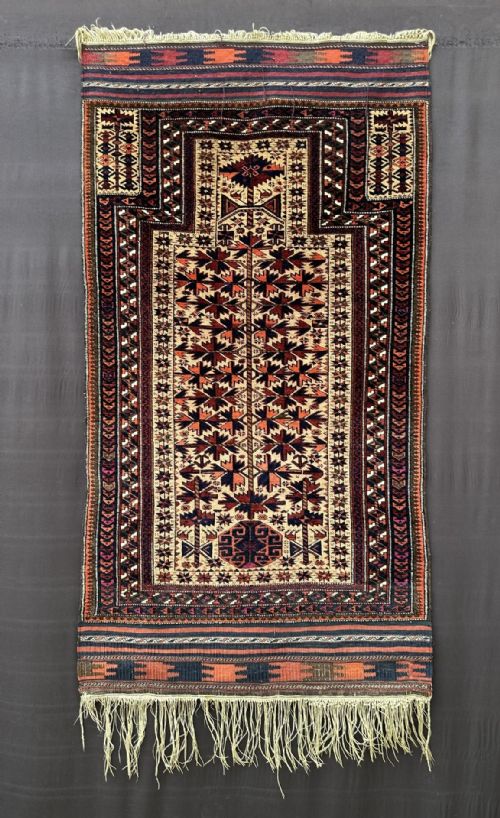
When searching for a brown wool rug, collectors explore a diverse selection of tribal and nomadic textiles originating from Persia, Afghanistan, Central Asia, and the Caucasus. These pieces include prayer rugs, village carpets, long runners, and storage bags created by various regional groups.
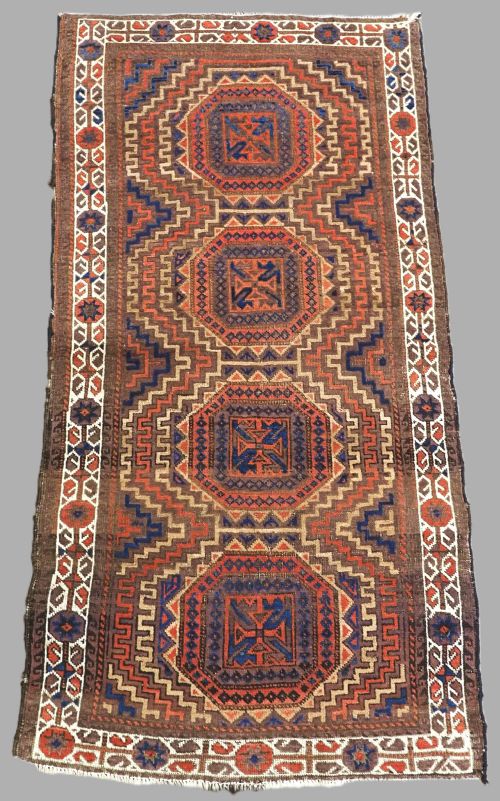
The versions most commonly met on this page date from the late nineteenth century up to the 1930s, reflecting the rich heritage of weaving traditions such as Baluch, Turkmen, and Kurdish tribal work. These antique floor coverings and flatweaves display characteristic motifs, including guls, mihrabs, and geometric borders rendered in natural earth tones.
Makers ranged from nomadic pastoralists crafting utility items for daily camp life to village weavers producing formal carpets for trade and domestic use. Each piece carries the distinct regional identity and practical purpose of its maker, from horse blankets to bread sofrehs.
How they were made
The primary material utilised across these pieces is hand-spun wool, often paired with cotton foundations, goat hair, and occasionally camel wool or felted wool for specialised ceremonial items. Weavers utilised natural dyes to achieve durable, rich tones that mellow gracefully over time.
Construction techniques vary from pile weaving and tapestry-like flatweaves to intricate embroidery on felt panels. Artisans employed traditional upright and horizontal looms to produce durable textiles designed to withstand rigorous daily use in nomadic and village environments.
Brown Wool Rug Retail Price Guide 2026
Typical asking prices for brown wool rug among the pieces listed under this phrase on Sellingantiques today, from the lower quarter to the upper quarter. They describe what is for sale here now, not the wider market.
Listings demonstrate a strong concentration of pieces from Turkmen, Baluch, and Kurdish tribal traditions, utilising wool, natural dyes, and felt.
What varies in quality
Quality in these tribal textiles depends upon the tightness of the weave, the handling of the wool, and the depth of the natural dye palette. Finer knots and meticulously beaten-down wefts create denser, more resilient structures that preserve intricate geometric designs over generations.
The artistry and precision of the tribal motifs, such as guls or prayer arches, dictate the aesthetic standing of a piece. Well-balanced proportions, complete original borders, and intact kilim ends elevate examples from standard utility items to masterworks of nomadic textile art.
The Brown Wool Rug Glossary
- Gul
- A repeating octagonal medallion motif frequently found in Turkmen and Baluch tribal carpets. These motifs often act as clan signatures or protective symbols.
- Mihrab
- A niche design symbolising the prayer focal point, commonly seen in Islamic prayer rugs. It guides the user in ritual placement.
- Sofreh
- A spread or cloth used for dining, kneading bread, or serving food in Persian and tribal households. They are typically flatwoven textiles of practical utility.
- Torba
- A small tent-bag or storage pouch traditionally hung inside a yurt or nomad tent. These pieces often exhibit meticulous banded flatweave or pile designs.
- Kilim
- A tapestry-woven carpet or rug produced without a pile. They rely on tightly packed horizontal wefts concealing vertical warps to form crisp geometric patterns.
Brown Wool Rug: Frequently Asked Questions
How do I clean a antique wool rug?
Regular gentle vacuuming without a rotating beater bar helps remove trapped dust from the wool pile. Professional specialist cleaning is recommended for addressing deeper soiling or preservation concerns.
Water and harsh chemical detergents should be avoided to protect the natural dyes and hand-spun wool fibres from damage or bleeding.
Where were these tribal rugs made?
The pieces originate from nomadic and village communities across Persia, Afghanistan, the Caucasus, and wider Central Asia. Tribal groups such as the Baluch, Yomut, Ersari, and Kurdish weavers produced them for personal use or local trade.
Each region developed distinct geometric vocabularies and colour palettes influenced by local sheep breeds and available plant dyes.
How can I tell the age of a rug?
Dating relies on assessing the wool quality, dye consistency, structural wear patterns, and regional design traits. Natural dye variations and hand-spun inconsistencies typically point towards production before synthetic dyes became widespread.
Comparing specific tribal motifs and structures against documented historical examples helps narrow down the period of manufacture.