


Brown Wool Area Rug
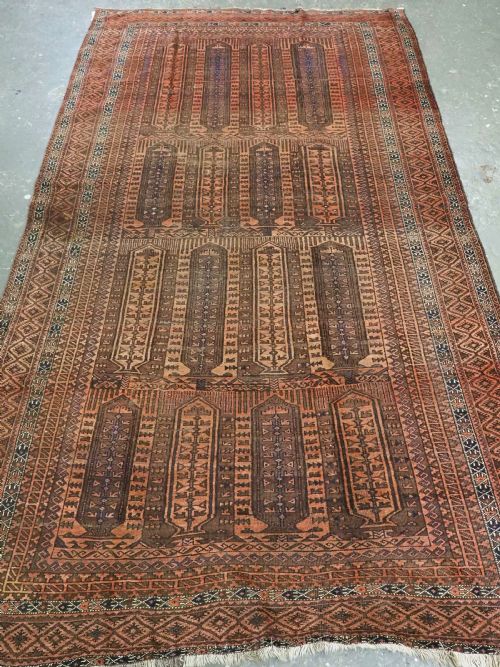
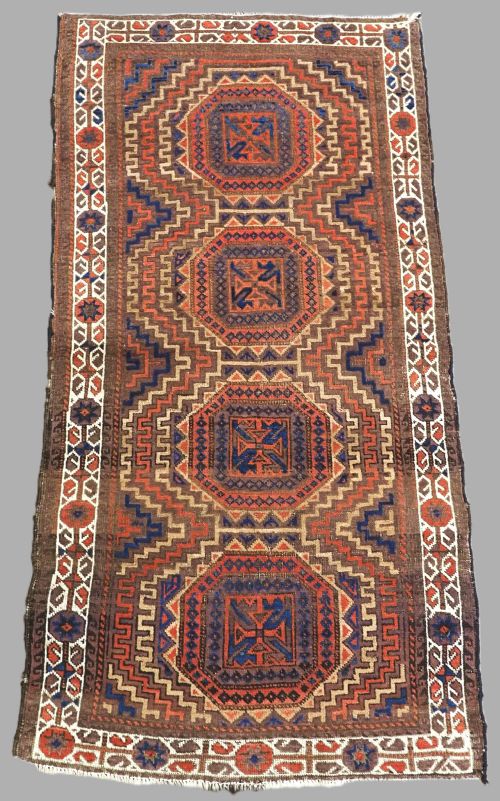
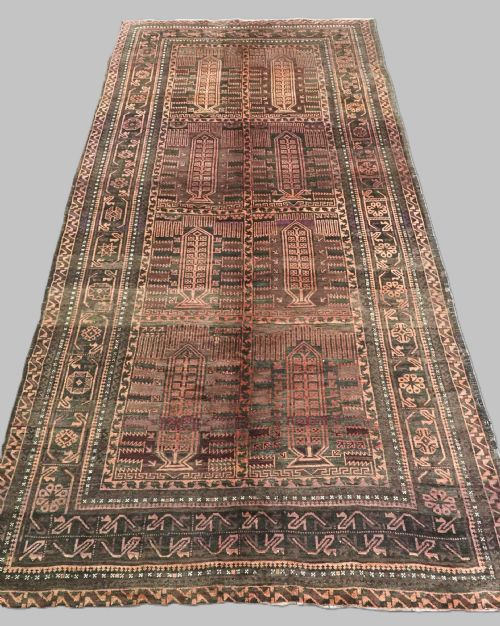
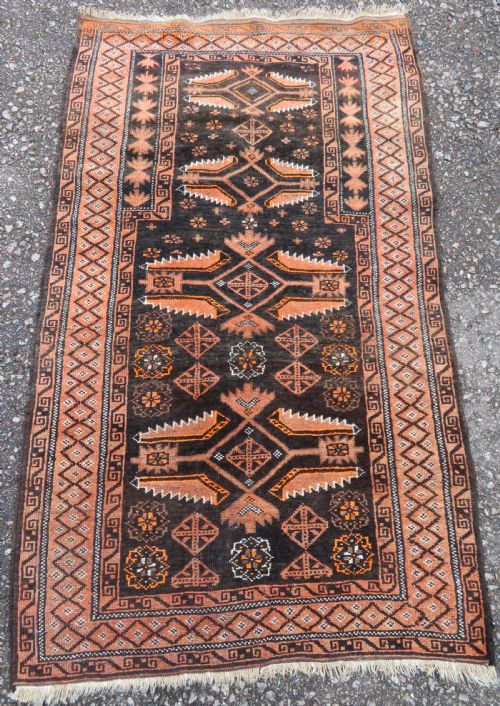
A brown wool area rug brings enduring tribal character and grounding texture into a room through centuries-old nomadic traditions.
Brown Wool Area Rug
A brown wool area rug on this page typically originates from tribal and nomadic weaving traditions across Central Asia, Persia, and the Caucasus, spanning the late nineteenth century to the early twentieth century. These floor coverings encompass diverse formats such as main carpets, prayer rugs, runners, and flatwoven kilims created by groups including the Baluch, Turkmen, Kurdish, and Afghan communities.
The aesthetic centres on regional motifs like guls, prayer mihrabs, and geometric symbols rendered in deep earthy tones. Village and nomadic weavers utilised local wool resources to produce functional textiles that double as storytelling canvases of tribal heritage.
Distinctions in craftsmanship and material execution
Quality separates along the fineness of the weave and the handled integrity of the wool fibres. Tighter knot density and precise execution of complex tribal motifs indicate superior regional workshops or master weavers.
The vibrancy and stability of natural dyes also dictate worth, as well-preserved surfaces retain rich undertones without excessive fibre degradation. Uniformity in spinning and structural balance distinguish exemplary tribal output from standard utilitarian pieces.
Some weavers quietly hid stray goat hairs inside serious tribal carpets just for luck.
The Brown Wool Area Rug Glossary
- Gul
- A medallion or repeating octagonal motif commonly used in Turkmen and Central Asian tribal weaving. These designs often identify specific clans or lineages.
- Kilim
- A flatwoven textile produced without a pile by tightly interweaving warp and weft threads. They offer lightweight versatility and sharp geometric patterns.
- Mihrab
- A arched niche design featured prominently on prayer rugs, representing the direction of Mecca. Weavers adapt this architectural form into portable devotional textiles.
- Warp
- The vertical structural threads stretched tightly on the loom before weaving begins. The foundation bears the tension of the entire carpet.
- Weft
- The horizontal threads passed alternately over and under the warp threads to bind the knots in place. This material creates the horizontal grid of the textile.
Brown Wool Area Rug: Frequently Asked Questions
How do I clean an antique wool rug?
Gentle surface brushing and professional specialist washing preserve fragile natural fibres and historic dyes without causing structural water damage.
Avoid harsh chemical detergents or modern immersion methods that strip natural lanolin from the wool and weaken the handmade foundation.
Where should I place a tribal rug?
These textiles anchor low-to-medium traffic spaces such as studies, bedrooms, and quiet seating areas where natural wool benefits from reduced friction.
Pairing the textile with a breathable underlay protects the historic foundation from slipping and reduces wear against hard wooden floors.
Are these rugs entirely handmade?
Traditional nomadic and village pieces rely completely on manual labour, from hand-spinning sheep wool to hand-knotting individual pile tufts on vertical or horizontal looms.
Hand-spun yarns display slight irregularities in thickness and dye absorption, confirming the absence of industrial manufacturing processes.