


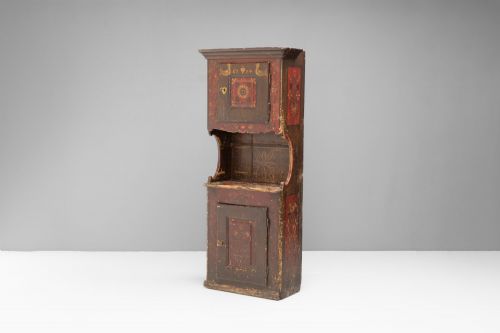
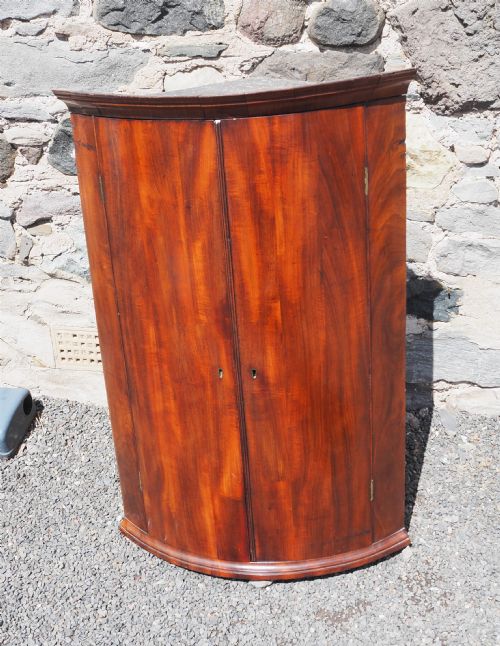
Brown Wooden Wall Cabinet
A brown wooden wall cabinet brings warmth and practical storage to compact spaces, spanning centuries of timber craftsmanship from Georgian oak to Arts and Crafts design.
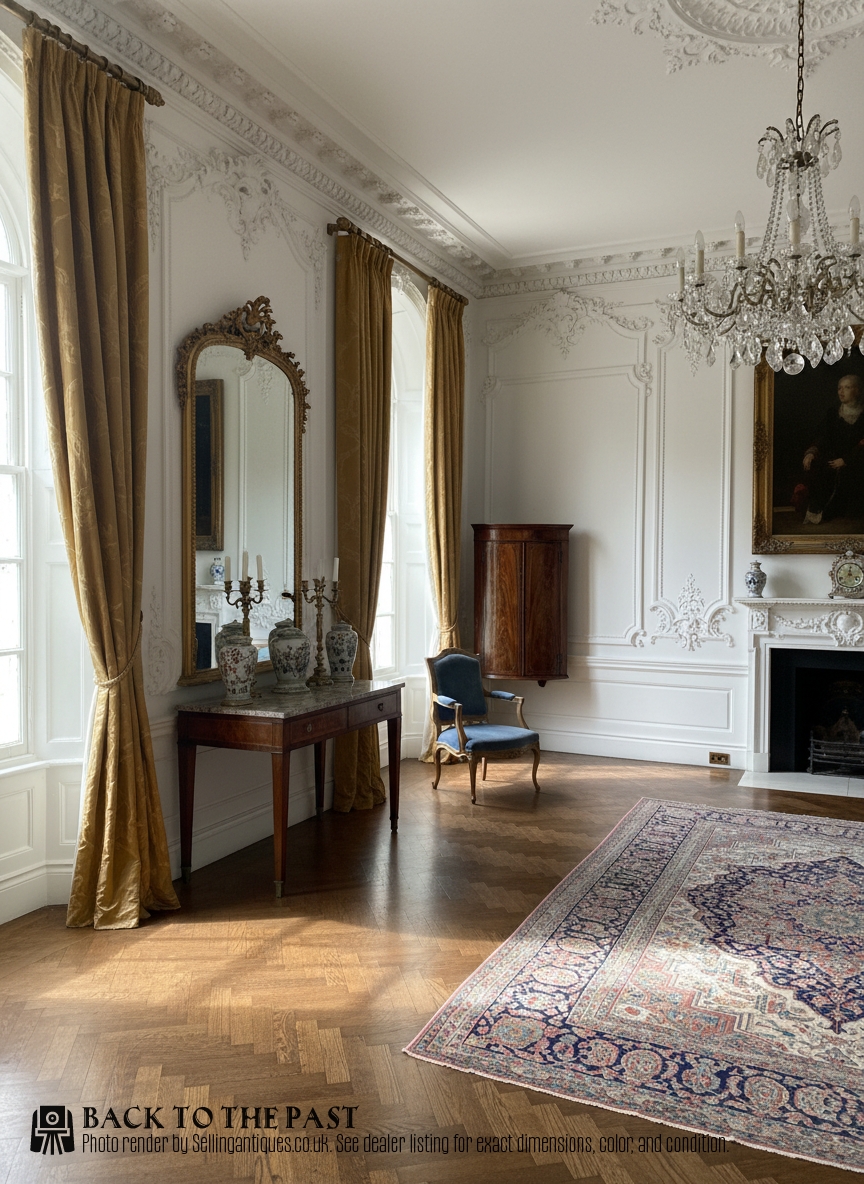
Brown Wooden Wall Cabinet
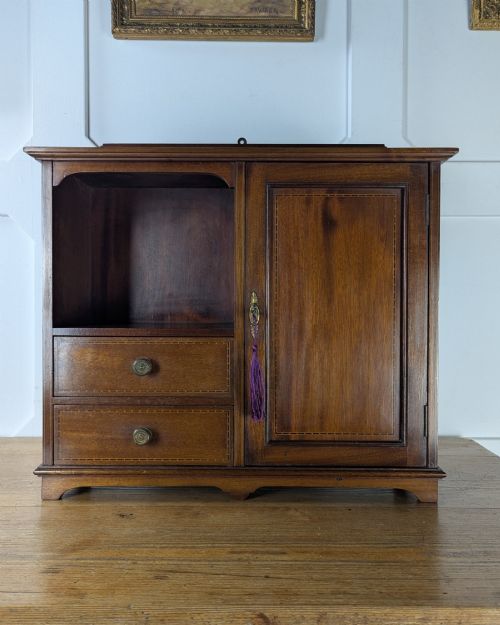
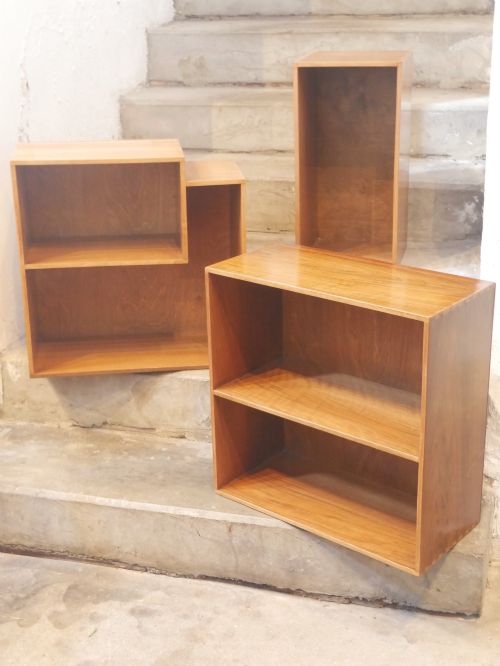
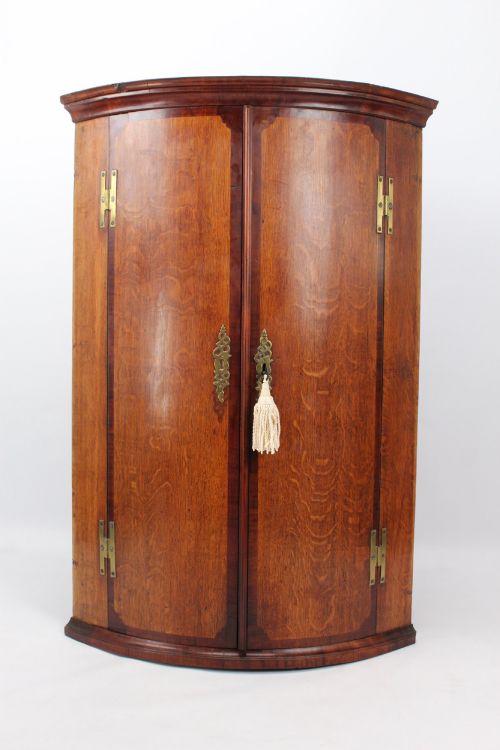
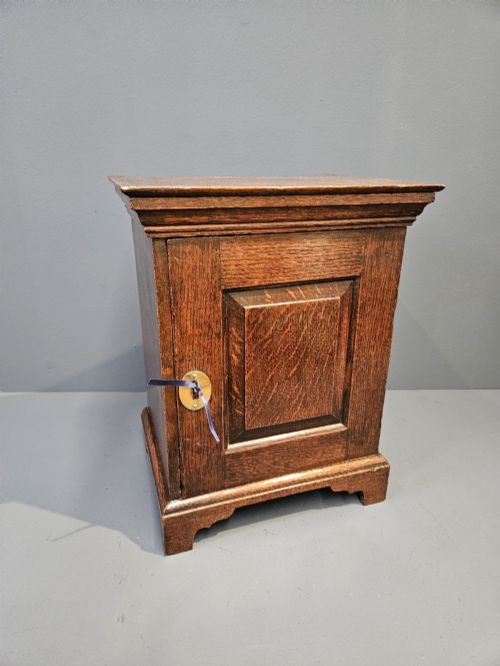
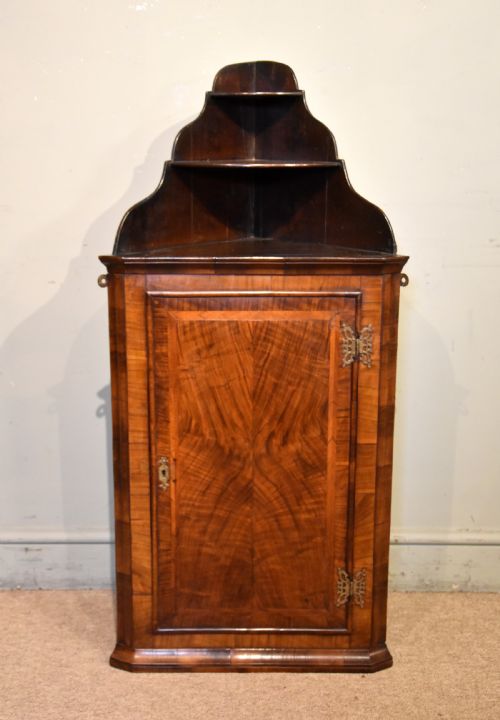
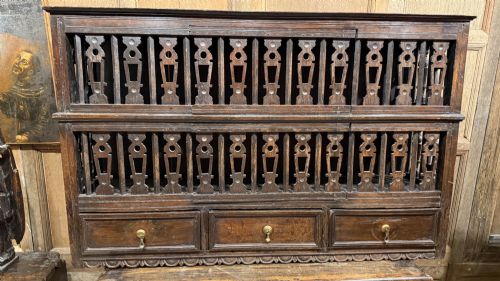
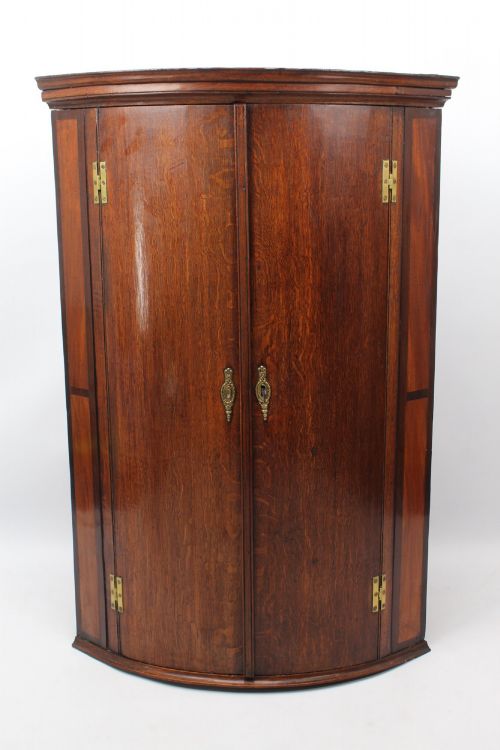
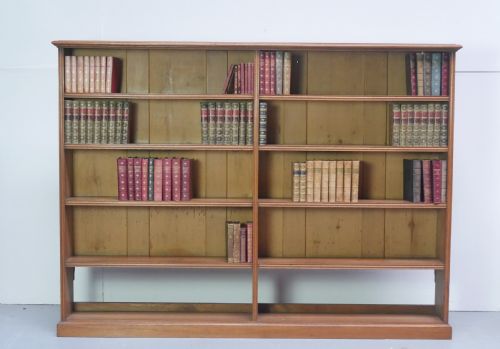
The most common forms on this page include Georgian and Victorian corner cupboards in oak or mahogany, alongside hanging spice cabinets and Arts and Crafts wall units. Their origins stretch across British, French, Italian, and Scandinavian workshops, reflecting diverse regional tastes in timber treatment and joinery.
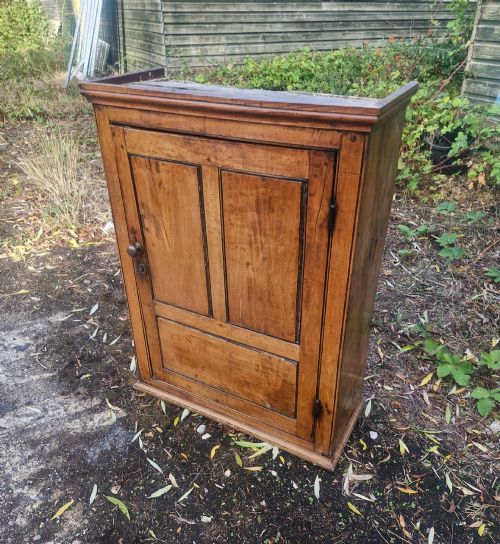
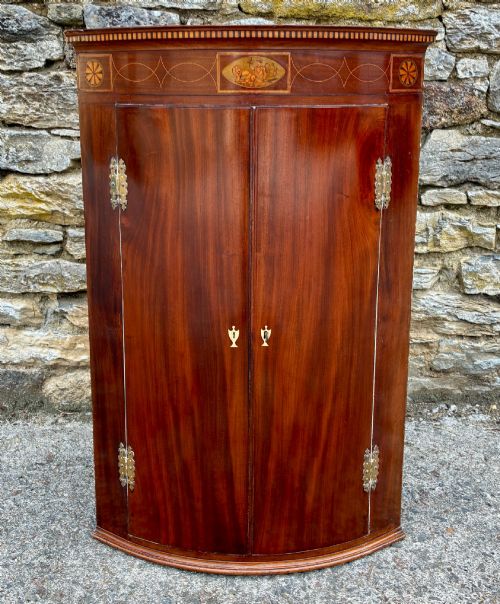
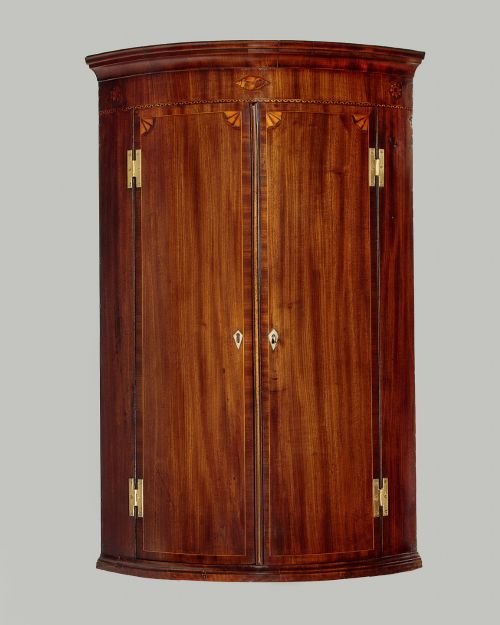
Formats range from simple single-door pine boxes to bow-fronted mahogany corner units with intricate inlay and brass hardware. Each iteration demonstrates how past makers solved the perennial problem of domestic storage without cluttering the floor.
What varies in quality
Quality in a brown wooden wall cabinet rests on the selection of timber and the precision of the underlying joinery. Superior pieces display finely figured grain matched across doors and panels, with tight dovetails that remain sturdy after centuries of hanging.
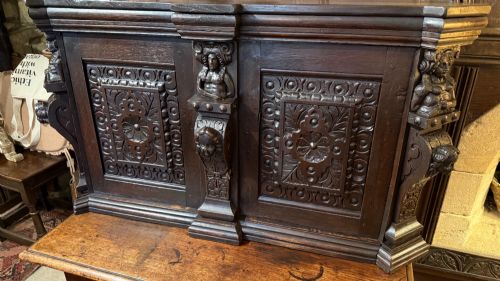
The sophistication of decorative elements also distinguishes finer examples, from crisp, deep hand-carving to delicate string inlay and well-cast brass furniture. Secondary woods used for interiors and backs should match the period standards of the primary timber.
Proportion and structural integrity define the most successful pieces, where cornices, doors, and sides align harmoniously without sagging or warping under their own weight.
Brown Wooden Wall Cabinet Retail Price Guide 2026
Typical asking prices for brown wooden wall cabinet among the pieces listed under this phrase on Sellingantiques today, from the lower quarter to the upper quarter. They describe what is for sale here now, not the wider market.
The listings on this page span several centuries, with oak and mahogany appearing most frequently across wall cupboards and corner units.
Arthur Simpson·Heals·H. Upmann
The Brown Wooden Wall Cabinet Glossary
- Bow front
- A convex curved cabinet front that projects outward in a smooth arc. This shape became particularly popular during the Georgian period on mahogany corner cupboards.
- Corner cupboard
- A specialised storage unit built or shaped to fit neatly into a ninety-degree room corner. They maximise awkward junctions and were staples of eighteenth-century dining rooms.
- Fielded panel
- A central wooden panel with its edges bevelled or thinned to fit into a surrounding grooved frame. This technique lightened the visual weight of the door while accommodating wood movement.
- Spice cupboard
- A small wall-mounted cabinet fitted with multiple tiny internal drawers for storing precious culinary ingredients. They often feature neat panelled doors and date predominantly from the seventeenth and eighteenth centuries.
- Escutcheon
- A protective plate surrounding a keyhole, usually made of brass or bone. On antique cabinets, these decorative mounts prevent the wood from splintering around the lock.
Brown Wooden Wall Cabinet: Frequently Asked Questions
How do I hang an antique wall cabinet safely?
Most antique wall cabinets were designed to be secured through their backboards or via sturdy internal fixing blocks into solid wall studs. Ensure your fixings match the weight of dense hardwoods like oak and mahogany.
For heavier pieces, consult a professional installer to distribute the load evenly and protect fragile historical joints from undue strain.
What rooms suit a wooden wall cabinet best?
These compact cupboards excel in kitchens, bathrooms, and hallways where floor space is at a premium. A glazed corner unit works well in a dining room for displaying ceramics, while a spice cupboard adds character to a modern kitchen.
Avoid placing antique timber cabinets in areas subject to extreme dampness or direct, harsh sunlight to preserve the finish.
How do I tell a Georgian cabinet from a Victorian one?
Georgian pieces tend to feature cleaner architectural lines, subtle mahogany or oak veneers, and understated brass fittings. Victorian examples often display heavier carving, darker finishes, and more eclectic revival styles.
Examining the construction methods inside the carcass, such as hand-sawn boards versus machine-cut elements, also helps clarify the period.
How should I clean the wood surface?
Dust the cabinet regularly with a soft, dry cloth to prevent dirt accumulation in carved details and mouldings. Avoid modern aerosol polishes containing silicone, which can build up and degrade historic wax finishes.
Apply a microcrystalline wax or traditional beeswax sparingly once or twice a year to nourish the timber and maintain its natural lustre.