

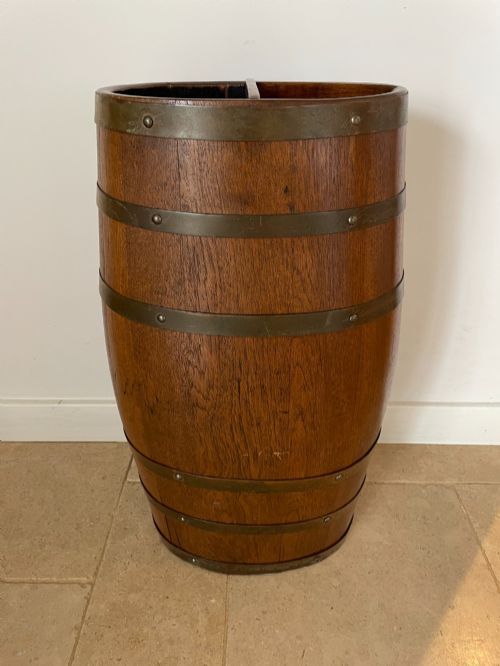
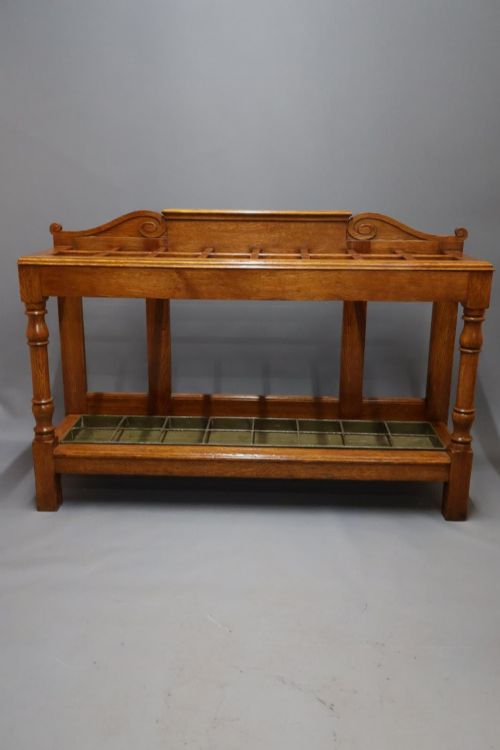

Brown Wooden Walking Cane
A brown wooden walking cane offers daily support or conceals a sharp blade, spanning periods from the Victorian era to the 1920s.
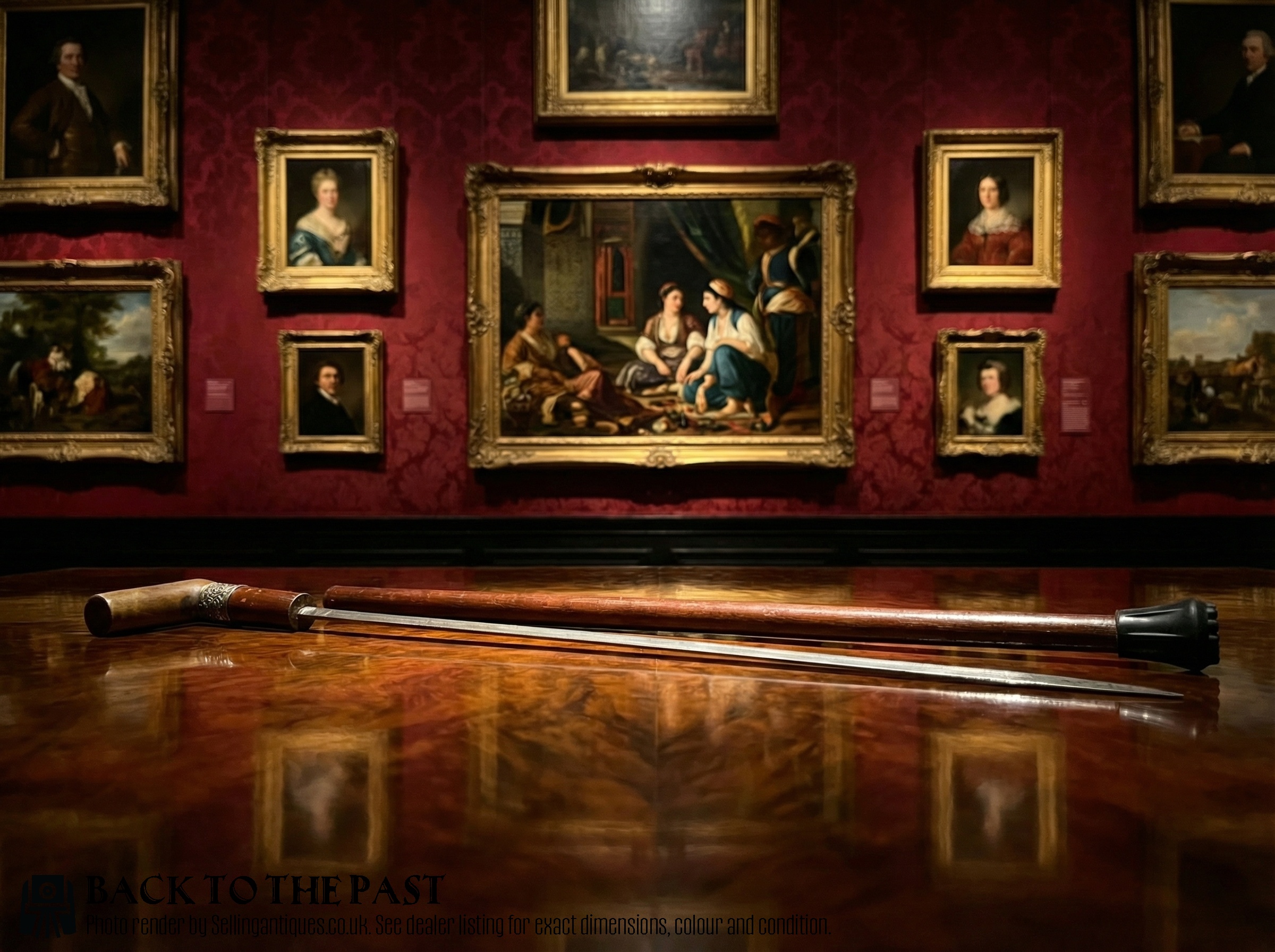
Brown Wooden Walking Cane
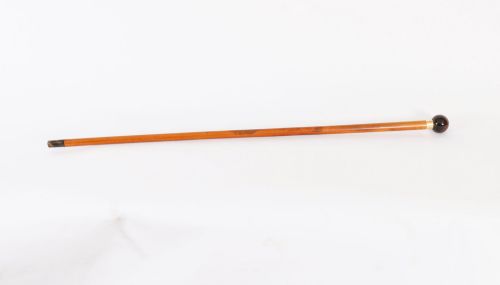
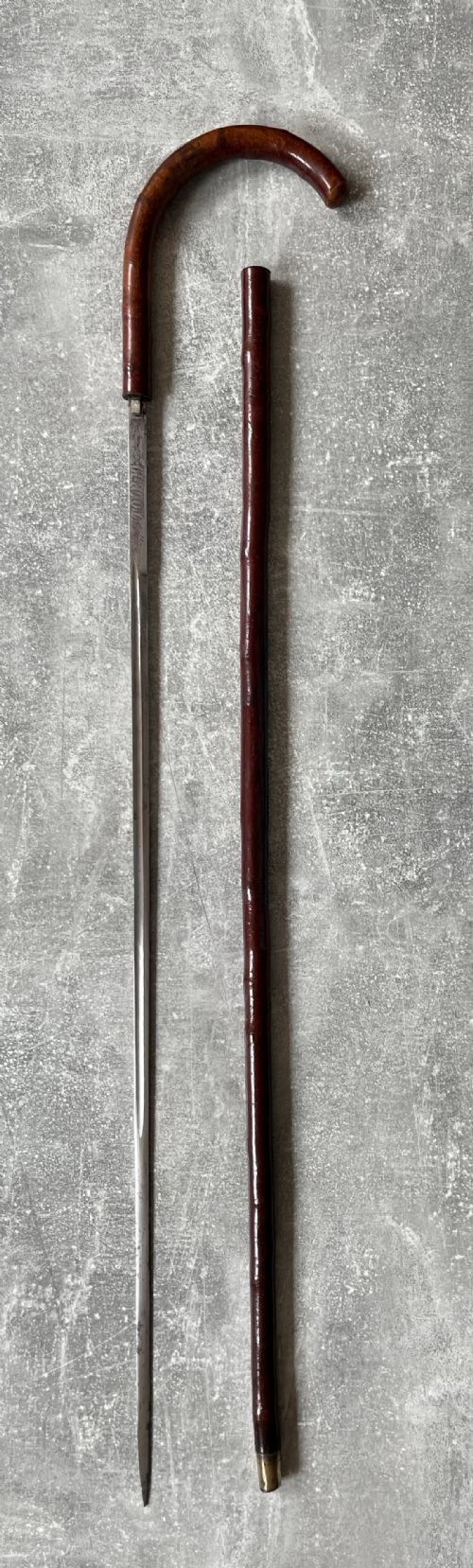
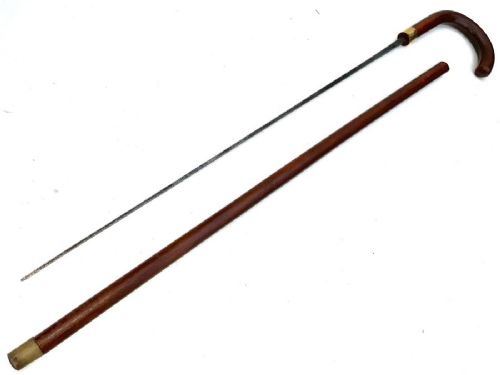
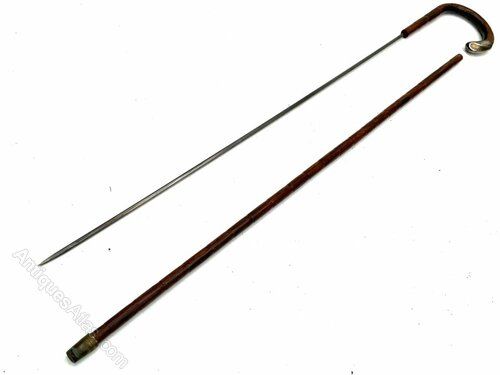
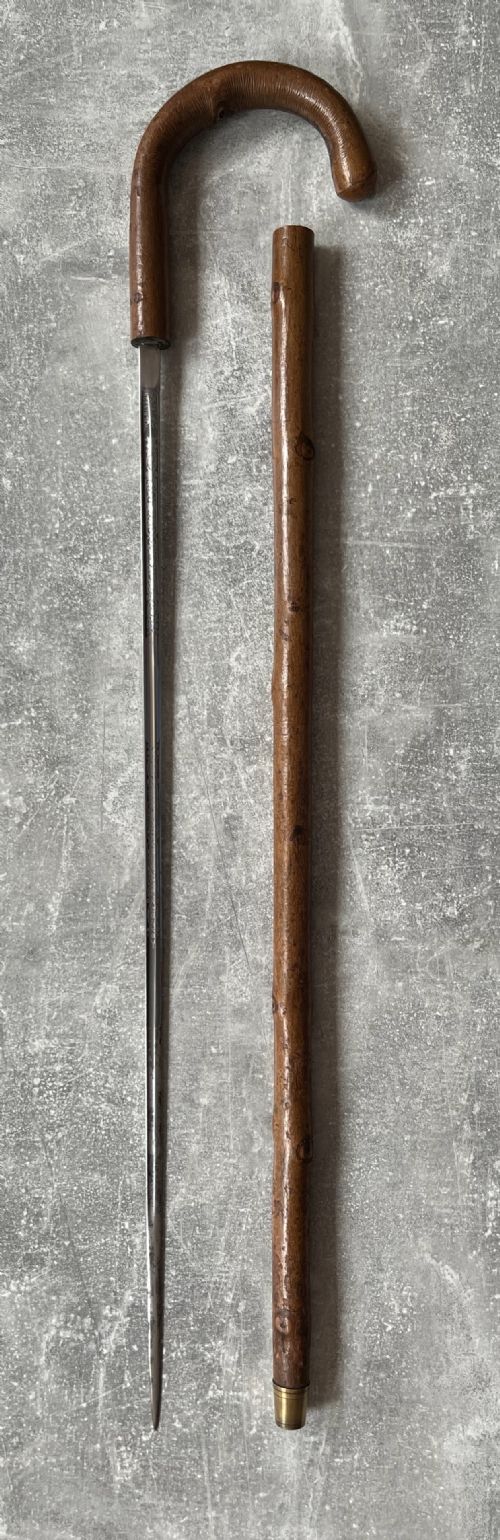
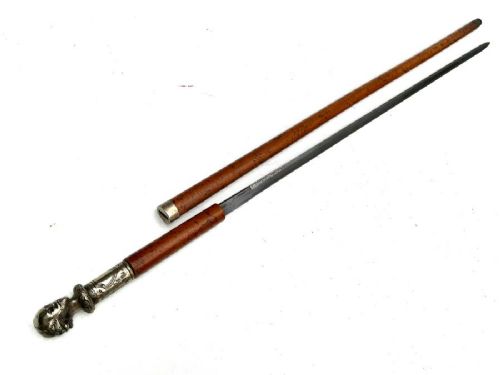
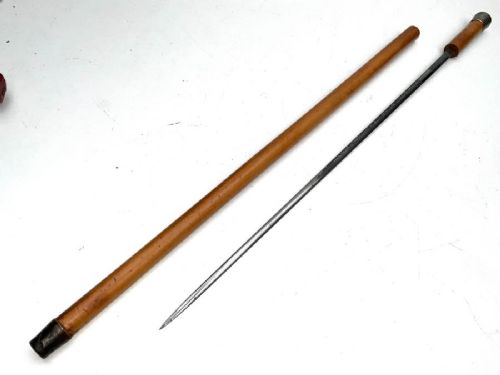
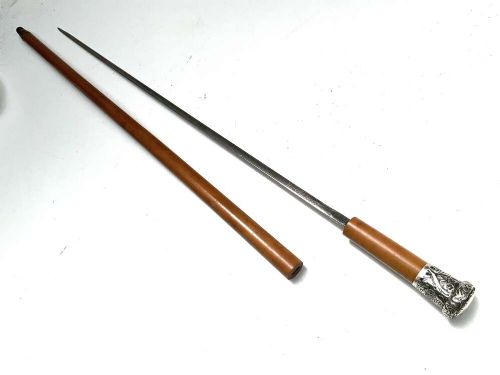
A brown wooden walking cane encompasses various handheld supports and concealed-blade implements found across the Victorian, Edwardian, and early twentieth-century periods. These items range from simple natural wood shafts to sophisticated gentleman's accessories fitted with metal collars or pommels.
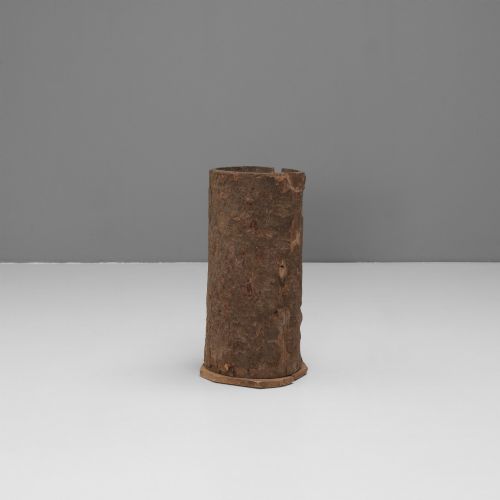
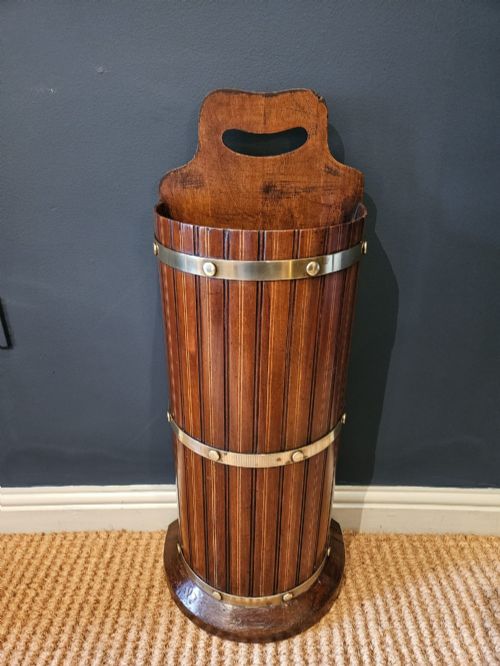
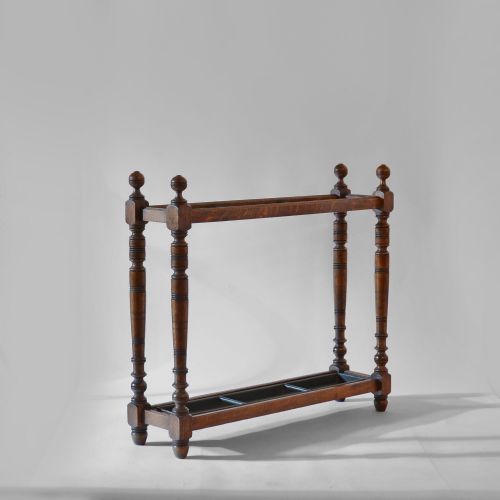
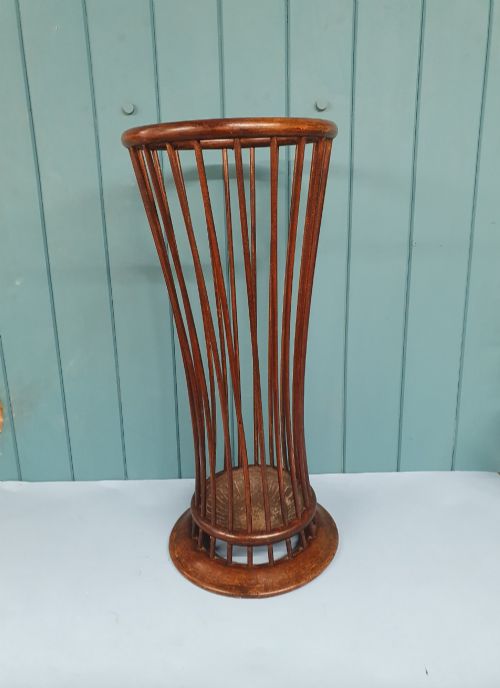
The selections on this page heavily feature specialised variants such as sword sticks and swagger sticks alongside domestic furniture like oak umbrella and stick stands. Hazel, cherrywood, partridge wood, rosewood, and malacca form the structural body of these items, often paired with horn or carved handles.
How they were made
Craftsmen built these items using dense hardwoods like oak, walnut, rosewood, and cherrywood, frequently shaping natural branches or turning sections on a lathe. Selected timbers offered sufficient tensile strength to serve as reliable supports or to house concealed steel blades.
Metal components such as brass collars, silver mounts, and steel Toledo or Wilkinson blades integrate directly into the wooden shafts. Secondary materials including horn, brass wire, and metal drip trays complete both the handheld canes and the hallway storage furniture.
Brown Wooden Walking Cane Retail Price Guide 2026
Typical asking prices for brown wooden walking cane among the pieces listed under this phrase on Sellingantiques today, from the lower quarter to the upper quarter. They describe what is for sale here now, not the wider market.
A carved Black Forest wooden German Shepherd dog stands ready to accompany its owner on every stroll.
What varies in quality
Quality differentiates through the selection of timber and the precision of fitted metalwork, such as solid gold pommels or silver collars bearing maker details. Standard utility items contrast with military and commissioned pieces that incorporate named steel blades or carved animal forms.
The integrity of internal blade fittings and the joinery of hall stands dictate the overall standard of construction. Superior examples maintain rigid alignment between the wooden scabbard and the housed blade, alongside well-preserved surface finishes on the timber.
Thomas Johnson·Wilkinson
The Brown Wooden Walking Cane Glossary
- Pommel
- The rounded knob or decorative handle fitted to the top of a cane. This component often uses precious metals or carved horn.
- Sword stick
- A hollow walking cane designed to conceal a steel blade within the wooden shaft. These items usually secure via a friction fit or a locking catch.
- Swagger stick
- A short, light cane carried by military officers as a symbol of authority. They frequently incorporate regimental badges or metal tips.
- Malacca
- A slender, patterned rattan cane imported from Southeast Asia and prized for its flexibility and strength. It forms the foundation of many nineteenth-century gentleman's sticks.
- Drip tray
- A removable metal basin placed at the base of a stick stand to catch rainwater from wet umbrellas. These trays protect the surrounding wooden floorboards.
Brown Wooden Walking Cane: Frequently Asked Questions
How were sword sticks used?
Sword sticks served primarily as walking supports while simultaneously providing personal defence through a concealed steel blade housed inside the wooden body.
Gentlemen and military officers carried them routinely in urban and country environments as part of standard daily attire.
How do I identify the period?
Dating relies on stylistic markers such as Victorian Gothic revival details, Edwardian military inscriptions, or Arts and Crafts oak construction.
Examining the materials, including silver hallmarks and steel blade etchings, helps narrow down the manufacturing decade.
Where were stick stands placed?
Stick stands and umbrella racks stood in the entrance halls or boot rooms of country houses and town residences.
They provided an organised space for guests and family members to store wet walking canes and umbrellas upon entry.