


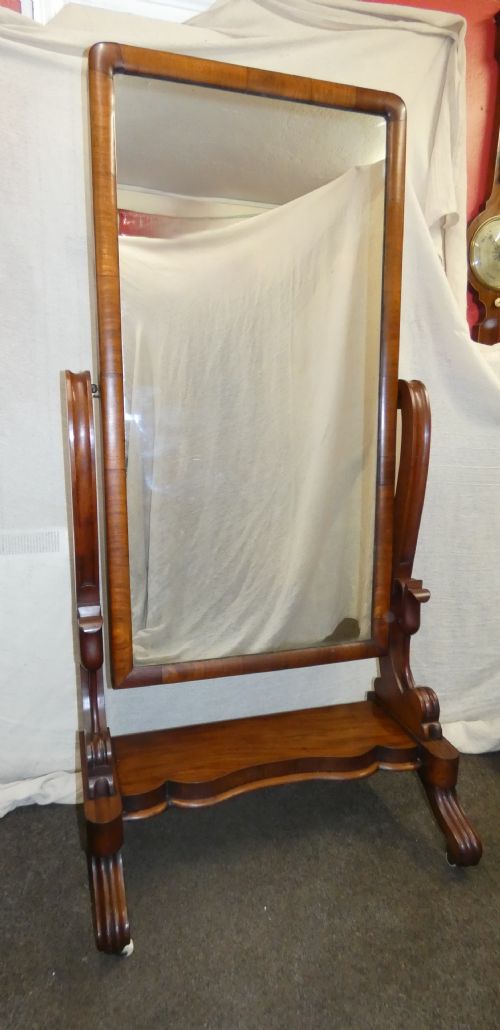


Brown Wooden Full Length Mirror
A brown wooden full length mirror stands ready to anchor a dressing space, bringing upright reflection and warm timber tones into the room.
Brown Wooden Full Length Mirror
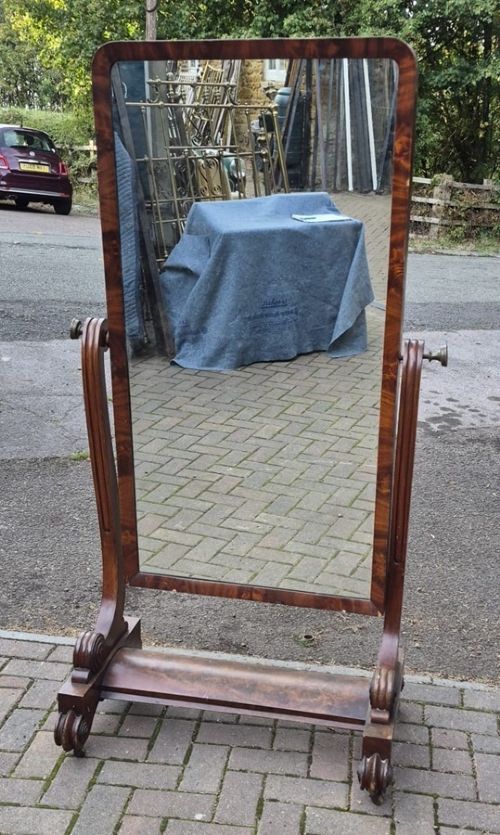
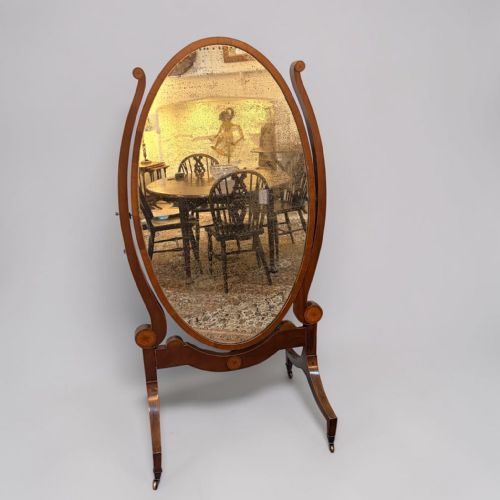
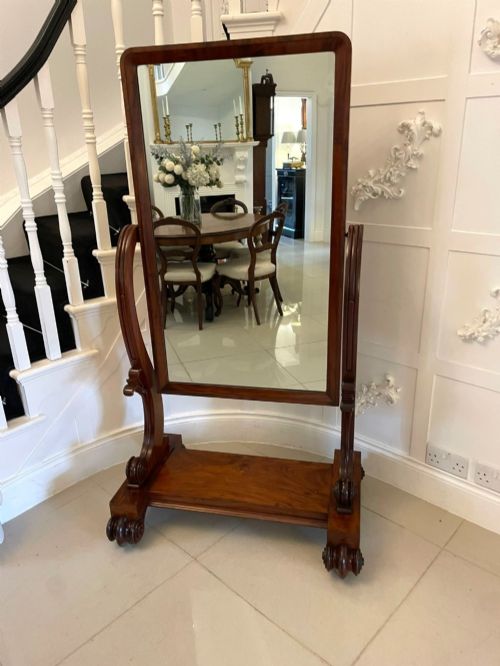
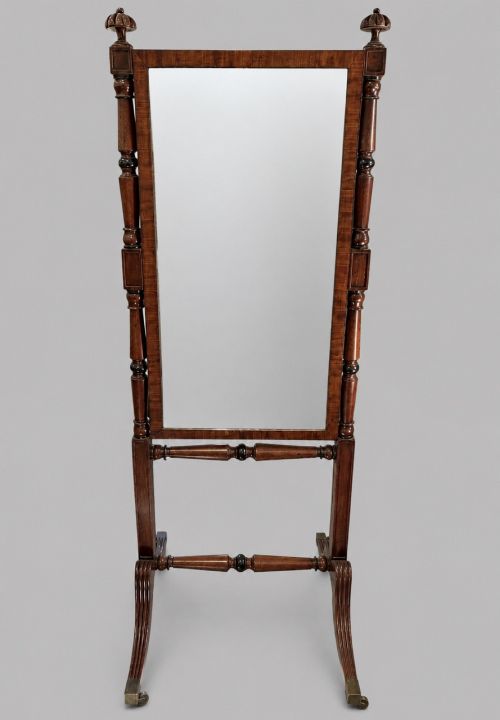
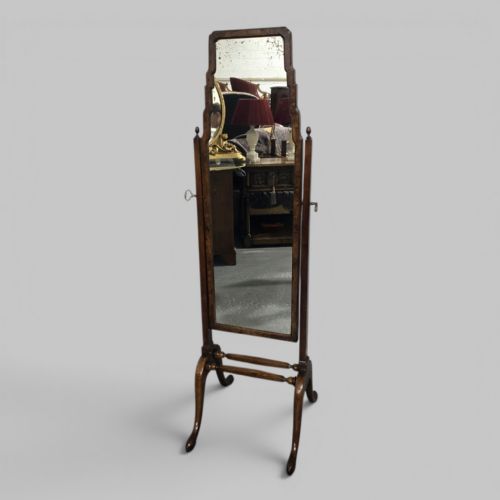
A brown wooden full length mirror most commonly takes the form of a freestanding cheval mirror, designed to pivot within a supportive frame for a complete view. These pieces serve practical dressing functions while introducing substantial architectural presence to a room through their height.
The selections available span from the early nineteenth century through to the Edwardian period, with Victorian examples appearing frequently. Buyers encounter various timber tones ranging from deep red mahogany and rich walnut to sturdy oak.
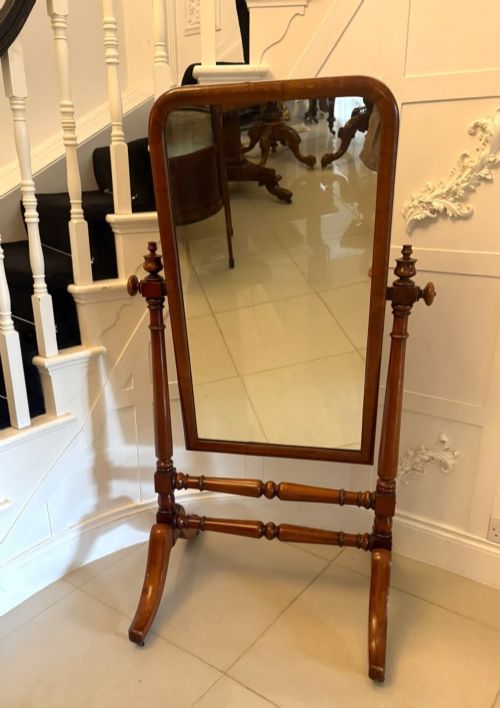
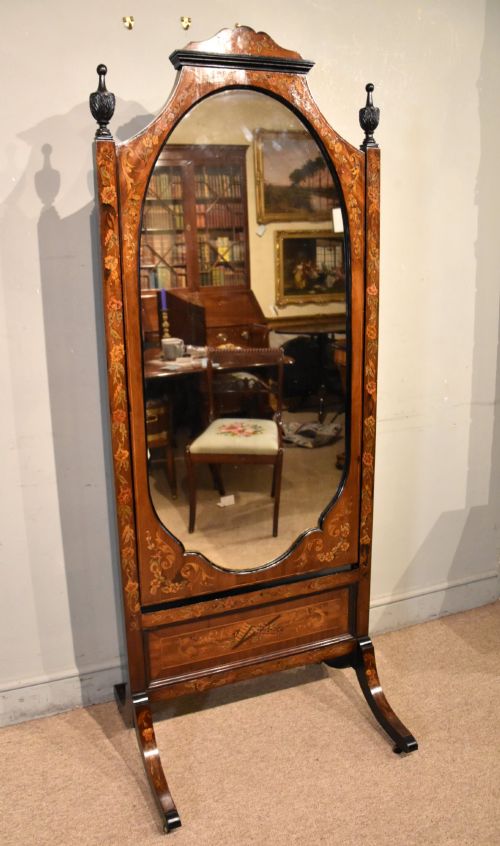
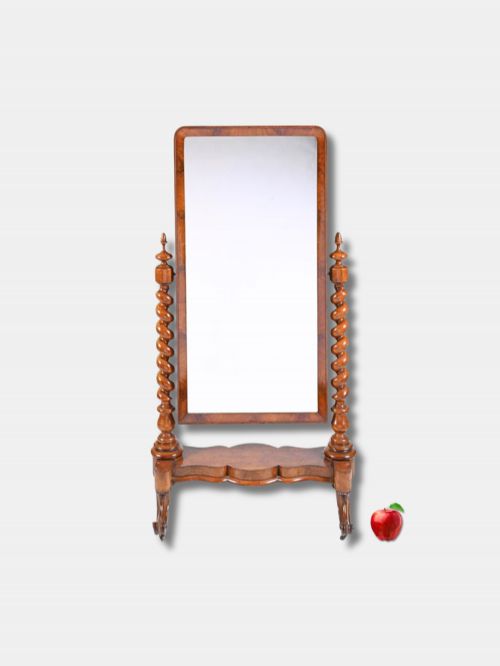
Formations include simpler rectangular dressing mirrors alongside more elaborate interpretations featuring carved details, barley twist supports, or marquetry inlay. Many rest securely upon scrolling feet or sturdy trestle bases designed to bear the weight of the pivoting glass.
Distinguishing quality across the range
Quality rests upon the selection of timber figures and the crispness of any applied carving or marquetry inlay. Better examples demonstrate careful matching of veneers and substantial framing timbers that maintain structural stability over decades of tilting.
The sophistication of the turning on supports, such as barley twist columns or reeded pillars, marks the distinction between standard utilitarian items and finer cabinet work. Original brass hardware and smooth-acting pivot mechanisms further separate superior pieces from simpler utilitarian items.
Brown Wooden Full Length Mirror Retail Price Guide 2026
Typical asking prices for brown wooden full length mirror among the pieces listed under this phrase on Sellingantiques today, from the lower quarter to the upper quarter. They describe what is for sale here now, not the wider market.
Every morning these tall glasses have quietly witnessed generations adjusting their cravats and checking their hemlines before stepping out.
The Brown Wooden Full Length Mirror Glossary
- Cheval mirror
- A tall freestanding mirror mounted on a frame with side pivots that allow the glass to tilt. This form originated in France and became a bedroom staple during the Georgian and Victorian periods.
- Marquetry inlay
- Decorative patterns formed by inserting contrasting pieces of wood veneer into the primary timber surface. This technique requires considerable skill to achieve precise alignment and clean lines.
- Barley twist
- A spiral turning resembling a twisted rope, carved into wooden columns or support posts. It gained popularity during the seventeenth century and saw revivals in Victorian furniture design.
- Burr walnut
- Timber taken from a tree growth or burl, yielding complex, swirling grain patterns. Cabinetmakers prize this material for its decorative surface appeal on prominent panels.
- Regency
- A British design style spanning the early nineteenth century, characterised by classical restraint and clean architectural lines. Pieces from this period often incorporate dark timbers and restrained brass mounts.
Brown Wooden Full Length Mirror: Frequently Asked Questions
What is a cheval mirror?
A cheval mirror is a full length looking glass suspended on a vertical frame with pivot pins. This allows the user to tilt the glass to various angles for dressing.
The name derives from the French word for horse, referencing the four-legged trestle stand that typically supports the frame.
How do I date a wooden mirror?
Dating relies on observing the timber species, construction joints, edge bevelling on the glass, and overall stylistic details. Mahogany and walnut indicate specific nineteenth-century periods, while oak often points to Arts and Crafts influences or earlier vernacular pieces.
Secondary woods at the back of the frame and the type of screw fixings or pivot hardware provide additional clues to the era of manufacture.
Are these mirrors stable on carpets?
Freestanding floor mirrors possess considerable weight in their wooden bases, which generally provides steady placement on flat surfaces. Thick carpets may require careful positioning to ensure the legs rest evenly.
The pivoting mechanism works best when the entire frame stands level, preventing undue strain on the side supports.
Can the mirror glass be replaced?
Original glass often shows light foxing or age spots, which many collectors value as proof of age. Replacement is possible by a specialist glazier if the glass suffers deep damage.
Traditional mirrors are held within the wooden rebate using glazier points and backing boards, allowing careful access from the rear.