


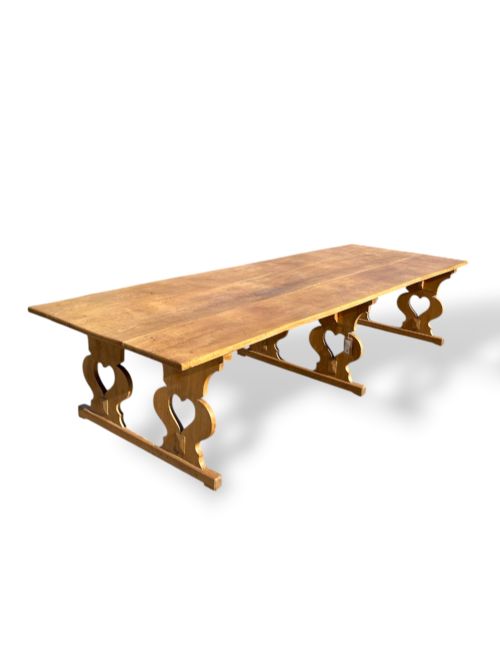
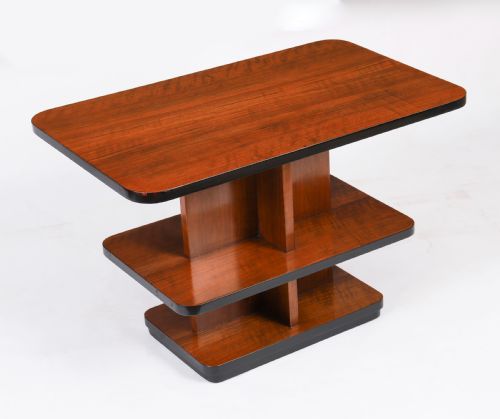
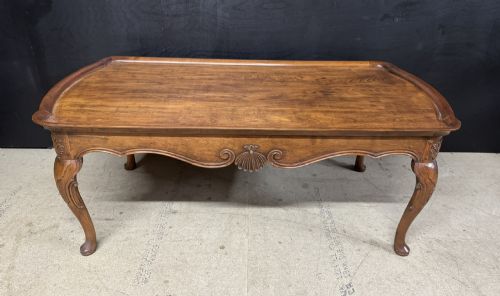
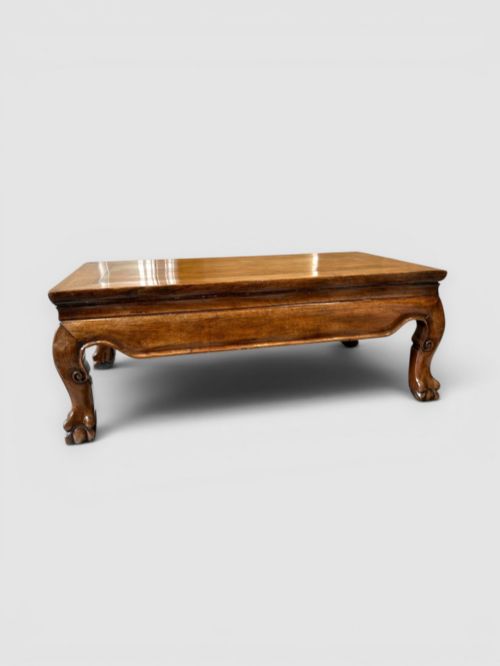
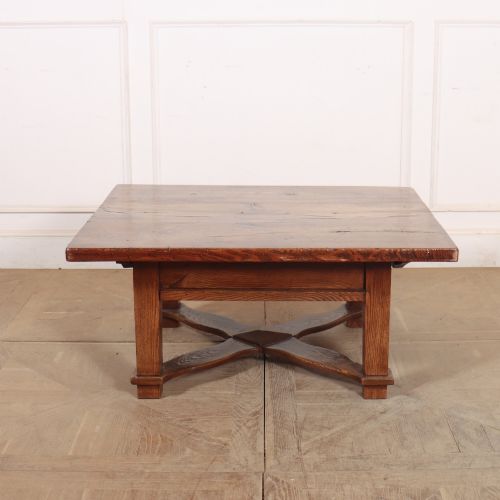
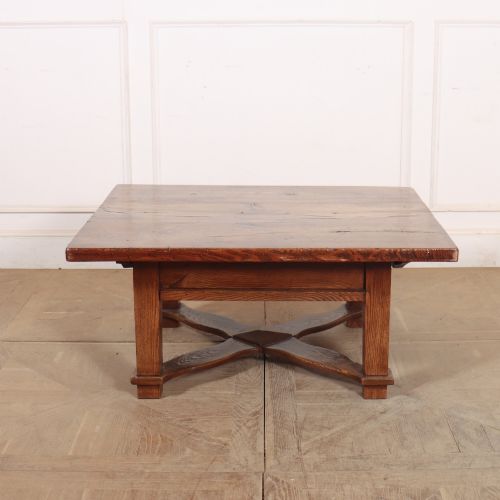

Brown Wooden Cocktail Table
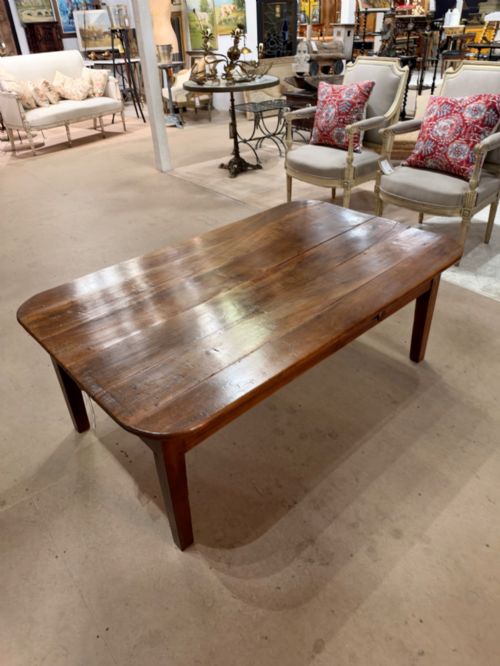
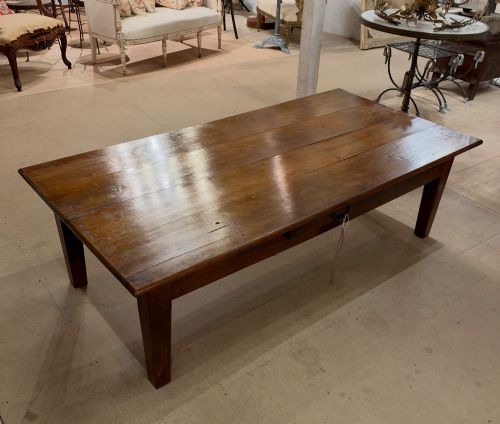
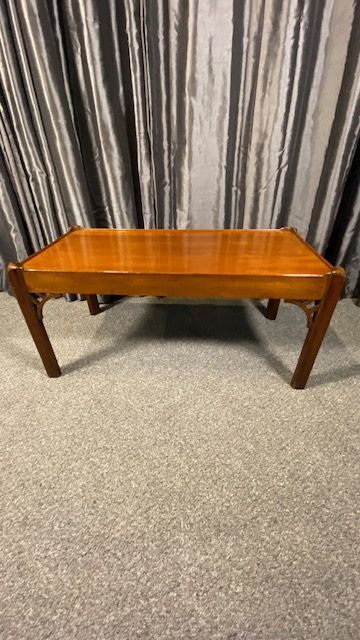
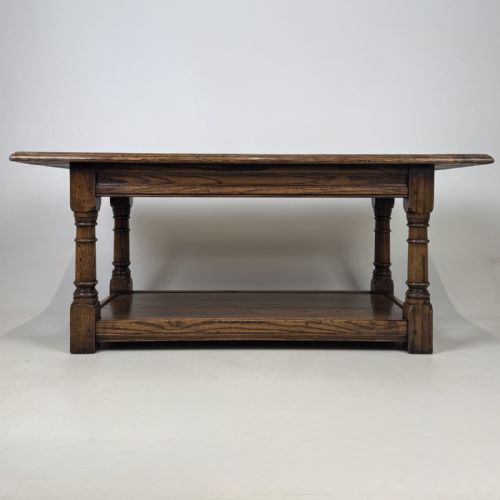
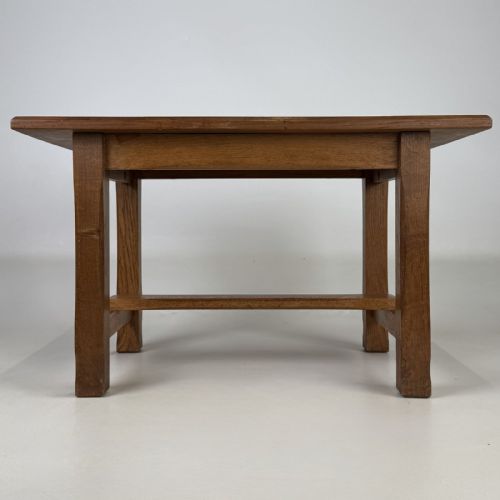
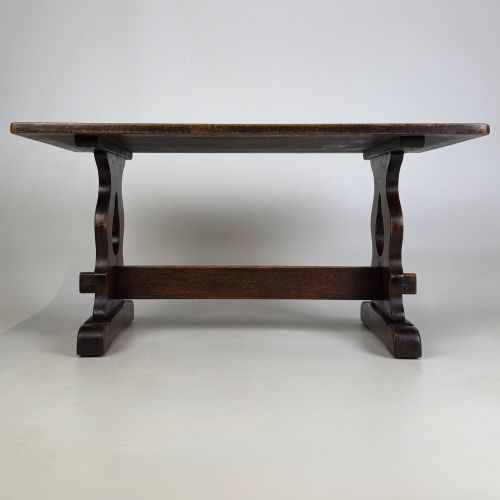
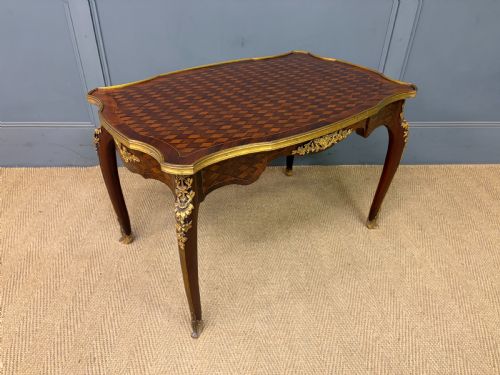
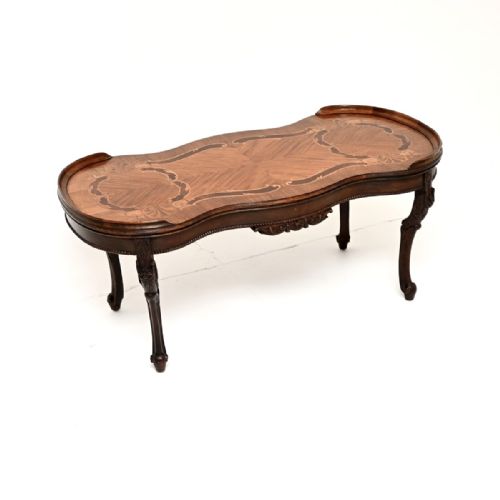
A brown wooden cocktail table brings warmth and low-slung utility to a room, drawing together diverse timbers and periods.

Brown Wooden Cocktail Table
A brown wooden cocktail table encompasses low coffee tables, tray tables, tea trolleys, and side tables that serve social spaces. The selection ranges from Georgian mahogany and oak pieces to Art Deco walnut designs and rustic elm examples.
The version most commonly met on this page is the low coffee table, often formed from mahogany, oak, or walnut. Pieces extend across the eighteenth, nineteenth, and early twentieth centuries, including Edwardian and 1930s creations.
Forms vary from oval butler's trays on stands and pie crust tables to tiered walnut tables and metamorphic drinks chests. Origins stretch across English, French, Austrian, Italian, and Chinese workshops.

Materials and construction methods
Construction relies on solid hardwoods and decorative veneers applied to secondary timbers. Cabinetmakers utilise walnut, mahogany, oak, elm, cherry wood, and yew wood oyster veneer, sometimes accented with brass fittings.
Surface decoration involves marquetry inlay, carved details, and figured grain patterns such as flame mahogany and burr walnut. Joinery techniques reflect the period of origin, from traditional hand-carved joints to twentieth-century tiered assemblies.
Brown Wooden Cocktail Table Retail Price Guide 2026
Typical asking prices for brown wooden cocktail table among the pieces listed under this phrase on Sellingantiques today, from the lower quarter to the upper quarter. They describe what is for sale here now, not the wider market.
One metamorphic table secretly stores your spirits before you even realise it has a double life.
Judging quality and character
Quality rests in the selection of timber figures, such as burr walnut or flame mahogany, and the precision of marquetry inlay. Superior examples demonstrate refined proportions and clean, intentional carving rather than heavy-handed alterations.
The integrity of the timber and the finish dictate the lasting presence of a piece. Finer tables maintain their original surface patination, honest structural joinery, and well-integrated elements like drop sides or removable trays.
The Brown Wooden Cocktail Table Glossary
- Marquetry
- Decorative veneer work arranged in pictorial or geometric patterns using various coloured woods. This technique requires meticulous cutting and fitting to create detailed surface designs.
- Oyster veneer
- Cross-cut sections of smaller branches or roots laid to resemble the pattern of oyster shells. The circular and oval rings create a distinctive, highly decorative surface.
- Pie crust table
- A small table featuring a raised, carved edge shaped in undulating curves reminiscent of pastry crusts. This decorative moulding is typically carved directly from the solid tabletop.
- Butler's tray
- A removable wooden tray with hinged or fixed sides, traditionally designed for carrying drinks and service items. On these tables, the tray rests upon a folding or rigid wooden stand.
- Metamorphic
- Furniture designed to transform into another form, such as a side table that converts into a drinks chest. These pieces incorporate clever mechanical hinges and compartments.
Brown Wooden Cocktail Table: Frequently Asked Questions
What is a brown wooden cocktail table used for?
These pieces function primarily as low tables for resting drinks, books, and objects in a reception room. Many incorporate trays, drop sides, or tiers specifically intended for entertaining.
Historically, forms like tea trolleys and drinks chests were designed for mobile service. Today, they anchor a seating arrangement while offering practical surface space.
How do I date an antique wooden table?
Dating relies on observing the combination of timber species, construction methods, and stylistic cues. Georgian pieces show different joinery and proportions compared to Edwardian or Art Deco examples.
Examining secondary woods, tool marks, and hardware helps narrow down the period. Stylistic markers like marquetry or specific leg turns further indicate the era of manufacture.
Are these tables solid wood or veneer?
Makers utilised both solid timbers and veneers depending on the desired visual effect. Oak, elm, and mahogany often appear as solid wood, particularly in earlier or rustic pieces.
Finer decorative surfaces frequently employ walnut, yew, or exotic hardwoods as veneers over stable base timbers. This technique allowed craftsmen to showcase striking grain patterns without risking the stability of the entire top.
How do I care for a wood finish?
Preserving the finish requires keeping tables away from direct heat sources and strong sunlight that can dry out the timber. Regular dusting with a soft, dry cloth prevents particulate accumulation.
Applying a quality natural wax occasionally nourishes the wood and protects the patination. Avoid silicone-based polishes which can permanently alter the surface sheen.