



Georgian Style Low Table
A georgian style low table brings the proportions and timber of the eighteenth century down to a comfortable modern height for daily use.

Georgian Style Low Table
When you search for a georgian style low table, you encounter coffee tables, adapted occasional pieces, and lowboys that bridge historical cabinet-making and domestic practicality. These pieces emerge from actual eighteenth-century workshops as well as later revival periods spanning the nineteenth and early twentieth centuries.
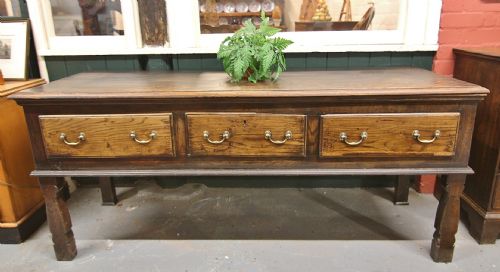
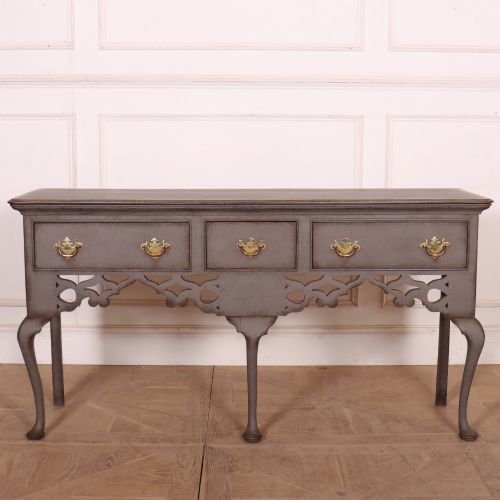
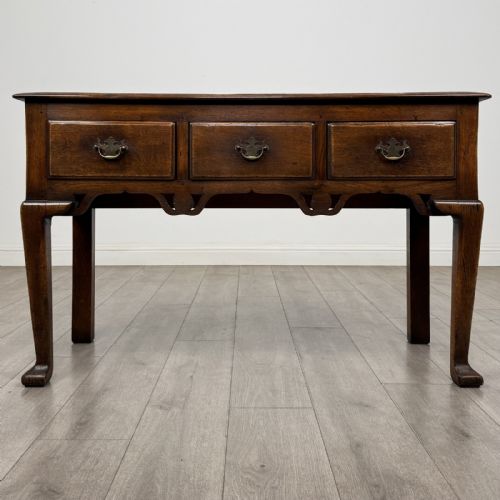
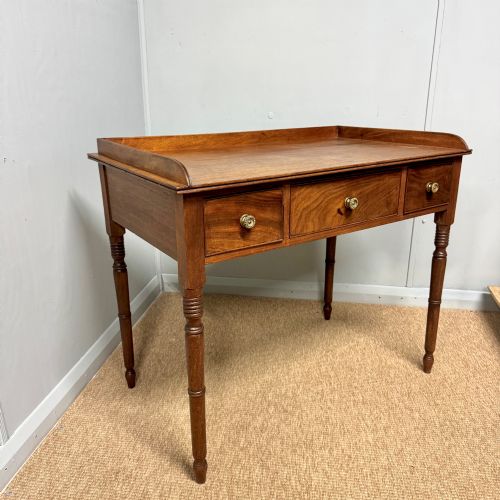
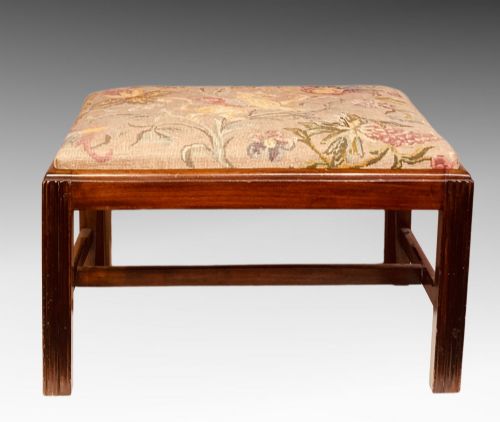
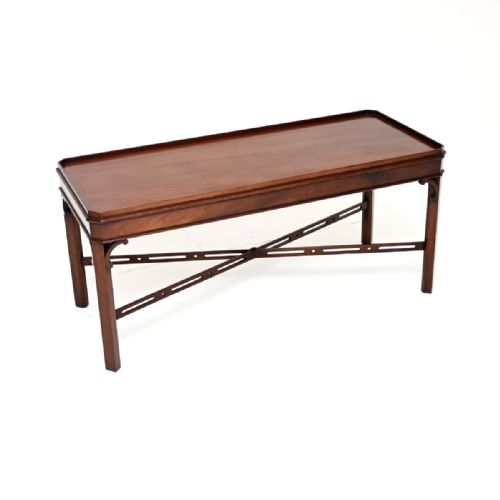
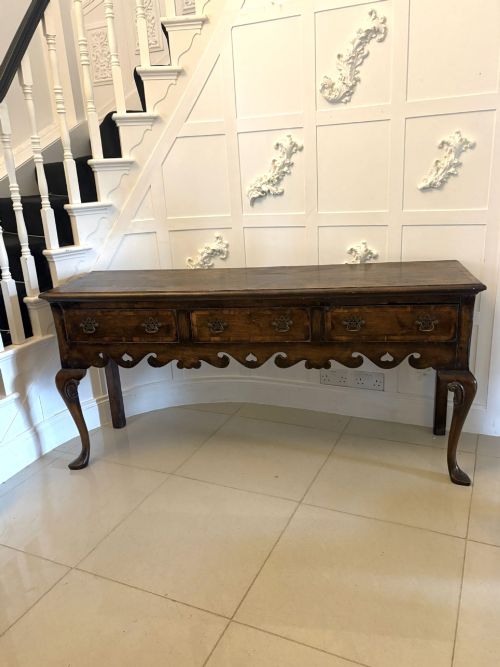
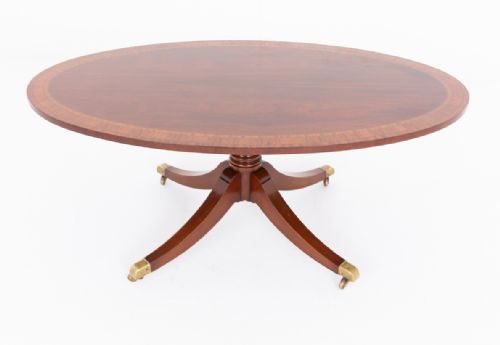
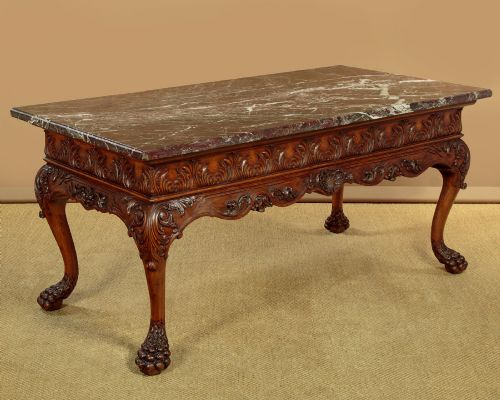
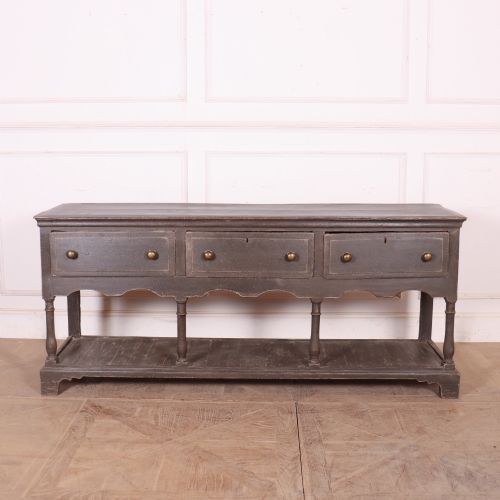
The selections on this page showcase a predominance of mahogany, walnut, and oak forms, often featuring the cabriole legs, tripod pedestals, or shaped tops characteristic of the Georgian and Regency idioms. Many items reflect a later adaptation where taller side tables, wine tables, or stools have been reduced in height to serve modern sitting rooms.
Buyers frequently find that these tables blend seamlessly into contemporary interiors while offering genuine historical character through figured timbers and traditional joinery. The assortment ranges from clean-lined mahogany coffee tables to cross-banded burr walnut and rustic country oak designs.
Materials and construction methods
Cabinet-makers relied heavily upon solid mahogany, walnut, and oak, frequently employing figured veneers such as burr walnut and flame mahogany across table tops to create striking grain patterns. Secondary timbers like pine or oak appear in drawer linings and internal framing, reflecting period workshop practices.
Construction techniques include traditional mortise and tenon joints, dovetailed drawer construction, and intricate edge mouldings such as pie crust or dish top profiles. Turned pedestals, brass hardware, and subtle inlay work provide the decorative vocabulary without obscuring the natural warmth of the wood.
Georgian Style Low Table Retail Price Guide 2026
Typical asking prices for georgian style low table among the pieces listed under this phrase on Sellingantiques today, from the lower quarter to the upper quarter. They describe what is for sale here now, not the wider market.
Periods represented span from the eighteenth-century Georgian era through Regency, Victorian, and twentieth-century revival decades.
Assessing quality in period and revival low tables
Quality rests upon the selection of timber and the fidelity of the proportions, where finer pieces display rich, unblemished grain and crisp carving on knees and feet. The transition of taller tables into low tables requires careful proportioning so the undercarriage remains balanced relative to the top.
Superior examples exhibit hand-cut dovetails, original brass furniture where applicable, and a patination that speaks of age rather than heavy artificial distress. The integrity of the timber movement and the precision of the joinery ultimately separate standard commercial reproductions from finer revival and period items.
The Georgian Style Low Table Glossary
- Lowboy
- A small kneehole dressing table or side table featuring one or more drawers, frequently adapted to coffee table height.
- Cabriole leg
- A furniture leg that curves outward at the knee and tapers inward to an ankle, terminating in a pad, claw and ball, or hoof foot.
- Pie crust
- A raised, scalloped carved edge applied to round table tops, resembling the decorative crust of a pie.
- Dish top
- A solid wooden table top turned with a concave depression across the surface to prevent items from rolling off.
- Cross-banding
- A decorative border of veneer laid with the grain running perpendicular to the main surface of the table top.
Georgian Style Low Table: Frequently Asked Questions
How do I care for a polished wood surface?
Maintain the timber by applying traditional beeswax periodically and buffing gently with a soft cloth to nourish the grain.
Protect the surface from excessive moisture and direct heat sources to preserve the historical polish and patination.
Can I use a lowboy as a coffee table?
A lowboy serves admirably as a low table, provided its height aligns comfortably with your existing seating arrangements.
Its proportions and drawers offer both a surface for books and discreet storage for small household items.
What distinguishes mahogany from walnut furniture?
Mahogany typically displays a dense, reddish-brown hue that deepens with age, while walnut exhibits a richer, darker brown often enhanced by striking figure patterns.
Both timbers were favoured by period craftsmen for their stability and capacity for fine carving.