


Brown Wooden Breakfast Table
A brown wooden breakfast table brings solid timber grain and adaptable drop leaves or tilt tops directly into everyday dining rooms.
Brown Wooden Breakfast Table
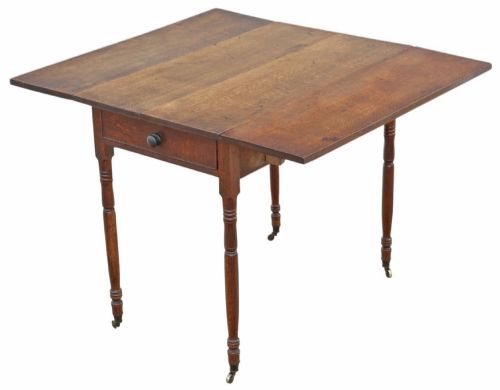
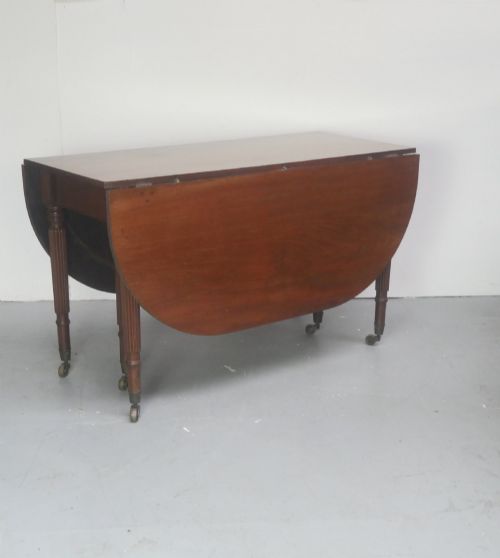
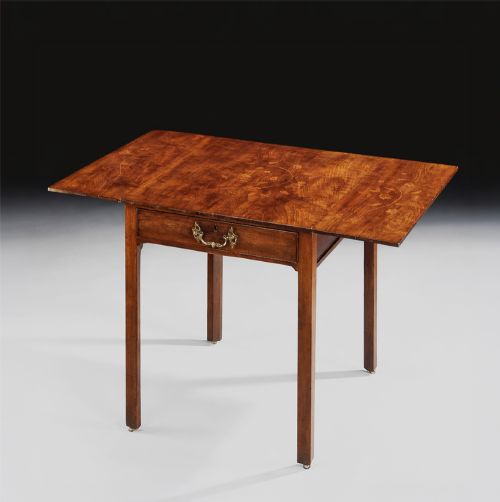
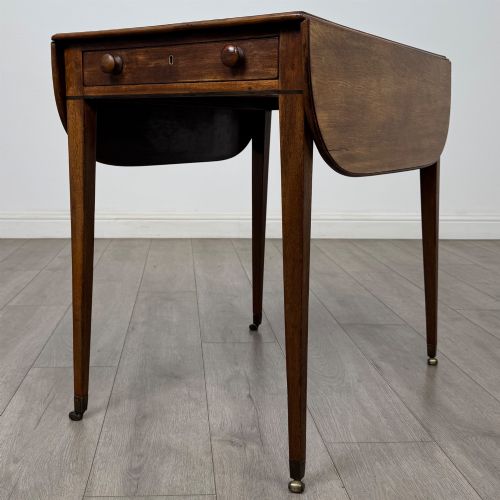
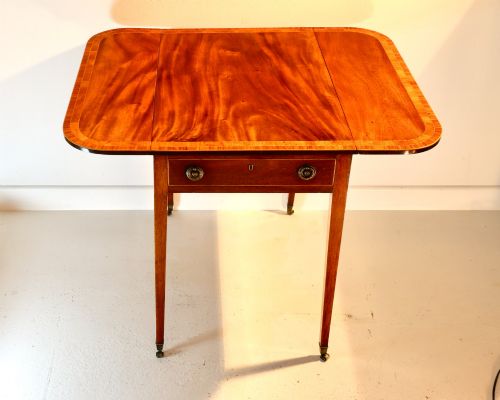
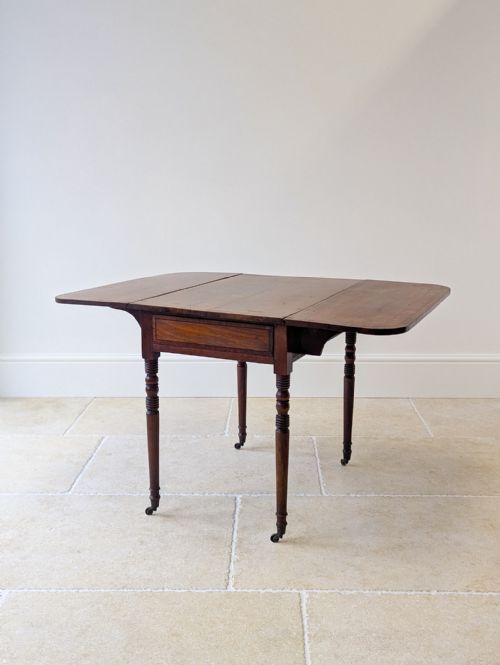
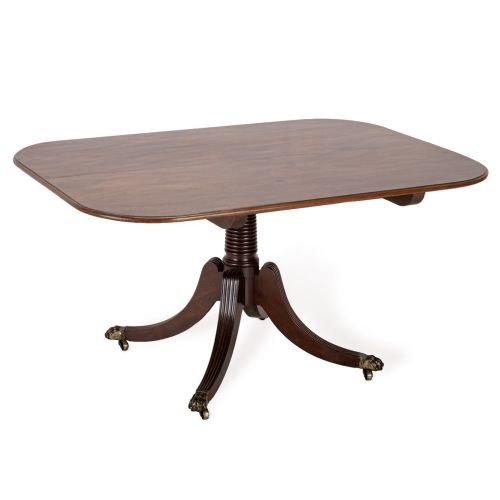
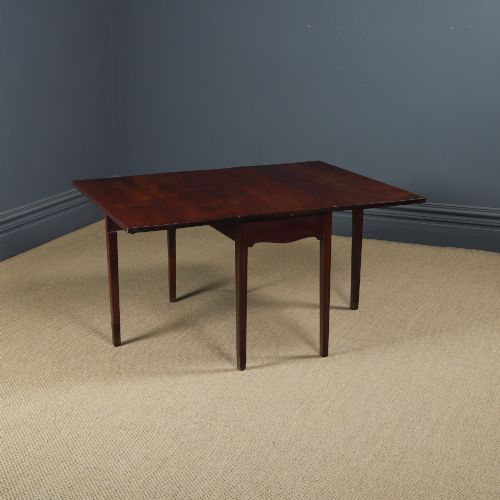
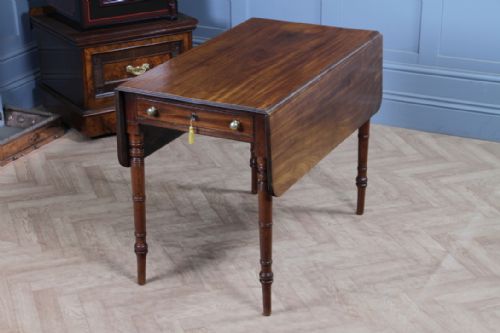
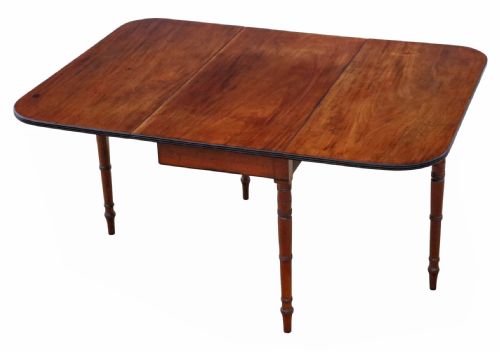
A brown wooden breakfast table spans compact Pembroke forms with folding flaps, tilt-top pedestal designs, and larger gateleg dining pieces. These items appear across Georgian, Regency, and Victorian periods, reflecting decades of domestic timber furniture production.
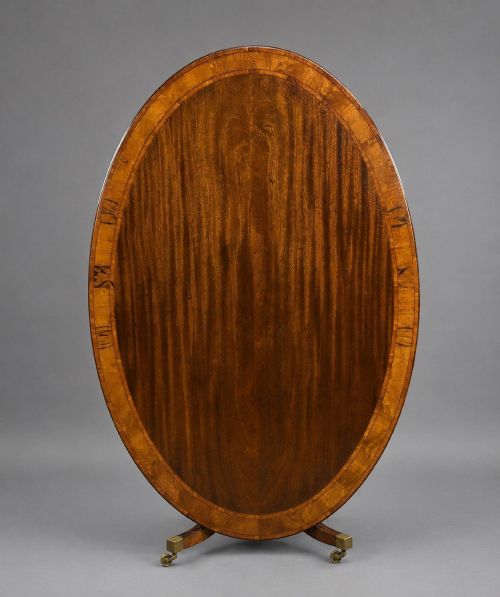
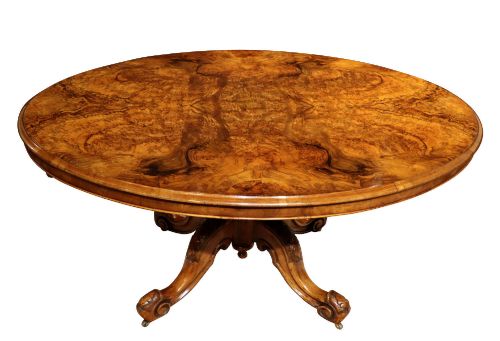
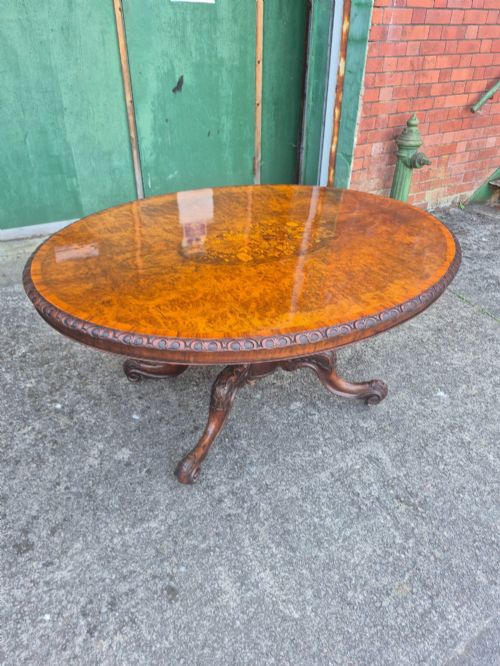
Buyers seeking a brown wooden breakfast table most frequently encounter mahogany and burr walnut examples featuring circular or oval tops. These pieces originate from English workshops spanning the eighteenth and nineteenth centuries.
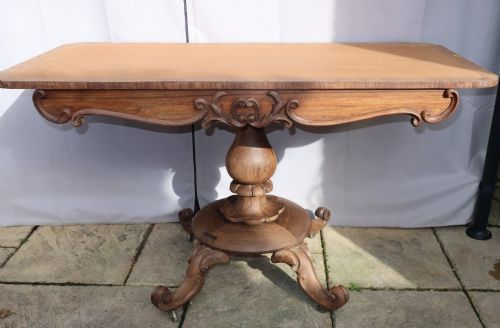
The selection includes pedestal centre tables and drop-leaf variations designed to stand against a wall or expand for morning meals. Each form utilises traditional cabinet-making methods suited to domestic dining spaces.
Materials and Construction
Makers built these tables using solid mahogany, oak, walnut, and rosewood, often applying decorative wood inlay and crossbanded borders to top surfaces. Grain patterns receive careful orientation to highlight natural figure across circular and oval tops.
Pedestal versions rely on carved quadrapod or tripod bases for stability, while drop-leaf formats utilise hinged flaps supported by swing brackets. Brass castors and fitted drawers occasionally appear on Georgian and Regency iterations.
One unexpected item stands apart: a treenware revolving egg cup stand from a private collection.
Distinctions in Standard
The quality of a piece depends upon the depth of figuring in the timber, such as highly figured burr walnut or rich mahogany. Superior examples display refined carving on pedestals and precise joinery along drop-leaf hinges.
Construction methods and timber selection separate standard utilitarian furniture from finely proportioned pieces produced during the Georgian and Regency eras. Balanced proportions and clean operation of tilt-top mechanisms distinguish finer specimens.
The Brown Wooden Breakfast Table Glossary
- Pembroke table
- A small table with hinged drop leaves on two opposing sides, often fitted with a drawer.
- Tilt-top table
- A table designed with a mechanism allowing the top surface to pivot vertically for storage against a wall.
- Quadrapod base
- A pedestal support resting on four splayed legs, frequently terminating in brass castors.
- Crossbanding
- A narrow strip of veneer applied to the border of a tabletop with the grain running perpendicular to the central panel.
- Gateleg table
- A table featuring hinged legs that swing outward to support folding drop leaves.
Brown Wooden Breakfast Table: Frequently Asked Questions
What is a pembroke table?
A pembroke table is a compact design featuring two hinged side flaps that expand the surface area when needed. These tables often include a small drawer and served various domestic functions in dining rooms and parlours.
Their flexible footprint made them popular throughout the Georgian and Victorian periods for morning meals and writing tasks.
How do tilt top tables work?
Tilt top tables utilise a catch mechanism beneath the surface that allows the top to pivot upright into a vertical position. This design enabled owners to push the table against a wall to save floor space when dining concluded.
Pedestal bases on these pieces provide the necessary counterweight to support the pivoting top securely.
Which woods appear most often?
Mahogany forms the primary material for the majority of these listings, accompanied by burr walnut, oak, and rosewood. Cabinet makers valued these timbers for their strength and rich natural colour.
Inlay work and crossbanded borders frequently embellish the primary walnut and mahogany surfaces.
How to date these tables?
Dating relies upon stylistic markers such as Regency pedestal curves, Georgian inlay patterns, and Victorian walnut veneers. Construction details like hand-cut joints and timber choice also indicate specific manufacturing eras.
Comparing leg designs, such as quadrapod bases versus simpler four-leg frames, helps determine the period of origin.