
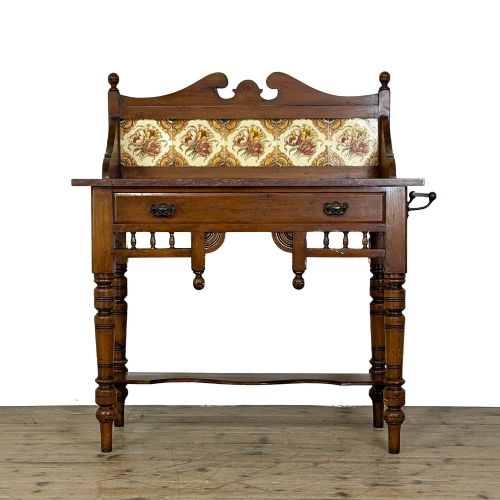
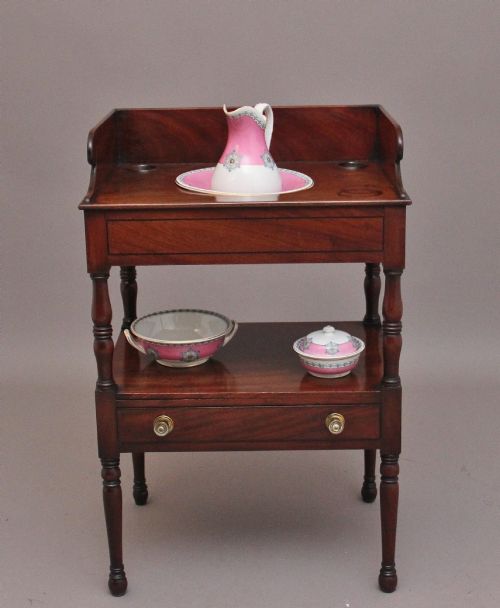

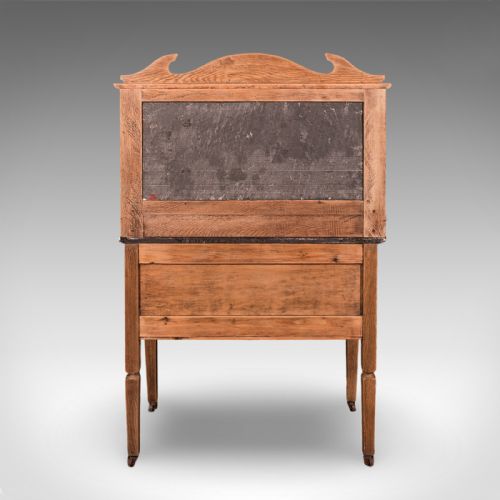


Brown Wooden Basin Stand
A brown wooden basin stand offers practical utility and architectural line, holding washware with the solid character typical of older periods.
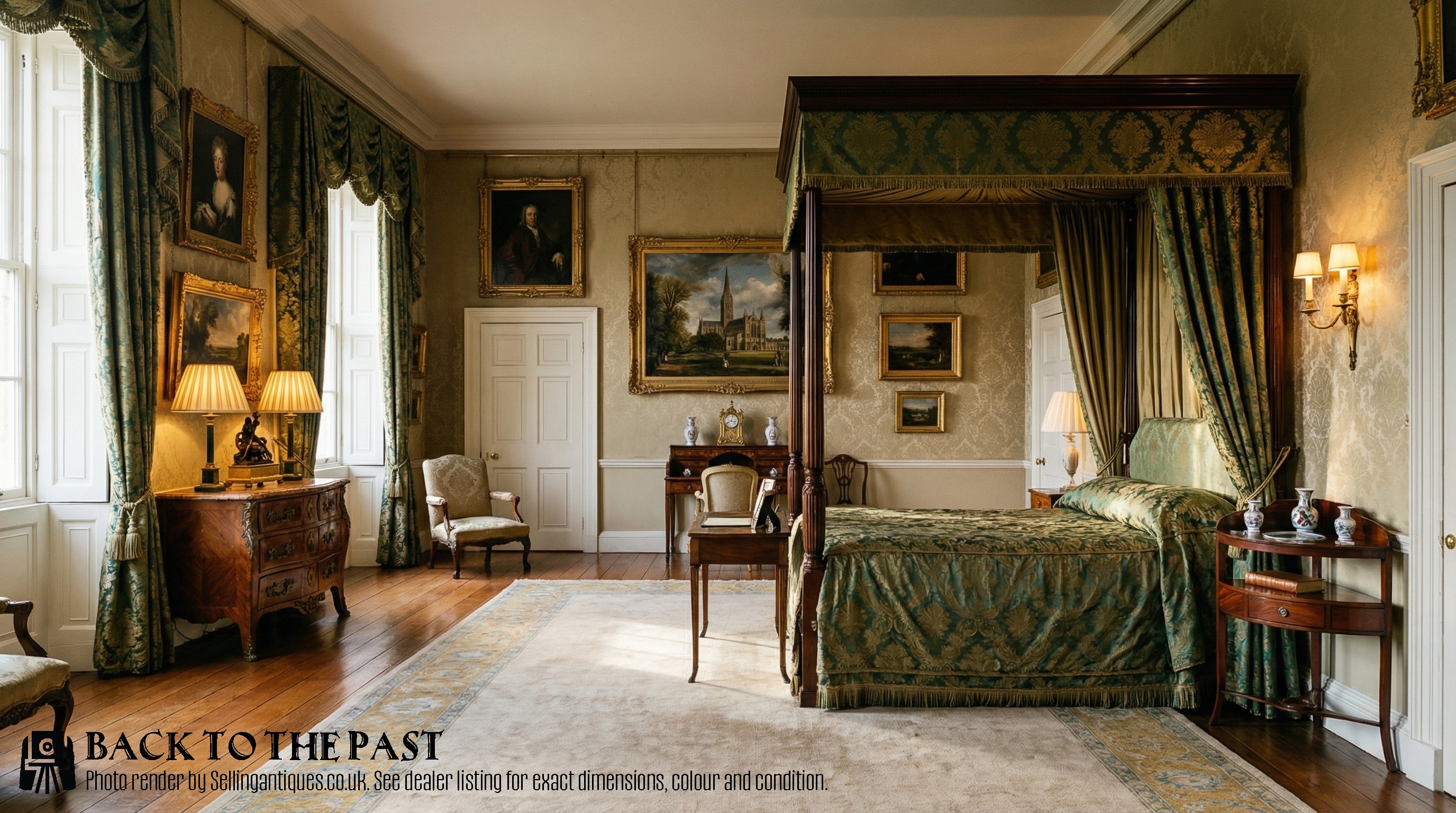
Brown Wooden Basin Stand
A brown wooden basin stand is a purposeful piece of furniture designed for personal washing, appearing across several historical eras from the Georgian period through the Edwardian years. Buyers searching for a brown wooden basin stand will encounter various forms, including corner stands, bedside tables, and washstands intended for bedrooms or dressing rooms.
The pieces available on this page span multiple distinct eras, taking the form of traditional washstands, occasional tables, and bedside units. Most examples originate from the Georgian, Victorian, and Edwardian periods, showcasing the shifts in domestic utility and furniture design over time.
Materials and construction
Makers relied primarily on mahogany, pine, and satinwood to build these stands, often incorporating brass fittings and contrasting surfaces. Timber selection governed the weight and finish of the piece, with mahogany offering a rich grain and pine serving for painted or simpler items.
Surface treatments and secondary materials define many examples, featuring marble tops, glass inserts, ceramic tiles, and slate to protect the wood from water. Some pieces display satinwood inlay or original grain finishes alongside painted faux marble surfaces.
Listings feature mahogany, pine, and satinwood alongside marble, slate, and ceramic tiles across Georgian, Victorian, and Edwardian periods.
Judging quality and character
Quality in a brown wooden basin stand lies in the integrity of the timber, the precision of any inlay work, and the preservation of original surfaces like grain finishes and painted tops. Pieces that retain their fitted marble tops, ceramic tiles, or original brass hardware show a higher degree of preservation.
The refinement of the legs, corners, and overall proportions distinguishes standard utility items from more ambitious cabinet work. Structural harmony between the wooden frame and inset basins or tops separates everyday examples from finer workshop productions.
Gillows
The Brown Wooden Basin Stand Glossary
- Washstand
- A piece of furniture designed to hold a basin and jug for washing before indoor plumbing became standard. They often include lower tiers for water jugs and small drawers for toiletries.
- Campaign washbowl stand
- A portable furniture form designed for travel or military use. These stands typically feature folding or dismantling elements for easy transport.
- Corner wash stand
- A space-saving triangular furniture form designed to fit snugly into a room corner. They frequently feature high splashbacks and shaped tiers.
- Satinwood inlay
- A decorative technique where lighter contrasting wood is inserted into recesses in the primary timber. This creates geometric or botanical patterns across the surface.
- Faux marble top
- A painted surface finish designed to imitate the appearance of stone. This technique protected underlying wood while offering a decorative, wipe-clean top.
Brown Wooden Basin Stand: Frequently Asked Questions
What is a brown wooden basin stand?
A brown wooden basin stand is a historical piece of furniture created to hold washing equipment in bedrooms before modern plumbing. They were essential daily items found in private homes and country houses.
Today, these stands function well as decorative furniture, plant stands, or occasional tables in modern interiors. Their compact footprints and multi-tiered designs suit various rooms.
How do I date a basin stand?
Dating relies on observing the timber types, structural styles, and secondary materials like marble or ceramic tiles. Georgian pieces often display restrained mahogany forms, while Edwardian examples frequently incorporate lighter woods or tiles.
Matching the construction details and specific stylistic cues such as satinwood inlay helps narrow down the period of manufacture.
Where were these stands used?
These stands were placed in bedrooms, dressing rooms, and guest quarters to facilitate morning and evening washing routines. Corner models utilised awkward angles in smaller chambers effectively.
In contemporary settings, owners often repurpose them as lamp tables or bathroom storage units. Their historic utility translates easily to modern decorative uses.
What woods were used for stands?
Cabinetmakers utilised dense hardwoods like mahogany alongside more utilitarian softwoods such as pine. Satinwood appeared on decorated examples for fine inlay details.
Secondary materials including marble, slate, and ceramic tiles were paired with the wood to handle water splashes during washing.