

Antique Washstands Mahogany
These antique washstands mahogany pieces are sturdy bedroom furnishings designed for personal hygiene before modern plumbing, offering rich timber grain and period charm.
Antique Washstands Mahogany
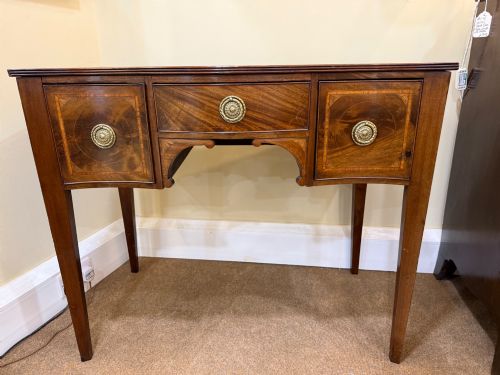
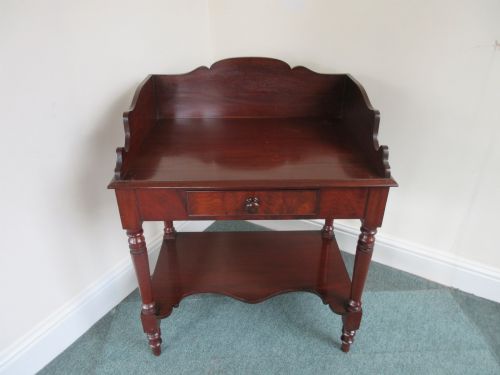
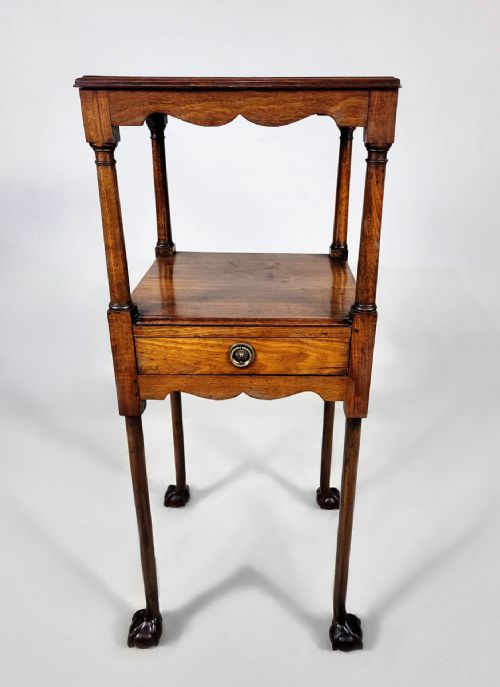
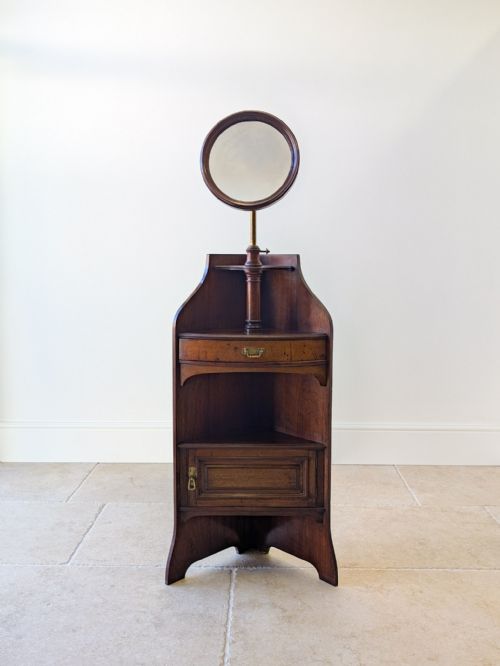
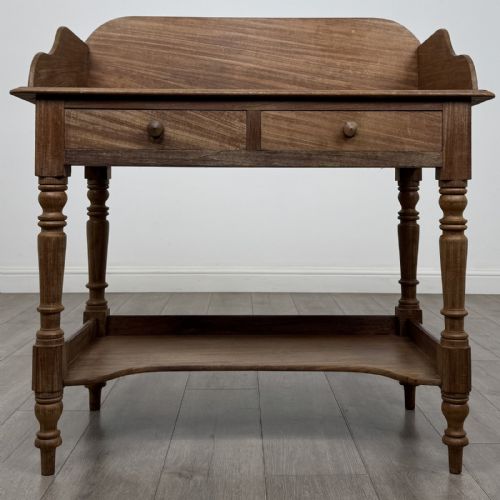
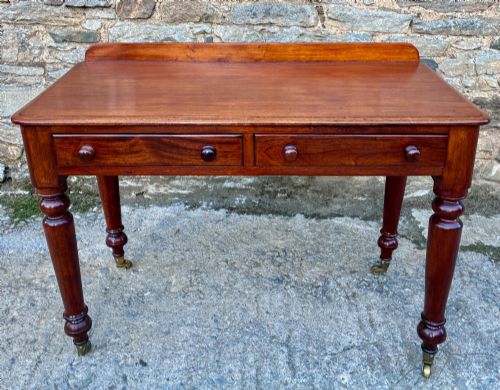
When looking for antique washstands mahogany, buyers will find various forms designed for the bedroom, from corner stands to larger cabinet styles. The selection spans several distinct periods, including Georgian, Victorian, and Edwardian examples.
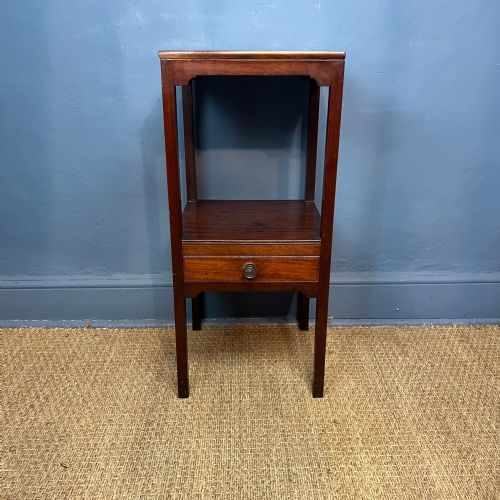
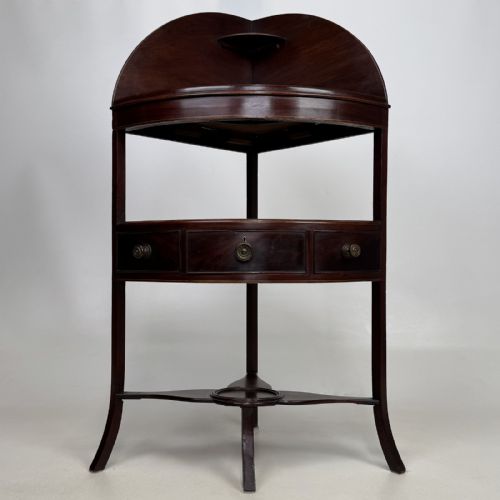
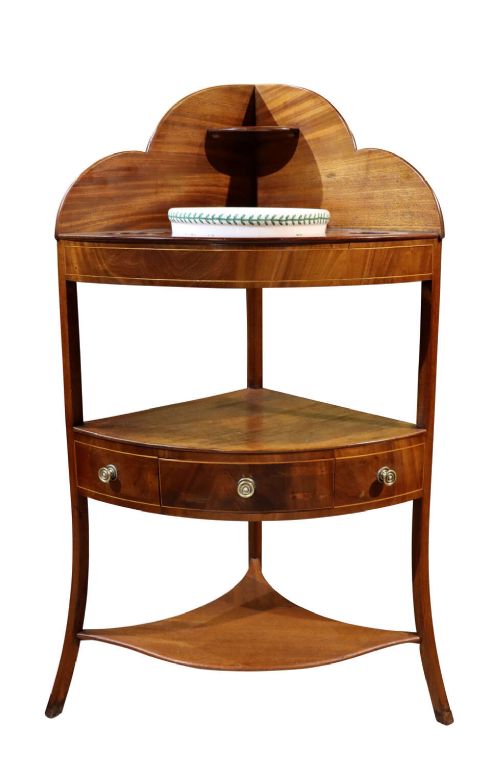
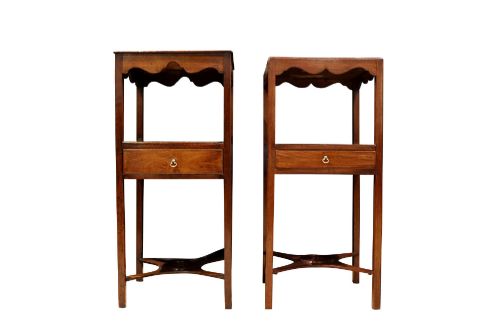
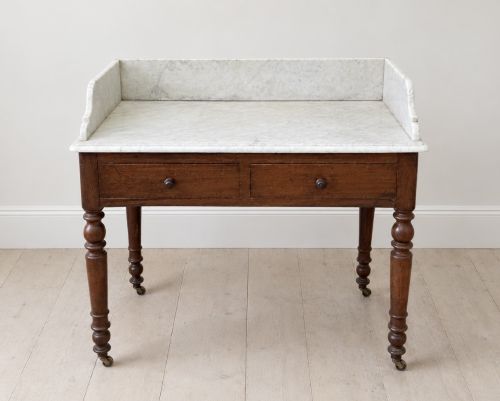
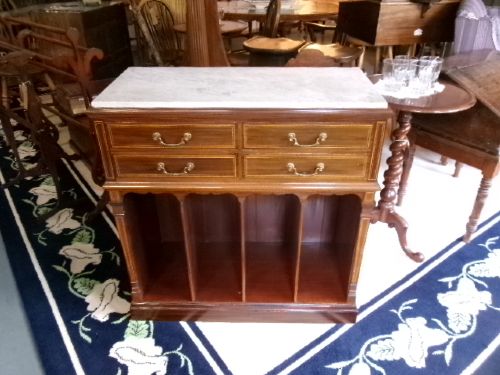
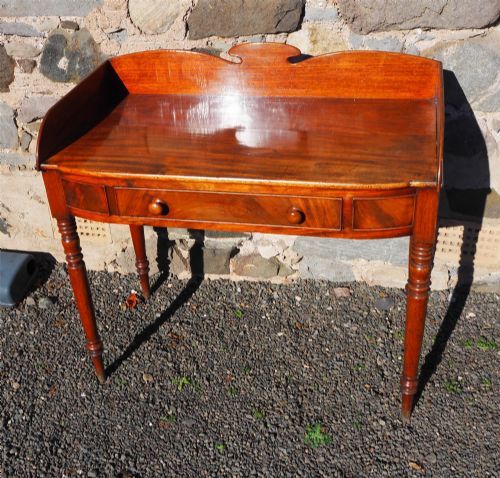
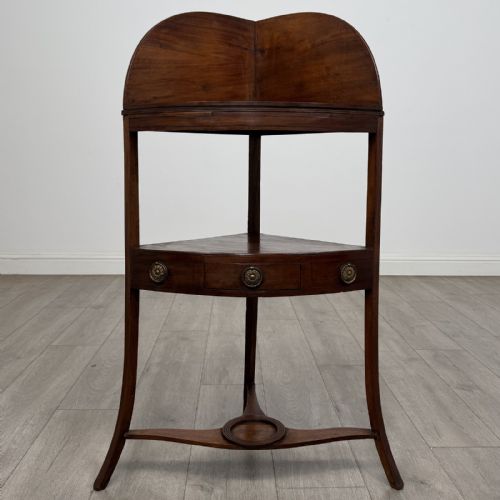
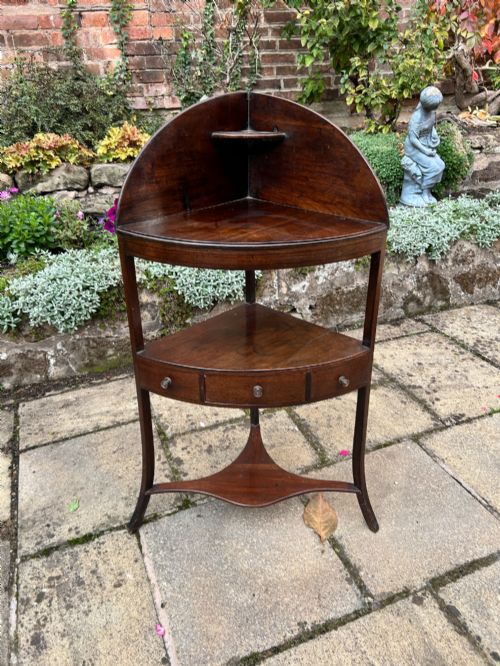
Corner washstands feature prominently among these items, often shaped with bow fronts or raised galleries to fit neatly into rooms. Other common variations include bedside tables, dressing tables, and marble-topped washstands equipped with storage.
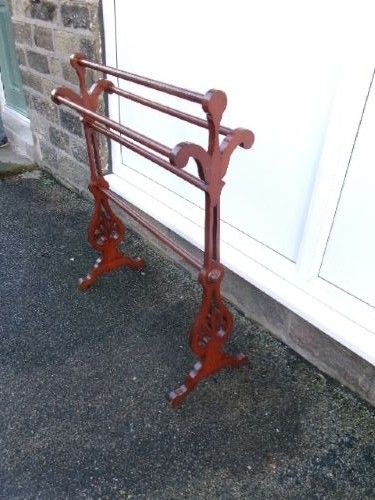
The assortment also includes side cabinets, towel rails, and folding variants dating from the eighteenth century through to the early twentieth century. These domestic pieces reflect the changing needs of period dressing rooms and bedchambers.
Factors of quality and execution
The distinction between standard and superior pieces rests on the choice of timber figure, such as the rich grain found in Cuban mahogany, and the precision of cabinetwork. Finer examples display crisp boxwood inlay, well-fitted drawers, and intact original brass hardware.
Structural integrity and the survival of original stone tops or fitted interior compartments elevate certain items above simpler utilitarian versions. Untouched surfaces and clean lines indicate careful preservation across successive generations.
Antique Washstands Mahogany Retail Price Guide 2026
Typical asking prices for washstands mahogany among the pieces listed under this phrase on Sellingantiques today, from the lower quarter to the upper quarter. They describe what is for sale here now, not the wider market.
Listings feature mahogany, marble, brass, and glass across Georgian, Victorian, and Edwardian periods.
Flashman & Co
The Antique Washstands Mahogany Glossary
- Washstand
- A piece of furniture designed to hold a basin, jug, and washing accessories before the advent of plumbed bathrooms. These often feature raised backs or galleries to protect walls from splashes.
- Corner washstand
- A specialised space-saving cabinet shaped with an angled rear to fit snugly into the corner of a room. Many include tiers for a basin, soap dishes, and a lower shelf for a water pitcher.
- Carrara marble
- A type of white or blue-grey marble quarried in Italy, frequently used for the slab tops of Victorian washstands because of its resistance to water. It provides a cool, hygienic surface for washing.
- Gallery
- A low raised wooden rail or upstand fixed to the back and sides of a tabletop or washstand. This prevents toilet items and water jugs from sliding off the surface.
Antique Washstands Mahogany: Frequently Asked Questions
What were antique mahogany washstands used for?
These pieces served as dedicated washing stations in bedrooms before running water was common. They held basins, pitchers, and soap dishes for morning routines.
Later Victorian versions often incorporated marble tops and tiled backs to handle water splashes safely while providing enclosed storage underneath for chamber pots and linen.
How do I tell a Georgian washstand from a Victorian one?
Georgian washstands tend to have lighter frames, delicate tripod or square-tapered legs, and often feature cut-out tiers designed specifically to hold round basins securely.
Victorian examples are generally heavier and more substantial, frequently incorporating Carrara marble slabs, tiled splashbacks, enclosed cupboards, and brass castors for mobility.
Can I use an antique washstand in a modern bathroom?
Many buyers repurpose these stands as stylish sink vanities by mounting modern basins and taps onto the wooden or marble surfaces. Professional plumbing adaptation allows them to function in contemporary homes.
Their compact footprints and characterful timber grain make them practical alternatives to standard modern bathroom cabinetry.
What is a corner washstand?
A corner washstand is a triangular or wedge-shaped cabinet engineered to occupy unused room corners efficiently. They became popular in eighteenth and nineteenth-century bedrooms to save floor space.
These pieces typically feature graduated tiers with circular cut-outs for basins at the top and small drawers or shelf spaces below.