


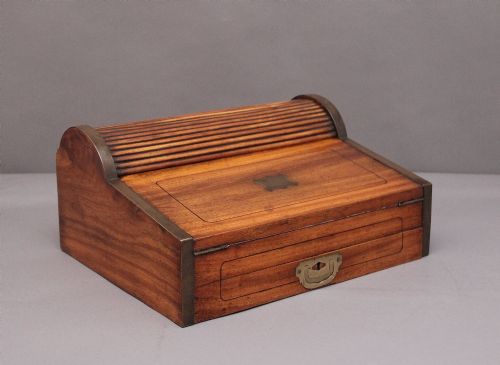


Brown Wood Writing Box
A brown wood writing box is a portable desk or stationary container crafted from timbers such as mahogany, walnut, or oak, prized for organising correspondence and documents.
Brown Wood Writing Box
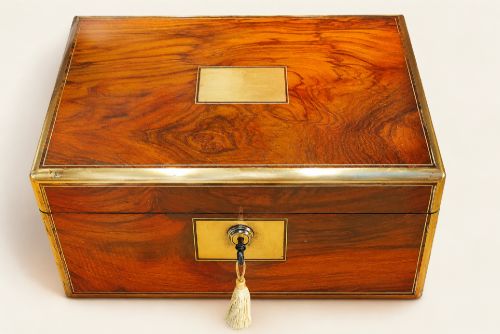
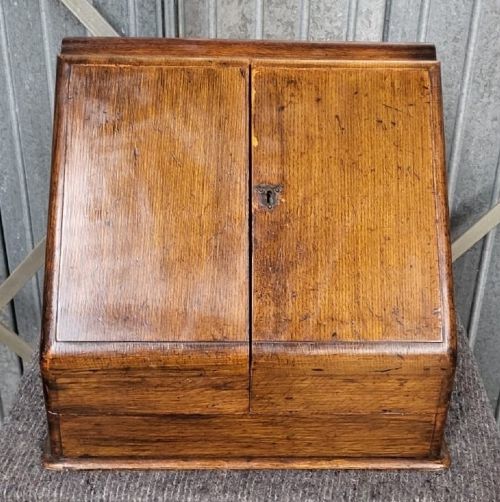
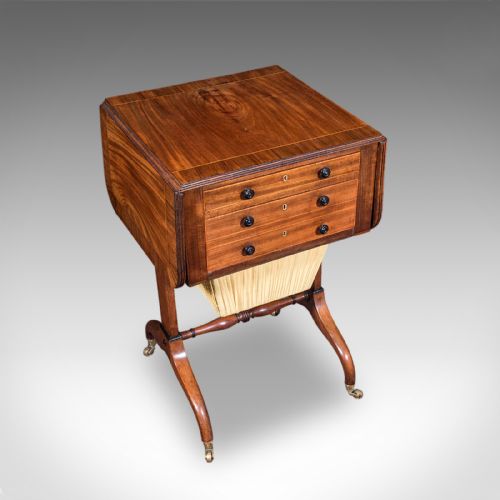
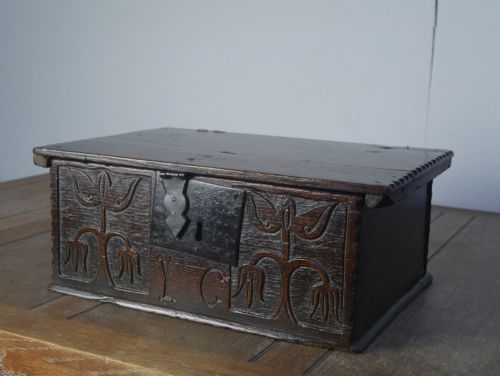
A brown wood writing box encompasses portable writing slopes, stationery cabinets, and desktop chests designed for correspondence. The pieces available span periods from the seventeenth century through to the Victorian era, reflecting changing domestic habits.
Victorian examples in mahogany, walnut, and camphor wood dominate the selection, often featuring fitted internal compartments for inkwells and paper. Alongside these, earlier oak boxes and Georgian stationery containers appear.
Forms range from simple folding campaign desks to elaborate inlaid correspondence chests and miniature desks. Buyers select these items for functional desktop storage and period character.
How they were made
Cabinet makers utilised dense hardwoods including mahogany, walnut, burr walnut, coromandel, and oak as the structural basis for these boxes. Timber selection determined both the durability and the decorative grain pattern of the exterior.
Brass fittings, such as corner brackets, hinges, and escutcheons, reinforced the joints and protected the edges during travel. Parquetry, marquetry, and boxwood stringing adorned the surfaces of finer Victorian and Georgian pieces.
Brown Wood Writing Box Retail Price Guide 2026
Typical asking prices for brown wood writing box among the pieces listed under this phrase on Sellingantiques today, from the lower quarter to the upper quarter. They describe what is for sale here now, not the wider market.
Periods represented span from the 17th century through the Georgian and Regency eras to late Victorian designs.
What varies in quality
The choice of timber and veneer defines the visual standard, with burr walnut, amboyna, and figured mahogany marking the more ambitious examples. Plain oak or fruitwood boxes represent utilitarian workshops rather than high-end urban cabinet makers.
Internal complexity separates standard boxes from superior pieces, particularly those featuring secret drawers, adjustable writing surfaces, or complete original brass hardware. The precision of inlaid parquetry and Tunbridge ware mosaic work indicates the skill invested in the construction.
Edmund Nye
The Brown Wood Writing Box Glossary
- Writing slope
- A desktop box featuring a hinged, slanted writing surface that lifts to reveal storage compartments underneath. These portable desks were standard items for travel and home use.
- Campaign desk
- A folding or collapsible wooden desk constructed for military use in the field. These pieces frequently incorporate brass mounts and robust carrying handles.
- Stationery box
- An upright cabinet or box designed to hold writing paper, envelopes, and correspondence. Many examples include tiered internal dividers and calendar dates.
- Tunbridge ware
- Woodworking decoration utilising thousands of tiny tinted wood blocks assembled to create mosaic pictures and geometric patterns. This technique originates from Tunbridge Wells in Kent.
- Marquetry
- The art of applying pieces of veneer to a structural structure to form decorative patterns and floral designs. Cabinet makers employed contrasting timbers to achieve tonal depth.
Brown Wood Writing Box: Frequently Asked Questions
How were writing boxes used?
Owners used these boxes to store stationery and provide a stable slanted surface for writing letters before the widespread use of fitted desks. Portable campaign versions travelled with officers and officials.
At home, they sat on tables to keep correspondence organised and secure. The lockable lids protected private letters and financial documents.
How do I date a wooden box?
Dating relies on timber choice, construction methods, and decorative styles characteristic of specific periods like the Regency or Victorian eras. Secondary woods inside the box also help determine the origin.
Hardware styles, such as flush brass handles on campaign pieces, point to precise decades of manufacture. Inlay techniques and floral marquetry reflect the prevailing taste of the workshop's era.
How do I care for a wood writing box?
Maintain the timber by keeping the box away from direct heat sources and drastic humidity changes that cause wood to split. Regular dusting preserves the polish and grain.
Apply appropriate wax sparingly to nourish older surfaces without buildup. Check brass fittings gently and avoid over-tightening hinges.