

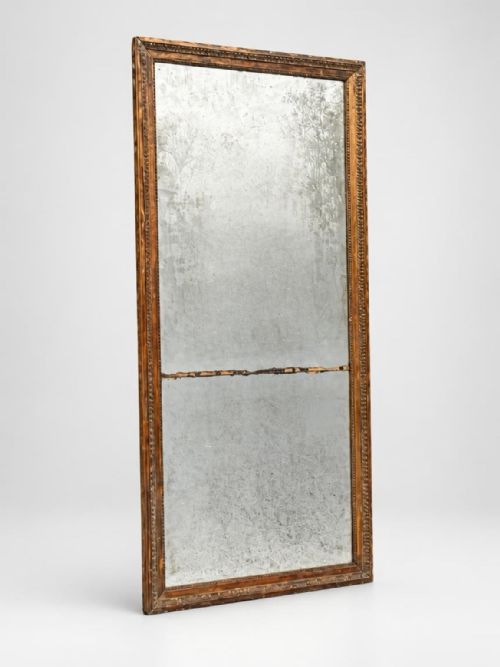
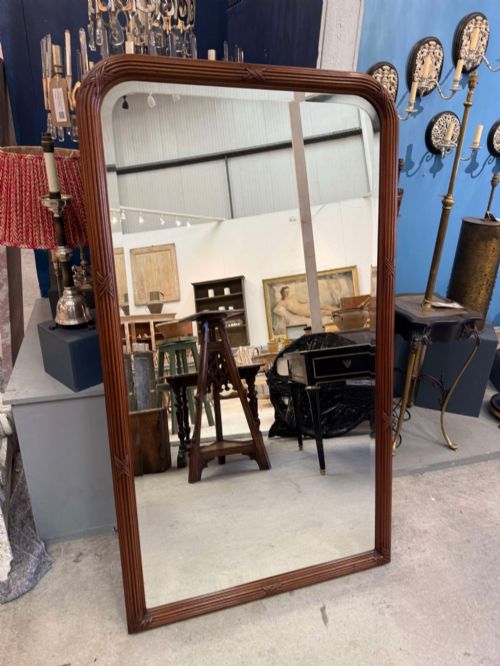
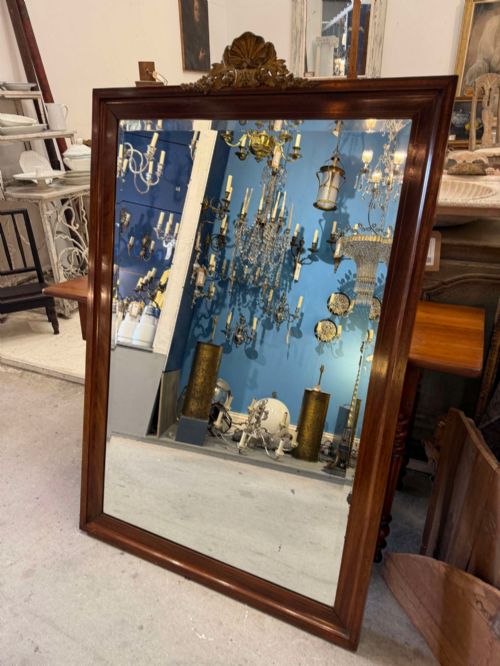
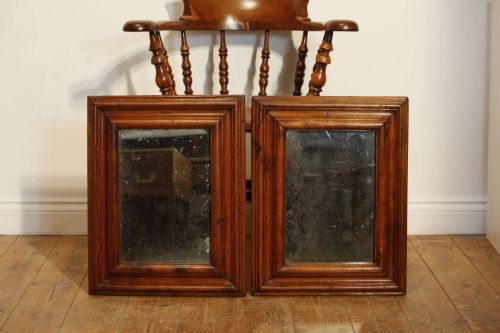
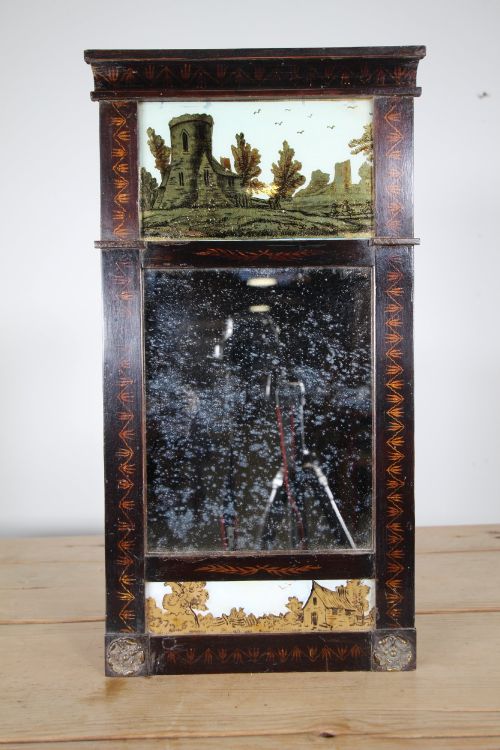
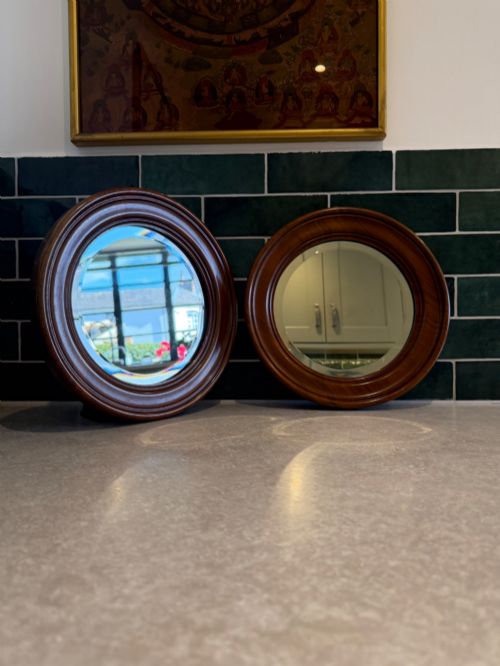
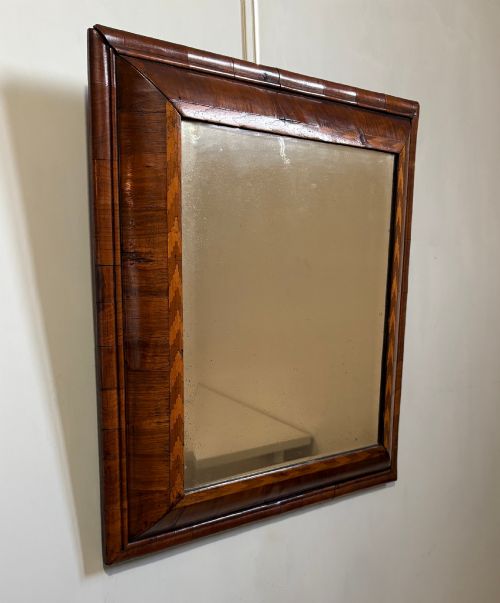
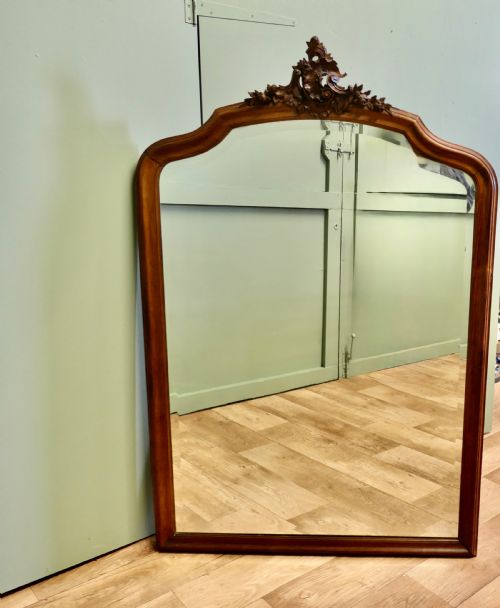
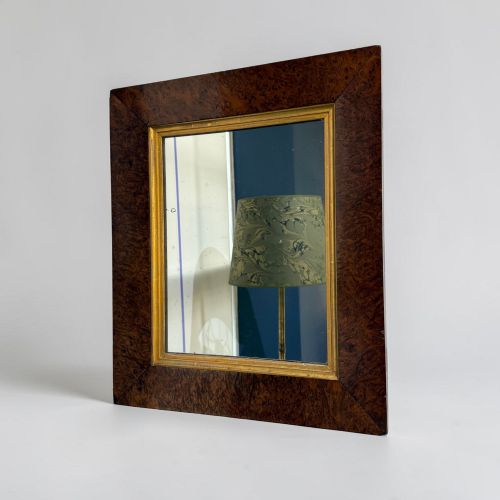
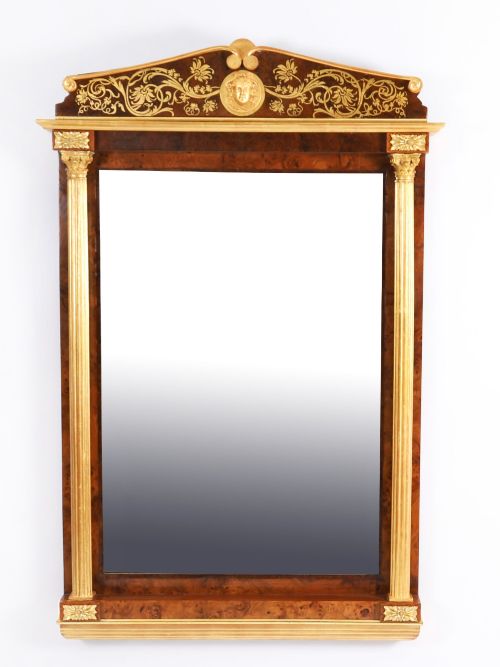
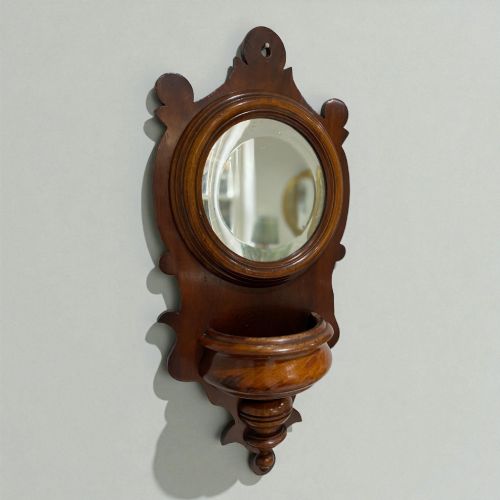
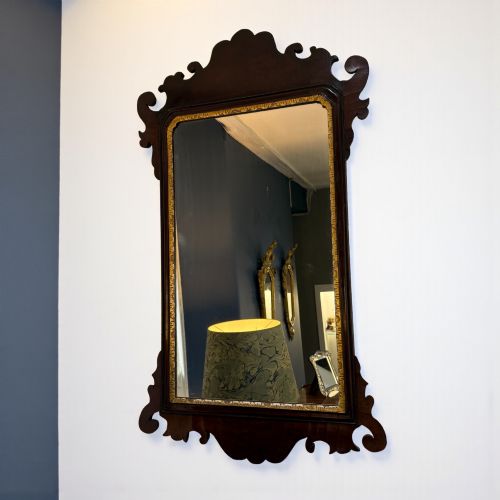
Brown Wood Wall Mirror
These brown wood wall mirrors bring warmth and character to a room, spanning periods from the eighteenth century to the early twentieth.
Brown Wood Wall Mirror
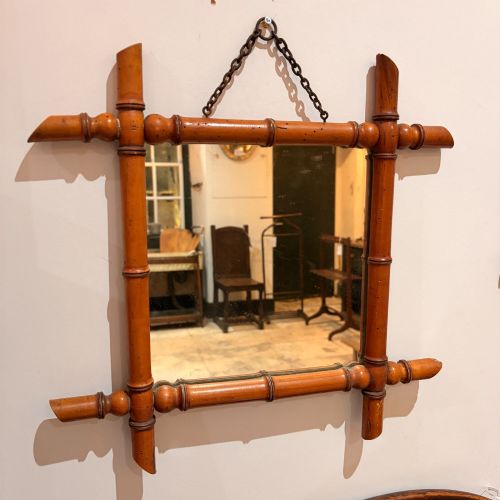
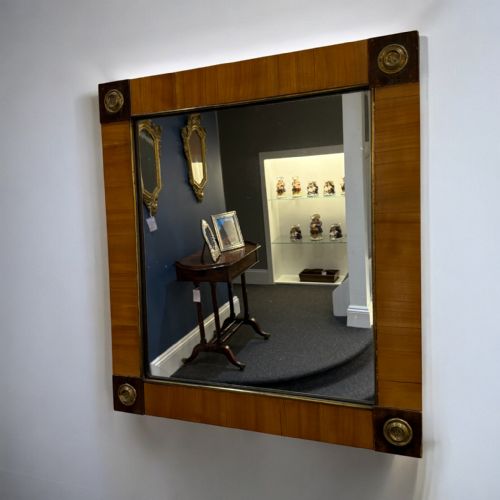
A brown wood wall mirror serves as both a functional looking glass and a focal point, appearing across styles such as Georgian, Victorian, and Edwardian. Buyers searching for a brown wood wall mirror encounter diverse formats, including rectangular oak frames, walnut overmantels, and mahogany pier mirrors.
The selection includes regional and continental examples, ranging from French country trumeau mirrors to British hall mirrors with integrated coat hooks. Overmantel mirrors and wall cabinets also feature within the grouping, offering substantial scale for domestic interiors.
Materials and Construction
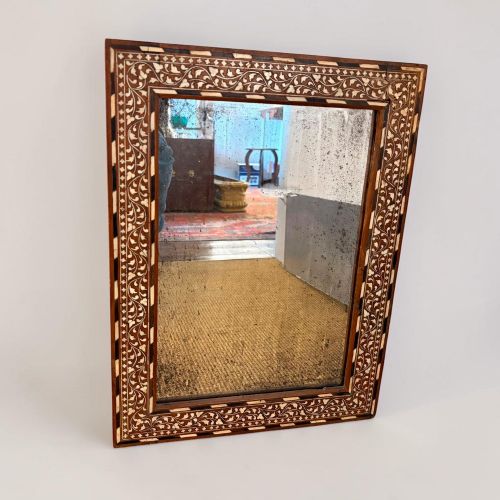
Craftsmen utilised timbers such as oak, walnut, mahogany, and yew wood, often combining solid construction with intricate veneers and marquetry inlay. Frames incorporate carved details, parcel gilding, and faux bamboo or ebonised finishes to achieve distinct textures.
Glass plates are set within wooden rebates, frequently featuring bevelled edges that catch the light. Secondary materials like brass, bone, and mother of pearl appear in specific revival and regional pieces.
Brown Wood Wall Mirror Retail Price Guide 2026
Typical asking prices for brown wood wall mirror among the pieces listed under this phrase on Sellingantiques today, from the lower quarter to the upper quarter. They describe what is for sale here now, not the wider market.
The listings span the eighteenth, nineteenth, and early twentieth centuries, featuring oak, walnut, mahogany, and giltwood materials.
Assessing the Pieces
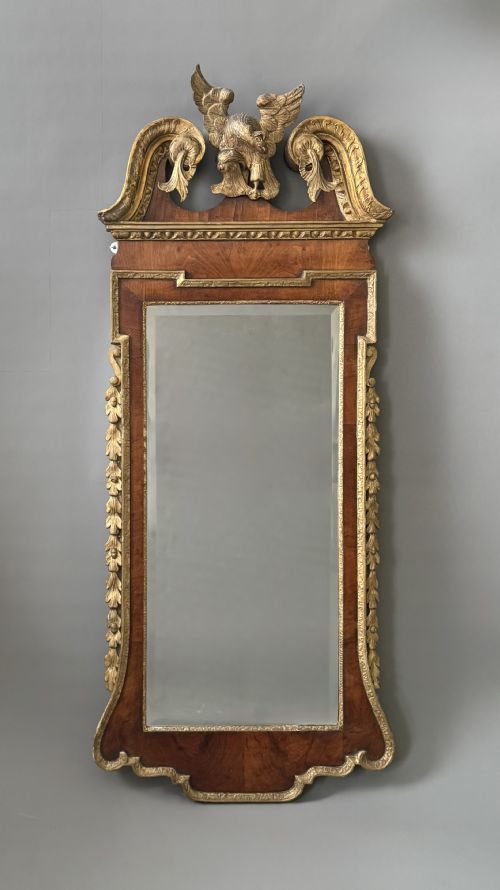
Quality rests in the crispness of the wood carving, the depth of the timber's grain, and the harmony of the proportions. Fretwork cut from walnut and deliberate parcel gilt accents demonstrate greater hand-working skill than standard moulded frames.
The integrity of the mirror glass and the tightness of the frame joints distinguish fine examples from simpler utilitarian items. Period mirrors retain original backing boards and glass characteristics that show authentic age.
Waring and Gillow·Liberty and Co
The Brown Wood Wall Mirror Glossary
- Overmantel mirror
- A large glass designed specifically to hang above a fireplace mantelpiece. These pieces often span the width of the fireplace opening.
- Pier mirror
- A tall glass made to fit the narrow wall space between windows. They frequently feature lower consoles or matching consoles.
- Parcel gilt
- Portions of a wooden frame highlighted with thin gold leaf applied over a prepared surface. This technique creates contrast against the dark timber.
- Trumeau mirror
- A decorative wall glass paired with an oil painting or carved panel above the plate. Originating in France, these pieces dominate formal interiors.
- Fretwork
- Thin wood cut into decorative geometric or scroll patterns using a fretsaw. It appears frequently on eighteenth-century style walnut frames.
Brown Wood Wall Mirror: Frequently Asked Questions
Where should I hang an overmantel mirror?
Position the glass directly above a fireplace mantel to reflect light and anchor the room's proportions.
Ensure the width does not exceed the mantel shelf itself for a balanced visual arrangement.
How do I identify a Georgian walnut mirror?
Look for figured walnut veneers, parcel gilt mouldings, and shaped fretwork top crests.
These pieces typically date from the eighteenth century and display hand-cut joinery on the reverse.
Are these mirrors heavy to mount?
Solid wood frames utilising thick oak, mahogany, or walnut carry substantial weight.
Secure the hanging hardware directly into wall studs or utilise appropriate structural fixings.
What is a pier mirror used for?
Historic interiors utilised these tall glasses between windows to bounce natural light deep into the room.
Today they function effectively in narrow hallways or entryways.