


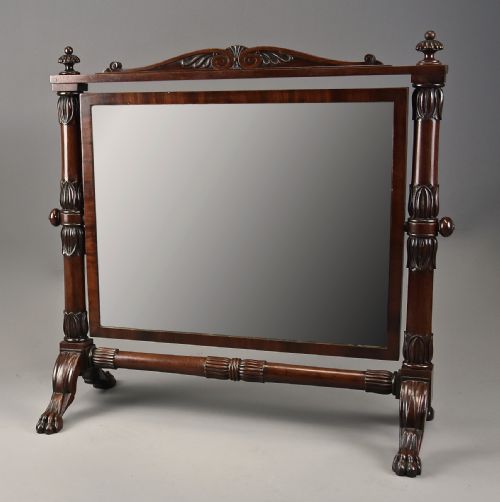
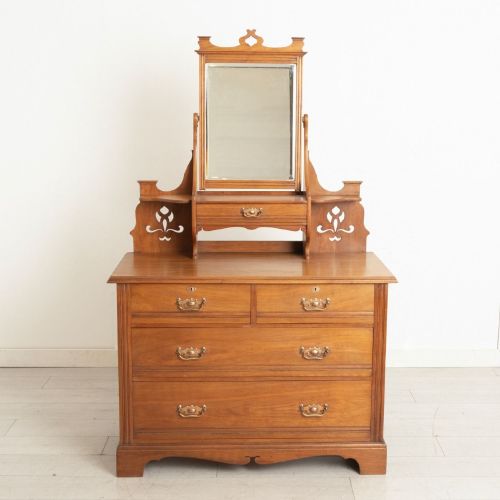
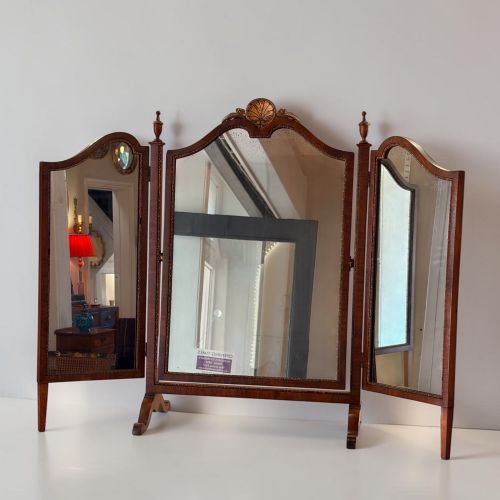
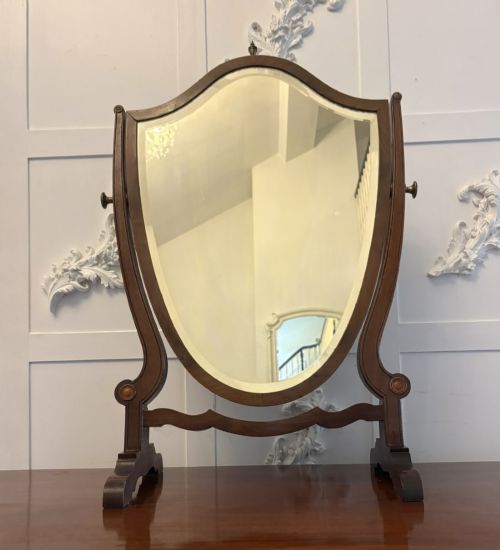
Brown Wood Table Mirror
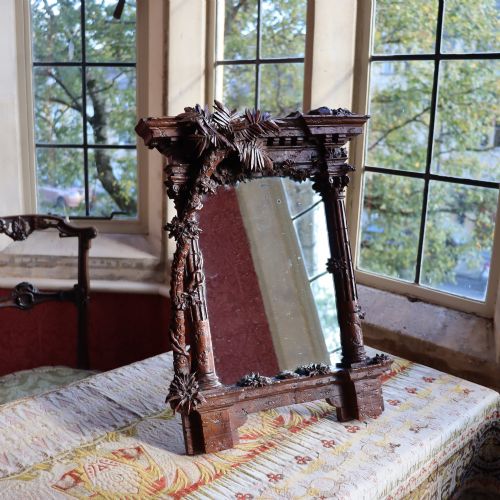
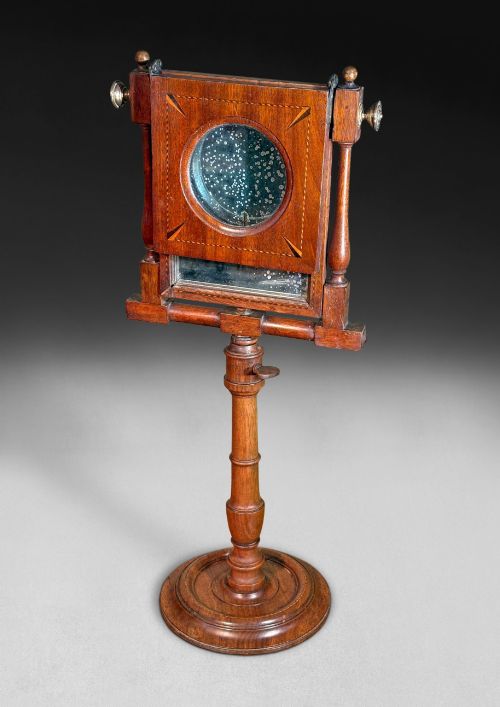
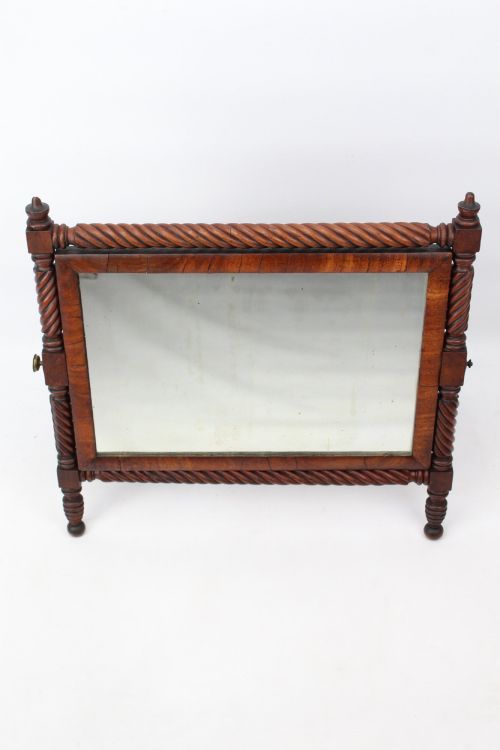
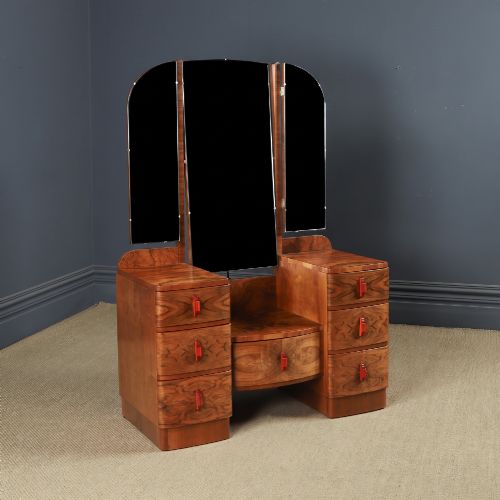
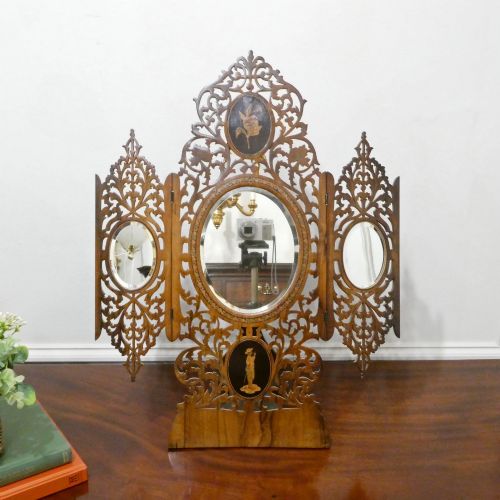
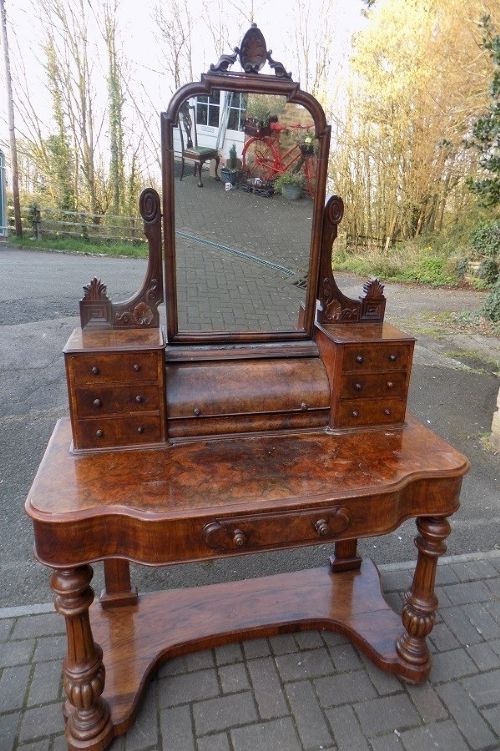
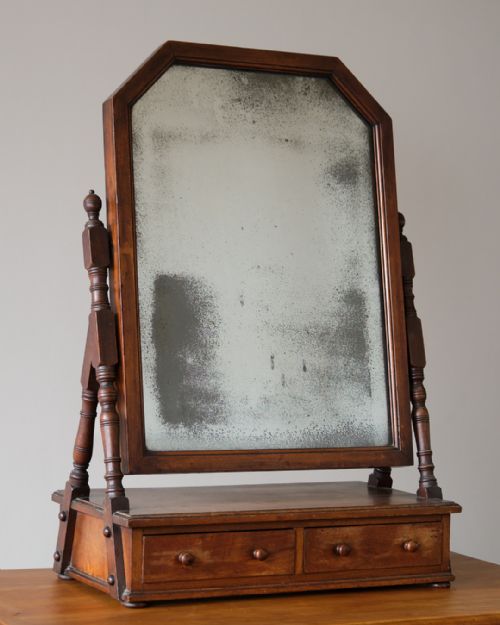
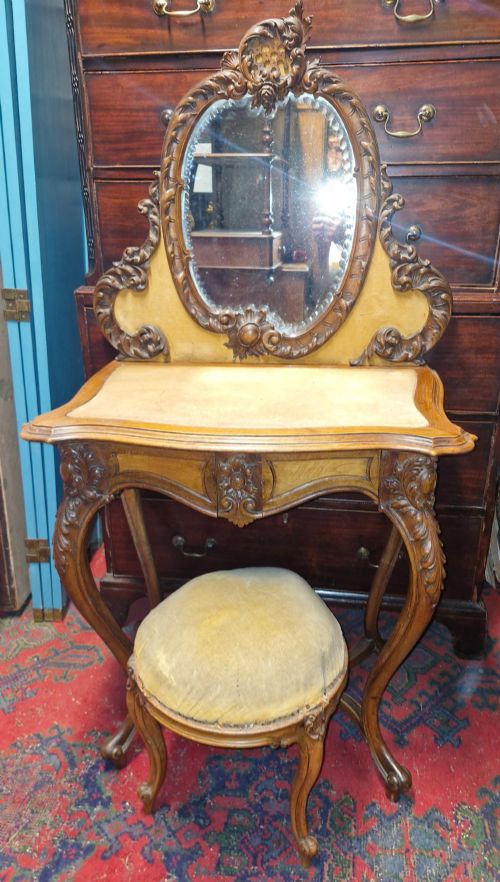
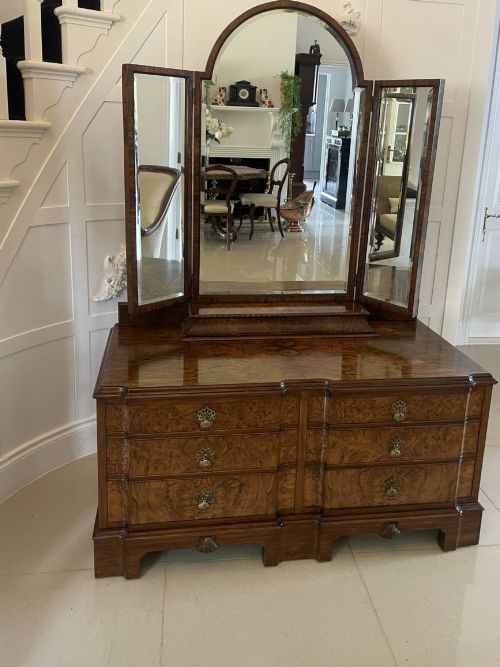
These brown wood table mirror pieces are classic dressing and toilet mirrors designed for chests and tables, bringing period warmth to a room.
Brown Wood Table Mirror
When you search for a brown wood table mirror, you encounter a variety of forms designed to sit upon dressing tables, chests of drawers, or surfaces in bedrooms and dressing rooms. The pieces recorded here span several centuries, with particular strength in Georgian, Victorian, and Edwardian examples.
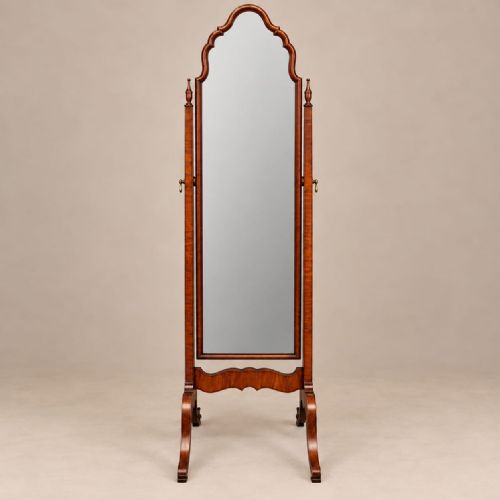
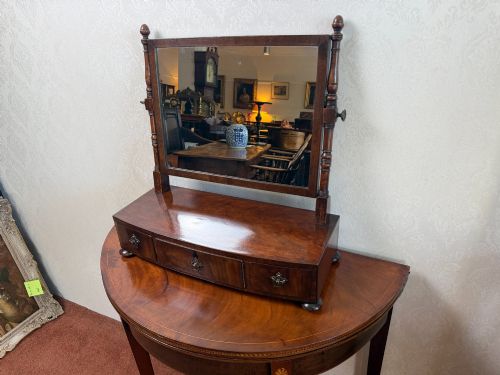
You meet various forms on this page, including swing mirrors, toilet mirrors, and dressing table mirrors, alongside occasional cheval mirrors and shaving stands. Many incorporate small drawer bases, box bases, or serpentine fronts to hold small personal items.
The materials and styles reflect the prevailing tastes of their periods, from the rich dark tones of Georgian mahogany to the elaborate marquetry and carved details of the Victorian era. Simpler Edwardian and later pieces offer cleaner lines while maintaining traditional timber construction.
How they were made
Cabinet makers constructed these mirrors primarily using solid timbers and veneers of mahogany, walnut, and oak, often reinforced with secondary woods like pine or oak for internal drawer linings. Timber selection dictated the visual weight and grain pattern of the frame, with burr walnut and Cuban mahogany utilised for higher status items.
Joinery techniques involved precise dovetailing for the small drawers housed in the mirror bases, alongside turned or carved upright supports holding the swing frame in place with adjustable brass screw pins. The glass itself rested within rebated frames, backed by thin wooden panels secured by small panel pins.
Brown Wood Table Mirror Retail Price Guide 2026
Typical asking prices for brown wood table mirror among the pieces listed under this phrase on Sellingantiques today, from the lower quarter to the upper quarter. They describe what is for sale here now, not the wider market.
Some gentlemen's shaving mirrors included clever hidden compartments behind miniature drawers for secret correspondence.
What varies in quality
The standard of timber preparation and figure sets finer examples apart from simpler utilitarian pieces, particularly where book-matched veneers or crossbanding embellish the drawer fronts. Finer mirrors show careful attention to proportions, delicate turning on the upright supports, and crisp carving on the feet and frames.
The retention of original mirror glass and authentic brass hardware contributes significantly to the integrity of a piece. Subtle details such as hand-cut dovetails, secondary wood consistency, and the fluid movement of the swing frame indicate skilled workshop production rather than mass manufacture.
Heal And Sons·Waring And Gillows·Edwards And Roberts·P And MA Nicholson
The Brown Wood Table Mirror Glossary
- Swing mirror
- A mirror plate mounted on pivots within a vertical frame, allowing the glass angle to be tilted. This design sits atop a table or chest base.
- Toilet mirror
- A traditional period term for a small dressing mirror, frequently equipped with small drawers beneath the frame for cosmetics or jewellery.
- Crossbanding
- A decorative border of veneer laid around the edges of a panel or drawer front so that the grain runs at right angles to the central wood.
- Serpentine
- A curved line that undulates outwards and inwards, commonly seen on the front edges of drawer bases from the Georgian period.
- Cheval mirror
- A full-length standing dressing mirror mounted on a vertical frame with four legs, allowing the user to view their entire outfit.
Brown Wood Table Mirror: Frequently Asked Questions
What is the difference between a toilet mirror and a dressing table mirror?
A toilet mirror typically refers to smaller portable looking glasses designed to sit on top of an existing chest or table, often featuring small accessory drawers in the base.
Larger dressing table mirrors often formed part of a matched suite or integrated more substantially with the furniture they accompanied, though the terms frequently overlap in historical descriptions.
How do I know if the mirror glass is original?
Original mirror glass frequently exhibits minor foxing, subtle surface distortion, and slight imperfections inherent to early silvering techniques. The glass is usually held securely by thin wooden slips or old pins at the back rather than modern sealants.
Replacement glass often appears exceptionally clear and flat, lacking the depth and age-related characteristics found in period plates.
Can these mirrors be placed on modern furniture?
These table mirrors work effectively on modern chests, sideboards, and dressing tables, provided the surface area is deep and stable enough to support the footprint of the base.
Their traditional timber tones and compact proportions allow them to complement contemporary interiors while adding period character to a room.
How do I adjust a loose swing mirror frame?
Most swing mirrors are held between two upright posts by brass screw pins, threaded bolts, or thumbscrews that pass through the frame into the side supports.
Carefully tightening these side fixings usually restores tension, though older leather or felt washers inside the joint may occasionally need replacement to hold the glass firmly in position.