
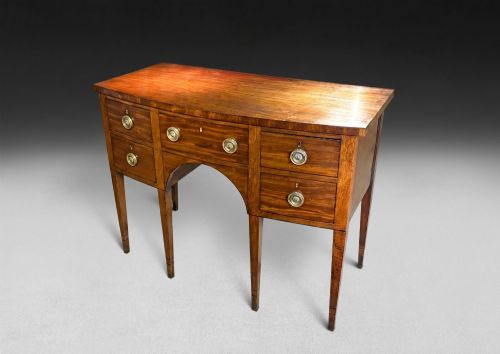
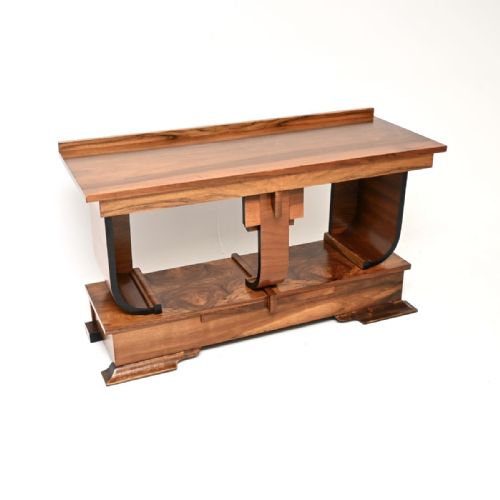
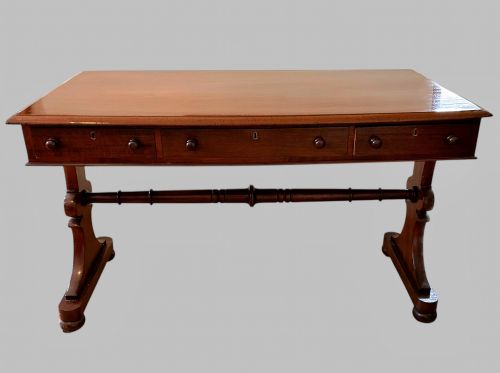
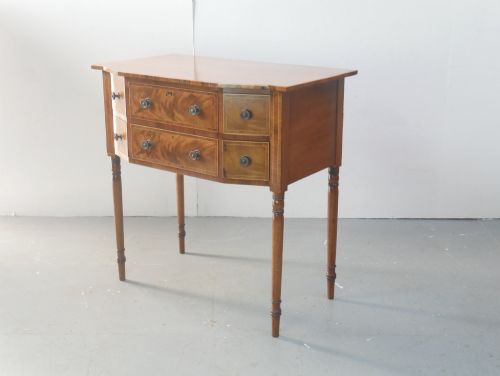
Brown Wood Server Table
A brown wood server table brings functional elegance to a dining room or hall through traditional craftsmanship.
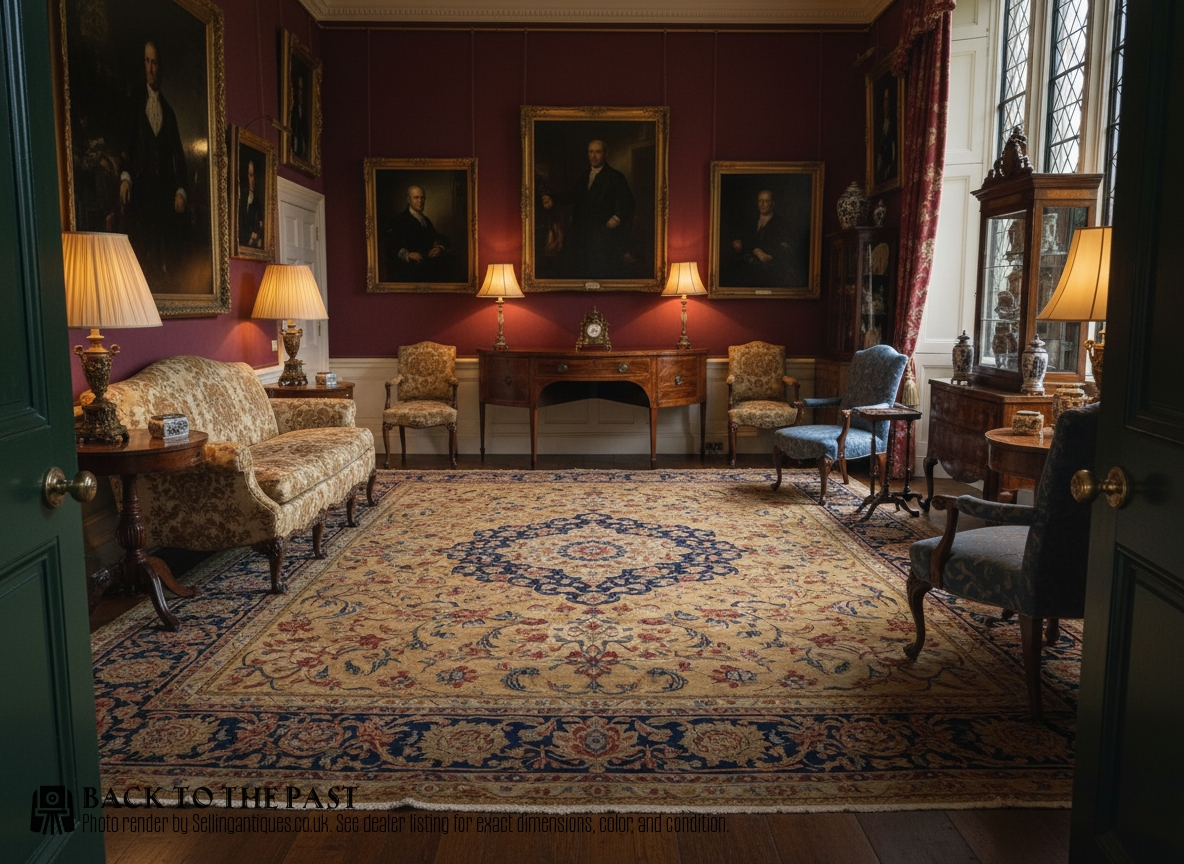
Brown Wood Server Table
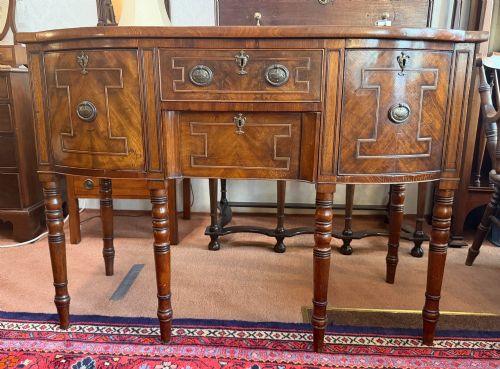
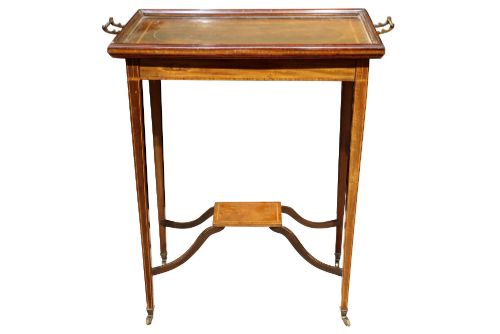
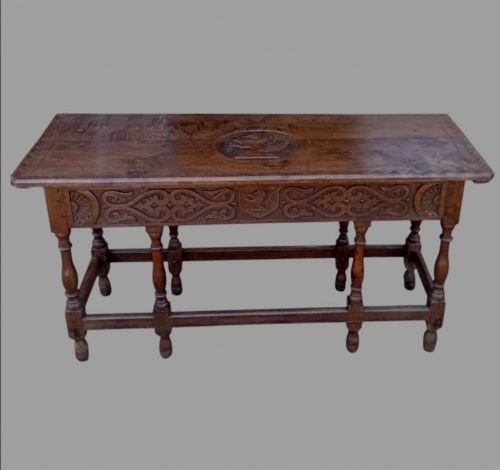
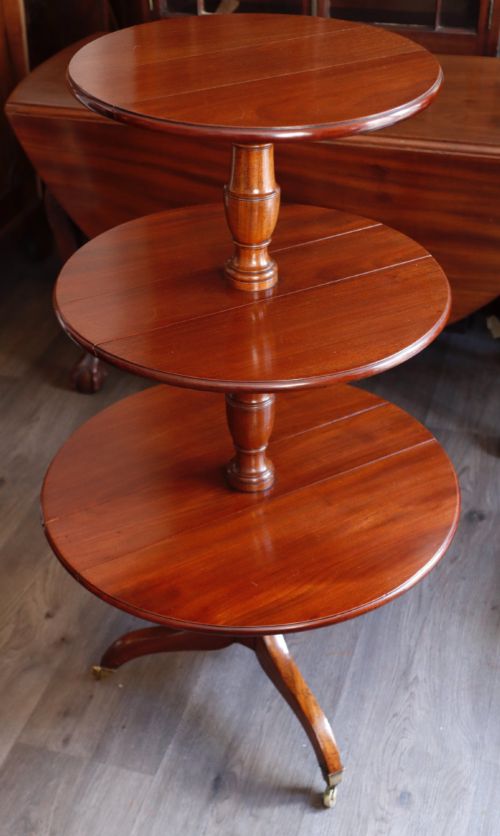
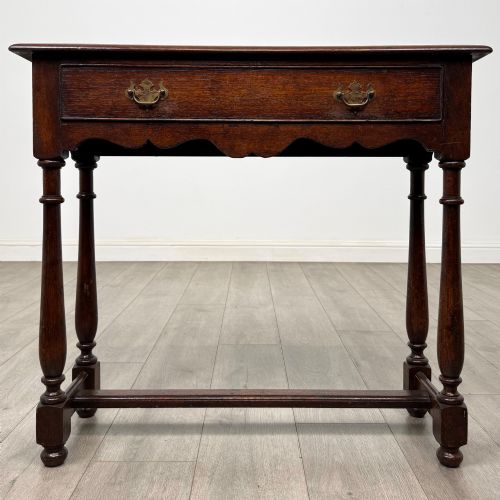
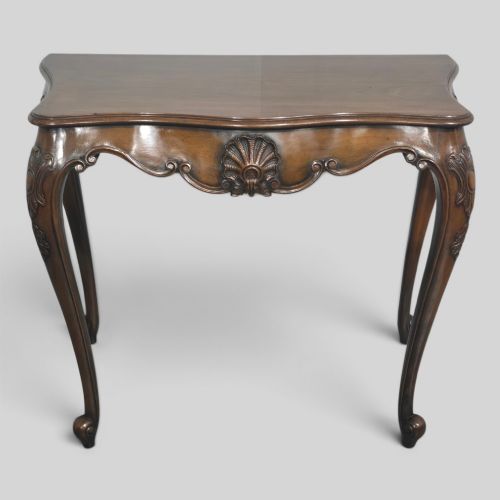
A brown wood server table encompasses a wide variety of serving tables, sideboards, console tables, and dresser bases designed for storage and display in domestic interiors. Buyers searching this phrase encounter numerous forms spanning the eighteenth, nineteenth, and early twentieth centuries, reflecting changing dining habits and interior fashions.
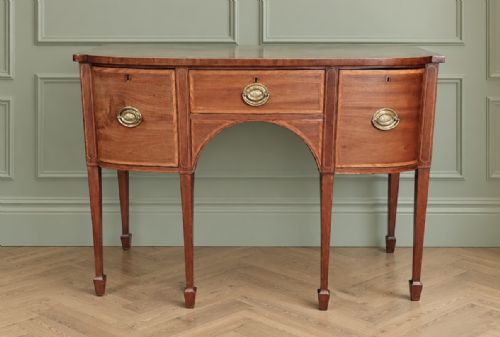
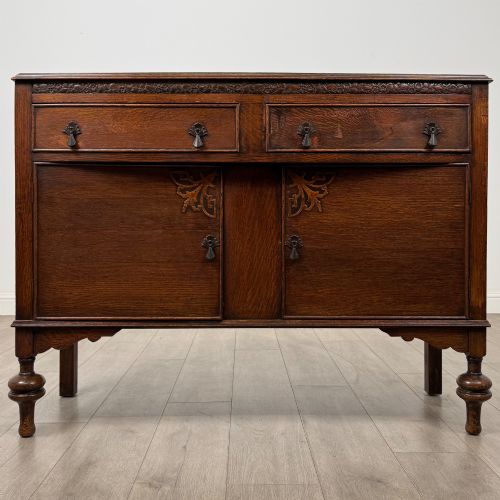
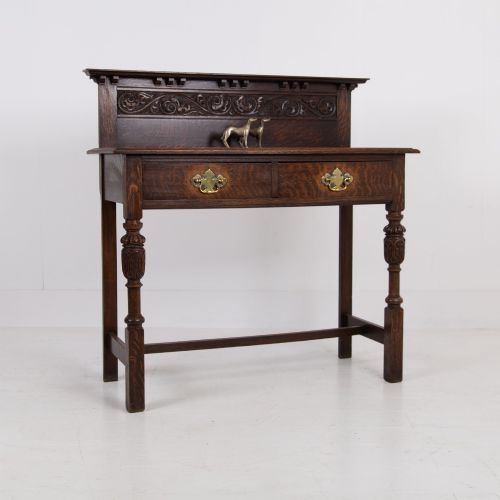
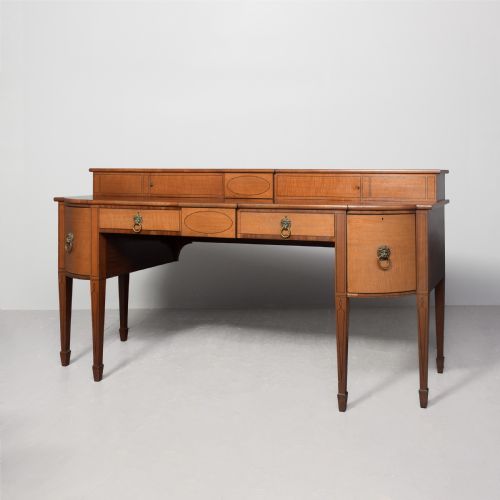
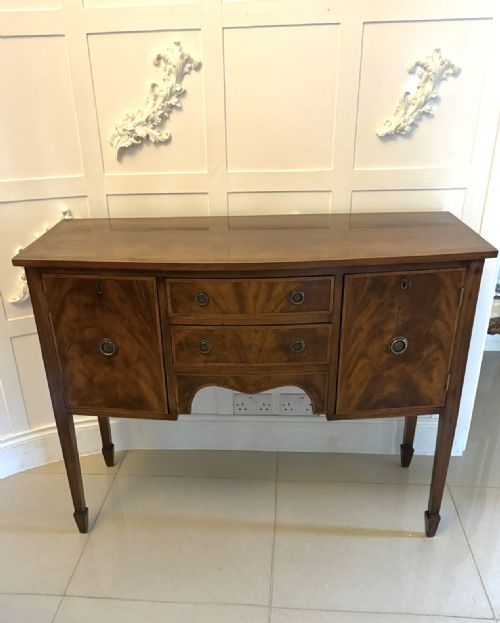
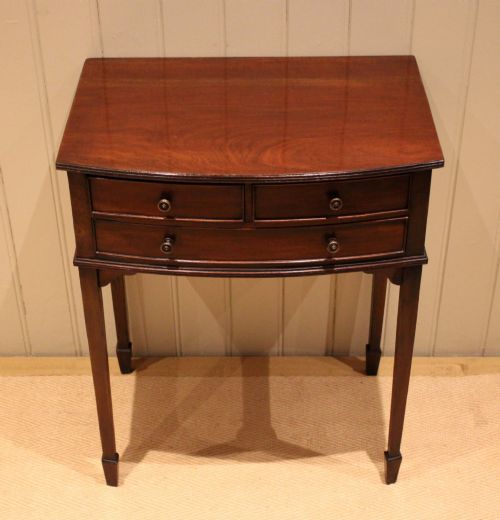
The pieces on this page appear in styles ranging from Georgian and Regency to Edwardian and Art Deco, with forms including bow-front sideboards, narrow side tables, and oak dresser bases. Mahogany, oak, and walnut predominate among the listings, often featuring brass hardware or subtle inlay work.
Sideboards and serving tables generally provide surface space for food and drink presentation alongside drawer storage for linens and cutlery. Console and occasional tables offer similar wooden surfaces in more compact formats suitable for hallways and reception rooms.
Materials and construction methods
Cabinetmakers relied heavily on solid hardwoods like mahogany, oak, and walnut, frequently selecting figured veneers and burr walnut to create visually striking surfaces on drawer fronts and tabletops. Satinwood inlay, boxwood stringing, and brass handles provided decorative contrast against the dark timber ground.
Construction techniques evolved from eighteenth-century cabinet making traditions through to twentieth-century revival pieces, utilising traditional joinery methods for drawers and frames. Carved details, serpentine shaping, and bow-front structures required specialist hand woodworking skills to achieve curved profiles and fitted components.
Some nineteenth-century pieces include clever metamorphic mechanisms that transform a simple side table into a fully functioning buffet.
Factors influencing quality
Quality depends upon the selection of timber figures, the precision of cabinet joinery, and the integrity of the original hardware and structural supports. Superior examples display carefully matched veneer grains, clean drawer linings, and balanced proportions that reflect the design standards of their period.
Pieces from Georgian and Regency eras often demonstrate refined carving and thoughtful proportions, whereas later revival items vary according to the scale of production and the grade of timber employed by the workshop.
The Brown Wood Server Table Glossary
- Bow-front
- A convex curved front characteristic of sideboards and side tables from the Georgian period onward. This curved profile softens room angles while increasing internal cabinet capacity.
- Dresser base
- A low wooden storage unit featuring drawers and sometimes an open potboard shelf underneath. These pieces originated in country houses for storing and displaying kitchen or dining ware.
- Serpentine
- A shaped furniture front featuring a concave centre flanked by convex outer curves. This flowing line demands advanced woodworking skill and indicates high-grade cabinet making.
- Inlay
- A decorative technique where contrasting woods or metals are fitted into carved recesses on the furniture surface. Satinwood and boxwood are frequently utilised for linear stringing.
- Console table
- A table designed to stand against a wall, occasionally secured with brackets. These pieces serve as decorative serving surfaces in hallways and dining rooms.
Brown Wood Server Table: Frequently Asked Questions
How were these tables used originally?
These tables served primarily in dining rooms and halls for presenting food, holding beverages, or storing silver and linens during domestic service. Larger sideboards accommodated heavy serving dishes, while narrower console and occasional tables provided surface space in reception areas.
Over time, their domestic function adapted to changing interior layouts, allowing them to transition from working dining room furniture into decorative display pieces within modern homes.
How do I distinguish Georgian from later revival styles?
Georgian pieces display authentic period construction methods, timber ageing, and specific design proportions associated with eighteenth-century cabinetmakers. Revival items, produced during the Victorian and Edwardian eras, often imitate these earlier forms using contemporary machinery and standardised hardware.
Examining internal drawer construction, timber shrinkage patterns, and secondary woods helps clarify whether a piece originates from the primary period or a later revival movement.
Where should I place a server table in my home?
A server table functions effectively in a dining room as a sideboard for serving meals and storing tableware. Alternatively, slimmer console versions suit narrow hallways as a surface for keys, lamps, and decorative objects.
Matching the scale of the room to the depth of the bow-front or rectangular top ensures the furniture maintains proper walking clearance and visual balance.
What maintenance do these wooden tables require?
Maintaining these wooden surfaces involves regular dusting with a soft cloth and occasional application of appropriate furniture wax to nourish the timber. Avoiding direct sunlight and stable humidity levels prevents veneer lifting and wood splitting.
Gentle care preserves the original polish and patina accumulated across centuries of domestic use.