





Brown Wood Saint Sculpture
A brown wood saint sculpture brings centuries of devotional craft into a room, spanning rustic folk art to grand ecclesiastical figures.
Brown Wood Saint Sculpture
A brown wood saint sculpture encompasses carved wooden figures of holy figures, apostles, and biblical characters spanning several centuries. Buyers searching for a brown wood saint sculpture encounter pieces ranging from pre-16th century late medieval church carvings to 19th-century folk art statues. These works originate from workshops across continental Europe, including Germany, Italy, France, Spain, and Flanders.
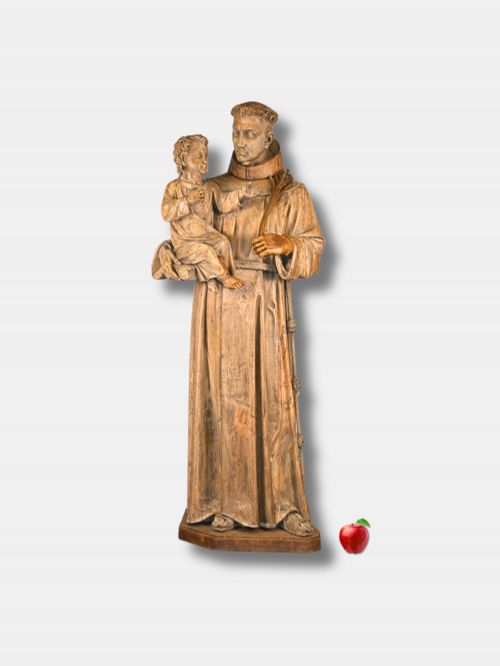
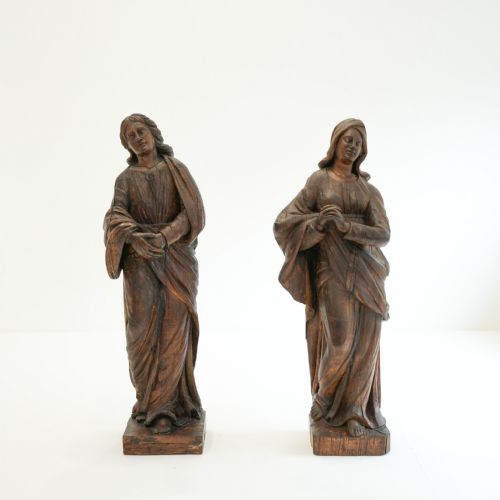
The most common forms on this page include standing saints, religious busts, and paired figures created for ecclesiastical settings or domestic devotion. Subjects like Saint Anthony, Saint John, and the Virgin and Child appear frequently among the listings. Regional variations emerge clearly, from Alpine folk art traditions to Upper Rhine late Gothic carving styles.
Materials and construction methods
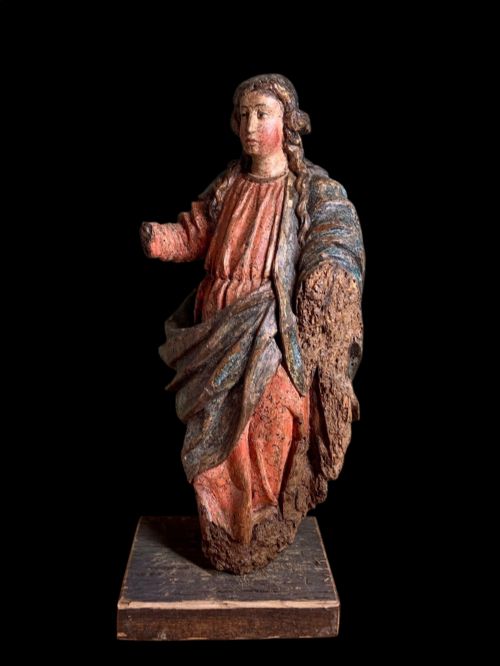
Many surfaces received layers of gesso and polychrome paint, while others display the natural grain of dark wood exposed over time. Paint and gesso applications added lifelike coloration to vestments and flesh tones, though much of this pigment has worn down or been stripped. Tool marks left by gouges and chisels remain visible across the unpainted wooden backs and bases.
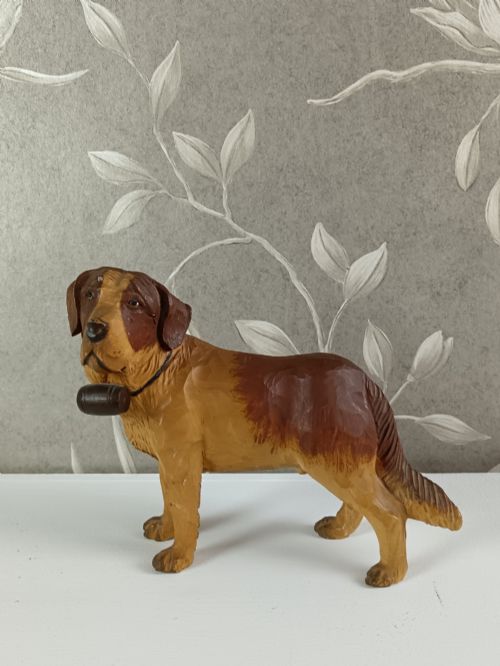
One unexpected resident among the saints is a carved wooden Saint Bernard rescue dog from 1940.
Assessing sculptural quality and execution
Quality rests upon the anatomical precision, depth of relief, and fluidity in the carving of drapery folds. Master carvers achieved realistic weight and movement in fabric, whereas lesser pieces display stiff and repetitive cuts. The expressiveness of the hands and face often separates standard workshop output from exceptional ecclesiastical commissions.
The preservation of original surface treatments, such as polychrome pigment over gesso, influences the integrity of a piece. Sculptures retaining authentic traces of early paint work offer a different visual texture compared to those stripped to bare timber. The clarity of tool work and the integration of the figure within the original block of wood reveal the sculptor's proficiency.
Franz Keller·Bohumil Kafka
The Brown Wood Saint Sculpture Glossary
- Polychrome
- Painted in several colours. This surface treatment was applied over gesso to give statues a lifelike appearance.
- Gesso
- A plaster mix applied to wood as a base for gilding or paint. It smooths the surface before pigment application.
- Limewood
- A soft, pale wood favored by continental carvers for fine detail. It resists splitting and holds sharp chisel edges well.
- Acolyte
- An assistant or altar server in religious services. Figures depicting acolytes often hold candlesticks or liturgical items.
Brown Wood Saint Sculpture: Frequently Asked Questions
What is a santos figure?
A santos figure is a carved representation of a saint or holy person used for religious devotion. These statues originated primarily in Catholic regions for church altars or private home shrines.
Many examples feature articulated limbs or hollow wooden construction designed to hold fabric vestments. They reflect the regional folk art and ecclesiastical tastes of their period.
How can I date a wooden statue?
Dating relies on examining the tool marks, wood species, style of drapery, and regional carving conventions. Late medieval pieces exhibit distinct angular folds and tool work differing from later baroque or folk art examples.
Examining the base and rear for structural pins, dowels, or shrinkage cracks provides further clues to age. Pigment remnants and gesso composition also help place a sculpture within its century.
Where were these sculptures originally displayed?
These sculptures stood in churches, abbeys, domestic chapels, and roadside shrines across Europe. Larger pieces formed parts of altarpieces, rood screens, or dedicated wall brackets.
Smaller busts and figures served as focal points for private prayer within domestic spaces. Their migration into modern interiors places them on mantels, consoles, and pedestals.
How do I care for antique wood sculptures?
Keep wooden sculptures away from direct sunlight, heating vents, and rapid humidity changes to prevent cracking. Dust them gently with a dry, soft brush rather than using liquid polishes or chemical cleaners.
Stable indoor environments preserve both the bare timber and any surviving historic gesso or paint. Avoid applying modern waxes unless advised by a professional conservator.