


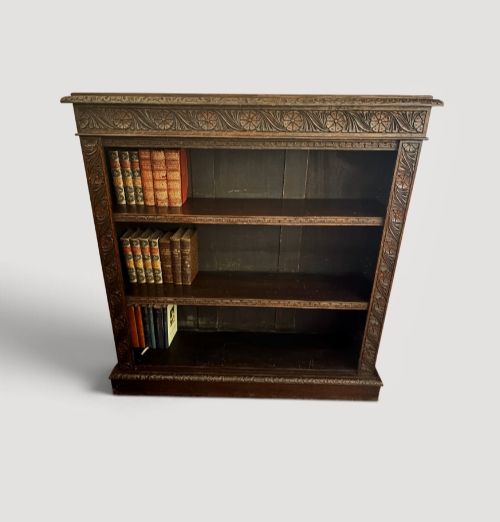
Brown Wood Display Bookcase
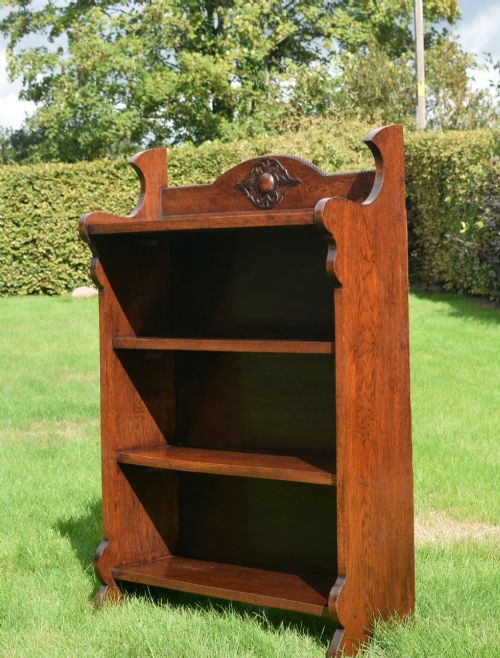
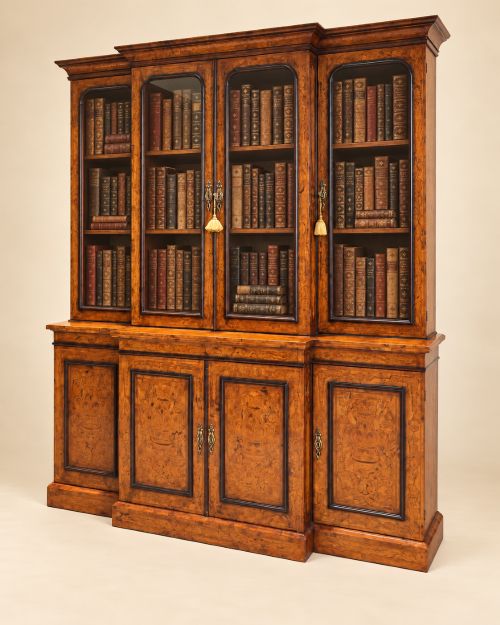
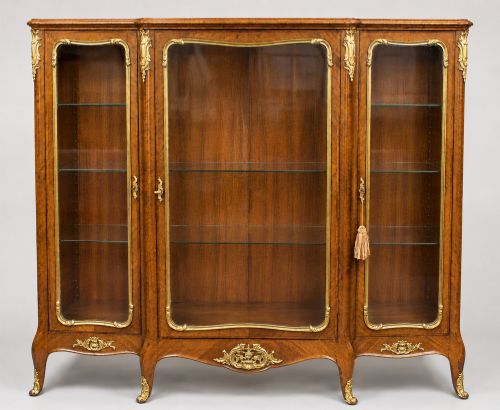
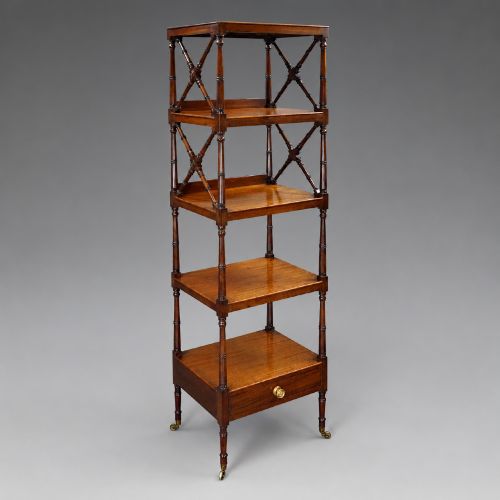
These brown wood display bookcases bring together centuries of timber cabinetry, offering glazed and open shelving for serious collections.
Brown Wood Display Bookcase
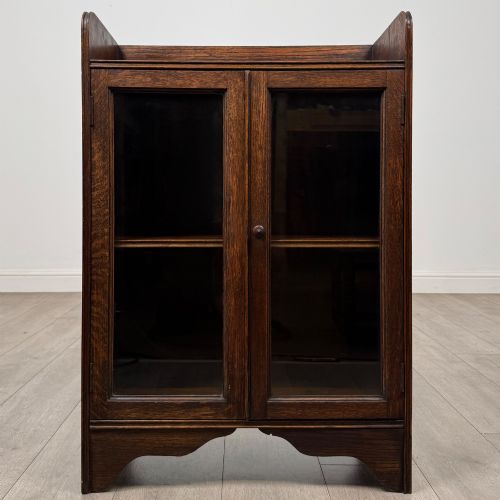
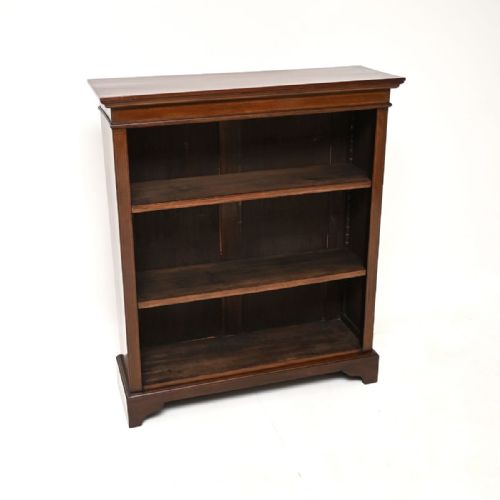
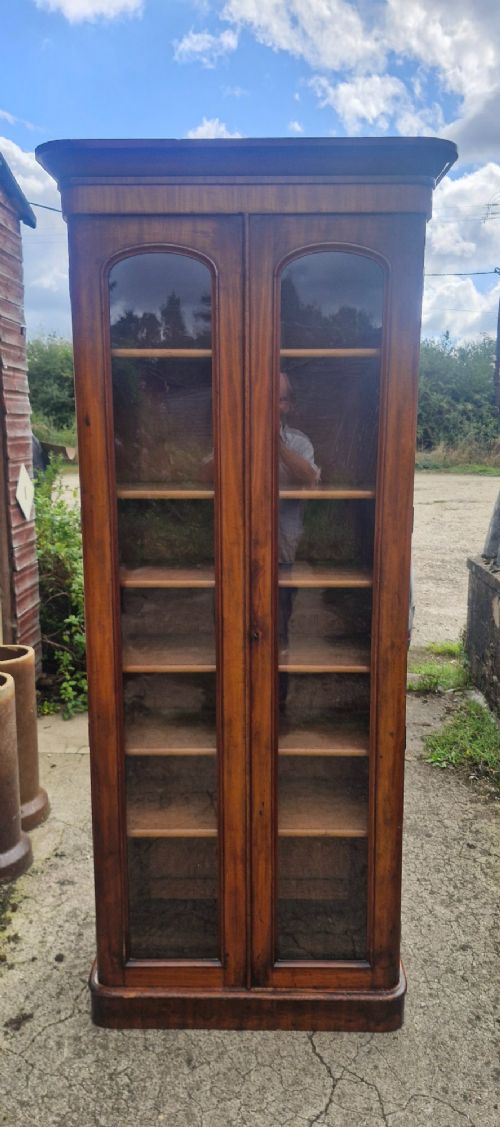
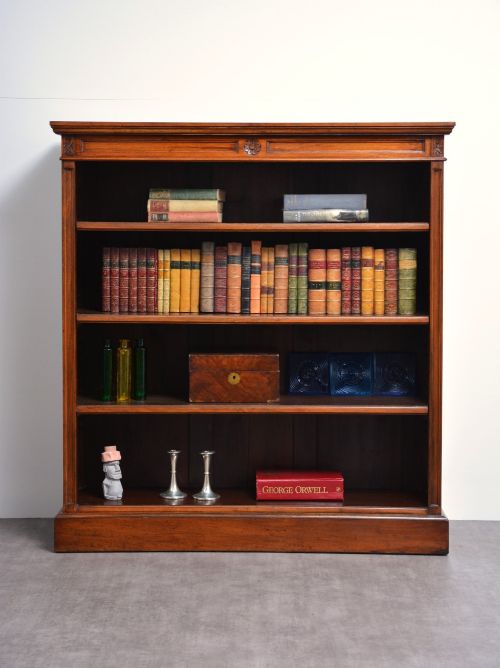
A brown wood display bookcase combines storage and visibility, housing volumes alongside treasured objects behind glass or upon open tiers. When seeking a brown wood display bookcase on this page, a buyer encounters pieces originating from the Georgian, Victorian, Edwardian, and Art Deco periods, alongside later twentieth-century interpretations.
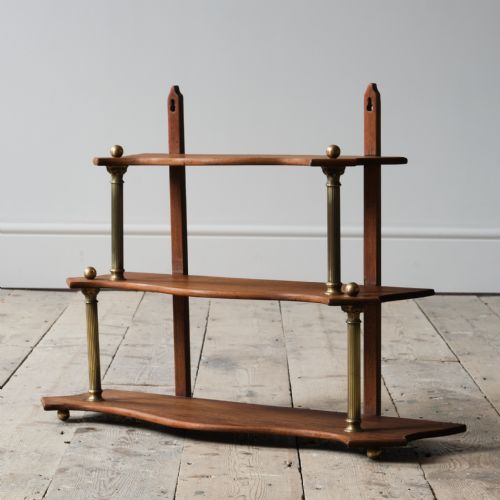
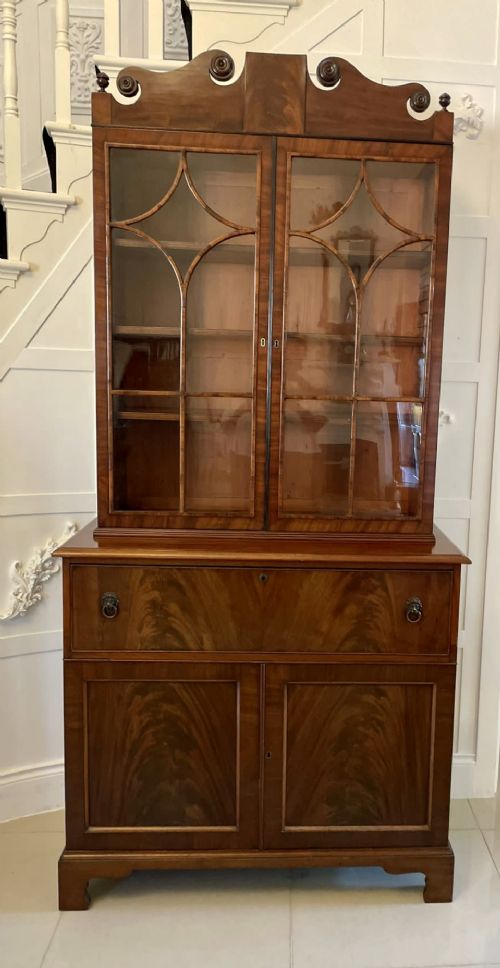
The assortment spans varied forms, from expansive breakfront libraries and secretaire bookcases to compact wall hanging shelves, corner cupboards, and multi-tiered whatnots. Mahogany forms the backbone of these selections, accompanied by walnut, oak, kingwood, rosewood, ash, yew wood, teak, and pine.
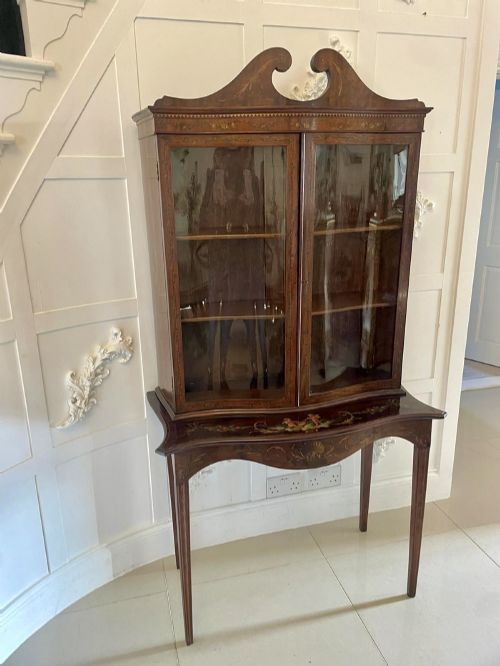
Makers and designers worked within distinct stylistic vocabularies, producing George III proportions, Sheraton Revival satinwood inlays, Arts and Crafts simplicity, and geometric Art Deco lines. Some iterations feature glazed doors with adjustable internal shelving, while others present entirely open fronts for ready access.
Materials and construction methods
Cabinet makers utilised dense hardwoods like mahogany, walnut, and oak as the structural foundation, often applying finer veneers to primary display surfaces. Satinwood stringing, brass mounts, and ormolu details were integrated to accentuate the timber grain and frame the glazed sections.
Joinery techniques prioritised stability for heavy volumes and glassware, incorporating dovetailed shelving supports, panelled doors, and precise wood-turning such as barley twist columns. Glazing was secured within timber frames, while painted decoration or carved oak motifs added surface texture where required.
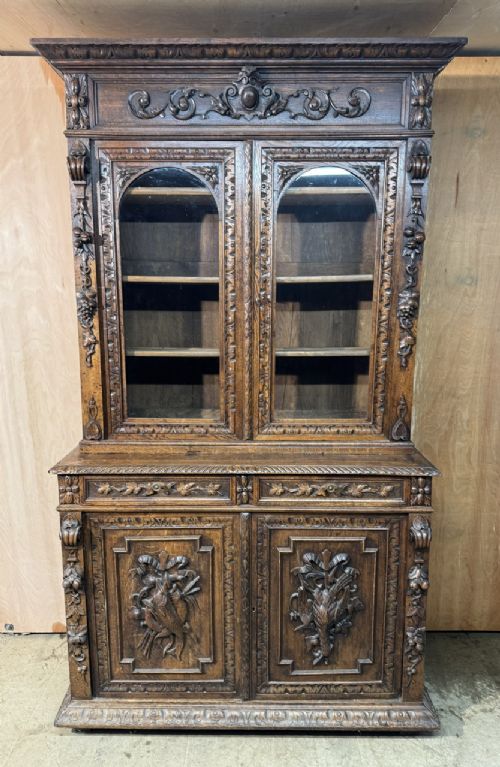
Among the timber and glass rests a French carved oak hunting cabinet, standing ready for forestry tall tales.
Assessing craftsmanship and execution
The distinction between standard utility storage and finer pieces rests in timber selection and the precision of decorative inlay work. Superior examples exhibit continuous grain matching across large cabinet doors and restrained, well-proportioned carvings rather than heavy-handed embellishment.
Functionality dictates upper tiers of quality, seen in smoothly operating adjustable shelving systems, intact original glass panels, and well-fitted brass hardware. The integration of secondary woods and the neatness of internal carcass construction reveal the standard to which the cabinet maker worked.
Collinson & Lock
The Brown Wood Display Bookcase Glossary
- Breakfront
- A piece of furniture whose central section projects forward from the flanking wings. This architectural layout creates depth and visual rhythm in larger library cabinets.
- Vitrine
- A glass-fronted cabinet designed specifically for the display of porcelain, curiosities, or fine objects. These enclosures protect delicate items from dust while offering all-round visibility.
- Secretaire
- A cabinet incorporating a pull-down writing drawer fitted with internal compartments and small drawers. It combines a writing desk with traditional bookshelf storage.
- Ormolu
- Gilded bronze mounts applied as decorative highlights on fine cabinet work. This technique is frequently seen on French-influenced vitrines and display pieces.
Brown Wood Display Bookcase: Frequently Asked Questions
How do I adjust wooden shelves?
Most traditional library pieces use a system of wooden ratchets, brass pegs, or vertical slots cut into the interior carcass sides.
Lifting the shelf slightly allows the supporting brackets to be repositioned at different heights to accommodate varying book sizes.
Are these bookcases suitable for modern homes?
These timber cabinets provide practical vertical storage that suits contemporary living spaces, combining enclosed display with open shelving.
Their varied footprints range from compact wall-hanging shelves and corner cupboards to substantial triple library units.
How do I distinguish Victorian from Edwardian styles?
Victorian pieces tend to use heavier proportions, darker finishes, and dense carving, often featuring robust mahogany or walnut timbers.
Edwardian cabinets frequently display lighter satinwood inlays, Sheraton Revival influences, and a brighter overall tone derived from the turn of the century.