

Brown Wood Carved Lamp
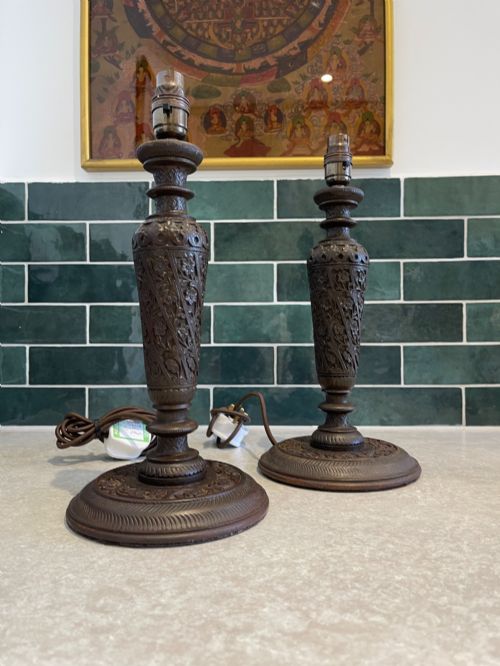
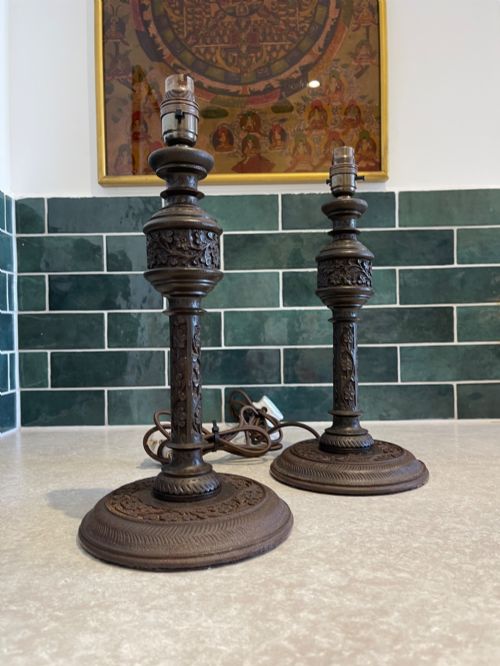
These brown wood carved lamp choices span the Victorian and Edwardian periods, offering solid timber construction and intricate manual ornamentation for practical interior illumination.
Brown Wood Carved Lamp
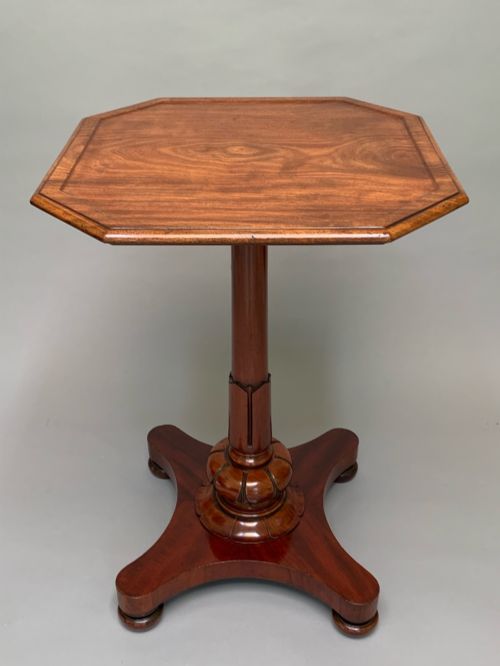
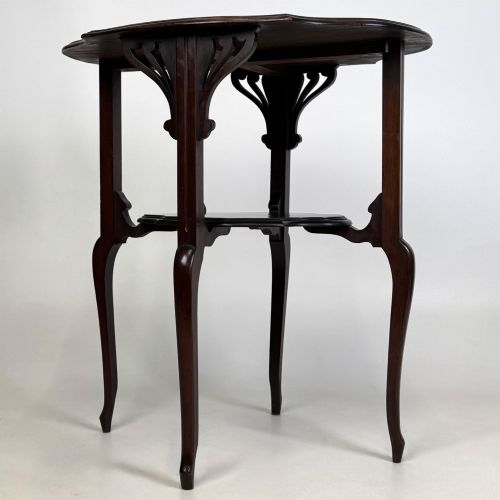
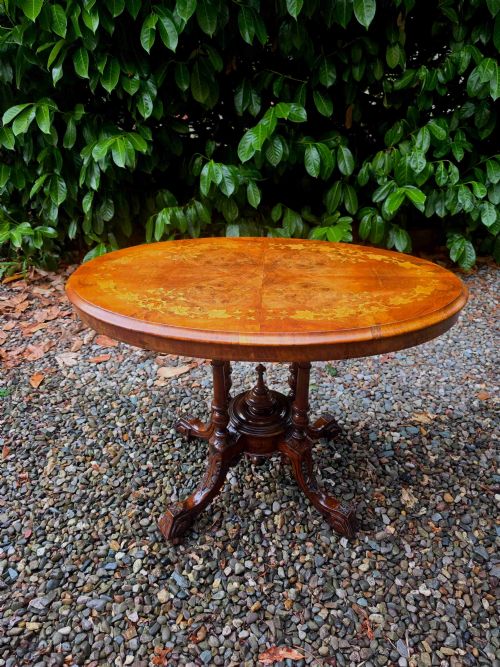
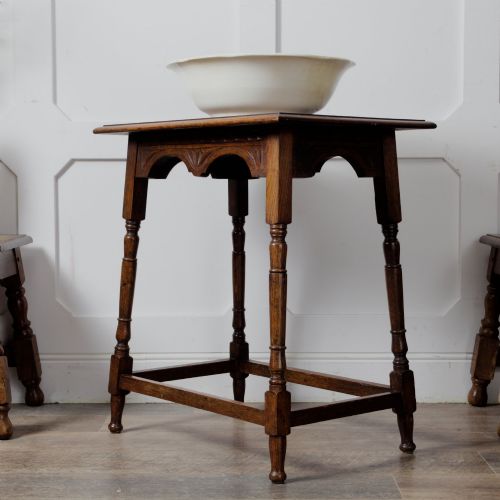
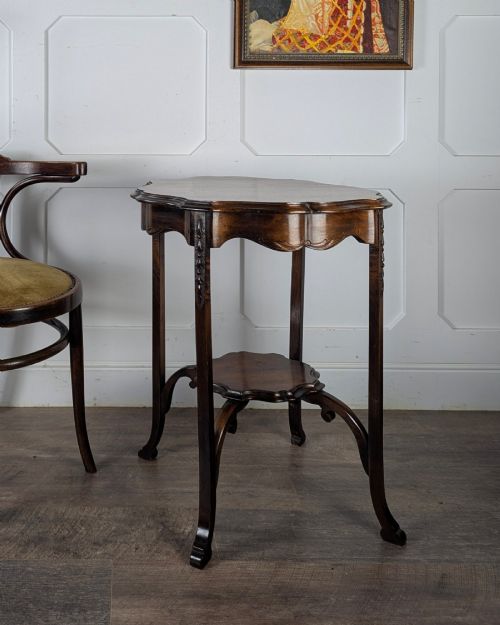
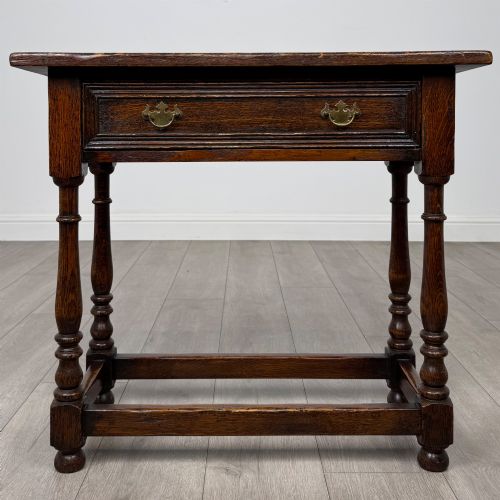
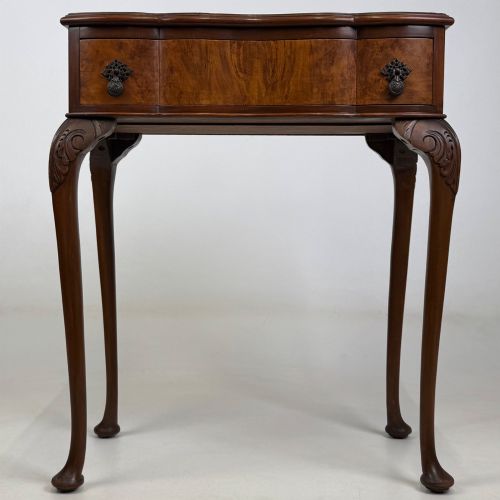
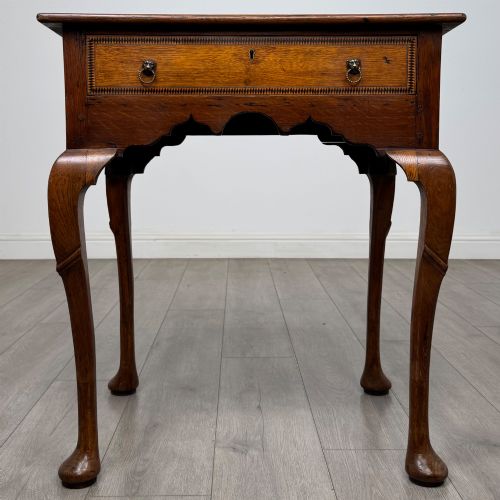
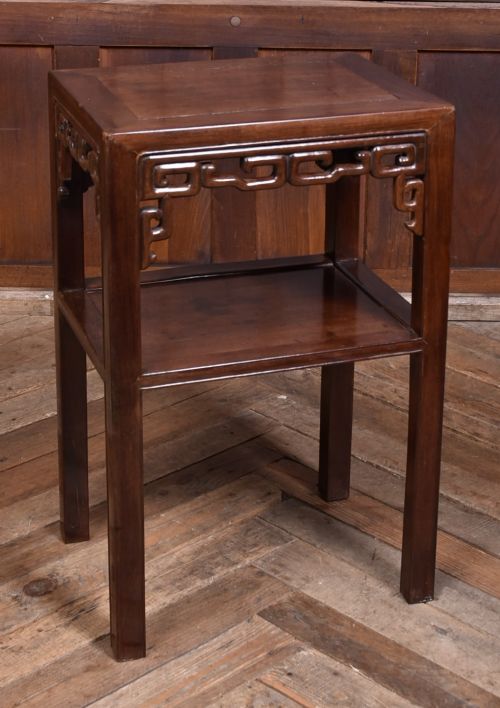
When you search for a brown wood carved lamp, you encounter items shaped from walnut, mahogany, oak, and burr walnut across the nineteenth and early twentieth centuries. The selection includes occasional tables, floor standards, and specific lamp tables designed to hold lighting fixtures within domestic spaces.
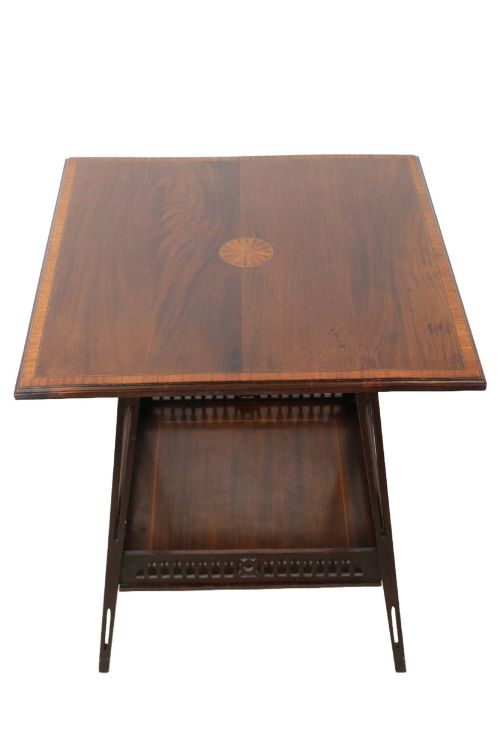
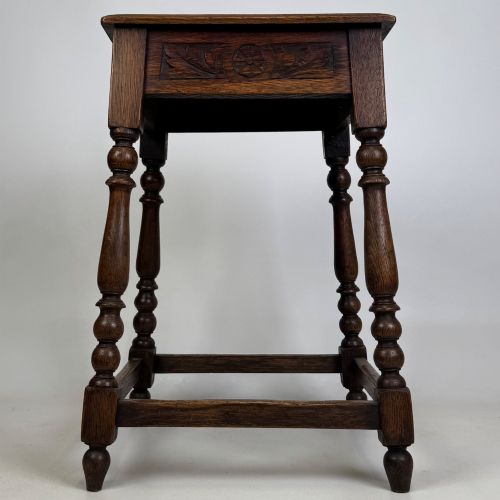
The version you are most likely to meet on this page is an Edwardian or Victorian side table made of mahogany or walnut, featuring carved details that serve as a base or companion piece for illumination. These pieces originate from periods such as the Edwardian era, Victorian reign, and the nineteen-twenties, incorporating styles from Jacobean Revival to Arts and Crafts.
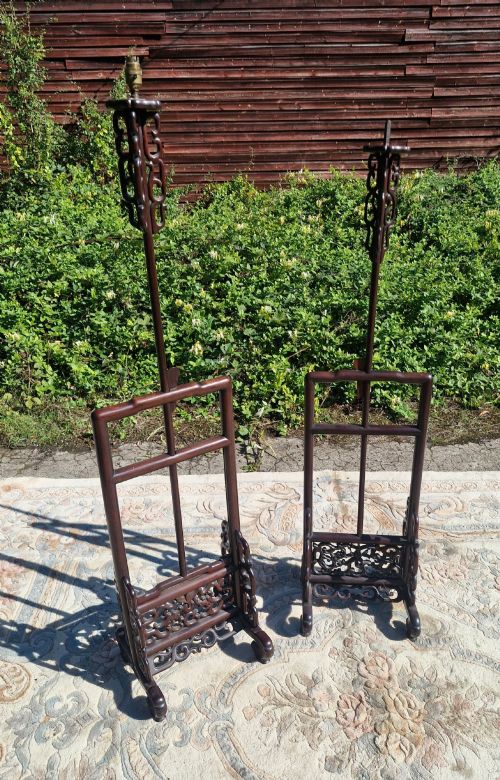
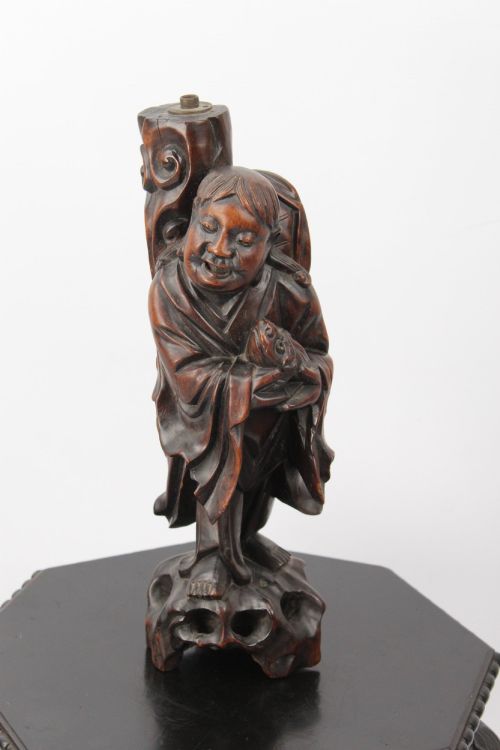
Beyond standard tables, the selection includes adjustable lamp standards, root wood table lamps, and figural lamp designs from various workshops and global traditions. Each object reflects the domestic habits of its period, prioritising sturdy timber frames to support heavy lamps and ornaments.
How they were made
Cabinet makers utilised dense hardwoods such as mahogany, walnut, and oak, selecting burr varieties for decorative grain patterns on table tops and panels. Timber was seasoned, cut, and joined using traditional techniques before artisans applied hand-carved ornamentation directly to the solid wood surfaces.
Carving required specialist chisels and gouges to create motifs ranging from simple floral borders to elaborate figural scenes and grapevine sculptures. Brass fittings, glass components, and occasional inlaid stringing provided functional articulation and contrast against the dark brown tones of the primary woods.
Listings feature items built from walnut, mahogany, oak, and burr walnut across the nineteenth and early twentieth centuries.
What varies in quality
The distinction between tiers rests upon the selection of timber and the depth of the carving. Superior examples employ figured burr walnut or dense mahogany with crisp, undercut manual carving that retains sharp definition along the edges and relief work.
Construction methods also set pieces apart, demonstrated by tight joinery in the frames, well-fitted drawers, and stable bases designed to support heavy lighting equipment without wobble. Lesser items display simpler machine finishing, plain timber boards, and shallower surface incisions that lack individual character.
Trevor Page & Co·Liberty of London
The Brown Wood Carved Lamp Glossary
- Burr walnut
- A wood derived from the wart-like growth on a walnut tree, yielding complex, swirling grain patterns highly prized for table tops.
- Lamp standard
- A tall vertical wooden post or column designed to support an electric or oil lighting fixture at standard height.
- Occasional table
- A small, movable table intended for specific, intermittent use in a room, frequently deployed to hold a lamp or book.
- Tripod table
- A small circular table supported by three individual legs branching from a central wooden column.
- Inlay
- A decorative technique where contrasting strips of wood or other materials are inserted into recessed cavities on the surface.
- Root wood
- Timber sourced from the underground root system of a tree, displaying gnarled, organic shapes utilised for sculptural bases.
Brown Wood Carved Lamp: Frequently Asked Questions
What periods do these lamps and tables represent?
The pieces span the nineteenth and early twentieth centuries, drawing heavily from Victorian and Edwardian manufacturing traditions.
You will also find items reflecting nineteenth-century craftsmanship from diverse regional workshops and international design movements.
How were these wooden lamp pieces used originally?
They served primarily as sturdy platforms for oil lamps or early electric lighting fixtures within Victorian and Edwardian reception rooms.
Their surfaces provided convenient placement for illumination beside seating areas while adding carved decorative presence to the interior.
Which types of wood appear most frequently here?
Mahogany, walnut, and oak dominate the construction of these items, selected for their structural strength and dark natural tones.
Craftsmen also utilised burr walnut and figured grain variations to create decorative visual contrast on prominent table tops.
How do I distinguish Edwardian pieces from Victorian ones?
Victorian items often display heavier proportions, darker finishes, and dense, ornate carving associated with nineteenth-century revival styles.
Edwardian examples tend towards slightly lighter timber tones, refined inlay work, and more restrained decorative carving inherited from the turn of the century.