




Asian Carved Wood Lamp
An asian carved wood lamp brings together dense timber, intricate hand-chrysalis forms and rich cultural history to illuminate any room.
Asian Carved Wood Lamp
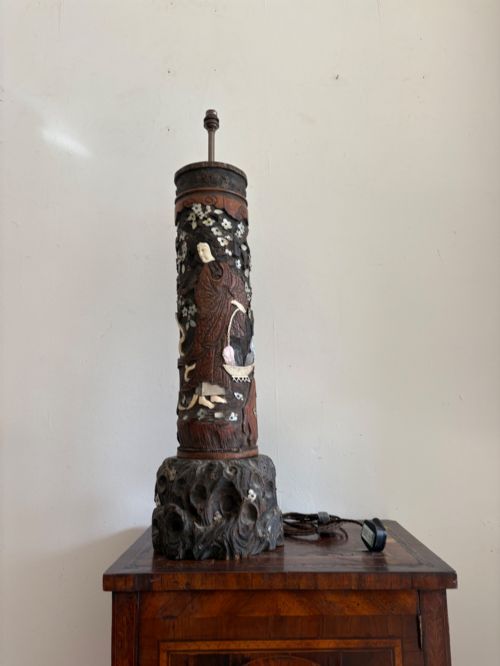
An asian carved wood lamp brings sculptural presence to interior spaces, utilising dense timbers shaped into functional lighting. The forms range from towering standard lamps to compact table pieces.
Most examples originate from Chinese and Japanese workshops, with the Chinese Qing Dynasty and Japanese Meiji period heavily represented. Root wood and hardwood form the primary backbone of these lighting pieces.
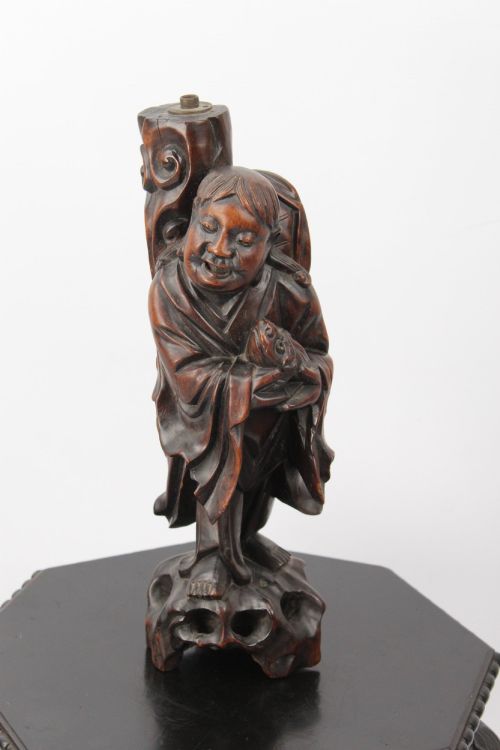
Makers utilised organic root structures and structured hardwoods to create bases that double as figural sculptures and lantern stands. These items bridge decorative arts and practical home illumination.
Construction and Materials
Artisans selected dense exotic timbers such as padauk, rosewood, elm and root wood for their weight and stability. These woods allowed for deep relief carving without compromising the structural integrity of the base.
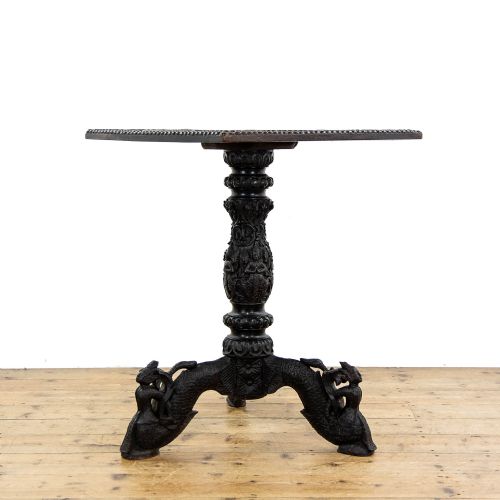
Intricate hand-carving techniques defined the surface decoration, bringing forth dragons, figural immortals and floral motifs from the raw timber. Brass fittings and fabric elements frequently completed the functional conversion into modern lighting.
Several root wood lamps cleverly transform ancient, twisted tree stumps into mythical dragons.
Quality and Craftsmanship
The depth and clarity of the hand-carved relief dictate the artistic merit of the piece. Superior examples display crisp definition in dragon scales, facial expressions and natural root grain.
The integrity of the timber and the complexity of the original form separate standard utility items from masterwork sculptures. Pieces retaining their natural root contours with minimal structural intervention command greater visual balance.
The Asian Carved Wood Lamp Glossary
- Root wood
- Timber sourced from the underground root ball of a tree, prized for its gnarled, twisting natural contours. Artisans shaped these organic forms into figural lamps and stands.
- Padauk
- A heavy, durable tropical hardwood noted for its dense grain and rich reddish-brown colouration. It provided a stable foundation for carved standard lamps.
- Meiji Period
- A Japanese historical era spanning from 1868 to 1912, marked by opening trade and intricate decorative arts. Pieces from this time often feature meticulous hand carving.
- Qing Dynasty
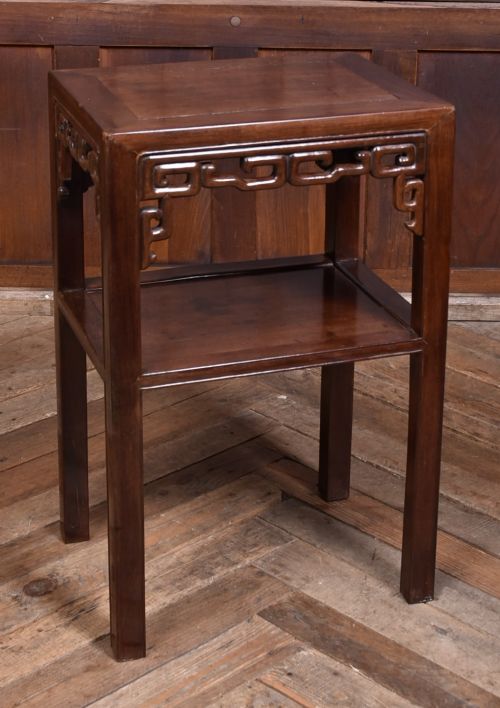
- The final imperial dynasty of China, lasting until 1912, known for elaborate hardwood furniture and decorative carving. Hardwood stands and tables from this era frequently convert into lamps.
- Torchiere
- A tall floor lamp directing light upwards towards the ceiling. Wooden variations incorporate carved dragon motifs and heavy pedestals.
Asian Carved Wood Lamp: Frequently Asked Questions
How do I date a carved wooden lamp?
Dating relies on timber selection, carving depth, and historical stylistic markers associated with periods like the Qing Dynasty or Meiji era. Examining the tooling marks provides further clues to the age of the woodwork.
Electrical components are usually modern replacements, so the assessment must focus entirely on the carved wooden base rather than the wiring.
What wood types were commonly used?
Craftsmen utilised dense hardwoods including rosewood and padauk alongside irregular root wood. These materials provided the necessary weight to support tall lamp structures.
Regional preferences in China and Japan dictated the choice of timber, ensuring durability and a polished finish.
How should I clean a carved lamp?
Dusting with a dry, soft bristle brush prevents buildup within the deep recesses of the wood carving. Avoid liquid polishes that can seep into unsealed grain.
Maintaining a stable indoor humidity prevents the hardwood from splitting over time.
Are these lamps stable on carpets?
Standard floor lamps and heavy root wood pieces possess substantial weight bases designed to prevent tipping. Placing them on flat surfaces ensures maximum stability.
Heavier hardwood bases offer a secure foundation despite their towering height.