


Brown Wood Desk Lamp
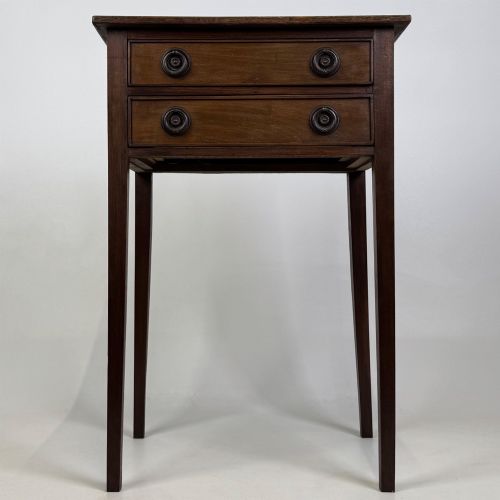
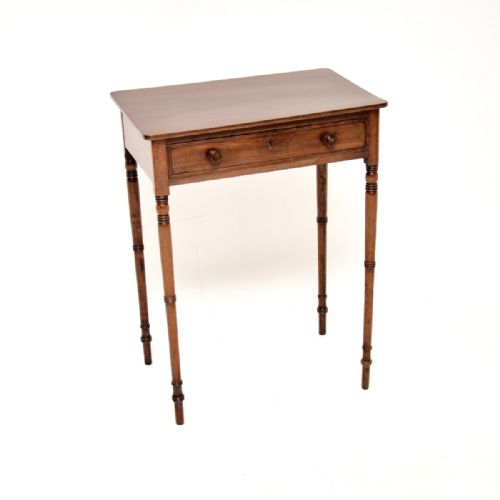
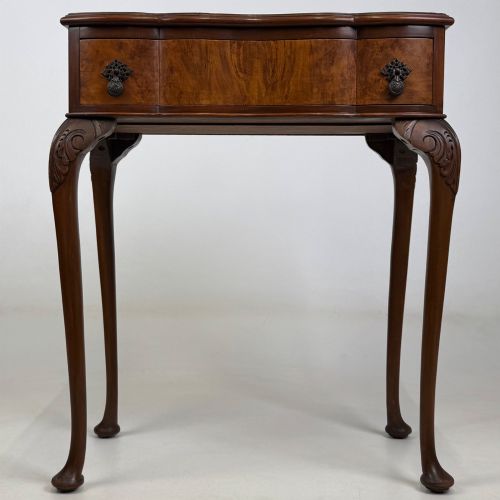
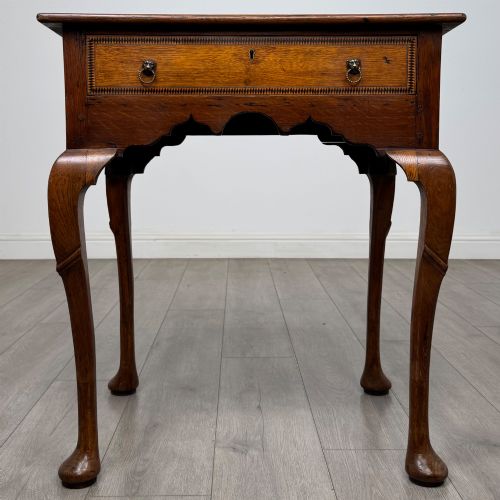
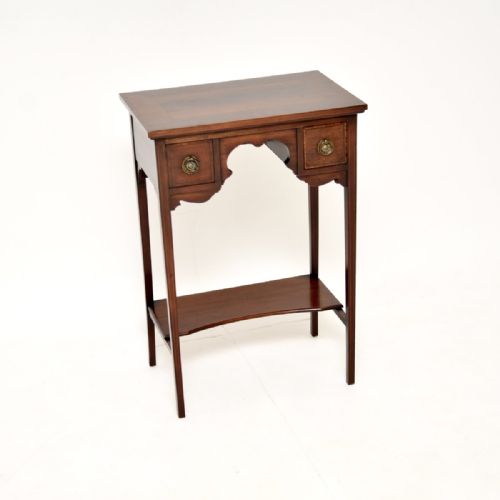
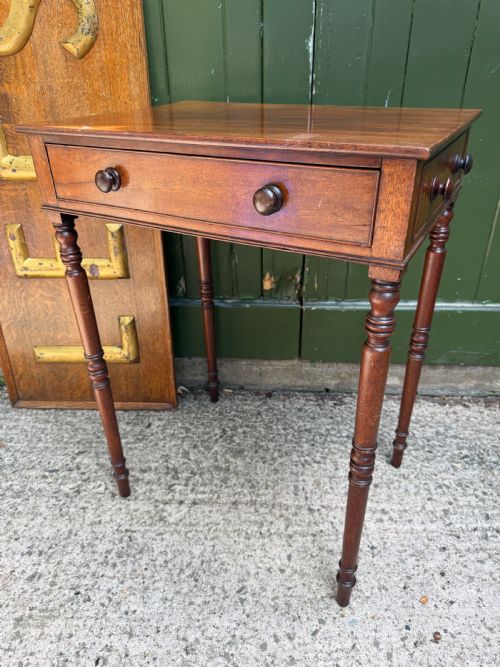
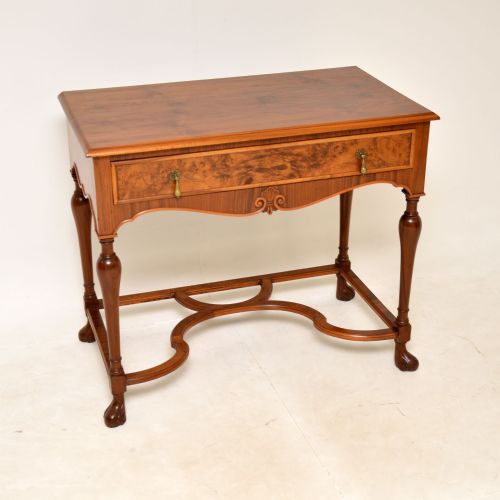
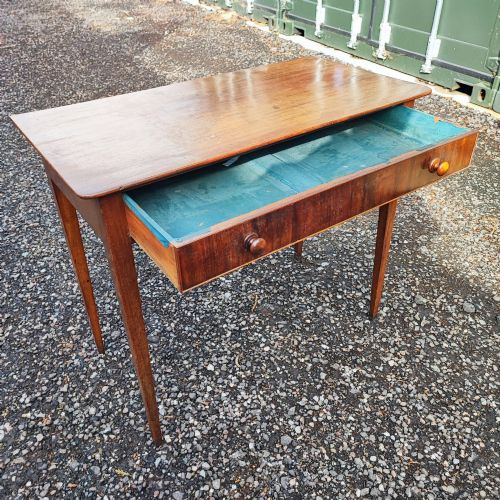
These brown wood desk lamp options bring together small timber tables and carved wood lighting pieces spanning the Georgian, Victorian and Edwardian eras.
Brown Wood Desk Lamp
Buyers seeking a brown wood desk lamp will encounter a fascinating mix of small side tables, occasional pieces, and carved root or timber table lamps spanning the eighteenth, nineteenth, and early twentieth centuries. These pieces originate from diverse periods including the Georgian, Victorian, and Edwardian eras, reflecting traditional British, French, and Asian craftsmanship.
The assortment bridges the gap between auxiliary furniture and antique illumination, where tables often doubled as lamp surfaces or were later adapted for lighting. Buyers find everything from simple fruitwood and elm tables to intricately carved Chinese root wood lamps and elaborate walnut occasional pieces.
Materials and construction methods
Cabinet makers utilised dense hardwoods such as mahogany, walnut, oak, and burr walnut, often selecting figured veneers and fruitwood to create visually striking surfaces. Joinery techniques varied from traditional pegged framing in eighteenth-century oak pieces to finely inlaid marquetry and polished finishes on Victorian and Edwardian examples.
Carved root wood pieces relied on the natural, irregular contours of timber, particularly in Chinese and Japanese imported lamps, requiring skilled hand-carving to shape organic forms into functional objects. Turned legs, stretchers, and barley twist supports provided structural stability while adding decorative depth to tables and lamp stands alike.
The listings feature woods such as mahogany, walnut, oak, burr walnut, chestnut, fruitwood, and elm across multiple historic periods.
What separates the grades of quality
Superior quality in these timber pieces rests upon the selection of the wood itself, distinguishing finely figured mahogany, burr walnut, and choice oak from plain utility timbers. The crispness of hand-carving, particularly on root wood lamps and George III mouldings, marks the difference between standard production and master craftsmanship.
Proportion and form govern the upper tier of the range, where freestanding designs, elegant serpentine shapes, and sophisticated brass or inlaid details demonstrate refined design. Pieces bearing maker labels or exhibiting scarce architectural forms command greater interest through documented provenance and careful historical construction.
McKeon s of Liverpool·Holland & Sons
The Brown Wood Desk Lamp Glossary
- Pembroke table
- A small occasional table with hinged drop flaps on either side, designed during the eighteenth century for versatility in domestic rooms.
- Barley twist
- A decorative turning technique resembling a twisted rope, commonly found on the legs and supports of seventeenth and nineteenth-century tables.
- Burr walnut
- A specialised timber cut from walnut tree growths, prized by cabinet makers for its swirling, highly figured grain patterns.
- Marquetry
- The art of applying decorative veneer pieces in various woods to form geometric or pictorial designs on furniture surfaces.
- Console table
- A table designed to be fixed against a wall, frequently supported by ornamental brackets or legs.
Brown Wood Desk Lamp: Frequently Asked Questions
What periods do these timber lamps and tables represent?
The pieces span multiple centuries, encompassing Georgian, Regency, Victorian, and Edwardian eras alongside specific nineteenth-century styles.
Craftsmanship reflects the prevailing aesthetic of each period, from eighteenth-century oak joinery to ornate late Victorian burr walnut marquetry.
What woods should I expect to find?
Construction primarily relies on traditional hardwoods including mahogany, walnut, oak, burr walnut, chestnut, fruitwood, and elm.
Inland veneers and exotic root timbers also appear, particularly in Chinese and Japanese carved lamp bases and French tables.
How can I identify an Edwardian piece?
Edwardian items date from the early twentieth century and frequently feature inlaid mahogany, lighter proportions, and refined occasional table designs.
They often combine traditional Georgian revival styling with the practical domestic requirements of the Edwardian household.