
Antique Wood Desk Lamp
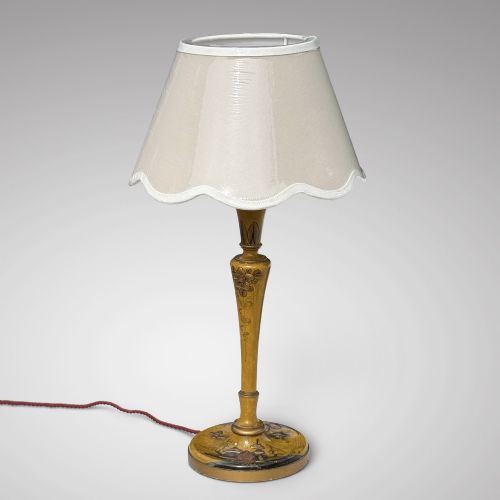
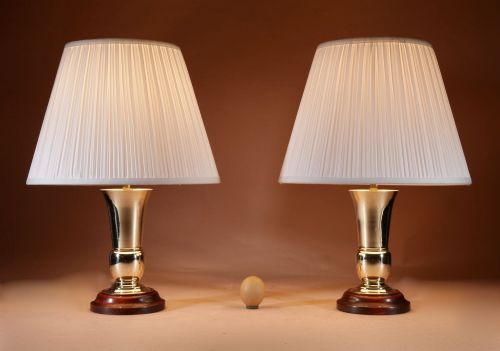
These antique wood desk lamp options bring character to a workspace through period timber bases and converted lighting forms.
Antique Wood Desk Lamp
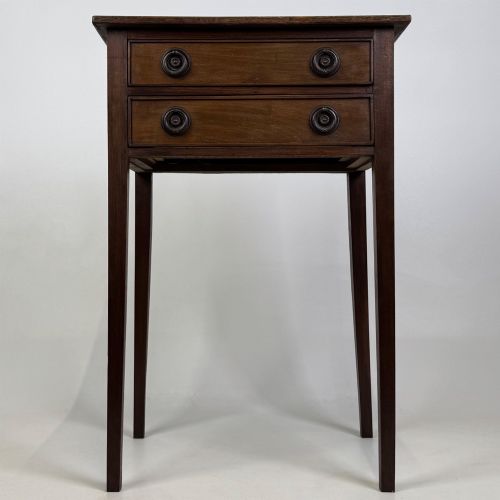
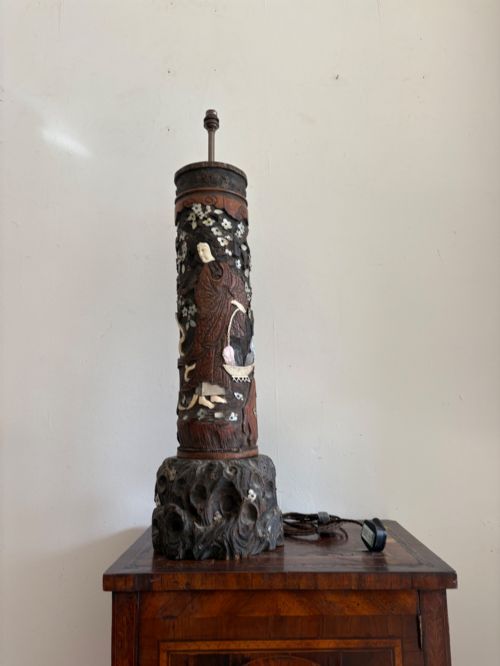
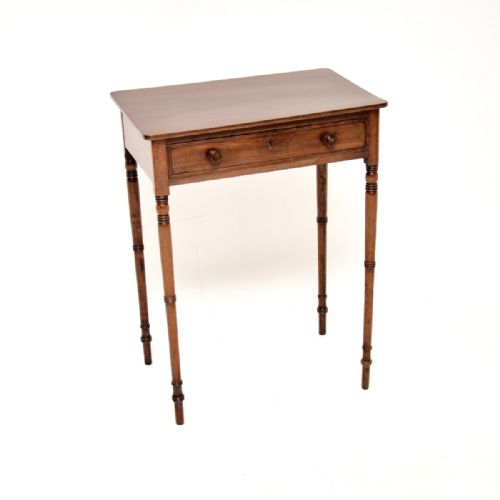
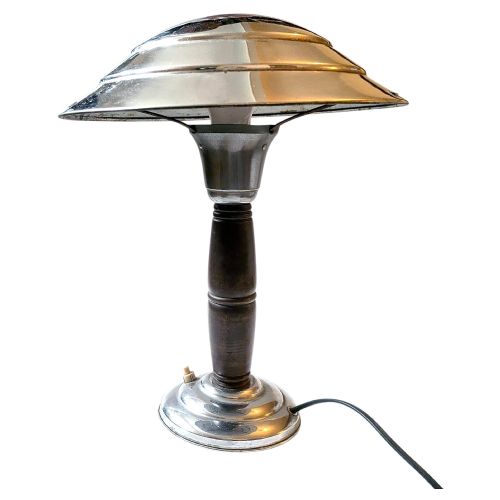
An antique wood desk lamp sits among practical table lighting and converted timber bases found across the nineteenth and twentieth centuries. Buyers searching for an antique wood desk lamp encounter items fashioned from oak, walnut, mahogany, and carved root wood alongside occasional table conversions.
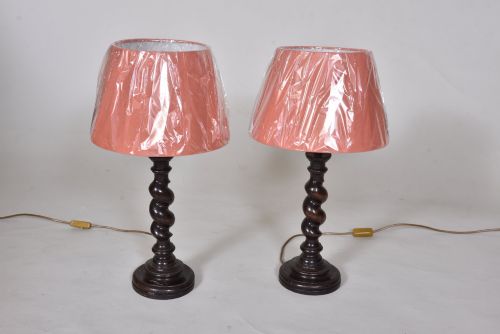
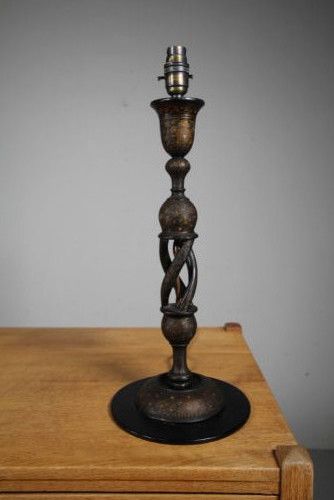
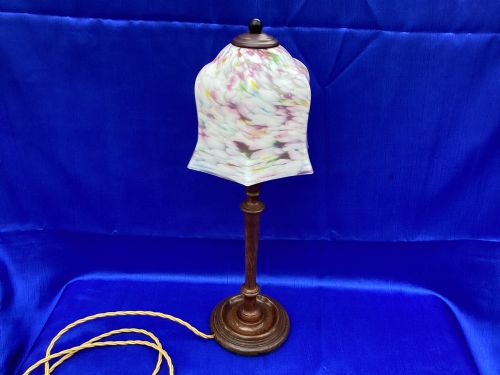
The selection ranges from Edwardian mahogany designs to earlier oak and walnut forms, reflecting period craftsmanship in domestic spaces. Many pieces adapt traditional woodwork, including twist columns and carved lamp bases, into functional desk illumination.
Makers and artisans across different eras utilised local timbers, applying lacquer, gilt, or natural polish to finish the wood. These items offer a tactile presence that modern lighting lacks, bridging centuries of interior design.
How they were made
Craftsmen shaped these pieces using solid hardwoods like oak, mahogany, walnut, and ash, often turning timber on a lathe to create barley twist or column standards. Joinery techniques varied from simple pegging in earlier oak pieces to fine inlay work on Edwardian mahogany frames.
Surface treatments included French polishing, lacquer, and gilt highlights that emphasised the grain of the wood. Metal components in brass and fabric shades frequently complemented the timber bodies during assembly.
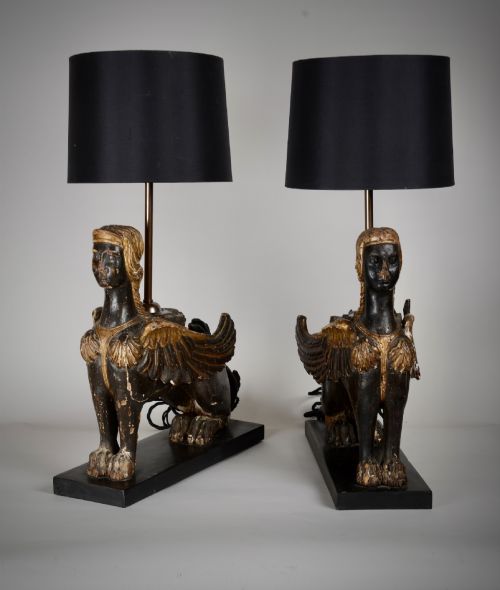
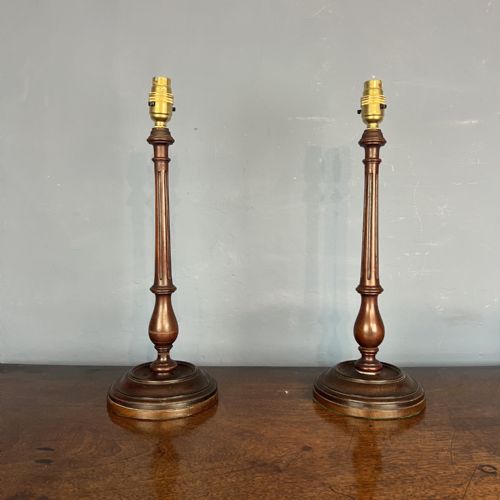
Several items started life as eighteenth-century sphinxes or altar candlesticks before joining the working desk.
What varies in quality
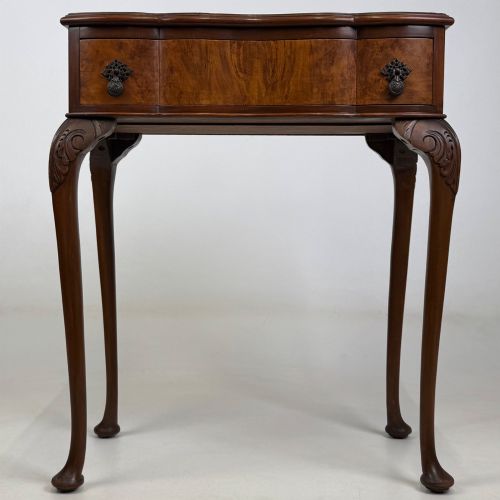
Quality rests in the selection of the timber and the crispness of any carved detail, distinguishing a plain turned post from an intricately figured walnut or carved root wood body. Original patination and untouched surfaces hold greater appeal than over-restored timber.
Proportion and structural integrity define the better examples, ensuring that converted lamp bases or occasional tables retain their original balance and character without clumsy alterations.
The Antique Wood Desk Lamp Glossary
- Patina
- The surface sheen and texture developed by wood over years of handling and exposure. It indicates age and careful maintenance.
- Barley twist
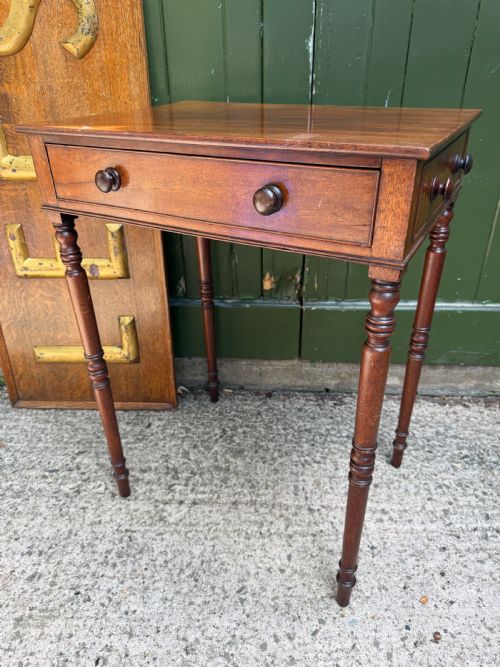
- A spiral turning carved into furniture legs and lamp columns. This decorative technique appears frequently in seventeenth and eighteenth-century British and continental pieces.
- Inlay
- The insertion of contrasting woods or materials into a solid timber surface to create patterns. Edwardian pieces often display this fine decorative work.
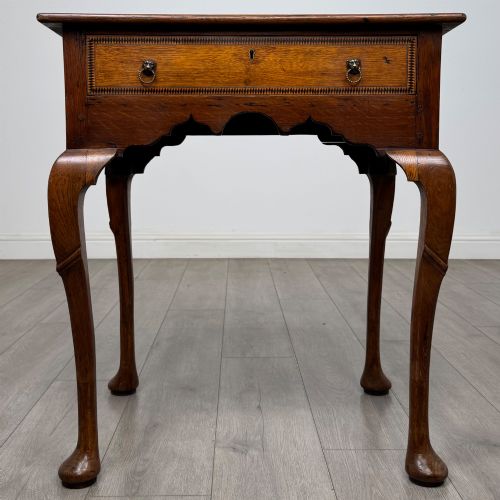
- Lowboy
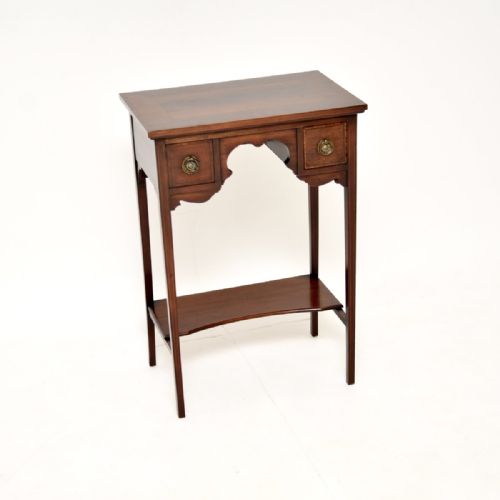
- A small, low table with drawers, commonly used as a writing or dressing table in the Georgian period. Many retain proportions suited for conversion or compact desk use.
- Figured walnut
- Timber cut from specific parts of the walnut tree to reveal complex, swirling grain patterns. It signals high-status furniture production.
Antique Wood Desk Lamp: Frequently Asked Questions
How do I date an antique wood lamp?
Dating relies on examining the timber species, turning styles, and fixings used in the construction. Pieces from the Georgian and Victorian eras display distinct hand-tool marks and joinery methods.
Comparing the base form to dated furniture and known regional styles helps narrow the decade of manufacture. Rewiring is common and does not affect the age of the wooden body.
Are these lamps converted from other items?
Many lighting options originate as candlesticks, altar sticks, or small occasional tables adapted for electrical wiring. Such conversions have a long history in interior decoration.
Inspecting the base reveals the adaptation points where lamp fittings join the original timber or metal structure.
What woods were commonly used?
Mahogany, oak, and walnut dominate the selection, alongside regional timbers like ash, elm, and exotic imports such as lignum vitae. Each wood brings a distinct weight and grain pattern to the design.
Finishes range from natural wax to dark lacquer and gilt accents.
How should I care for antique wood?
Maintain the timber by keeping it away from direct heat sources and strong sunlight that can dry out the polish. Gentle dusting with a dry cloth preserves the original surface.
Occasional application of suitable beeswax feeds the wood without building up heavy residues.