

Brown Walnut Wall Mirror
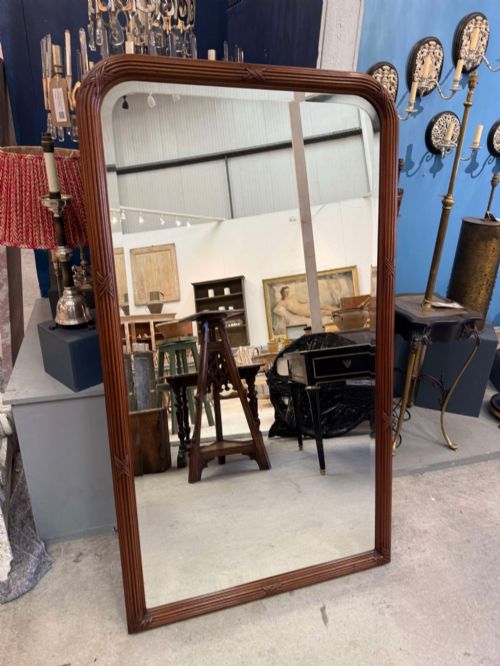
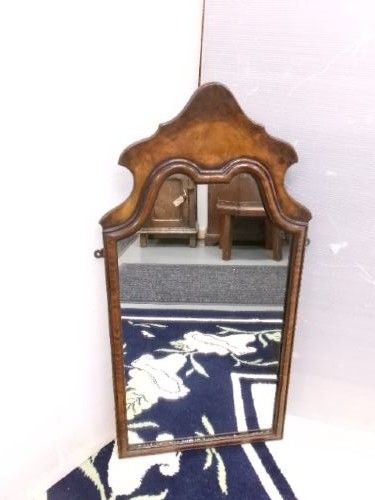
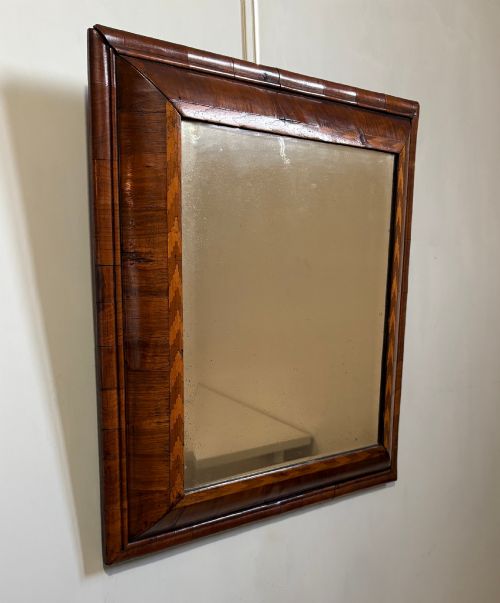
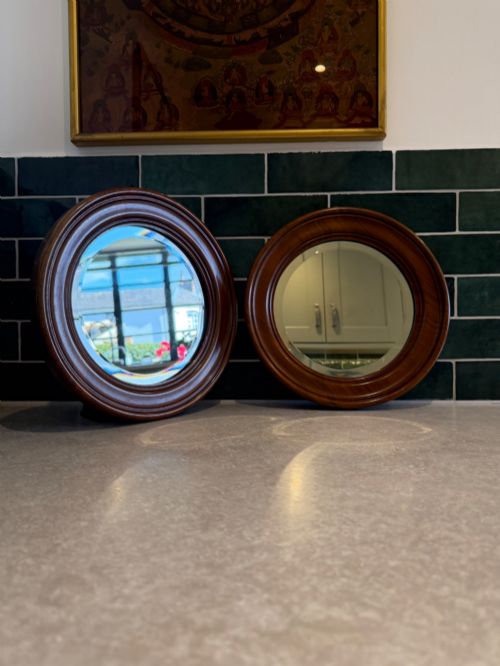
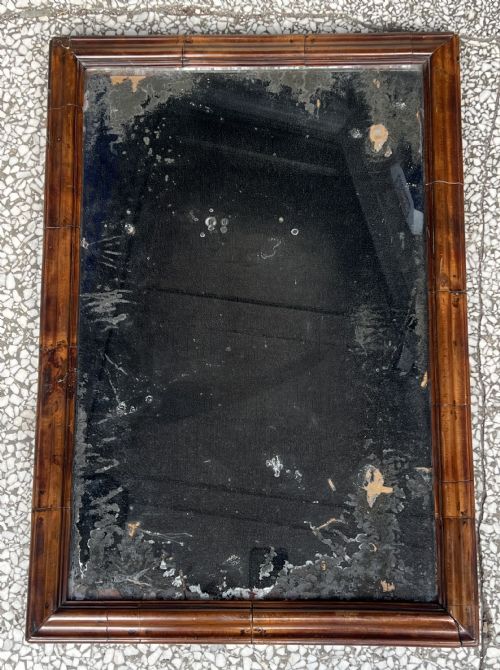
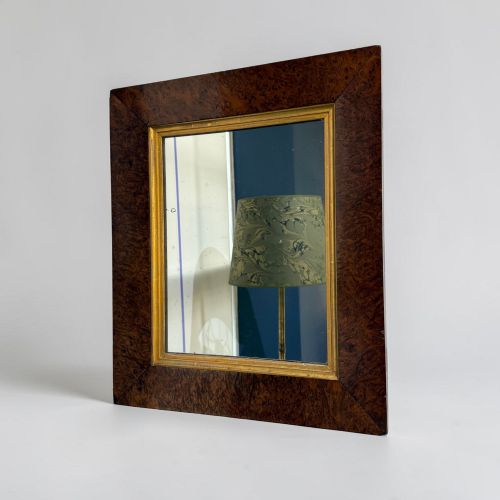
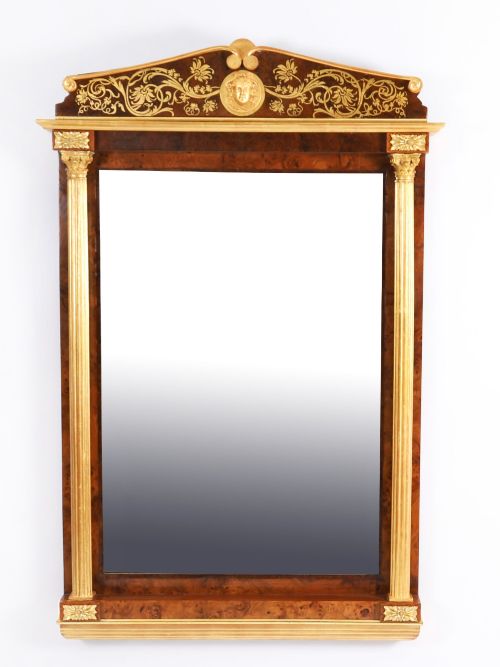
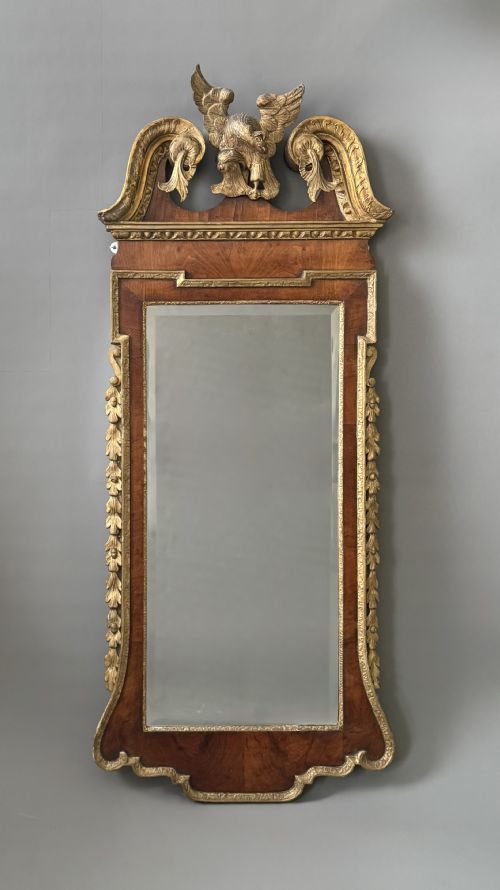
A brown walnut wall mirror brings warmth and depth to a room through rich timber grain and classic proportions.
Brown Walnut Wall Mirror
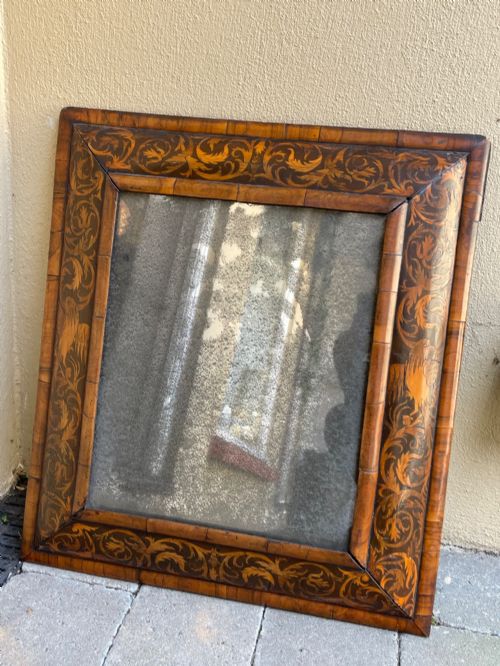
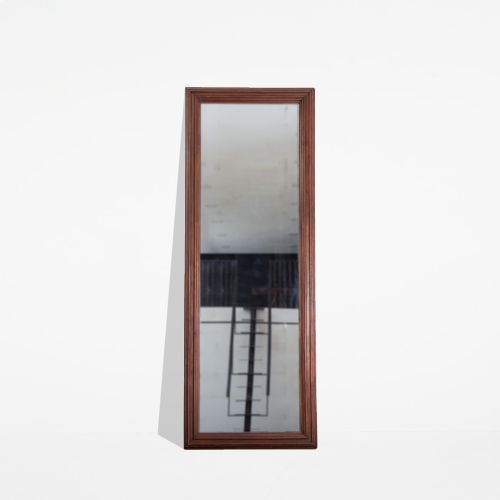
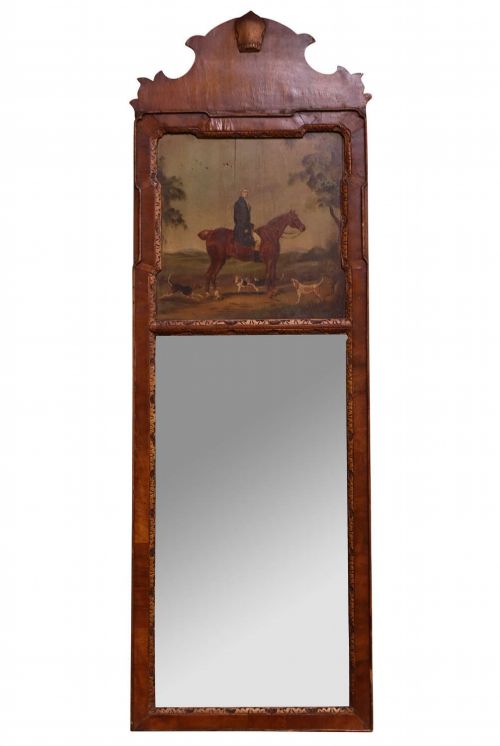
A brown walnut wall mirror spans centuries of design, ranging from early William and Mary cushion frames to later Georgian fretwork and Edwardian hanging varieties. These items serve both practical reflection and decorative presence in hallways, living rooms and reception spaces.
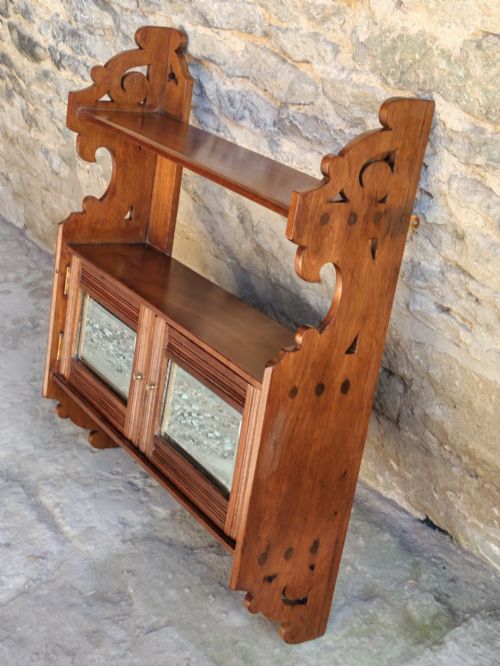
Many examples incorporate specialised formats such as pier mirrors, overmantels, and multi-functional hall stands with integrated shelves or cabinets. Each variant offers a distinct scale and decorative emphasis suited to period or traditional interiors.
What varies in quality
The depth and vibrancy of the walnut timber grain largely determine the visual impact of the piece, with burr veneers commanding particular attention for their intricate figuring. Crispness in hand-carved fretwork and the preservation of original parcel gilding also distinguish finer examples from standard production.
Brown Walnut Wall Mirror Retail Price Guide 2026
Typical asking prices for brown walnut wall mirror among the pieces listed under this phrase on Sellingantiques today, from the lower quarter to the upper quarter. They describe what is for sale here now, not the wider market.
One exceptional Edwardian hall mirror thoughtfully doubles as a shaving station, bathroom cabinet, and key rack for busy household residents.
The Brown Walnut Wall Mirror Glossary
- Burr walnut
- A figured timber obtained from tree growths, highly prized for its swirling grain patterns. It provides a highly decorative surface on period mirror frames.
- Parcel gilt
- Partially gilded with gold leaf or paint to highlight specific carved details. This technique frequently contrasts with dark walnut timber.
- Fretwork
- Ornamental design created by cutting patterns through thin wood using a scroll saw or piercing tools. Georgian mirrors often showcase elaborate fretwork frames.
- Pier mirror
- A tall narrow glass designed to hang on the wall between windows, frequently placed above a matching pier table. These pieces maximise light reflection in period rooms.
- Cushion mirror
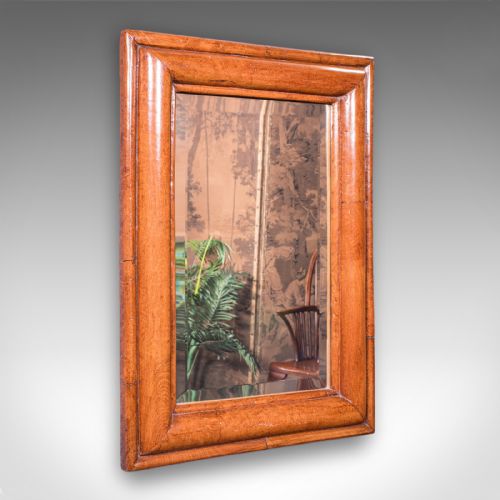
- A frame with a rounded, profile swell resembling a cushion, typical of the late 17th century. This style emphasises rich veneers and heavy moulding.
Brown Walnut Wall Mirror: Frequently Asked Questions
How do I identify a Georgian walnut mirror?
Georgian walnut mirrors typically feature figured veneers, scroll-cut crestings, and precise fretwork details characteristic of 18th-century cabinet making. Many incorporate gilded accents and original bevelled glass plates.
Examining the backboards and construction methods helps confirm the age and origin of these period pieces.
Where should I hang an overmantel mirror?
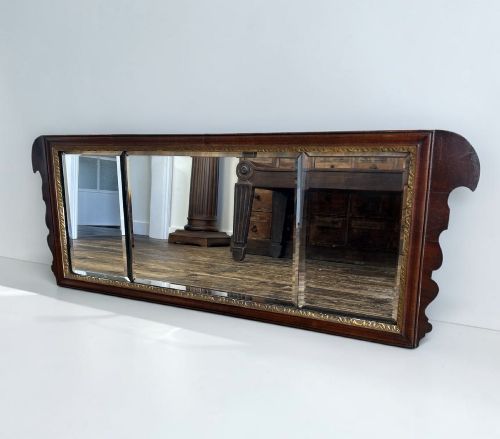
Overmantel mirrors are traditionally positioned directly above a fireplace mantelpiece to anchor the room's focal point. Their generous horizontal proportions reflect light and enhance the sense of space.
Ensure the wall fixings are securely anchored to support the substantial weight of timber and glass frames.
What is a Queen Anne Revival mirror?
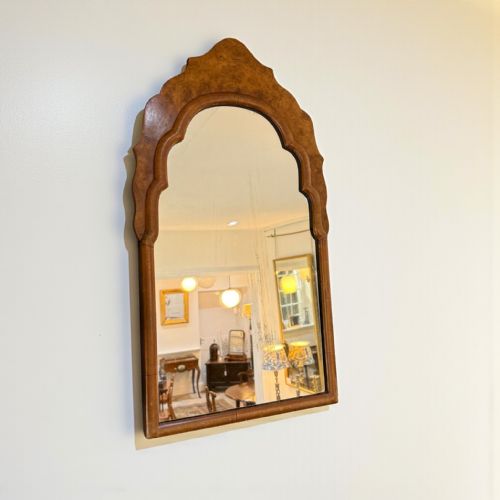
A Queen Anne Revival mirror is a later 19th or early 20th-century interpretation of early 18th-century design motifs. These pieces often showcase arched tops, burr walnut veneers, and restrained proportions.
They offer the aesthetic appeal of antique furniture while fitting comfortably into modern decorative schemes.
How do I care for antique walnut frames?
Care for antique walnut by dusting gently with a dry, soft cloth and avoiding harsh chemical polishes or direct sunlight. Maintaining stable room humidity protects the underlying timber and delicate veneers from cracking.
Periodic application of appropriate wax preserves the natural lustre of the aged wood surface.