
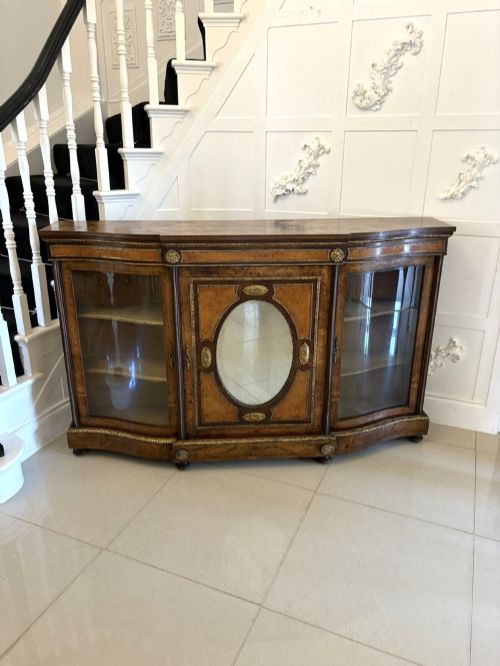
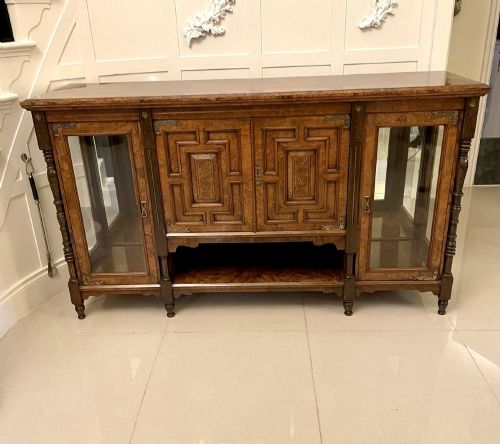
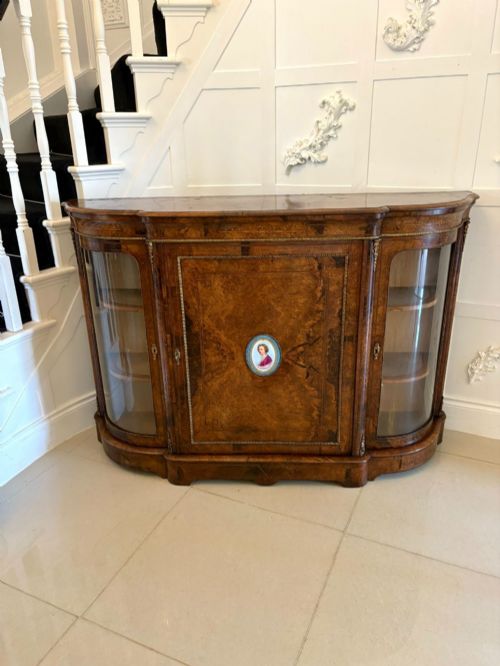
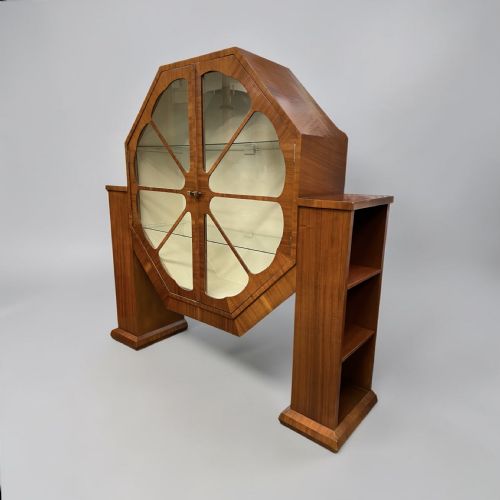


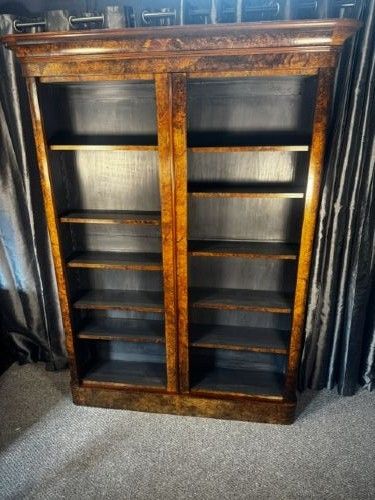
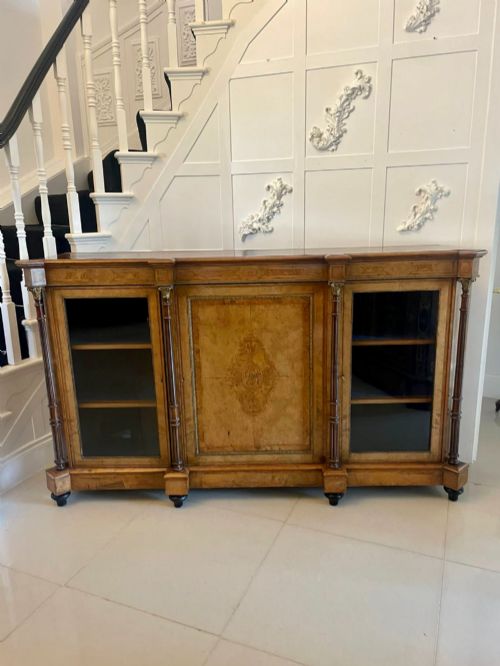
Brown Walnut Display Cabinet
A brown walnut display cabinet brings warmth and polished grain to a room, offering a refined stage for cherished collections.
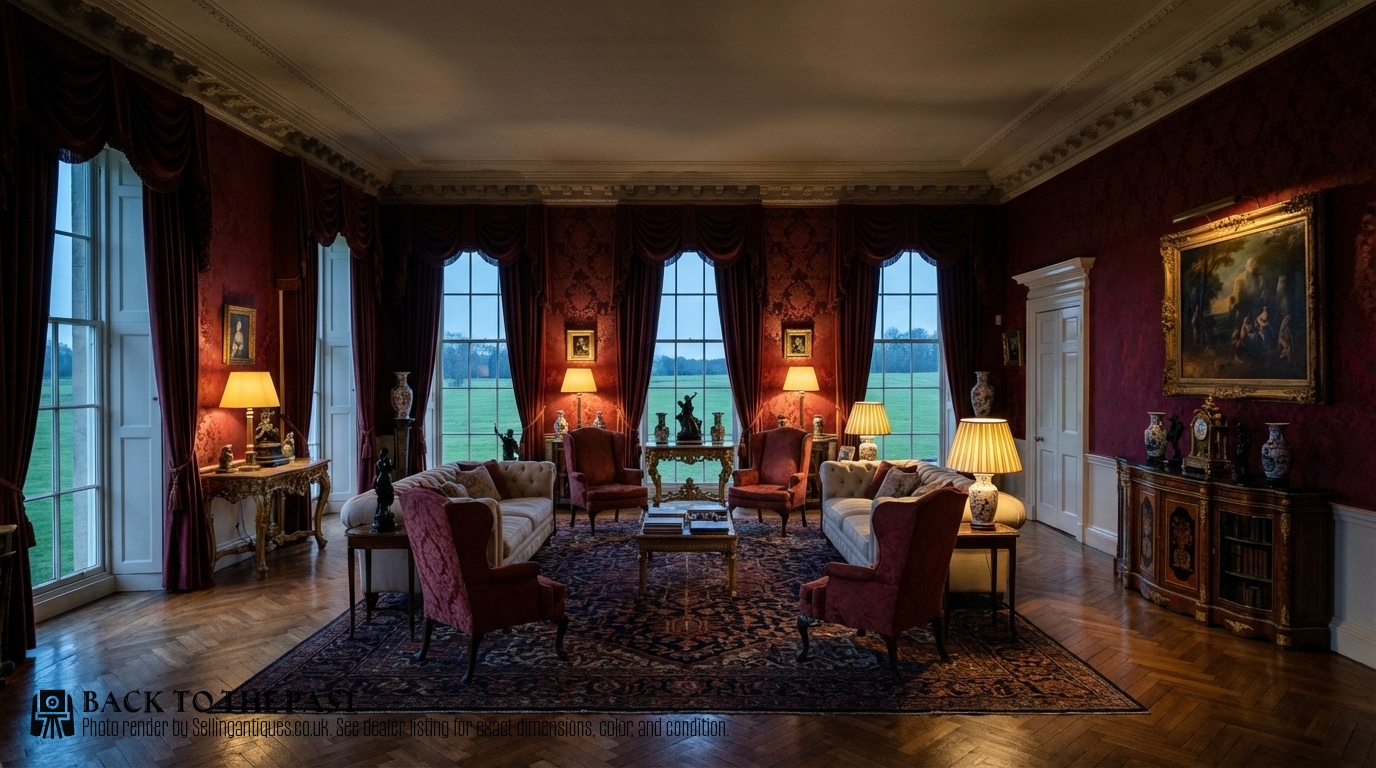
Brown Walnut Display Cabinet
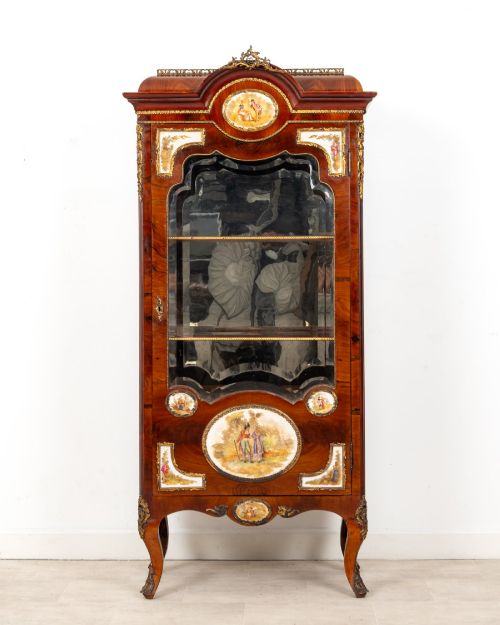
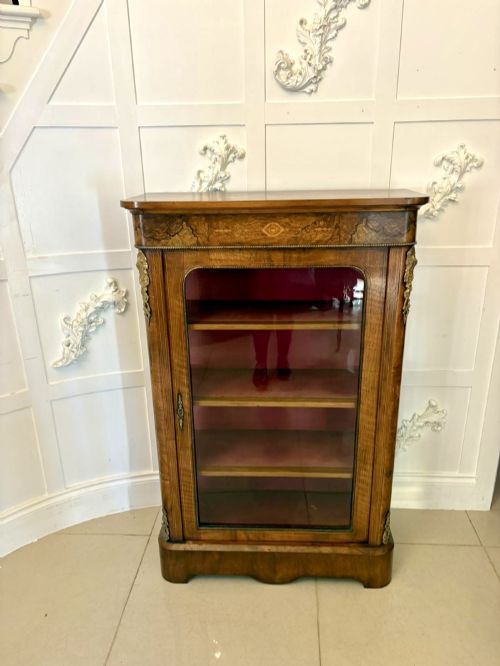
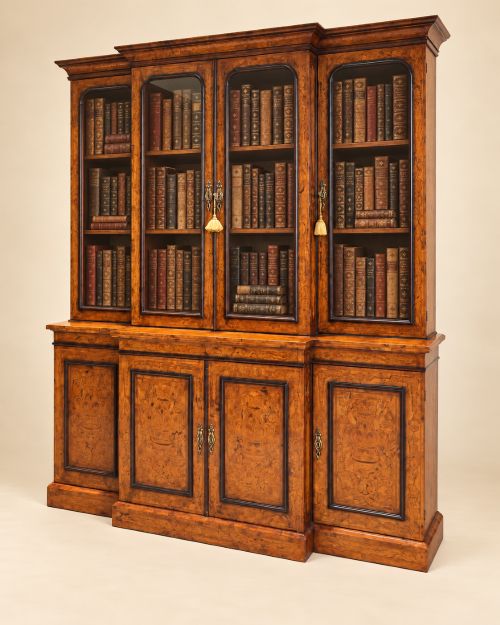
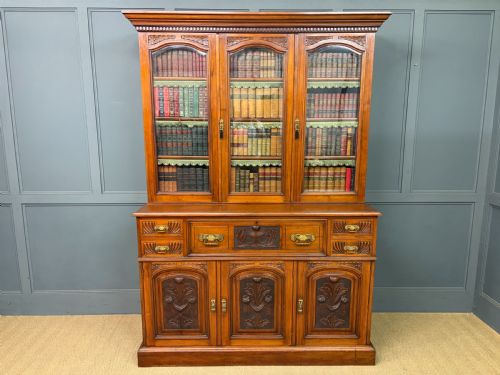
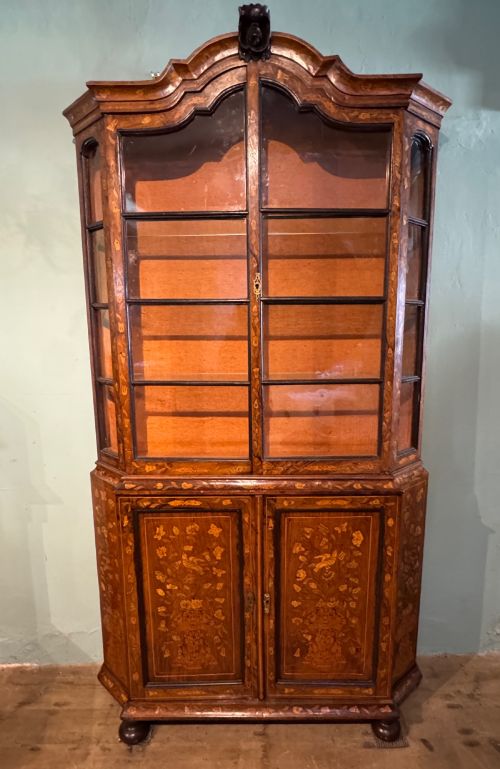
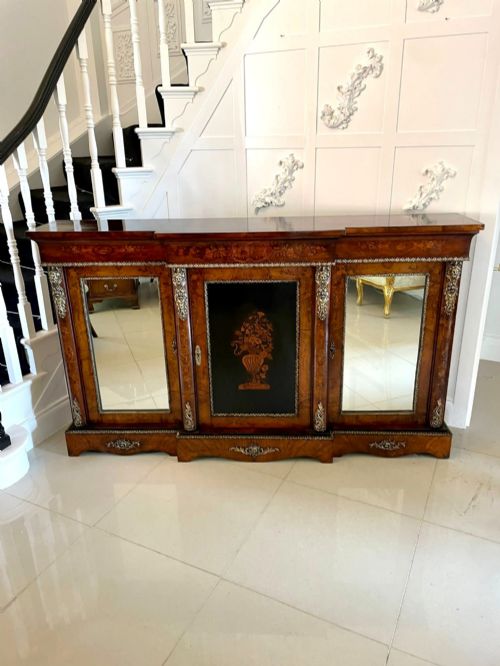
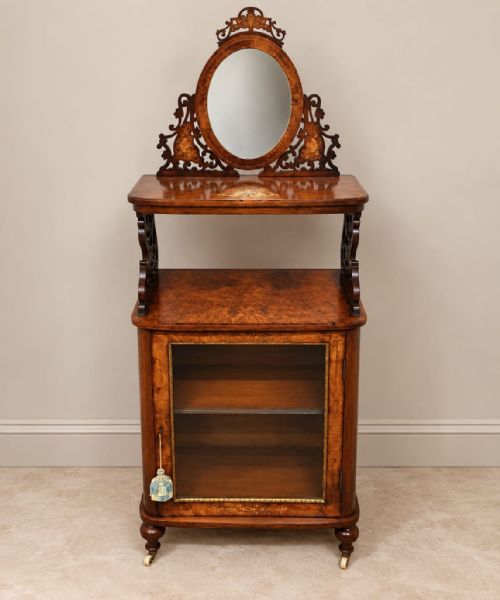
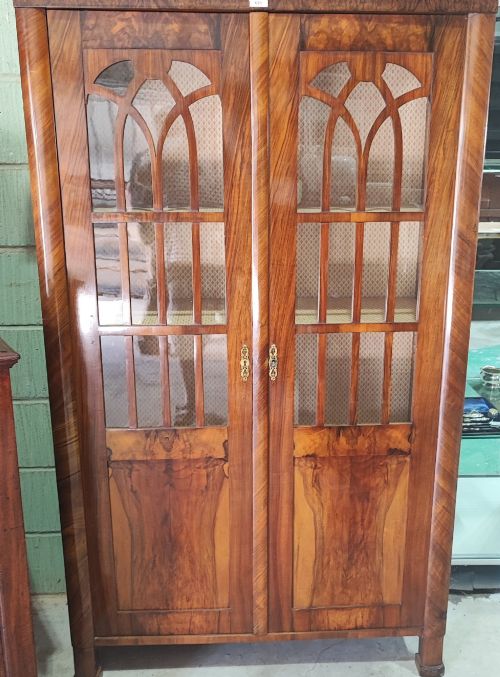
When you search for a brown walnut display cabinet, you encounter a selection spanning the eighteenth, nineteenth, and early twentieth centuries. These pieces encompass varied forms including slender pier cabinets, glazed vitrines, breakfront bookcases, and low credenzas.
Victorian examples dominate the selection alongside Edwardian interpretations, Art Deco variations, and Continental Dutch marquetry pieces. Buyers choose these cabinets to house books, porcelain, or curiosities while introducing rich timber tones to an interior.
Materials and Construction
Cabinet makers utilised solid walnut and figured burr walnut veneers over secondary timbers, often embellishing surfaces with intricate floral marquetry and fruitwood inlay. Structural integrity relied on traditional joinery, while decorative impact was heightened through cast or chased ormolu mounts, brass details, and porcelain plaques.
Interiors frequently incorporate adjustable wooden shelving, glass panel doors for visibility, and occasionally velvet or mirror linings. Finishing involved French polishing to accentuate the natural figure and deep warmth of the walnut grain.
Brown Walnut Display Cabinet Retail Price Guide 2026
Typical asking prices for brown walnut display cabinet among the pieces listed under this phrase on Sellingantiques today, from the lower quarter to the upper quarter. They describe what is for sale here now, not the wider market.
Listings feature walnut, burr walnut, glass, brass, ormolu, velvet, fruitwood, and porcelain across Victorian, Art Deco, and Dutch Baroque styles.
Distinctions in Quality
The distinction between standard cabinet work and exceptional pieces lies in the selection of timber and the precision of the marquetry. Highly figured burr walnut veneer matched symmetrically across doors creates a striking visual rhythm absent in plain stock.
Superior execution shows in crisp, deep carvings, finely chased ormolu, and robust internal construction that keeps doors square and locks functioning smoothly after generations of use.
Maple & Co.·Maison Gagneau
The Brown Walnut Display Cabinet Glossary
- Burr walnut
- A wood harvested from the abnormal growth of a walnut tree, yielding a swirling, highly decorative grain pattern. It is typically sliced into thin veneers for cabinet fronts.
- Ormolu
- Gilded bronze used for decorative mounts and feet on nineteenth-century furniture. It adds metallic contrast to dark timber surfaces.
- Marquetry
- Inlaid pieces of wood veneer fitted together to form pictorial or geometric patterns. This technique decorates many eighteenth and nineteenth-century Dutch and Victorian cabinets.
- Pier cabinet
- A narrow cabinet designed to stand against the wall space between two windows. These pieces often feature glass doors and velvet-lined interiors for display.
- Credenza
- A low sideboard or cabinet originally developed in the Victorian era, frequently mounted with porcelain plaques and ormolu details. They provide substantial surface and interior storage.
Brown Walnut Display Cabinet: Frequently Asked Questions
What periods do these cabinets represent?
The selection spans several centuries, ranging from eighteenth-century Dutch marquetry pieces to nineteenth-century Victorian designs. You also find early twentieth-century Edwardian and Art Deco interpretations.
This chronological spread means forms vary from formal breakfront bookcases to compact pier cabinets and circular display pieces.
How do I place one in a modern room?
A brown walnut display cabinet anchors a room through its deep timber tones and reflective glass panels. Position it against a neutral wall to let the burr walnut grain and brass or ormolu mounts stand out.
Use the internal shelving to display collections of ceramics, glassware, or books while keeping the surrounding space relatively uncluttered.
How do I care for walnut veneer?
Walnut veneer benefits from stable room temperatures away from direct sunlight and heat sources, which can cause wood to dry and warp. Dust the polished surfaces regularly with a soft cloth.
Apply a quality furniture wax sparingly when the timber appears dry to nourish the grain and maintain the protective shine.