
Brown Walnut Console
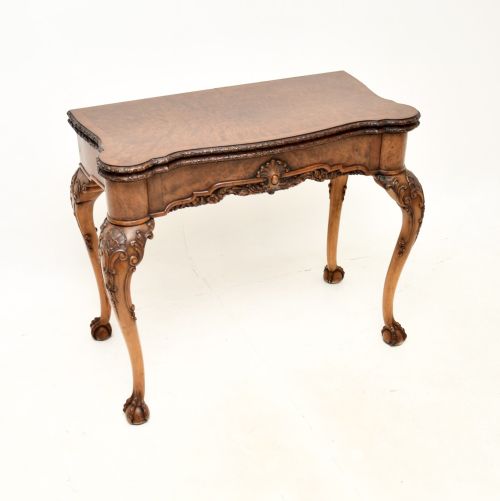
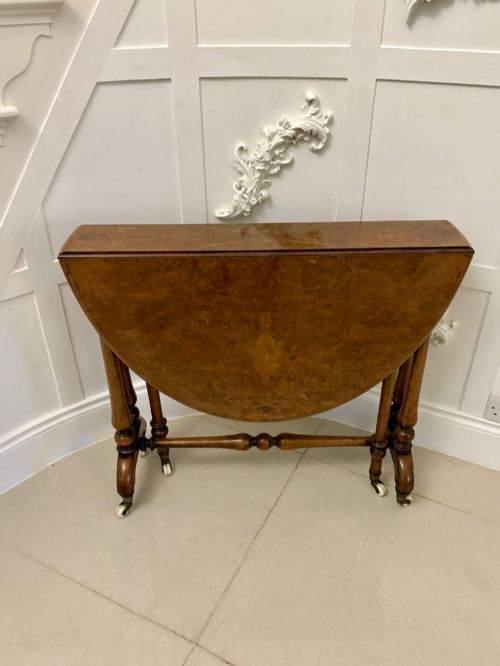
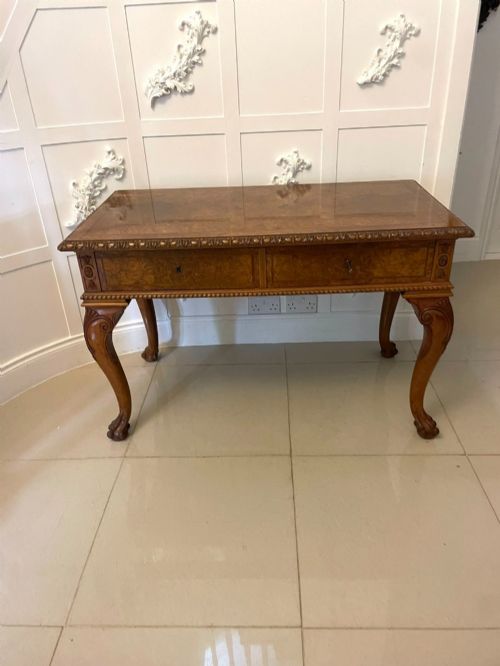
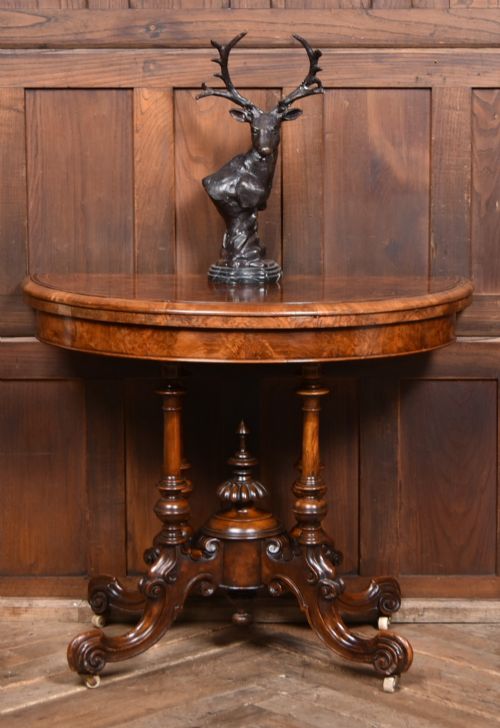
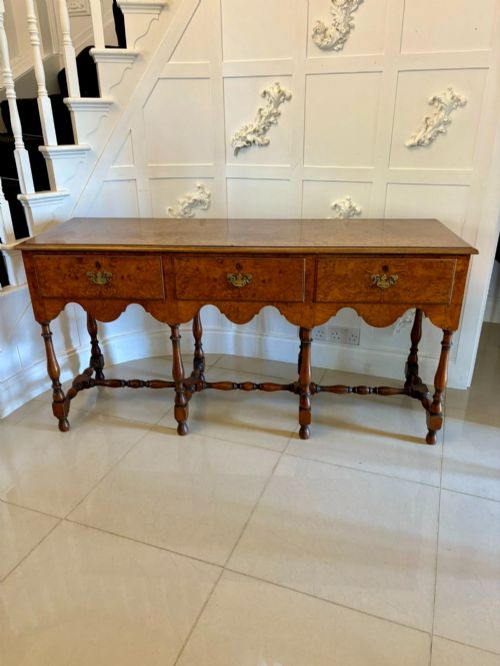
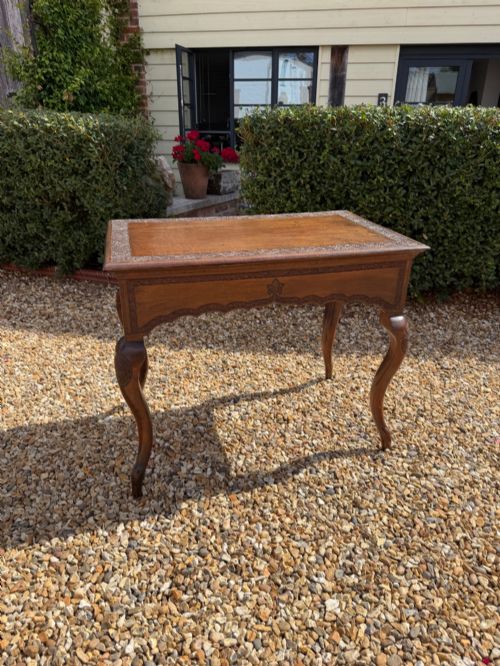
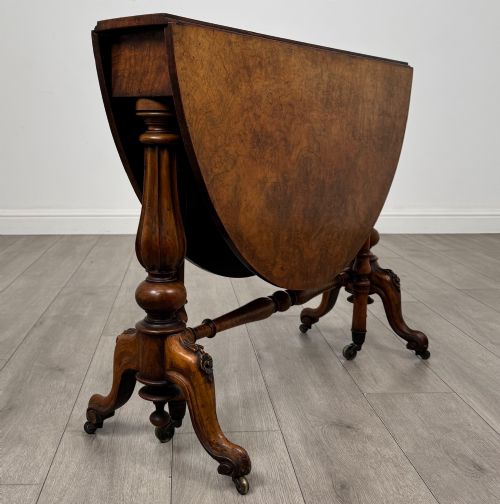
These brown walnut console tables bring rich grain and architectural presence to a hallway or drawing room.
Brown Walnut Console
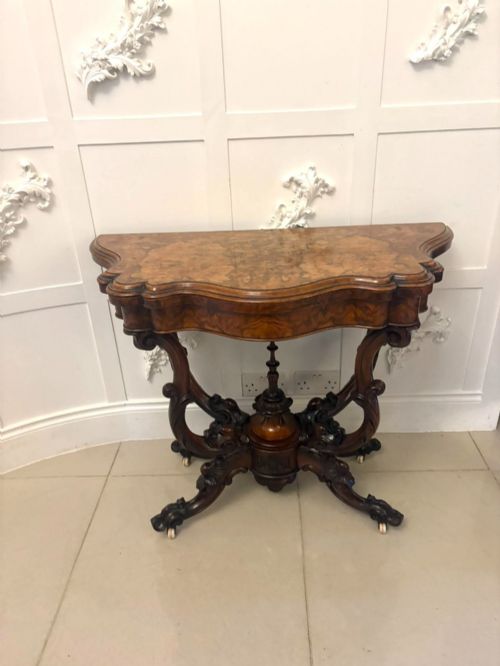
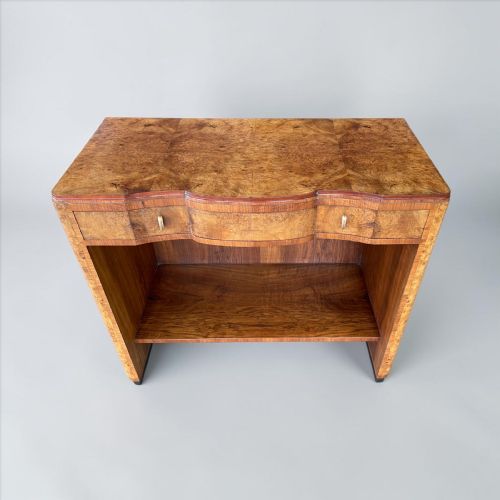
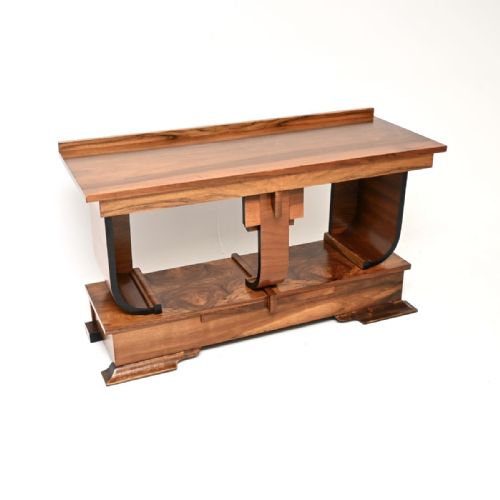
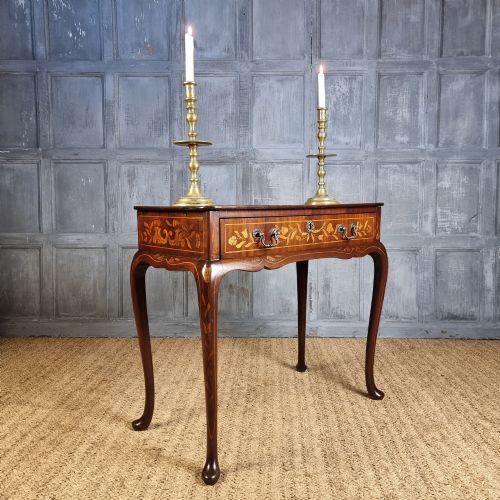
A brown walnut console encompasses a variety of side tables, serving surfaces, and demilune forms designed to sit against a wall. The pieces appearing here span from the 17th century through the Georgian and Victorian eras up to Art Deco designs of the 1930s.
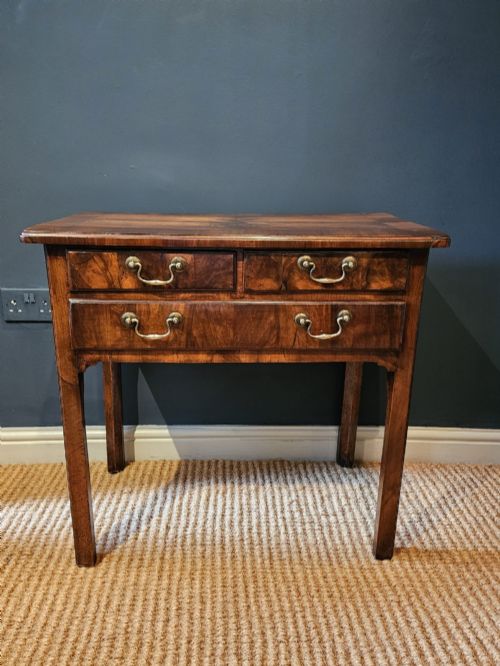
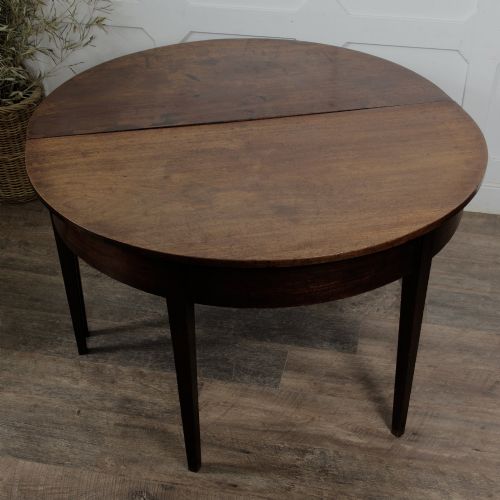
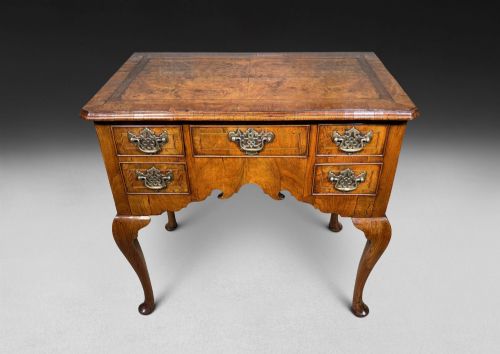
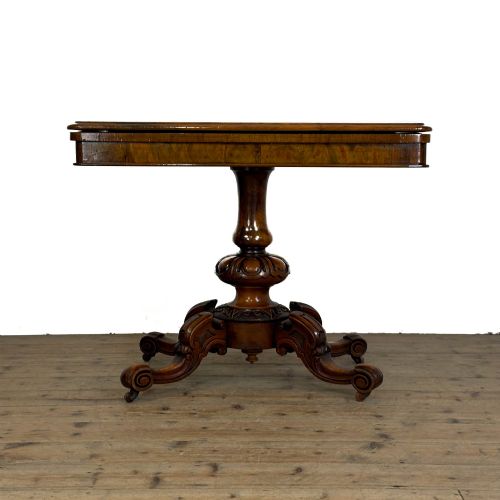
Buyers will encounter fold-over card tables, games tables, lowboys, and dedicated freestanding hall tables alongside traditional console shapes. Victorian and Edwardian interpretations sit alongside earlier George II and Queen Anne revival styles.
Regional variations appear in the selection, including English, Irish, French Louis Philippe, Spanish Baroque, and Kashmiri pieces. This mix provides distinct carving traditions and structural proportions within the same timber family.
Assessing quality
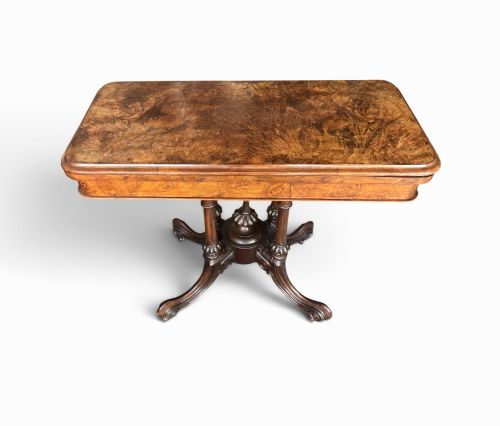
Quality rests primarily in the selection of the timber grain and the precision of the veneer work across the top and apron. Highly figured burr walnut displays depth and movement that elevates a piece above plain timber surfaces.
The sophistication of the carving on supports, legs, and bases dictates the level of craftsmanship involved. Crisp execution in architectural details and stable joinery separate standard production from superior examples.
Listings feature walnut timber alongside marble, ceramic, and brass across periods from the 17th century to Art Deco.
Maurice Adams
The Brown Walnut Console Glossary
- Console table
- A table designed to stand against a wall, frequently secured to it or balanced on shaped front legs. These surfaces often serve narrow hallways or reception rooms.
- Burr walnut
- A prized timber harvested from the warted growth on a walnut tree, yielding swirling, knotty grain patterns. Cabinet makers slice this wood into decorative veneers for table tops.
- Lowboy
- A small table with drawers, typically standing on four tall legs and dating from the 18th century. They serve as side tables or dressing surfaces.
- Demilune
- Half-moon in shape, describing tables with a semicircular flat edge that places flush against a wall. These pieces function well in restricted spaces.
Brown Walnut Console: Frequently Asked Questions
Where should I place a console table?
These tables suit narrow entrance halls, living room perimeters, or beneath large wall mirrors where surface space is useful.
Their shallow depth allows them to sit flush against walls without obstructing pathways in busy rooms.
How do I care for walnut furniture?
Keep walnut surfaces away from direct sunlight and excessive heat sources to prevent the timber from drying out or fading.
Regular dusting with a soft cloth and occasional treatment with appropriate wax maintains the natural lustre of the grain.
What is the difference between a console and a side table?
Console tables traditionally anchor against a wall and often feature decorative emphasis on the front legs and apron.
Side tables can be freestanding items with finished legs on all sides, designed for more versatile placement within a room.
How can I identify a fold-over table?
Fold-over tables feature a hinged top leaf that opens to reveal a larger surface, frequently lined with baize for card games.
When closed, they occupy half the floor space and function as compact side or console tables against a wall.