
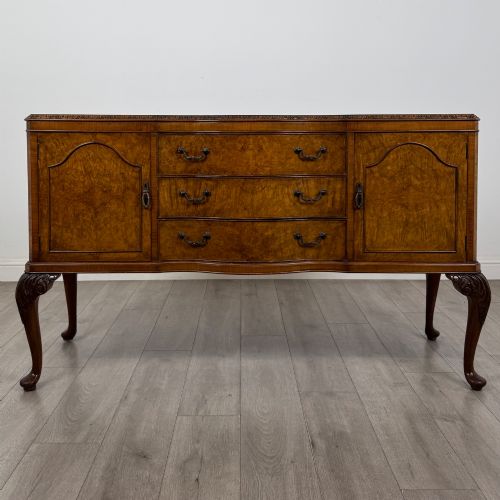
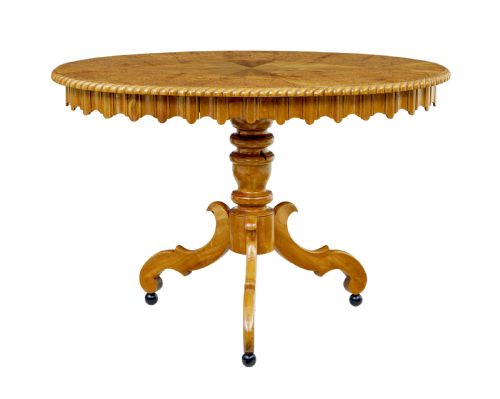
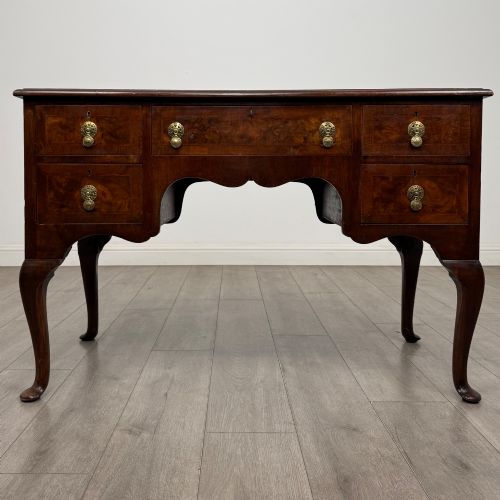
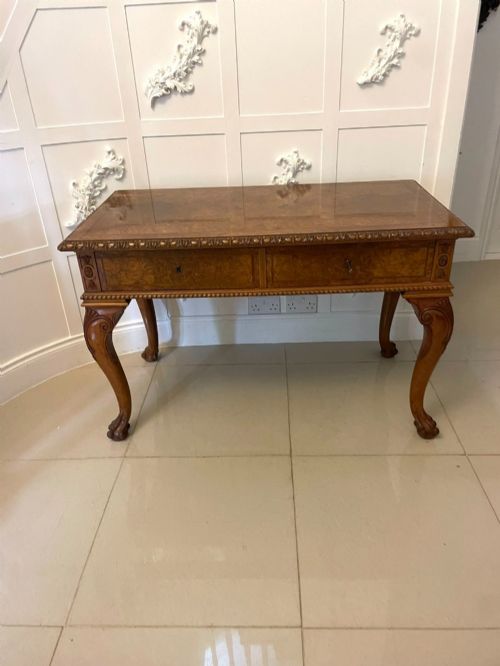
Burr Wood Table
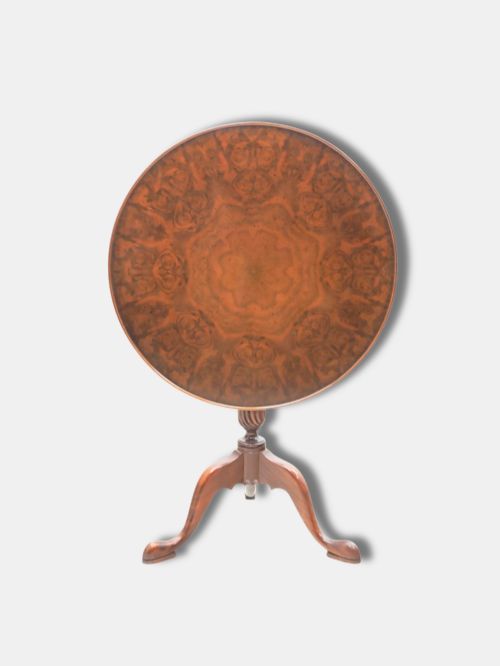
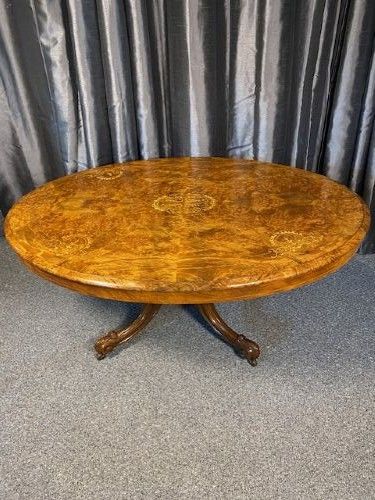
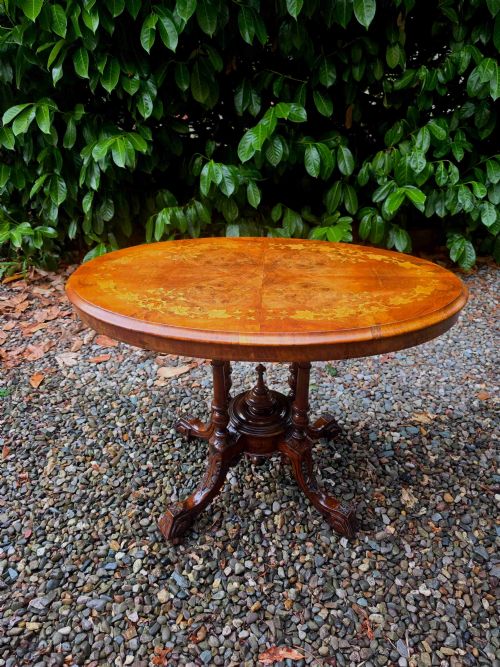
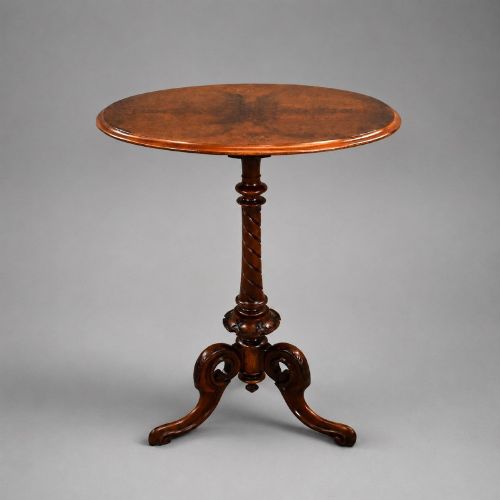
When you search for a burr wood table, you explore a collection defined by swirling, intricate grain patterns shaped across centuries.
Burr Wood Table
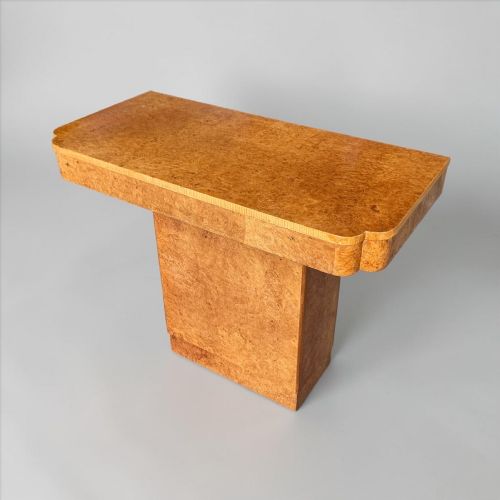
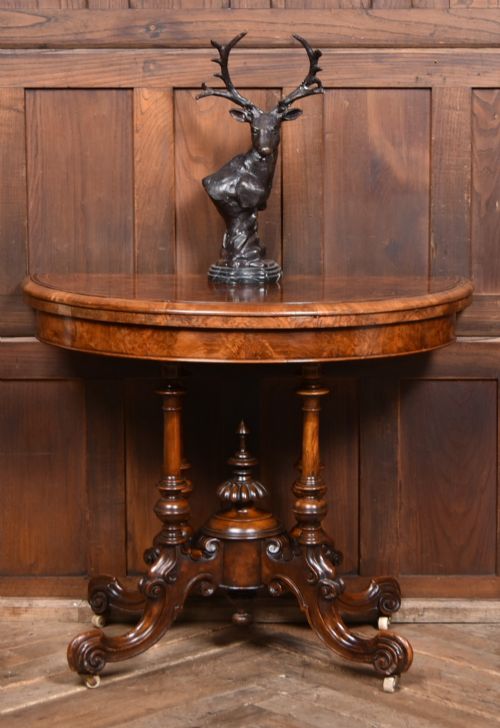
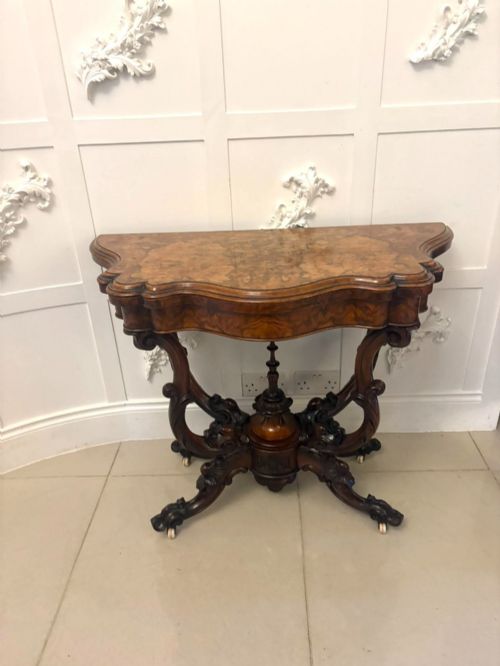
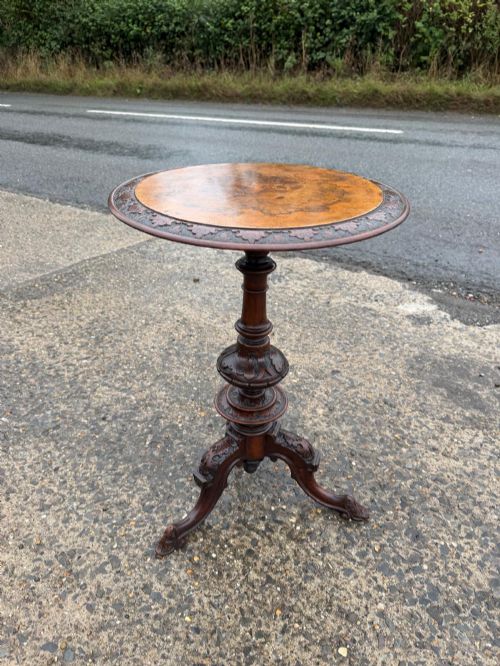
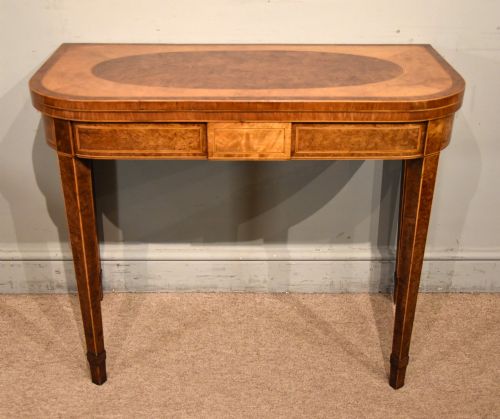
A burr wood table brings together centuries of cabinet-making, spanning from George II designs to Art Deco interpretations. When navigating this selection, the visitor encounters forms designed for various domestic uses, including coffee tables, console tables, card tables, and occasional pieces.
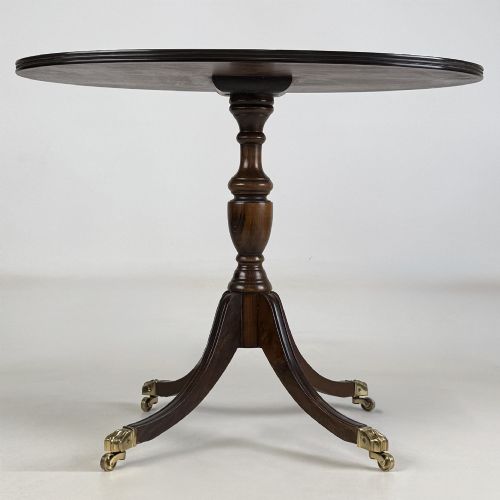
The assortment extends from small bedside cabinets and tripod lamp tables to larger dining tables and breakfast tables. Whether choosing an Edwardian oval side table or a 1930s maple coffee table, each item showcases the natural node formations of the tree.
How they were made
Makers utilised thin veneers sliced from the distorted growths and knotty burls of trees, applying them over solid secondary timbers such as oak, mahogany, or pine. This technique allowed craftsmen to display the highly figured, swirling grain patterns across wide tabletops while maintaining structural stability.
Cabinet-makers frequently enhanced the central burr field by incorporating contrasting decorative borders, using crossbanding of kingwood, tulipwood, boxwood, or satinwood. Joinery methods varied by period, from the tripod bases and tilt-top mechanisms of the nineteenth century to the cleaner geometric lines seen in later Art Deco items.
Listings feature burr wood furniture spanning walnut, yew, elm, oak, birch, maple, and thuya across Georgian, Victorian, and Art Deco periods.
What varies in quality
The visual impact of a burr wood table depends largely on the tightness and symmetry of the grain figuration within the veneer selection. Master craftsmen selected the most dramatic burls and arranged them carefully across the surface, whereas lesser examples display sparse or fragmented grain patterns.
The standard of secondary timbers and the precision of the inlaid banding distinguish the finer pieces in the range. Superior construction involves seamless matching of the veneer across folding leaves or serpentine tops, coupled with robust, stable framing beneath.
Maple and Co·Gillows
The Burr Wood Table Glossary
- Burr wood
- Timber harvested from a tree growth where the grain has grown in a deformed, swirling manner. This produces highly decorative patterns filled with small knots and eyes.
- Crossbanding
- A strip of veneer applied around the border of a tabletop with the grain running perpendicular to the central panel. It frames the main timber and adds a distinct visual border.
- Card table
- A folding table designed for playing cards, featuring a hinged top that opens to reveal a baize-lined playing surface. Many examples from the Victorian and Georgian periods use burr veneers on the exterior.
- Lowboy
- A small kneehole dressing table or side table dating from the 18th century, typically featuring one or more rows of drawers. These are frequently encountered in burr elm or walnut.
- Sutherland table
- A narrow drop-leaf table with drop leaves that fold down almost vertically. They were developed in the Victorian era and often rest on slender gateleg supports.
Burr Wood Table: Frequently Asked Questions
How do I identify the wood type?
Examine the density and pattern of the small dark circles and swirls within the grain. Burr walnut tends to show rich brown tones with deep cloud-like patterns, while burr yew often presents a warmer, golden-brown hue with tight, pin-prick eyes.
Comparing the colour and growth marks against known examples from the same period helps confirm the species. Secondary woods visible underneath or inside drawers provide further clues to the origin of the piece.
Where should I place a console table?
Console tables fit naturally against entrance hallway walls or beneath living room windows where their decorative tabletops can be fully appreciated. Their shallow depth allows them to sit comfortably in narrow spaces without blocking walkways.
Pairing the table with a matching mirror or placing a small lamp on top creates a balanced focal point. Positioning them away from direct sunlight protects the delicate veneer work from fading.
Are fold-over tables still functional?
Fold-over tables operate with hinged tops that swing open to double the surface area for games or dining. The internal mechanisms remain sturdy when handled with care, though modern daily use requires a protective felt or cloth.
Opening the top reveals the original interior surfaces, which frequently retain their historic baize or polished wood linings. They offer flexible surface space that adapts easily to smaller rooms.
What is the difference between an occasional and a side table?
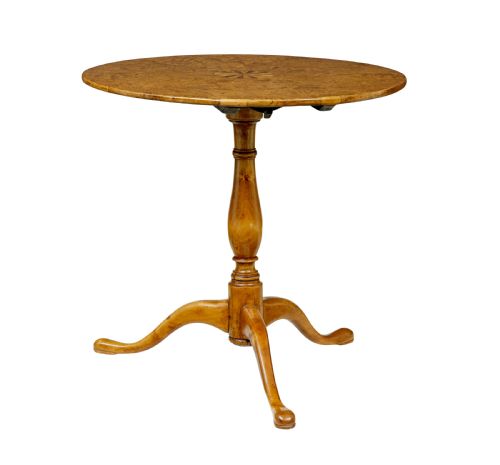
Occasional tables are generally built for movable, light use around a reception room, often taking circular, tripod, or trefoil shapes. Side tables are typically rectangular and designed to stand permanently against a wall.
Both categories utilise decorative burr veneers, but side tables frequently incorporate drawers or more substantial underframes. Choosing between them depends on whether you need a stationary surface with storage or a flexible piece to move beside a chair.