


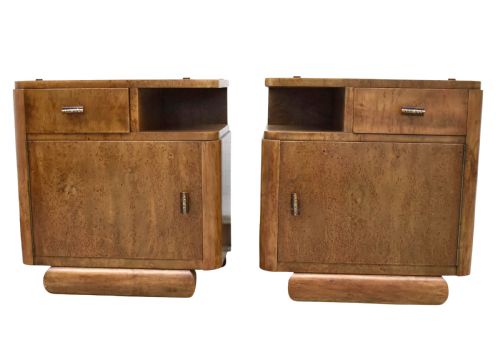
Burr Elm Table
A burr elm table brings extraordinary timber figure and warmth into a room, shaped through centuries by cabinet makers who prized its dense, swirling grain.
Burr Elm Table
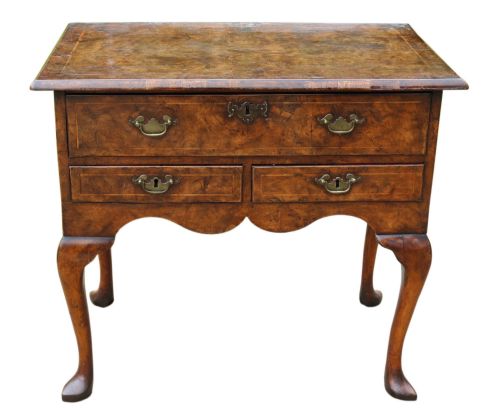
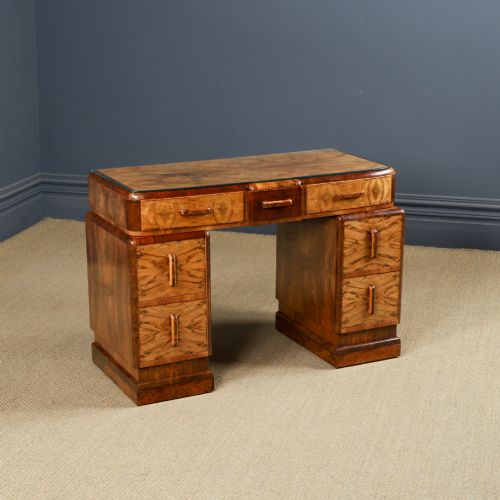
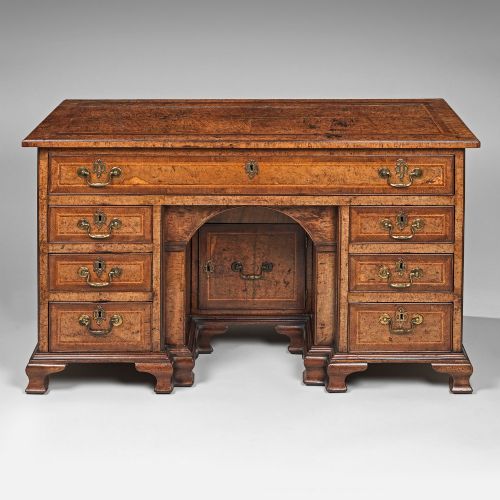
A burr elm table appears in forms ranging from tripod wine tables and lowboys of the Georgian and George II periods to Art Deco pedestal desks and coffee tables from the 1930s.
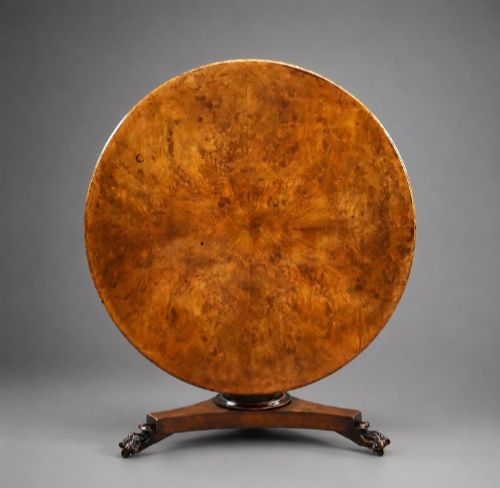
The buyer searching for a burr elm table frequently meets occasional tables, centre tables, and side tables spanning the 18th century, the Regency era, and the 19th century.
Makers also utilised the timber for specialised pieces such as teapoys, etagères, and bedside cabinets, demonstrating its versatility across diverse European and English stylistic movements.
Materials and Construction
Cabinet makers constructed these pieces by selecting highly figured burr elm veneers, laid over secondary woods such as oak or mahogany to provide structural stability.
Secondary materials like brass, ebony, walnut, and glass appear alongside the primary elm, utilised for handles, cross-banding, or surface details that frame the swirling grain.
Turned tripod pedestals, spider legs, and pillar supports distribute weight beneath the decorative tops, combining the dense growth knots of the timber with robust joinery.
Defining Quality
Quality rests upon the richness and density of the burr figure across the primary surface, separating exceptional tables from plain or sparsely figured examples.
The precision of the cabinet work, including tight cross-banding in contrasting timbers and stable proportions in pedestals and legs, dictates the standing of a piece.
William Trotter·The Woodworkers Ltd Kilkenny
The Burr Elm Table Glossary
- Burr elm
- A woody growth on an elm tree that produces complex, swirling grain patterns when sliced into veneer. Cabinet makers prized this timber for its decorative visual impact on tabletops.
- Lowboy
- A small oak, walnut, or burr elm table with drawers, resembling the lower half of a tallboy. These pieces served as dressing tables or side tables in 18th-century interiors.
- Tripod table
- A small freestanding table supported by a pillar on three legs. They frequently feature tilt-top mechanisms to allow vertical storage when not in use.
- Guéridon
- A small French occasional table, often supported by a central column. 19th-century examples frequently showcase circular burr elm tops.
- Etagère
- A set of open shelves for displaying small objects. Regency examples in burr elm provide tiered surfaces within compact proportions.
Burr Elm Table: Frequently Asked Questions
What rooms suit a burr elm table?
These tables find natural placement in sitting rooms as coffee or occasional tables, or in studies as writing desks. Their warm tones complement both traditional and modern interiors.
Compact forms like tripod tables and bedside cabinets fit easily into smaller spaces without overwhelming the room.
How do I care for a burr elm surface?
Keep the timber away from direct sunlight and extreme heat sources to prevent the veneer from drying or cracking. Regular dusting with a soft, dry cloth preserves the polished finish.
Avoid placing damp items directly onto the wood, using coasters to protect the antique polish.
How do I date a burr elm table?
Dating relies on observing the form, construction methods, and hardware alongside the style. Georgian pieces often show pegged joinery and tripod bases, while 1930s examples display geometric Art Deco lines.
Secondary woods beneath the burr elm veneer also offer clues to the period of manufacture.