

Brown Turned Armchair
A brown turned armchair brings structural honesty and tactile warmth to an interior through visible spindle turnings and robust timber construction.
Brown Turned Armchair
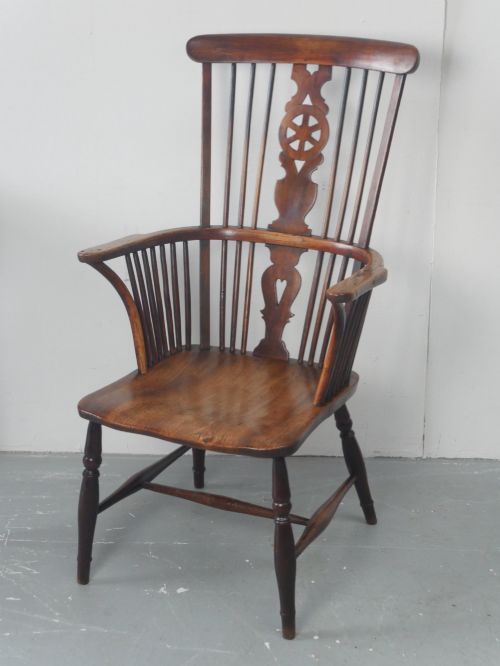
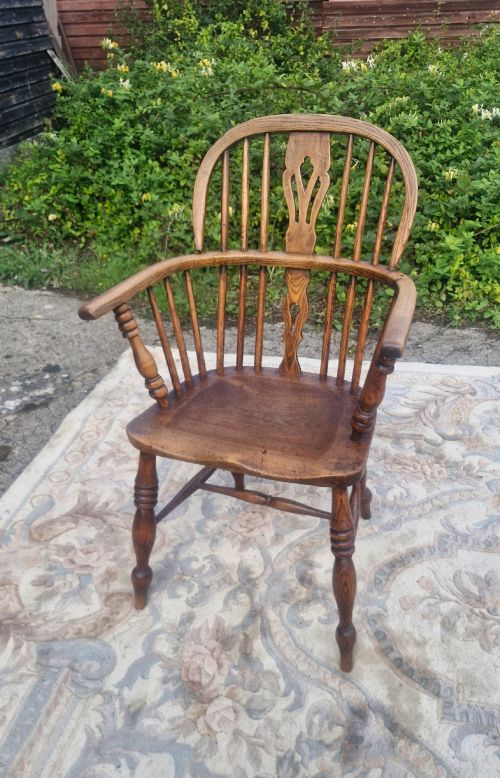
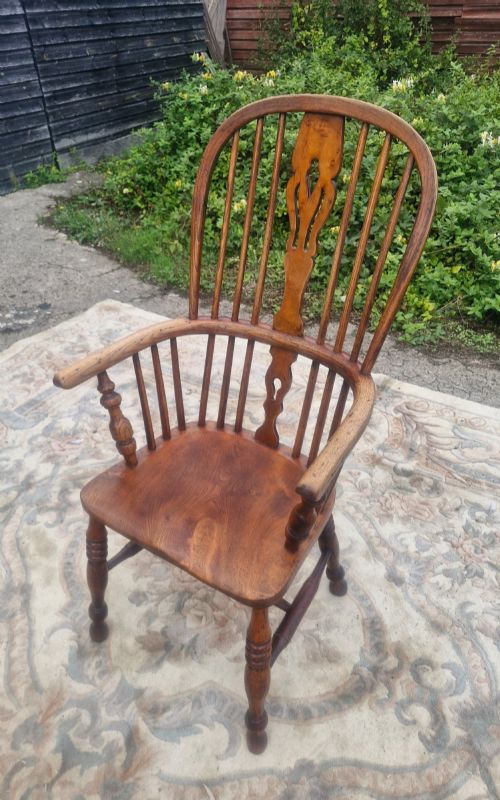
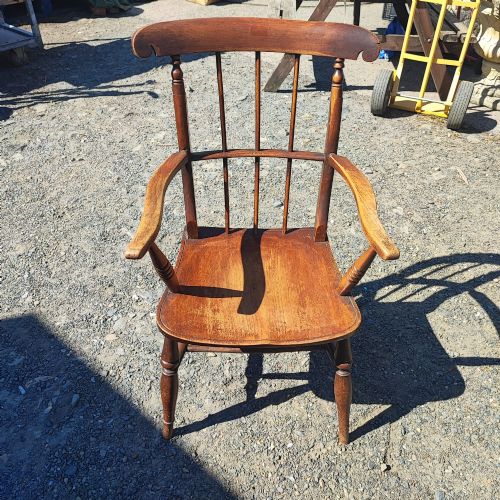
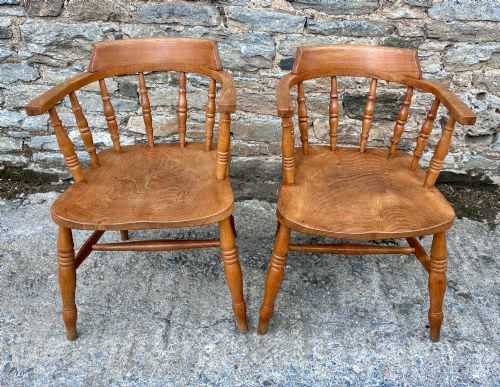
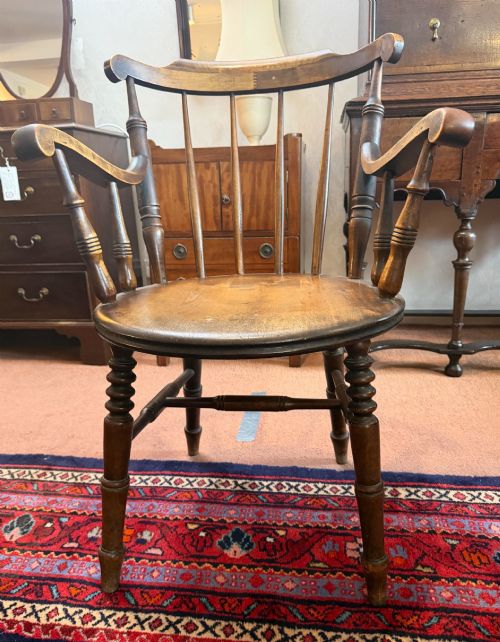
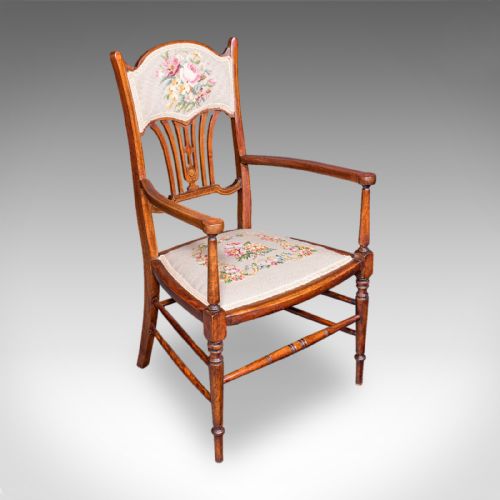
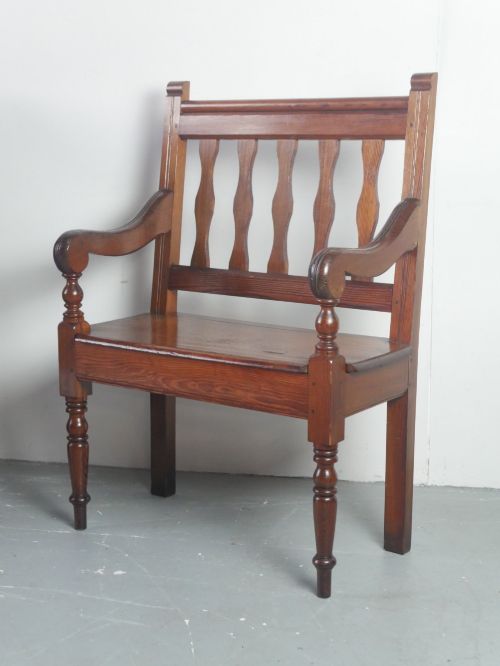
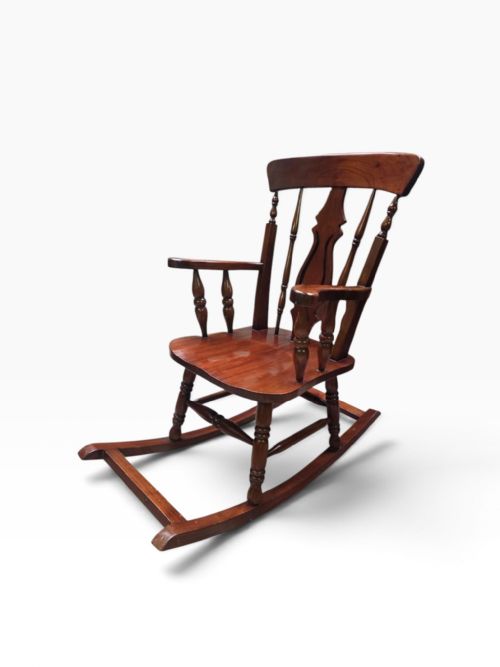
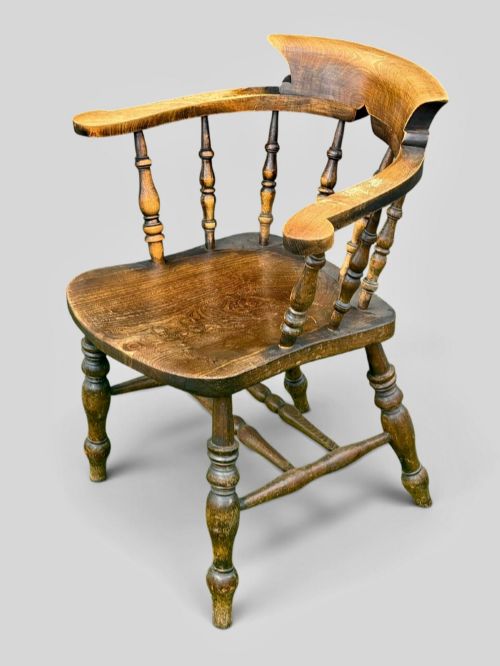
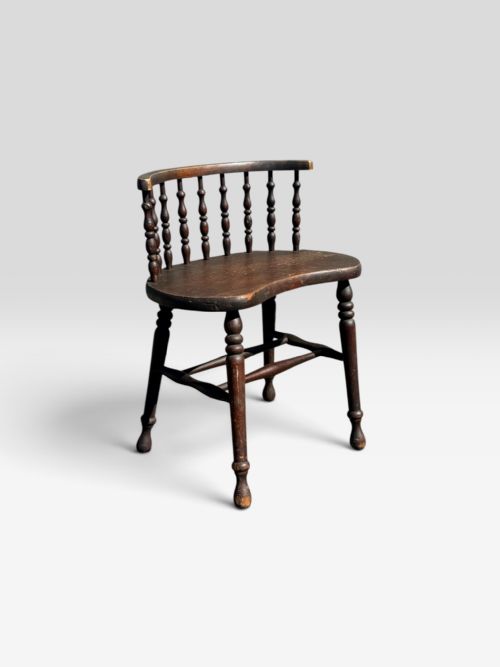
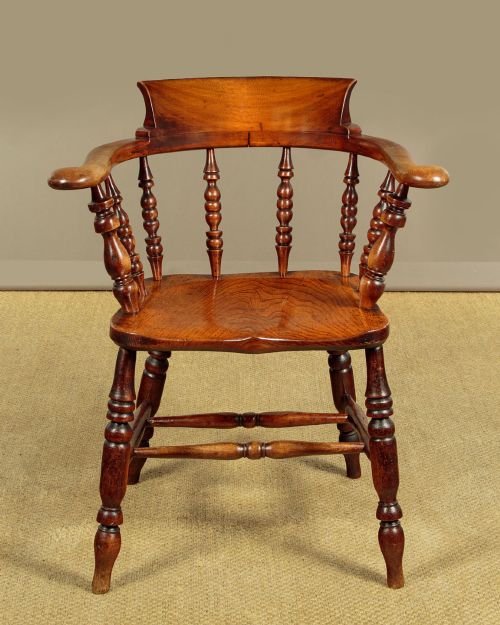
A brown turned armchair is primarily represented here by Windsor chairs, smoker's bows, and traditional kitchen or desk seating originating across the nineteenth century. These forms rely on lathe-turned spindles and sturdy wooden frames rather than elaborate upholstery to define their silhouette.
The materials span familiar domestic hardwoods like elm, ash, beech, and oak, often showing rich patination accumulated over decades of everyday use. Regional vernacular styles range from low and high-back Windsor models to specific captain's chairs and dedicated turner's chairs.
Materials and construction
Construction techniques combine turned structural components with steam-bent elements, utilising traditional joinery such as wedged tenons and mortise-and-tenon joints to secure the seat to the base. Turners shaped individual spindles and legs on a lathe, creating repeated rhythmic profiles that provide both rigidity and visual lightness.
Makers selected contrasting woods for different parts of the chair, frequently pairing robust elm seats with flexible ash or beech spindles and legs to balance comfort with load-bearing strength.
Many of these sturdy armchairs survived generations of heavy domestic service simply because an elm seat is practically indestructible.
Assessing quality
Quality rests upon the crispness of the lathe turnings, the depth of the timber's natural patina, and the structural integrity of the joints connecting the undercarriage to the seat. A superior example retains its original component parts without excessive replacement spindles or heavily sanded surfaces.
Balance and proportion also distinguish better pieces, visible in the graceful sweep of a comb back or the generous adzed concavity of a solid wooden saddle seat.
J SPENCER
The Brown Turned Armchair Glossary
- Turned
- Shaped on a rotating lathe using chisels and gouges to create cylindrical, ball, or spindle profiles. This technique forms the structural legs and back rails of traditional seating.
- Windsor
- A traditional chair construction featuring a solid wooden seat into which the legs and back spindles are separately socketed. These designs often incorporate bentwood bows.
- Smoker's bow
- A low-backed Windsor armchair with a continuous curved arm rail supported by turned spindles. Originating in public houses and farmhouses, it offers compact elbow support.
- Patina
- The surface sheen and colour developed by timber over years of handling, polishing, and exposure to light. It serves as an indicator of age and consistent use.
- Spindle
- A slender, turned wooden rod used vertically to form the backrest or underframe of a chair. Spindles distribute weight while maintaining an open visual profile.
Brown Turned Armchair: Frequently Asked Questions
How do I identify a nineteenth-century turned armchair?
Look for hand-turned components showing slight irregularities in the lathe work alongside traditional joinery methods like wedged through-tenons. The choice of native timbers such as elm, ash, and beech also points to nineteenth-century vernacular production.
Examine the underside of the seat for tool marks and signs of wear that corroborate the period of manufacture. Tooling methods shifted significantly as mechanisation advanced through the Victorian era.
Were these chairs used at desks or dining tables?
Many of these chairs served multiple domestic functions, operating equally well as library seating, desk chairs, or auxiliary seating in parlours and kitchens. Captain's chairs and smoker's bows were particularly adaptable for workspace or casual sitting.
Their sturdy wooden construction meant they moved easily from room to room as household needs demanded throughout the day.
How should I care for a historic wooden armchair?
Maintain the timber by keeping the chair away from direct heat sources and sudden humidity changes that can cause wood to shrink or split. Occasional application of a suitable wax polish preserves the surface sheen without building up a heavy residue.
Avoid commercial liquid cleaners that might strip the historic patina or soften the aged finish of the wood.