


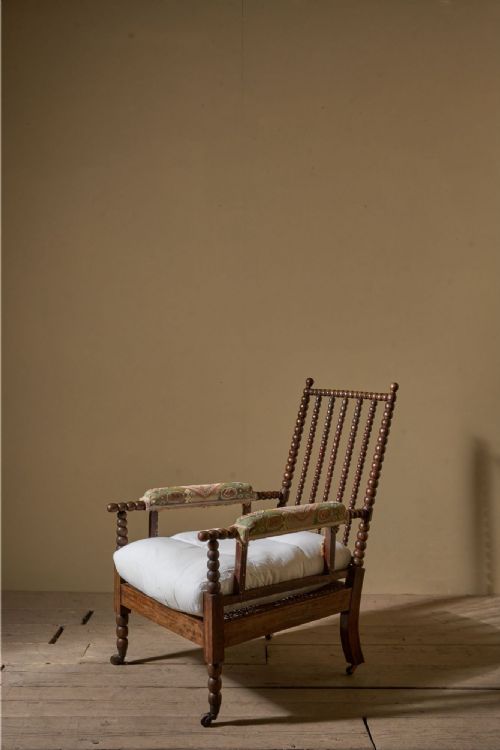


Bobbin Back Chair
When you search for bobbin back chair, you find seating defined by distinctive spool turned woodwork that spans centuries of craftsmanship.
Bobbin Back Chair
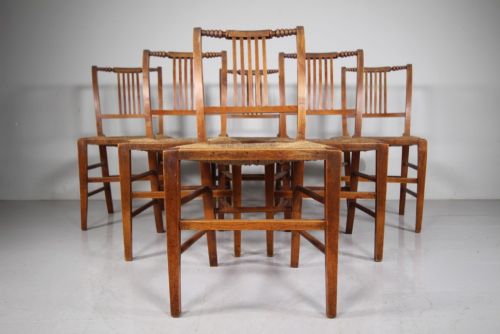
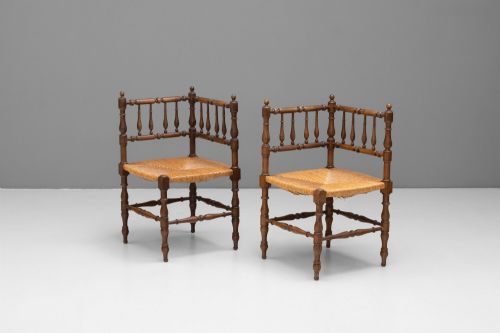
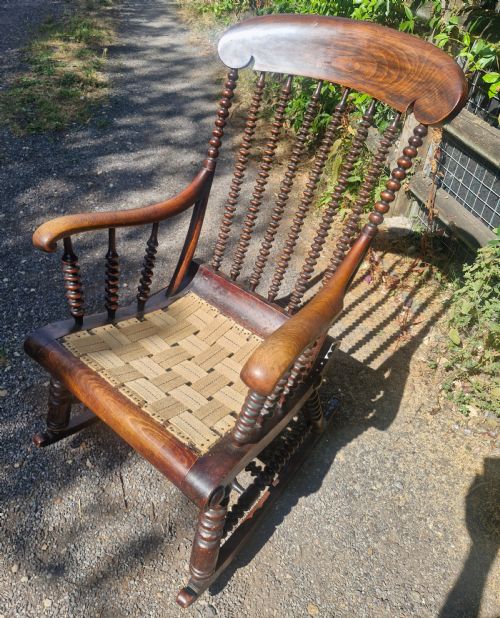
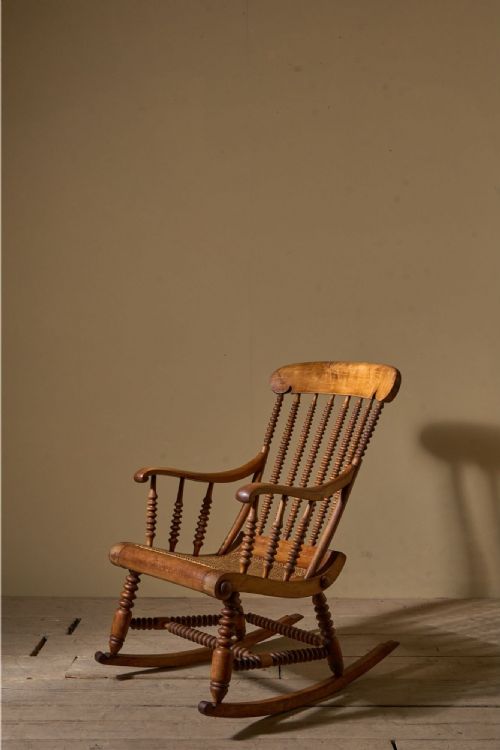
A bobbin back chair relies on cylindrical turned woodwork resembling spools or bobbins, appearing across various forms including side chairs, armchairs, and rocking chairs. You encounter examples originating from the seventeenth century onward, with nineteenth century revivals representing a large share of the available selection.
The materials span native timbers such as oak, elm, and ash, frequently paired with rush, cane, leather, or fabric seats. These pieces range from simple country dining sets to substantial library armchairs and rocking chairs.
Makers drew on Jacobean, Gothic Revival, and Arts and Crafts styles, adapting the turning technique to suit both formal parlours and rural homes. The phrase encompasses everything from sturdy single side chairs to matched sets intended for a dining table.
Materials and construction
Carpenters shaped the distinctive spool profiles on a lathe, turning solid blocks of hardwood such as oak, walnut, birch, or simulated rosewood into repeating rounded sections. These components formed the uprights, stretchers, and back rails of the frame.
Frames relied on traditional joinery methods, including mortise and tenon joints, to secure the turned uprights to the seat rails. Artisans then integrated seating surfaces using woven rush, cane panels, or drop in pads upholstered in leather, velvet, or woven fabric.
Secondary timbers like elm and ash provided structural strength for country versions, while brass fixtures occasionally appeared on nineteenth century iterations.
Swedish country thrones demonstrate that even utilitarian spool turning could reach monumental proportions when designated for household royalty.
Quality and construction standards
The precision and depth of the lathe work dictate the visual impact of the turning, with crisp, evenly spaced spools showing superior craftsmanship compared to shallow or unevenly cut profiles. The choice of timber also marks the distinction, as dense native oak or walnut holds sharper detail than softer secondary woods.
Structural integrity depends on the tightness of the joinery where the turned spindles meet the seat rails, distinguishing a rigid frame from one loosened by centuries of use. Original seating materials, whether intact cane work or period upholstery, retain greater integrity than heavily altered replacements.
Liberty and Co·Strahan Dublin
The Bobbin Back Chair Glossary
- Bobbin turning
- A form of woodturning that creates a series of rounded, spool shaped segments along the length of a spindle. This technique defines the primary decorative feature of the furniture.
- Wainscot chair
- An early wooden armchair constructed with panelled backboards and solid arms, often associated with the seventeenth century. These sturdy seats represent some of the earliest forms found in domestic interiors.
- Bergere
- An enclosed upholstered armchair with cane or wicker sides and a padded seat cushion. The style frequently incorporates turned wooden frames.
- Rush seat
- A seating surface woven from dried marsh grass twisted into cords. This traditional method provides a durable and flexible base for country chairs.
- Back stool
- An early form of seating without arms, essentially a stool fitted with an upright backrest. They commonly appear in seventeenth century inventories.
Bobbin Back Chair: Frequently Asked Questions
How do I date a bobbin turned chair?
Dating relies on identifying the timber species, joinery methods, and the style of the turning. Seventeenth century examples typically employ heavy joined oak with hand carved elements, while nineteenth century revival pieces show machine turned uniformity and softer secondary woods.
Examining the underside of the seat and the wear patterns on the foot rails provides further clues to the age of the piece.
Are bobbin chairs comfortable for daily use?
Most antique examples function well for seating, particularly versions equipped with upholstered pads, cane panels, or supportive armrests. Dining chairs and side chairs offer an upright posture suited to table use.
Rocking chairs and armchairs provide a more relaxed seat, though the rigid wooden spindles behind the back require a cushion for extended sitting.
How should I care for rush and cane seats?
Rush and cane require stable indoor humidity to prevent the natural fibres from drying out and snapping. Light dusting with a soft brush keeps the weave clean without damaging the material.
Applying a damp cloth to cane occasionally helps maintain its elasticity, while rush benefits from avoiding excessive moisture.
What is the difference between Jacobean and Victorian bobbin chairs?
Seventeenth century Jacobean chairs feature heavy, hand turned oak with patinated surfaces resulting from centuries of use. They often take the form of wainscot chairs or joined back stools with simple, robust frames.
Victorian revival pieces from the nineteenth century reproduce these earlier forms using mechanized lathes, sometimes employing lighter woods like birch or applying simulated rosewood finishes.