

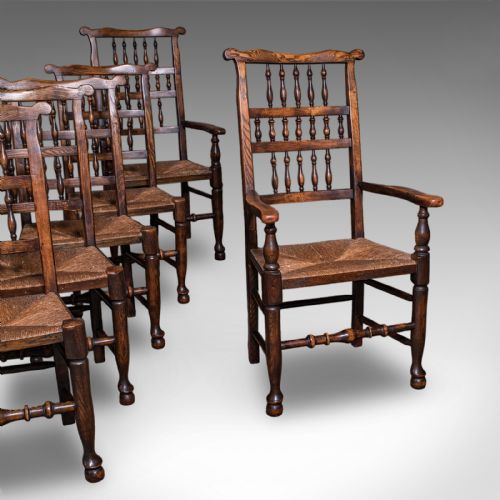


Rush Bottom Chairs
Rush bottom chairs bring rustic warmth to a room, offering traditional woven seating shaped by centuries of vernacular craftsmanship.
Rush Bottom Chairs
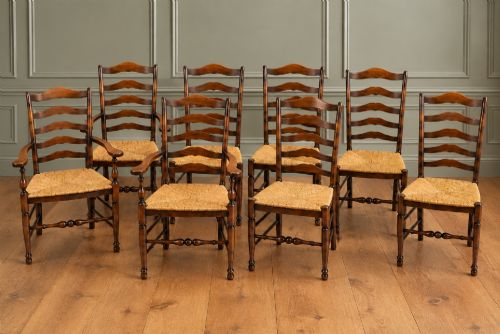
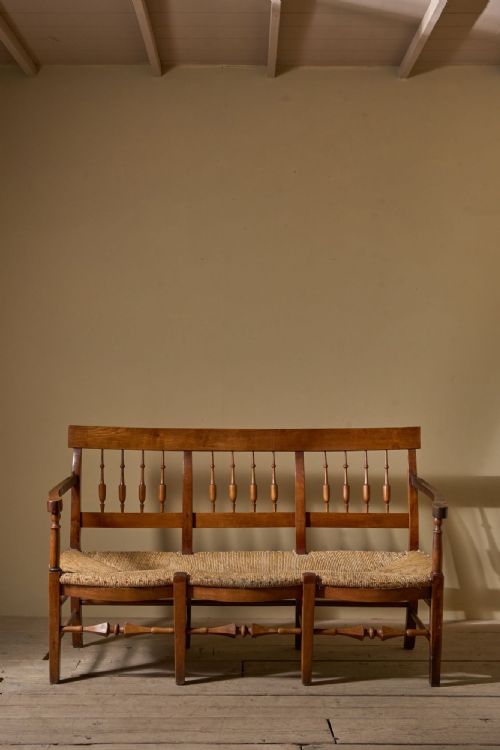
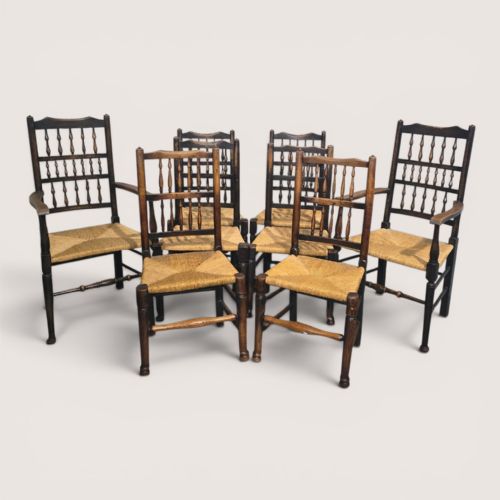
When you search for rush bottom chairs, you encounter a diverse array of vernacular seating spanning the eighteenth, nineteenth, and early twentieth centuries. These pieces encompass single side chairs, carvers, rocking chairs, benches, and larger matched or harlequin dining sets originating from English and French traditions.
The construction typically pairs a solid timber frame with a woven seating pad, drawing on rural styles such as ladderback, spindleback, and rustic farmhouse designs. You meet examples shaped in local workshops using regional timbers, reflecting the practical needs of historic domestic life.
Makers utilised native hardwoods to build sturdy frames designed for everyday utility in kitchens, halls, and dining rooms. The enduring appeal of these chairs lies in their honest construction and the tactile texture of the woven seats.
How They Were Made
Makers constructed the frames of rush bottom chairs using a variety of regional timbers, selecting elm, fruitwood, beech, oak, ash, alder, and mahogany for their strength and grain. Carpenters turned spindles on lathes or shaped ladderbacks by hand to create durable supports for daily use.
The seats themselves were tightly woven from dried marsh rush around a wooden frame, creating a resilient and supportive surface. This traditional weaving technique required considerable skill to ensure tension remained even across the entire pad.
Rush Bottom Chairs Retail Price Guide 2026
Typical asking prices for rush bottom chairs among the pieces listed under this phrase on Sellingantiques today, from the lower quarter to the upper quarter. They describe what is for sale here now, not the wider market.
Current listings feature pieces spanning the eighteenth century through the Edwardian period, constructed from elm, fruitwood, beech, oak, and ash.
What Varies in Quality
The quality of rush bottom chairs rests on the timber selection and the integrity of the frame construction. Heavier native hardwoods and thoughtful joinery distinguish superior examples from simpler utilitarian seating.
The tightness and uniformity of the rush weaving also indicate the standard of craftsmanship. Skillful weaving distributes weight evenly and maintains its structure through decades of regular use.
The Rush Bottom Chairs Glossary
- Rush
- Marsh vegetation woven to form traditional chair seats. It provides a flexible yet durable surface that softens in colour over time.
- Ladderback
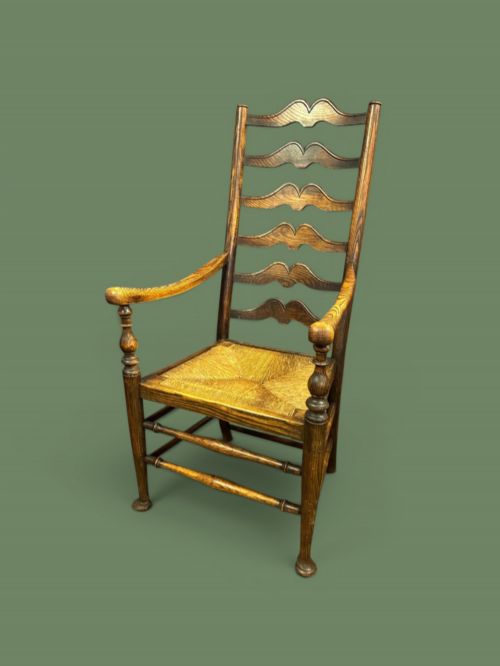
- A chair design featuring horizontal slats between the rear upright posts. This regional style offers strong lumbar support in vernacular seating.
- Carver
- An armchair designed with supporting armrests, often used at the head of a dining table. These pieces match larger sets of side chairs.
- Spindleback
- A style incorporating vertical turned wooden rods in the backrest. This construction lightens the visual weight of the frame.
- Harlequin set
- A collection of dining chairs that share similar periods or styles without forming an original matched set. Such groups offer a collected appearance for larger tables.
Rush Bottom Chairs: Frequently Asked Questions
How do I care for a rush seat?
Keep rush seats dry and away from direct heat sources to prevent the natural fibres from becoming brittle. Regular dusting with a soft brush helps maintain the material.
Avoid excessive moisture when cleaning the wooden frame around the seat. A mild wax can be applied to the timber to preserve the finish.
Are these chairs suitable for daily dining?
Many historic rush seated chairs were built for daily kitchen and dining use, making them durable options for modern homes. Their sturdy hardwood frames handle regular sitting well when structurally sound.
Consider adding subtle pads if you require extra softness for extended periods at the table. Ensure the woven rush remains tight before heavy use.
What is an elm ladderback chair?
An elm ladderback is a traditional regional chair featuring horizontal back slats framed by resilient native elm timber. This combination was common in country workshops during the eighteenth and nineteenth centuries.
The grain of the elm provides distinct character to the frame, while the ladder design ensures comfortable back support.
How can I date a rush seat chair?
Dating relies on examining the timber species, tool marks, and overall framing style relative to known vernacular traditions. Eighteenth-century models often display simpler hand-shaped turnings compared to later Victorian iterations.
The wear patterns on the feet and the patina of the wood also offer clues to the age of the piece.
Can damaged rush seats be repaired?
Traditional rush seating can be successfully rewoven by skilled craftspeople using matching marsh materials. This restoration process preserves the historical integrity of the chair frame.
Timbers can also be secured by professional conservators if joints loosen over centuries of use.