


English Country Seating
English country seating brings together robust vernacular chairs, benches and sofas shaped by local makers using traditional timbers.
English Country Seating
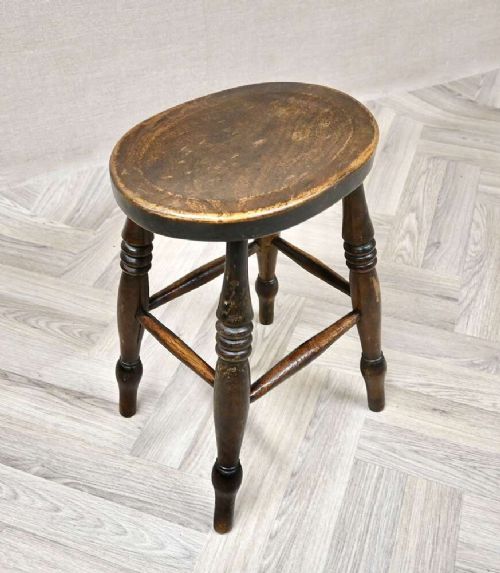
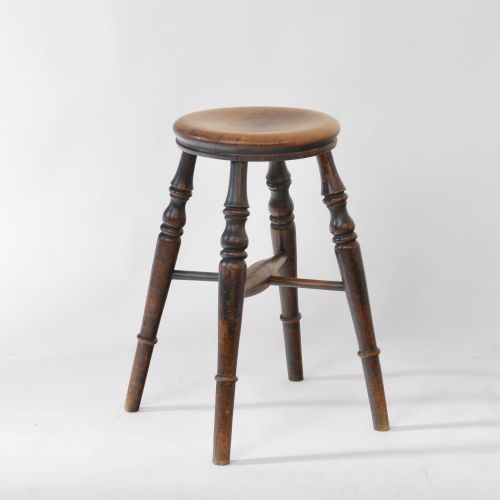
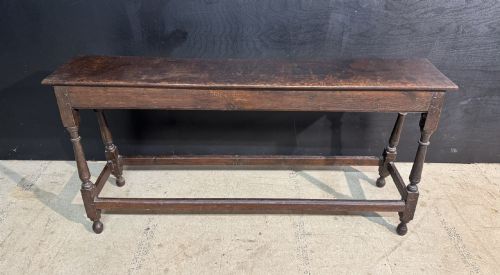
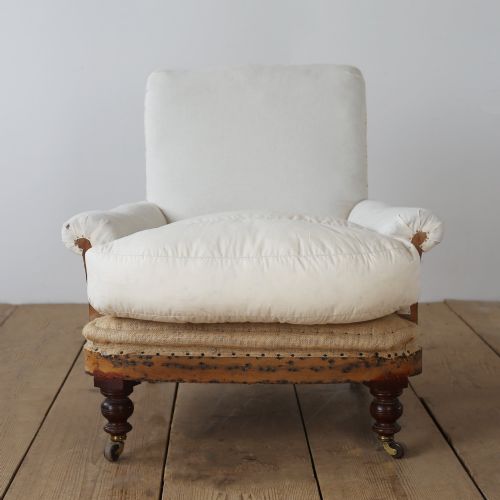
English country seating encompasses a wide range of domestic forms including armchairs, dining chairs, stools, sofas and garden benches. When exploring English country seating, you encounter pieces originating from domestic kitchens, farmhouses, vernacular cottages and country houses.
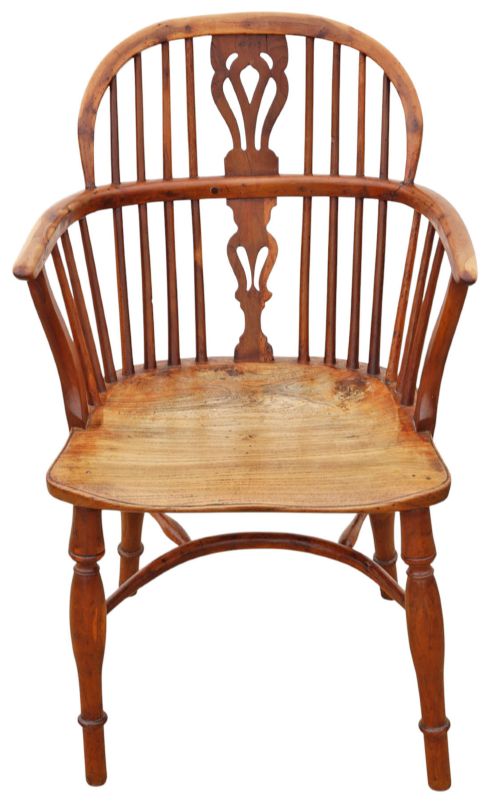
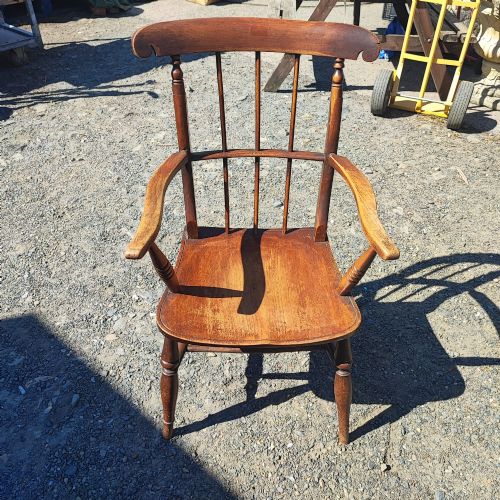
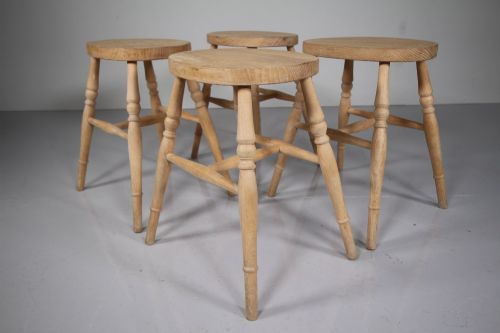
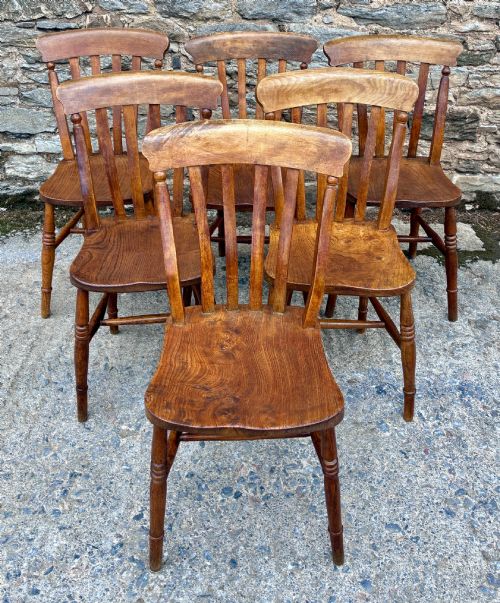
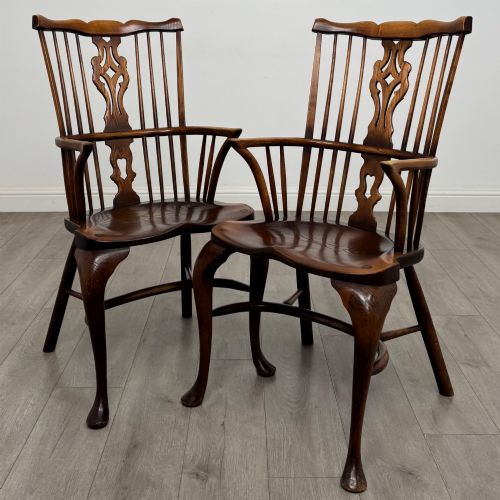
The selection frequently includes Windsor armchairs alongside ladder back dining chairs, joint stools and upholstered sofas. These items span periods from the seventeenth century through the Victorian era and into the early twentieth century.
Materials and Construction
Makers utilised native hardwoods such as elm, ash, oak, yew, beech and fruitwood, often combining woods within a single piece like an elm seat fitted with ash spindles. Rush, fabric, leather and calico linen provide the seating surfaces and upholstery.
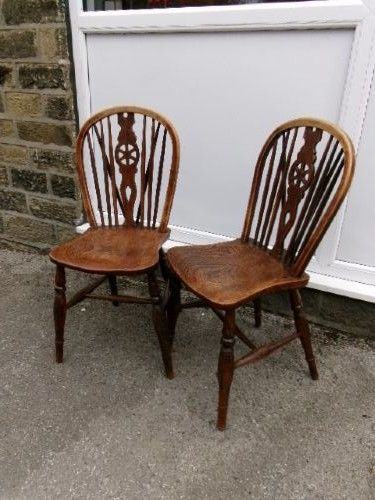
Joinery techniques rely on traditional methods including pegged joints, turned components and steam-bent elements. Windsor chairs demonstrate distinct construction where spindles and legs fit directly into solid carved wooden seats.
The listings span multiple centuries, incorporating 17th, 18th, 19th and early 20th-century periods alongside Edwardian and Victorian examples.
Evaluating Standards
Quality rests upon the integrity of the timber selection and the retention of original surfaces. Pieces displaying a deep, rich patination achieved through generations of use stand apart from heavily restored examples.
Proportion and structural balance define superior pieces. Comfortable seating geometry and robust, uncompromised joinery distinguish finer workshop output from more utilitarian production.
Philip Clissett·Howard and Sons·Hampton and Sons
The English Country Seating Glossary
- Windsor
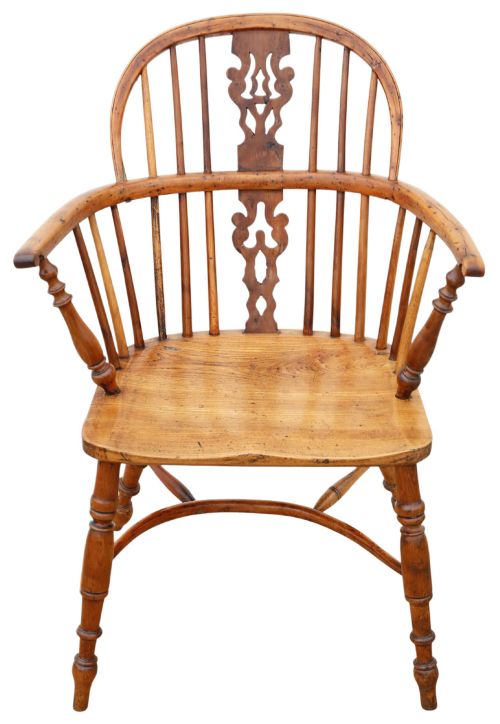
- A traditional wooden chair featuring a solid carved seat into which the back and legs are wedged. These chairs often incorporate steam-bent back bows and central splats.
- Joint Stool
- A sturdy wooden stool constructed with mortise and tenon joints rather than turned legs. These early forms typically utilise solid oak.
- Patina
- The surface sheen and colour developed by wood and leather over long periods of handling and age. A good surface is valued by collectors.
- Carver
- An armchair designed to match a set of dining chairs, usually placed at the head of a table. They frequently share the turned or spindle back design of the side chairs.
- Rush Seat
- A woven seating surface made from dried marsh grasses twisted into cords. This traditional method provides a resilient and flexible support.
English Country Seating: Frequently Asked Questions
What is a Windsor chair?
A Windsor chair is a distinct seating form characterised by a solid wooden seat that acts as the central hub for the legs and back construction. The back typically consists of turned spindles secured into a bentwood bow or comb piece.
These chairs developed in rural workshops using native timbers like elm, ash and yew. Their sturdy construction made them practical for everyday use in kitchens and farmhouse dining rooms.
How do I identify the wood used?
Identifying the timber requires examining the grain pattern, weight and colour of the exposed surfaces. Elm displays a distinctive interlocking grain while ash is pale with clear growth rings.
Many country pieces combine two timbers, such as an elm seat paired with ash or yew for the spindles and arms. This functional pairing utilised the specific properties of each wood.
Where were these pieces used?
These chairs, stools and benches populated vernacular cottages, farmhouses, provincial taverns and grand country estates. Their robust build suited demanding daily environments.
Dining chairs and armchairs served around farmhouse tables, while joint stools provided adaptable seating. Garden benches occupied outdoor terraces and lawns.
How do I care for antique wood?
Maintaining antique wooden seating involves keeping pieces away from direct heat sources and sudden temperature fluctuations. This prevents the timber from drying out and splitting.
Regular dusting with a dry cloth preserves the finish. Natural wax can be applied sparingly to nourish the wood and maintain its surface sheen.
What defines a country house sofa?
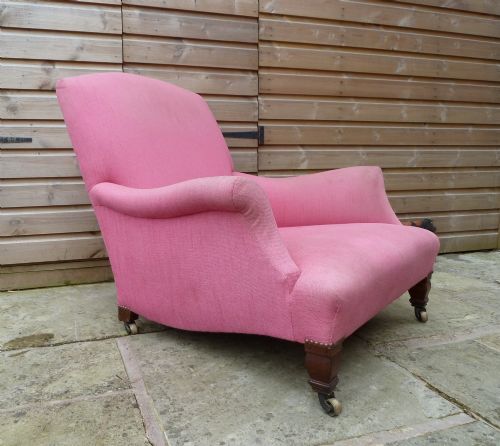
A country house sofa is typically deep-seated and designed for comfort, often upholstered in heavy fabrics, linen or leather. These pieces were made for drawing rooms and libraries.
They combine generous proportions with traditional upholstery techniques. Overstuffed padding and feather fillings provide a relaxed aesthetic suited to country interiors.