


Upholstered Bobbin Chair
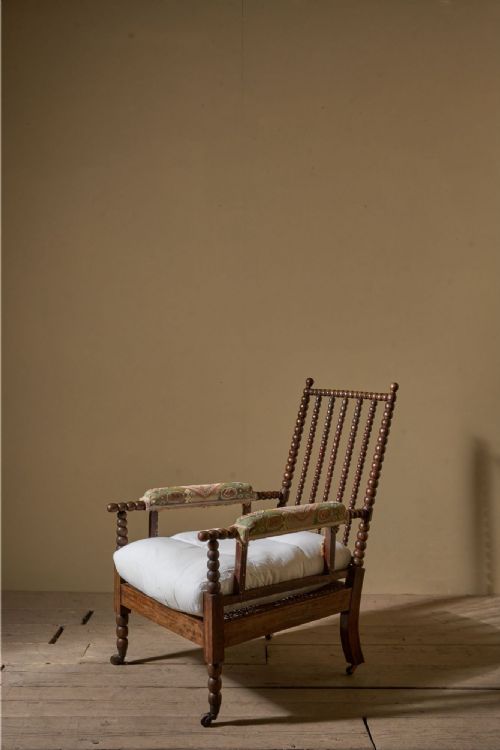
An upholstered bobbin chair brings turned spoolwork frame detail together with padded seating, offering tactile warmth and classic period character.
Upholstered Bobbin Chair
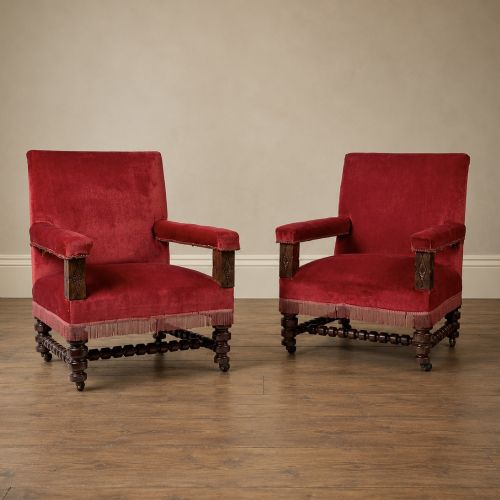
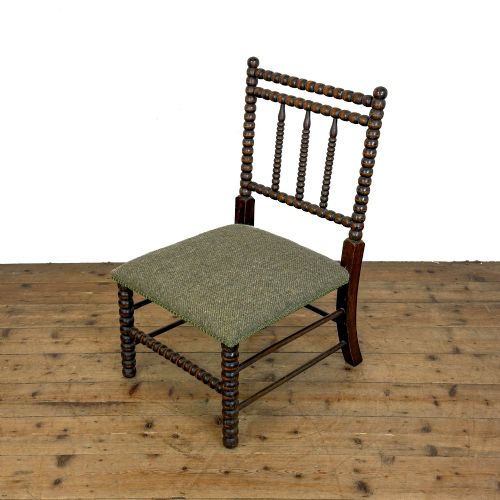
The varieties on this page range from Victorian interpretations in simulated rosewood and oak to pairs of armchairs upholstered in velvet or fitted with cane seats and cushions. Collectors encounter these pieces in forms such as slipper chairs and rocking chairs, reflecting diverse domestic uses across different eras.
How they were made
Makers shaped the distinctive spool framing by turning wood on a lathe, utilising timbers such as oak, beech, mahogany, and simulated rosewood. Individual turned sections were joined to form rigid structural frames for chairs and daybeds.
Upholstery techniques combined traditional stuffing with textiles including velvet, tweed linen, and general fabric. Brass elements occasionally appeared in the construction or mounting of these seating pieces.
Object forms span armchairs, side chairs, dining chairs, daybeds, corner chairs, slipper chairs, stools, and rocking chairs.
What varies in quality
Quality depends on the precision of the wood turning and the integrity of the frame construction, where crisp definition in the bobbin mouldings distinguishes finer examples. The choice of primary timber, from humble beech to substantial oak and mahogany, also sets pieces apart.
The standard of upholstery and the preservation of original textiles or sympathetic recovering influence the overall character of the piece. Proportion and balance within the turned frame separate standard workshop production from more ambitious furniture designs.
Liberty & Co
The Upholstered Bobbin Chair Glossary
- Bobbin turning
- A form of wood turning consisting of a series of rounded, spool-like shapes cut along the length of a furniture leg or stretcher. This technique creates a rhythmic, tactile surface texture popular in seventeenth-century and nineteenth-century revival furniture.
- Farthingale chair
- An upholstered seat without arms, designed during the seventeenth century to accommodate wide Elizabethan and Jacobean garments. These low-backed chairs feature padded seats and backrests.
- Slipper chair
- A low-seated upholstered chair originally used in bedrooms for dressing. They typically feature compact frames without arms.
- Daybed
- A long seating form combining elements of a chair and a bed, suitable for reclining. These pieces often incorporate upholstered surfaces supported by turned wooden frames.
Upholstered Bobbin Chair: Frequently Asked Questions
What is a bobbin chair?
A bobbin chair is a seating form defined by its turned frame, where the wood is shaped into a series of rounded spool-like segments. These chairs combine this distinct turning with upholstered elements such as padded seats and backs.
They appear in various forms including open armchairs, corner chairs, and daybeds, drawing on seventeenth-century traditions and Victorian revival styles.
How do I date an upholstered bobbin chair?
Dating relies on examining the timber, the style of the turning, and the construction methods used in the frame. Nineteenth-century examples often feature simulated rosewood or beech, while earlier revival pieces tend to utilise solid oak.
Upholstery materials and tacking methods also offer clues to the period, though many pieces have been re-covered over time to suit later interiors.
Are bobbin chairs comfortable for daily use?
Many bobbin chairs offer comfortable seating thanks to their padded upholstered backs and seats. Variants like rocking chairs and daybeds provide relaxed posture support for everyday living spaces.
It helps to consider the seat height and depth of each specific model, as nineteenth-century proportions can differ from modern seating standards.
Where should I place a bobbin chair at home?
These chairs suit living rooms, studies, and bedrooms as accent pieces or reading seats. Their decorative turned frames allow them to sit effectively away from walls where the woodwork remains visible from all angles.
Smaller forms like slipper chairs and corner chairs fit well in alcoves or narrow spaces where standard armchairs might overwhelm the room.