


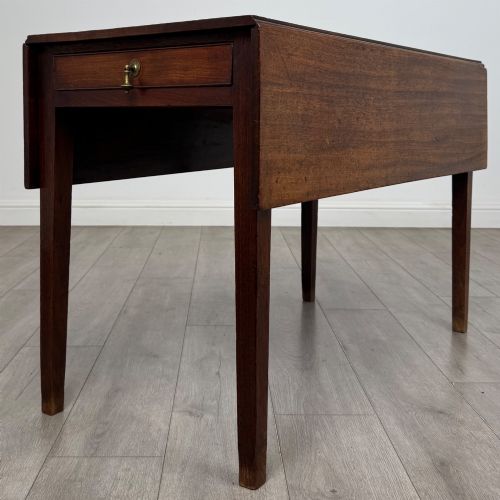
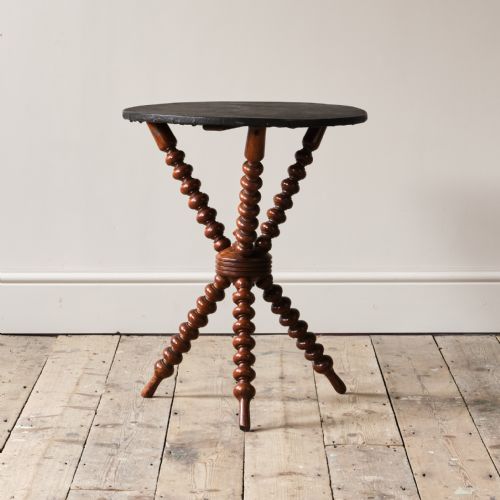
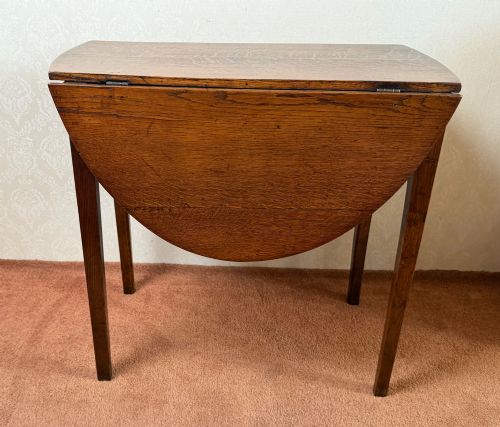
Brown Timber Side Table
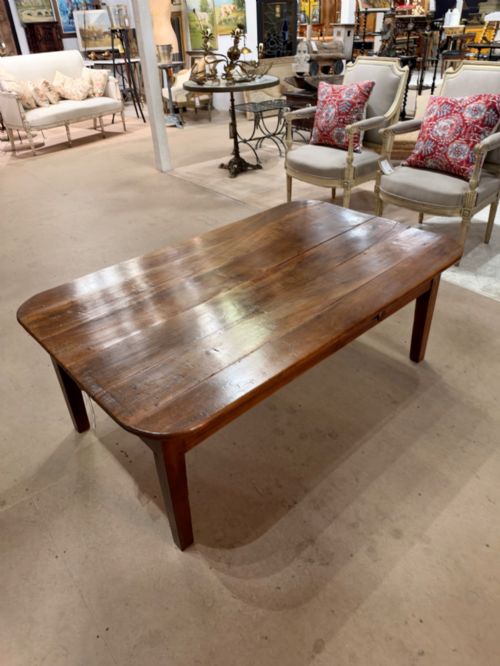
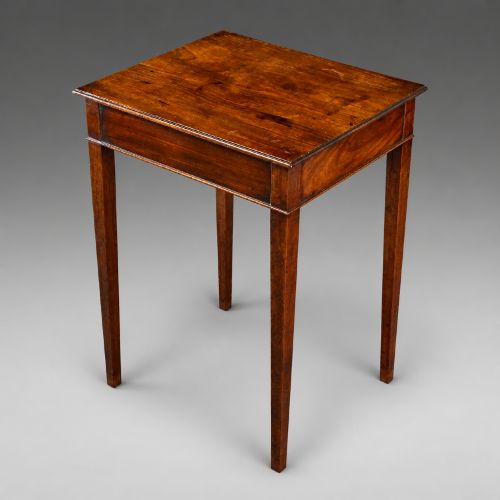
A brown timber side table brings dependable utility and rich natural grain to any room, anchoring a space with practical surface area.

Brown Timber Side Table
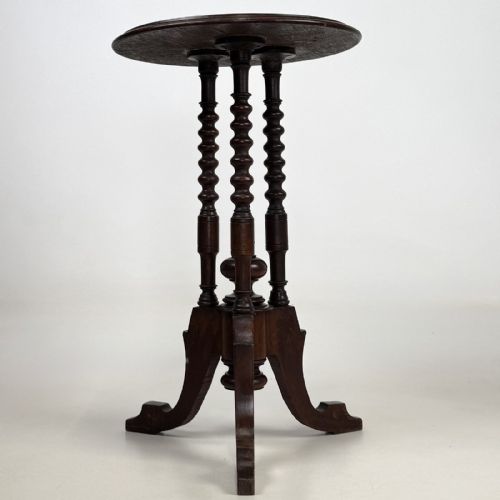
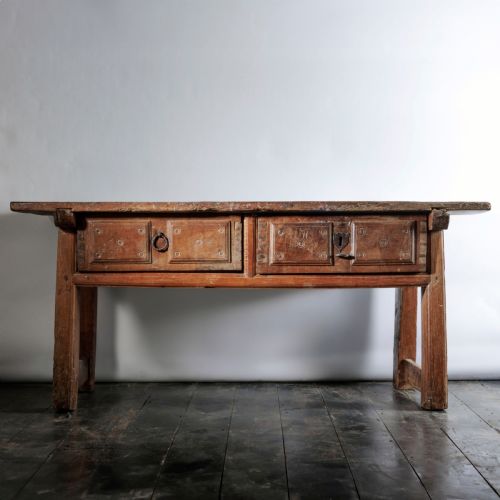
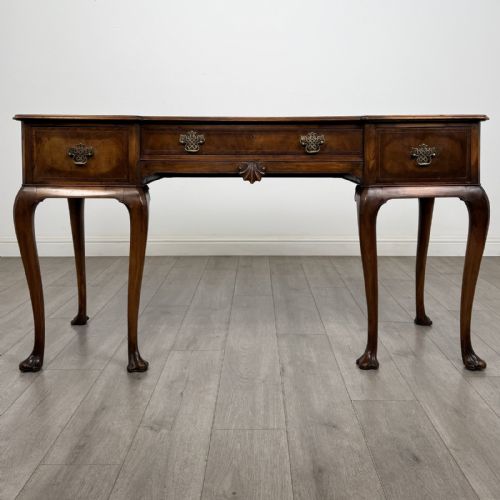
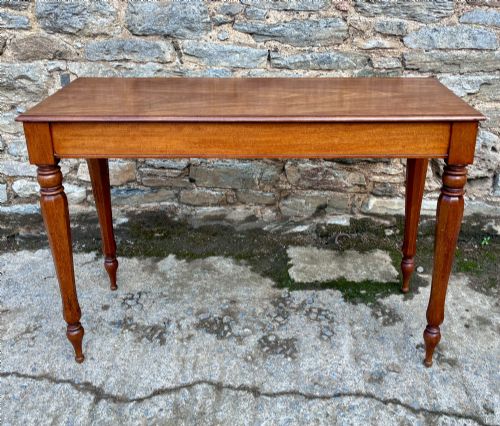
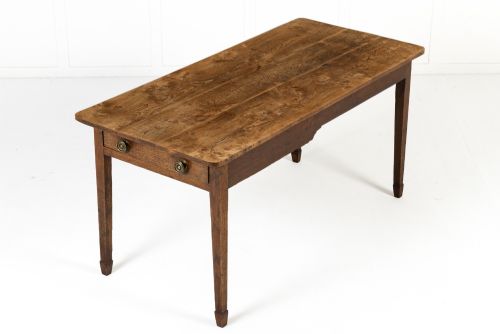
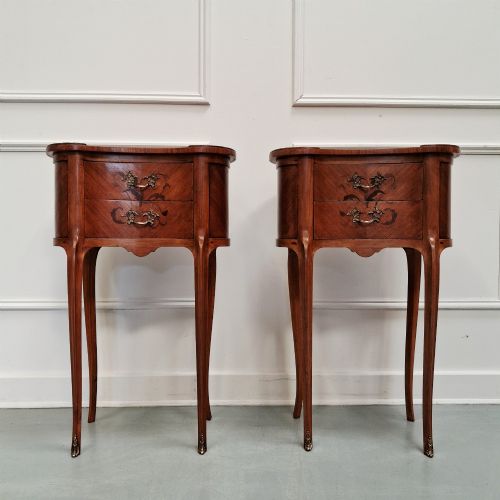
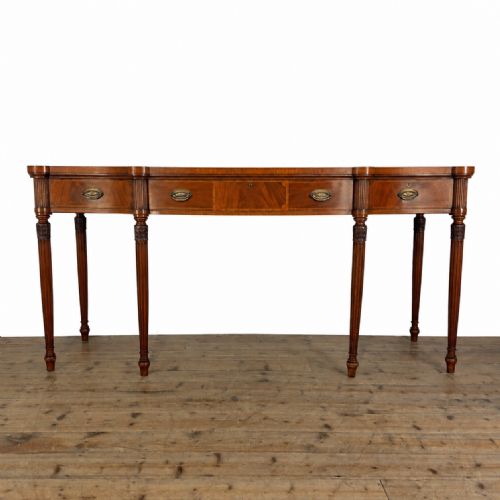
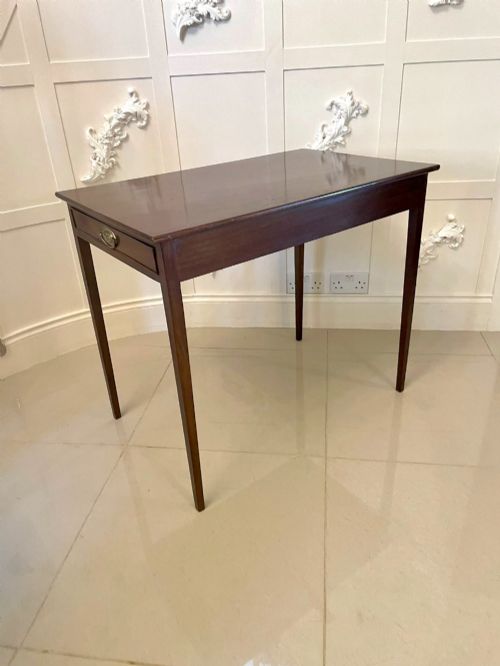
When searching for a brown timber side table, buyers encounter a diverse selection of occasional supports, lowboys, and console tables spanning multiple centuries. These items range from formal Georgian mahogany pieces to rustic elm and oak country forms.
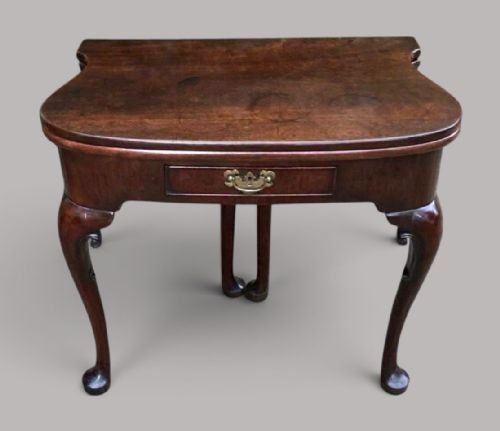
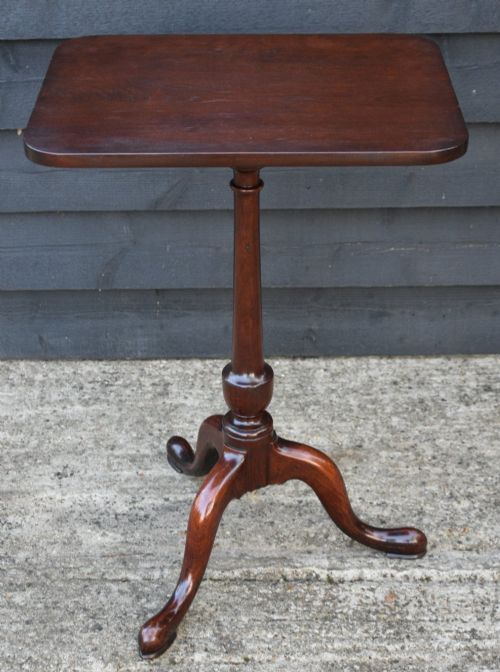
The most common examples on this page are mahogany and oak tables originating from the eighteenth and nineteenth centuries, often featuring tilt tops, drop leaves, or demi-lune shapes designed for domestic utility.
Beyond standard British and European designs, the selection includes international variations such as Chinese altar tables and Japanese hand-carved stands, demonstrating how timber furniture adapts across different cultures.
How they were made
Cabinet makers utilised dense hardwoods such as mahogany, walnut, oak, and elm, selecting specific timbers for their structural strength and decorative grain patterns. Many pieces combine primary display woods with secondary native timbers.
Construction techniques relied upon traditional joinery, including precise mortise and tenon joints, dovetailing for drawers, and turned supports. Surfaces often feature hand-polished finishes or inlaid decoration to highlight the natural colour of the wood.
Brown Timber Side Table Retail Price Guide 2026
Typical asking prices for brown timber side table among the pieces listed under this phrase on Sellingantiques today, from the lower quarter to the upper quarter. They describe what is for sale here now, not the wider market.
Listings feature timber varieties including mahogany, walnut, oak, elm, sycamore, ash, pine, cherrywood, and satin walnut.
What varies in quality
The degree of refinement in the timber selection heavily influences the standard of a piece, particularly where figured veneers or burr elm are employed. Skilled cabinet work is evident in the crispness of carved details and the seamless integration of joints.
Proportion and structural integrity separate standard utility items from finer examples, with superior pieces maintaining balanced dimensions and original hardware. The retention of untouched surfaces and honest patination significantly elevates the character of older timber.
Liberty of London
The Brown Timber Side Table Glossary
- Demi-lune
- A half-moon shape commonly found on console and side tables designed to sit flush against a wall. This format was especially popular during the Georgian period for smaller reception rooms.
- Lowboy
- A small oak, walnut, or mahogany table fitted with one or more drawers, originating in the early eighteenth century. These versatile pieces frequently served as dressing or writing tables.
- Tilt top
- A table mechanism featuring a hinged surface that folds vertically when not in use, allowing the piece to be stored compactly against a wall. This ingenious design became standard for tripod wine and occasional tables.
- Inlay
- A decorative technique where contrasting woods, brass, or other materials are inserted into recessed cavities on the timber surface. It creates geometric or floral patterns across tabletops.
- Patina
- The deep, lustrous surface sheen developed over decades of handling, polishing, and natural oxidation. Collectors prize this indicator of age and continuous use.
Brown Timber Side Table: Frequently Asked Questions
How do I date a timber table?
Dating relies on examining construction methods, tool marks, and timber species characteristic of specific eras like the Georgian or Victorian periods.
Secondary woods and drawer dovetailing often provide the clearest clues to a piece's age and origin.
Where should I place a side table?
These versatile pieces suit hallways, living rooms, and bedrooms, functioning as surfaces for lamps, books, or decorative objects.
Demi-lune and console formats fit neatly against walls, while compact occasional tables float easily beside seating.
How do I care for antique timber?
Maintain the wood by dusting with a dry cloth and avoiding direct sunlight or extreme temperature fluctuations that cause cracking.
Occasional application of appropriate wax feeds the grain without building up heavy chemical residues.
What is the difference between a lowboy and a side table?
A lowboy specifically refers to a small, low table featuring integrated drawers, typically dating from the eighteenth century.
Standard side tables encompass a wider variety of leg configurations, top shapes, and utilitarian functions without necessarily including drawers.