

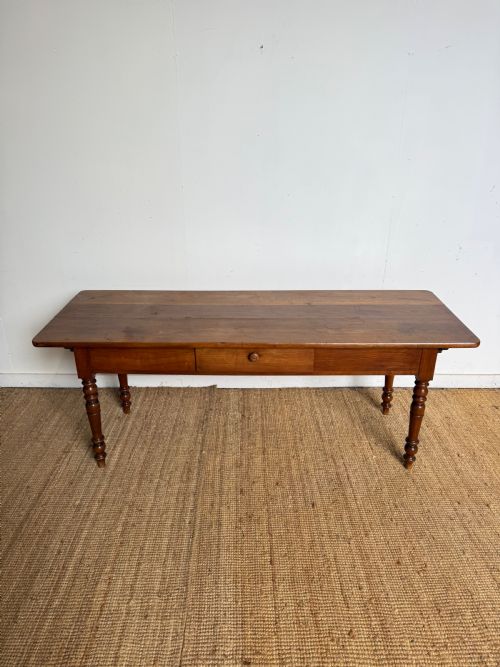


Brown Timber Server
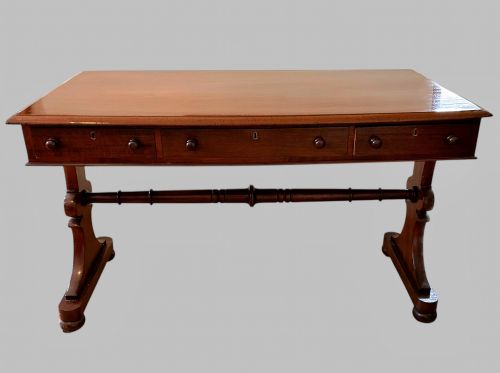
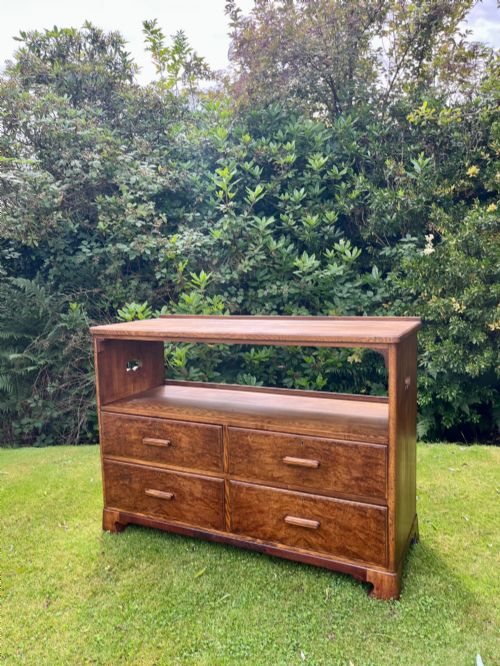
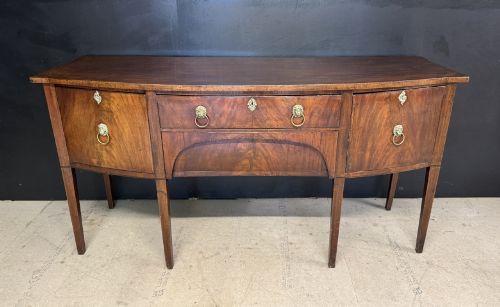
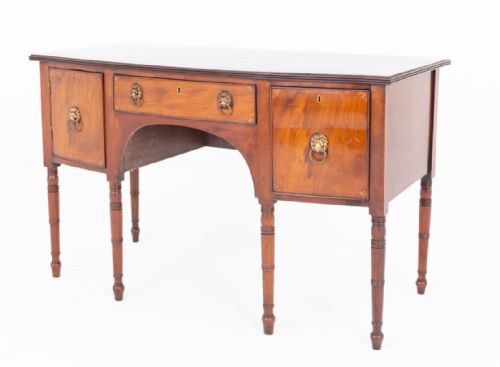
A brown timber server is a functional dining room piece built to hold dishes and serve meals, combining solid utility with period craftsmanship.
Brown Timber Server
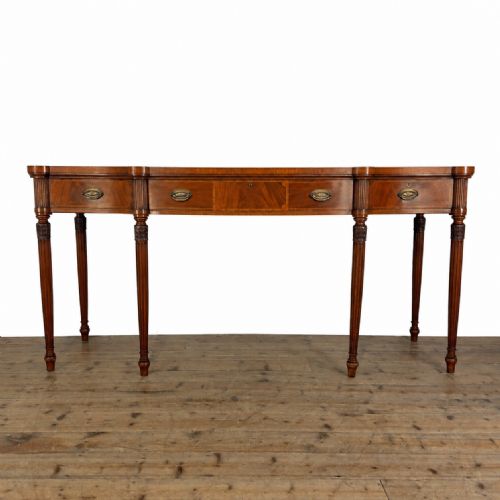
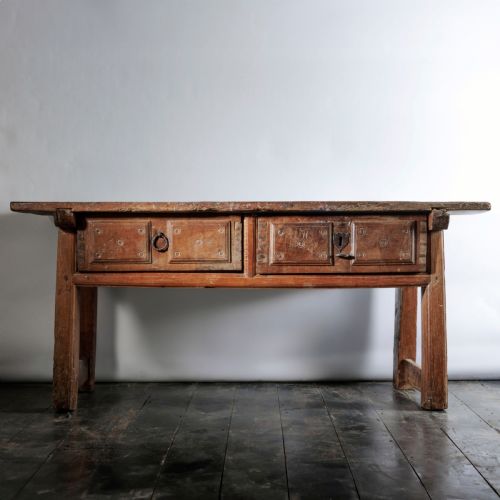
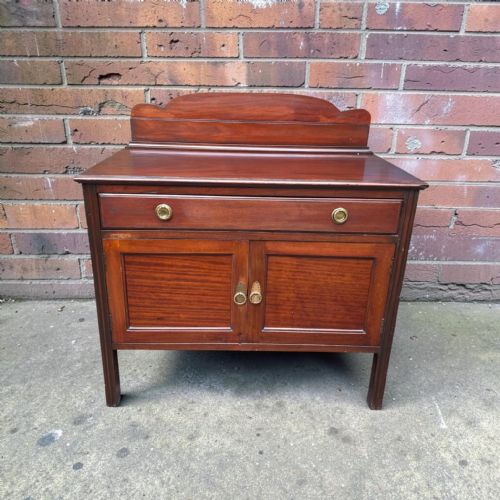
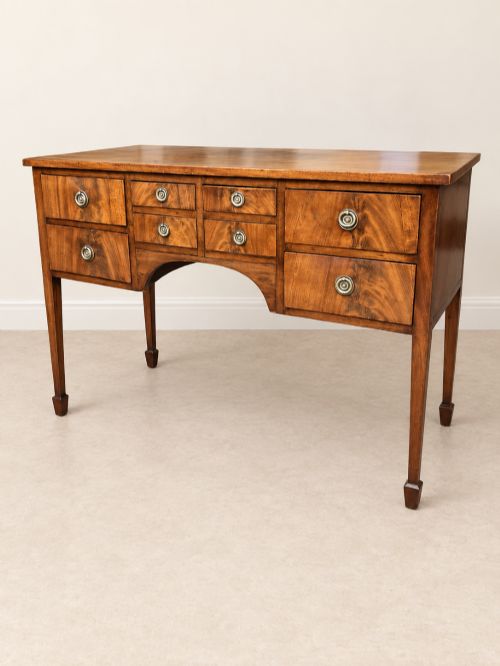
When you search for a brown timber server, you are looking at a range of dining and service furniture that includes sideboards, serving tables, console tables, and chiffoniers. These items span periods from the eighteenth century through the Victorian and Edwardian eras up to the nineteen-thirties, with Georgian and nineteenth-century pieces appearing frequently.
You will encounter regional variations, such as French provincial and Spanish provincial tables, alongside classic English George III and Regency designs. Forms range from narrow pitch pine freestanding tables and cherrywood consoles to large mahogany serpentine sideboards and walnut chiffoniers.
The primary purpose of these pieces historically was to facilitate dining service, offering surface space for dishes and storage within drawers and cupboards. Today, they function equally well as statement storage items in hallways, living rooms, and modern dining spaces.
Materials and construction
Cabinet makers utilised a variety of dense hardwoods, predominantly mahogany, walnut, cherrywood, and rosewood, often enhanced by flame mahogany veneer. Lighter contrasting timbers such as boxwood and satinwood appear as decorative stringing and inlay work.
Secondary structural timbers include pine and pitch pine, particularly for internal framing and simpler utility tables. Brass hardware such as handles, drawer pulls, and lock escutcheons complete the construction of these cabinets and servers.
Brown Timber Server Retail Price Guide 2026
Typical asking prices for brown timber server among the pieces listed under this phrase on Sellingantiques today, from the lower quarter to the upper quarter. They describe what is for sale here now, not the wider market.
Listings feature pieces spanning from the eighteenth century through the Victorian and Edwardian eras, constructed in mahogany, walnut, cherrywood, and pitch pine.
Distinctions in quality
Quality in these pieces rests upon the selection of timber, particularly where figured veneers like flame mahogany or rich walnut are employed to create balanced grain patterns across the front. The precision of inlaid details, such as boxwood and satinwood stringing, reveals the skill of the cabinet maker.
Structural integrity is defined by traditional joinery methods, the weight and stability of the timber, and the retention of original brass fittings and handles. Finer examples exhibit carefully shaped serpentine fronts and well-proportioned legs that balance the heavy timber tops.
Whytock and Reid·Gillow
The Brown Timber Server Glossary
- Serpentine front
- A furniture front characterised by a concave central section flanked by two convex ends, or the reverse, creating a gentle undulating curve. This shape required advanced woodworking skill.
- Chiffonier
- A small sideboard or cabinet popular in the nineteenth century, typically featuring shelves or a raised back above enclosed lower cupboards. They were designed for the display and storage of china and silverware.
- Inlay
- A decorative technique where pieces of contrasting timber, such as boxwood or satinwood, are inserted into recessed portions of the primary wood surface to create patterns.
- Dresser base
- A low wooden storage unit featuring drawers and cupboards beneath a flat top, originating from earlier centuries for food preparation and serving.
- Console table
- A table designed to be fixed against a wall, frequently supported by console brackets or legs, and used historically for serving food or displaying decorative objects.
Brown Timber Server: Frequently Asked Questions
What is a server used for?
A server provides a flat surface for placing dishes, serving food, and displaying items during meals. Historically positioned in the dining room, it also offered enclosed storage within drawers and cupboards for linens and cutlery.
Today, these tables serve similar functional roles in contemporary homes while acting as decorative anchor pieces against dining room or hallway walls.
How do I date a timber server?
Dating relies on identifying the prevailing style, construction methods, and timber choices typical of specific periods. Georgian pieces often display clean classical lines and mahogany solids, while Victorian items lean towards heavier carvings, rosewood, and walnut.
Examining the secondary woods inside drawers and the style of the brass hardware helps confirm the era of manufacture.
Where should I place a server?
These pieces fit naturally in a dining room against a main wall, serving their original purpose as a station for food and serving dishes. They also suit large hallways or living spaces as console tables or side cabinets for storage.
Ensure the room dimensions accommodate the length and depth of pieces like serpentine sideboards or large buffet servers.
Are these pieces made of solid wood?
Many examples are constructed from solid hardwoods such as mahogany, cherrywood, walnut, or pine. However, cabinet makers frequently applied fine veneers, such as flame mahogany, over stable secondary timber cores to create decorative grain patterns.
Both solid construction and veneering techniques represent traditional methods used across different periods.